













Russian Caravan Thee
Wat Russian Caravan Thee Is
Russian Caravan is een blend van zwarte theeën - meestal Keemun, Lapsang Souchong en soms Oolong - met een uitgesproken rokerig karakter. De naam verwijst naar de karavanen die deze Chinese thee overland naar Rusland vervoerden, dwars door Centraal-Azië, een tocht van 16 tot 18 maanden over zo'n 11.000 kilometer.
De rook die je proeft in het kopje is geen toeval: het is een directe echo van de kampvuurrook die de thee absorbeerde tijdens die lange maanden onderweg. Vandaag wordt de blend gemaakt door deze componenttheeën in wisselende verhoudingen te mengen. Er bestaat geen vast recept. Wat het karakter bepaalt is de combinatie van een zachte, moutige body met die rokerige draad door de afdronk heen.

De Theeroute: 16 Maanden Per Kameel
Voordat het Suezkanaal in 1869 openging en voordat spoorlijnen Siberië doorkruisten, waren er twee manieren om Chinese thee naar Europa te krijgen: over zee rond Kaap de Goede Hoop, of overland door Mongolië en Siberië. De zeeroute was sneller - vier tot zes maanden - maar bracht problemen met zich mee.
Schepen die door equatoriale wateren voeren, stelden de thee bloot aan hoge luchtvochtigheid, zoute lucht en temperatuurschommelingen. Delicate theeën kwamen beschadigd aan. De overlandroute duurde veel langer - ergens tussen de 16 en 18 maanden vanaf de theetuinen in de provincies Fujian of Anhui tot Moskou - maar de koude, droge omstandigheden van de Mongoolse steppe en de Siberische taiga bleken ideaal voor thee.
Russische handelaren ontdekten dat hun overland verscheepte thee bij aankomst beter smaakte dan het equivalent dat over zee was vervoerd. De kou werkte als een natuurlijk conserveringsmiddel. De lange reis leek de smaken te verzachten en te laten samensmelten in plaats van ze te beschadigen.
De karavanen vertrokken vanuit de handelsstad Kalgan (nu Zhangjiakou), net ten noorden van de Grote Muur, en trokken door de Gobiwoestijn en over het Mongoolse plateau naar Kyakhta aan de Russische grens. Vandaar reisde de thee verder per kar en slee door Siberië richting Moskou en Sint-Petersburg.
Bij elk nachtkamp werden vuren aangestoken om warmte en eten te bereiden. De samengeperste theebakstenen of losse bladeren, verpakt in houten kisten, stonden nacht na nacht dicht bij die vuren. De rook trok in het blad. Tegen de tijd dat de thee Rusland bereikte, had ze een karakter gekregen dat over zee verscheepte thee simpelweg niet had.
Russen ontwikkelden een sterke voorkeur voor deze rokerige, robuuste stijl. Toen de Trans-Siberische Spoorweg de reistijd eind negentiende eeuw drastisch verkortte, merkten handelaren dat Russische klanten die rokerige smaak nog steeds wilden, ook al had de thee geen maanden kampvuurblootstelling meer nodig om er te komen.
De oplossing was het doelbewust bijmengen van gerookte theeën - voornamelijk Lapsang Souchong - om dat karakter kunstmatig na te bootsen. Die praktijk bestaat vandaag nog steeds. Voor meer achtergrond over de historische handelsroute behandelt de Wikipedia-pagina over de Theeroute de geografie en economie in detail.
De Componenttheeën: Wat Er In De Blend Zit
Begrijp je de componenten, dan snap je ook waarom verschillende Russian Caravan blends zo uiteenlopend kunnen smaken.
Keemun
Keemun vormt de ruggengraat van de meeste Russian Caravan blends. Keemun wordt geproduceerd in het district Qimen in de provincie Anhui en is een van China's meest gevierde zwarte theeën. De blaadjes zijn klein en strak gedraaid, en het aftreksel heeft een diepe robijnrode kleur.
De smaak is complex - moutig, met een wijnachtige ondertoon die theeliefhebbers soms omschrijven als bourgogneachtig, en in betere kwaliteiten een subtiele bloemige toets. Het heeft een zacht, rond karakter zonder scherpe randjes. Keemun vormt ook de basis van veel klassieke Engelse ontbijtblends, wat verklaart waarom Russian Caravan vaak vertrouwd aanvoelt voor wie Britse zwarte thee drinkt. Onze Keemun zwarte thee laat dit karakter duidelijk zien wanneer je hem apart zet.
Lapsang Souchong
Lapsang Souchong is waar de rook vandaan komt. Deze thee komt oorspronkelijk uit het Wuyi-gebergte in de provincie Fujian. De brede, lager gekwalificeerde bladeren - "souchong" verwijst naar het vierde en vijfde blad aan de tak - worden verwelkt en gedroogd boven brandend pijnhout.
Het resultaat is intens rokerig, met een teerachtige, bijna harsachtige kwaliteit in versies met zware rook, en een zachtere kampvuurzoetheid in lichtere versies. Goede Lapsang Souchong heeft echte diepte en body. Onze Lapsang Souchong vertegenwoordigt de traditionele Wuyi-stijl. De geschiedenis van Lapsang Souchong is nuttig om te lezen als je wilt begrijpen hoe de rookdroogmethode is ontstaan.
Oolong
Oolong verschijnt soms als derde component in Russian Caravan blends. Een middelmatig geroosterde oolong voegt een extra laag complexiteit toe - licht romig, met een geroosterde nootachtigheid die de brug vormt tussen de moutige Keemun en de rokerige Lapsang.
Niet elke producent gebruikt het, maar wanneer het werkt, rondt het de blend af zodat de overgangen tussen de smaaknoten coherenter aanvoelen.

Hoe Russian Caravan Verschilt Van Lapsang Souchong
Lapsang Souchong is een single-origin thee waarin rook de dominante smaaknoot is. Russian Caravan thee is een blend waarin rook slechts een van de smaaknoten is.
De Keemun in de blend zorgt voor een moutige, wijnachtige body die de rook verzacht. Het resultaat is gelaagder en makkelijker te drinken voor wie pure Lapsang Souchong te intens vindt. Denk er zo over: Lapsang Souchong is het kampvuur. Russian Caravan is dichtbij het kampvuur zitten.
De verhouding maakt een enorm verschil. Een blend van 70% Keemun en 30% Lapsang drinkt behoorlijk mild, met de rook als achtergrondtoon. Draai die verhouding om en de rook wordt dominant.
Sommige producenten voegen Assam of Yunnan zwarte thee toe voor extra body en een vleugje aardsheid. Deze toevoegingen maken het kopje voller en donkerder zonder extra rook toe te voegen. Er bestaat geen standaardformule, waardoor kwaliteit en karakter sterk kunnen verschillen tussen leveranciers.
Russische Theecultuur En De Samovar Traditie
Thee werd al in de zeventiende eeuw centraal in het Russische sociale leven, niet lang nadat de eerste karavanen waren aangekomen. Tegen de achttiende eeuw was de samovar - een grote metalen ketel om water te verwarmen en urenlang warm te houden - een vast onderdeel geworden van Russische huishoudens, van het keizerlijk hof tot de boerenhutten.
De samovar is niet zomaar een werktuig; het is een sociaal object. Een Russisch huishouden waar de samovar draait, geeft aan dat gasten welkom zijn. De traditionele Russische manier van thee drinken is sterk en zoet. Een geconcentreerde thee - zavarka - wordt gezet in een klein theepotje dat bovenop de samovar staat om warm te blijven.
Wil je een kopje, dan schenk je een maatje van het concentraat in je glas of kopje en verdun je dat met heet water uit de samovar tot de gewenste sterkte. Dit tweetraps systeem betekent dat iedereen aan tafel zijn eigen sterkte kan bepalen. De zoetheid komt niet van suiker die door het kopje wordt geroerd, maar van jam - varenye - die tussen de slokjes door met een lepeltje wordt gegeten.
Kersen, abrikoos en zwarte bes zijn traditioneel. De jam tempert de bitterheid van de sterke brouwsel en voegt een fruitnoot toe die van nature past bij het rokerige karakter van Russian Caravan. Het is een combinatie die het proberen waard is, ook zonder samovar.
Thee drinken in Rusland was nooit de beschaafde, rustige aangelegenheid die het in Engeland werd. Het werd in grote hoeveelheden gedronken, op alle uren van de dag, en in alle sociale situaties. Het theehuis en de samovartafel waren plekken waar zaken werden gesloten, geschillen werden beslecht en nieuws werd uitgewisseld. De thee zelf - robuust, vol van smaak, licht rokerig - paste perfect bij die rol.
Variaties En Waar Kwaliteit Aan Te Herkennen Is
De kwaliteit binnen Russian Caravan loopt sterk uiteen. Aan de onderkant vind je blends gemaakt met theestof en fannings, generieke rooksmaakstoffen en geen benoemde herkomstcomponenten. Het resultaat smaakt vlak en scherp, met kunstmatige rook die na de eerste paar slokjes verdwijnt.
Aan de bovenkant vind je blends met hele Keemun-bladeren van een benoemde oogst, traditioneel gerookte Lapsang uit het Wuyi-gebergte, en mogelijk een kwaliteitsvolle geroosterde Oolong om de componenten samen te binden.
Let bij de aankoop van Russian Caravan op het volgende:
- Hele of gebroken bladeren in plaats van stof of fannings. Het droge blad zou zichtbare structuur moeten hebben.
- Benoemde herkomstcomponenten. Staat er op de verpakking gewoon "Chinese zwarte theeën", dan is dat een waarschuwingssignaal. Staat er specifiek Keemun en Lapsang Souchong, dan is dat een goed teken.
- Een rooktoon die specifiek en helder is in plaats van generiek en vlak. Echte Lapsang-rook heeft pijn en hars op de achtergrond. Kunstmatige rooksmaakstof ruikt vaak naar vloeibare rook uit een flesje.
- Balans in het kopje. De rook zou de moutige basis moeten versterken, niet overheersen.
Wil je meer Keemun in de mix, dan drinkt het kopje zachter en wijnachtiger, met de rook als stille achtergrond. Wil je vooraan meer rook proeven, zoek dan naar blends met een hogere Lapsang-verhouding, of meng onze Keemun en Lapsang Souchong gewoon zelf thuis, in de verhouding die jou het beste bevalt. Zo houd je zelf volledig controle over de blend.
Hoe Je Russian Caravan Thee Zet
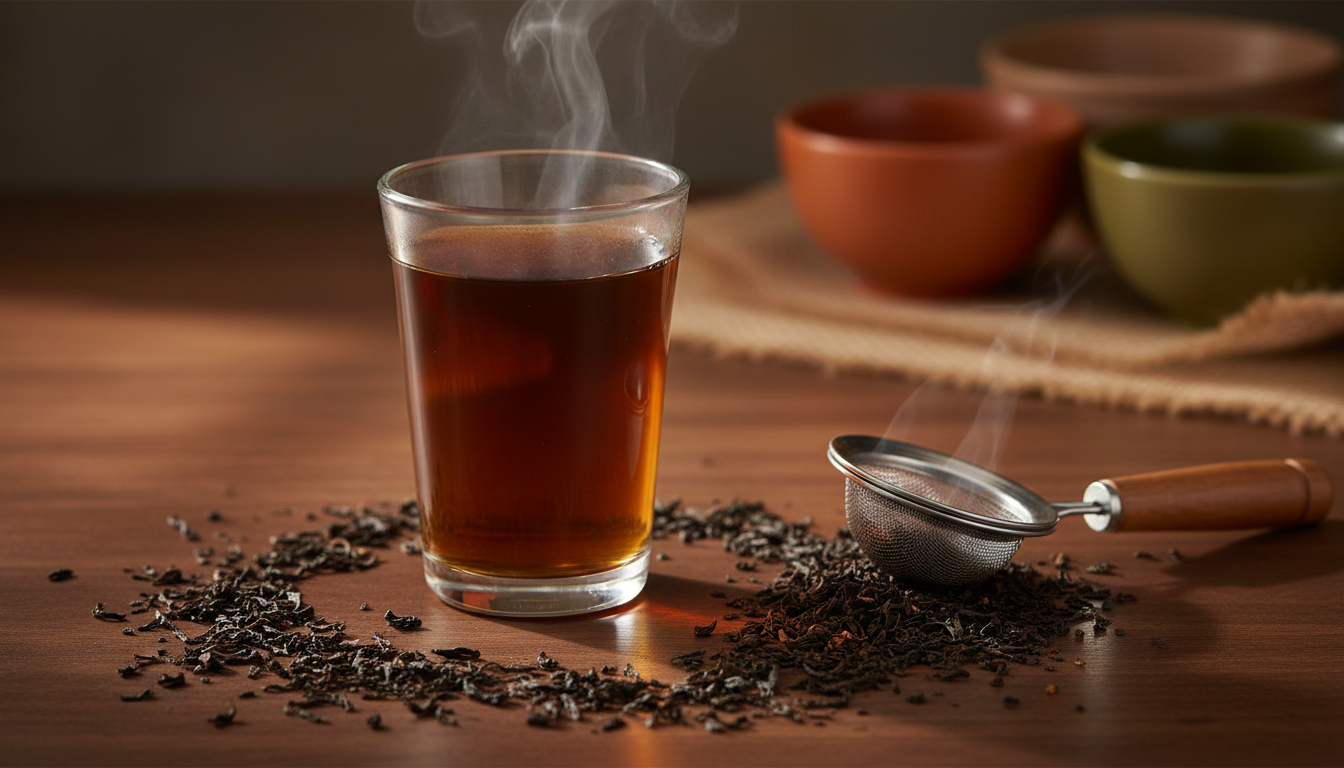
Gebruik water dat net van de kook is - rond 95 graden Celsius - en laat drie tot vier minuten trekken. Ik gebruik ongeveer 3 gram blad per kopje van 250 ml. Het resultaat zou een diep amberkleurig aftreksel moeten zijn, met die kenmerkende rokerige warmte in de geur nog voordat je proeft.
Geen melk. De rook en de mout in deze thee hebben geen verdunning nodig, en de rooktoon wordt scherp in plaats van zacht met melk erbij. Dit is geen thee die baat heeft bij zuivel.
Voor wie wil experimenteren: Russian Caravan werkt ook goed gongfu-stijl gezet. Gebruik een hogere bladverhouding - ongeveer 6 tot 7 gram per 100 ml - en kortere trekkingen, beginnend bij 15 tot 20 seconden, telkens 10 tot 15 seconden langer bij elke volgende trekking.
Gongfu zetten laat de afzonderlijke componenten duidelijker naar voren komen. In de eerste trekkingen proef je de wijnachtige diepte van de Keemun, waarna je in latere trekkingen de rook naar voren ziet komen naarmate het blad opent. Het is een heel andere ervaring dan de westerse stijl met een lange trekking, en het proberen waard als je de benodigdheden hebt.

Voedselcombinaties: Waar Deze Thee Om Vraagt
Het rokerige, moutige karakter van Russian Caravan past van nature bij gerechten met een eigen diepte en hartigheid.
Gerookte Zalm
Gerookte zalm is de meest voor de hand liggende combinatie. De rook in de thee weerspiegelt de rook in de vis, en de moutige body vormt een schone, niet-concurrerende basis. Een dun sneetje donker roggebrood onder die zalm, met een likje roomkaas, maakt een volledige combinatie waar ik steeds op terugkom.
Oude Gouda
Oude Gouda werkt verrassend goed. De karamel en kristallijne textuur van een Gouda van twee of drie jaar oud weerspiegelen de moutige tonen in de Keemun, terwijl de rook van de Lapsang door het vet van de kaas heen snijdt en de smaakpapillen verfrist tussen de happen door.
Donker Roggebrood
Donker roggebrood op zichzelf - vooral de dichte, licht zure Scandinavische of Oost-Europese stijlen - heeft genoeg karakter om Russian Caravan te weerstaan zonder erdoor overweldigd te worden. De lichte zuurte van het brood speelt met de rook op een manier die zachter wit brood niet kan.
Pure Chocolade Met Zeezout
Pure chocolade met zeezout is een combinatie die onwaarschijnlijk klinkt maar goed werkt. De bitterheid van chocolade met een hoog percentage (70% of hoger) sluit aan bij de licht bittere rand van het gerookte blad, en het zout versterkt zowel de chocolade als de hartigheid van de thee.
Een blokje goede pure chocolade bij een slokje Russian Caravan is een van de betere middagcombinaties die ik ken. Voor de traditionele Russische aanpak probeer je het met een potje kersenjam binnen handbereik. De zoetheid en het fruit doen wat melk nooit zou kunnen: ze verzachten de randjes zonder de rook te dempen.
Wanneer Je Het Drinkt
Russian Caravan is een thee voor koud weer. Niet omdat je hem niet in de zomer kunt drinken, maar omdat alles eraan - de diepte, de rook, het gewicht van het kopje - past bij weinig licht en koude lucht. Het is de thee waar ik naar grijp op grijze ochtenden en lange winteravonden. Ze is stevig genoeg om een ontbijtthee te vervangen voor wie iets met meer karakter zoekt, en complex genoeg om 's avonds op zichzelf aandacht te verdienen.
Het is ook een van de betere theeën voor wie nieuw is met Chinese zwarte theeën. De vertrouwde robuustheid van de Keemun-basis maakt hem toegankelijk voor wie gewend is aan CTC-stijl ontbijtblends, terwijl de rook iets echt anders toevoegt dan wat ze al kennen.
Als toegangspoort tot de bredere wereld van Chinese theeën en zwarte theeën in het algemeen heeft ze in mijn ervaring een uitstekende staat van dienst.

Gerelateerde Artikelen
Laat een reactie achter
Reacties worden goedgekeurd voor ze verschijnen.
I18n Error: Missing interpolation value "titel" for "Ook in {{ titel }}"
The Complete Guide to Drinking Tea
What tea is, how the main types differ in the cup, and how to brew each one properly. Water temperature, steeping times, storage and how to get more than one cup from your leaves.
Lees Meer

Black Tea: Types, Processing, and How to Brew It
Black tea is fully oxidized Camellia sinensis. Compare Assam, Darjeeling, Keemun, and Ceylon varieties. Learn processing, brewing, and caffeine levels.
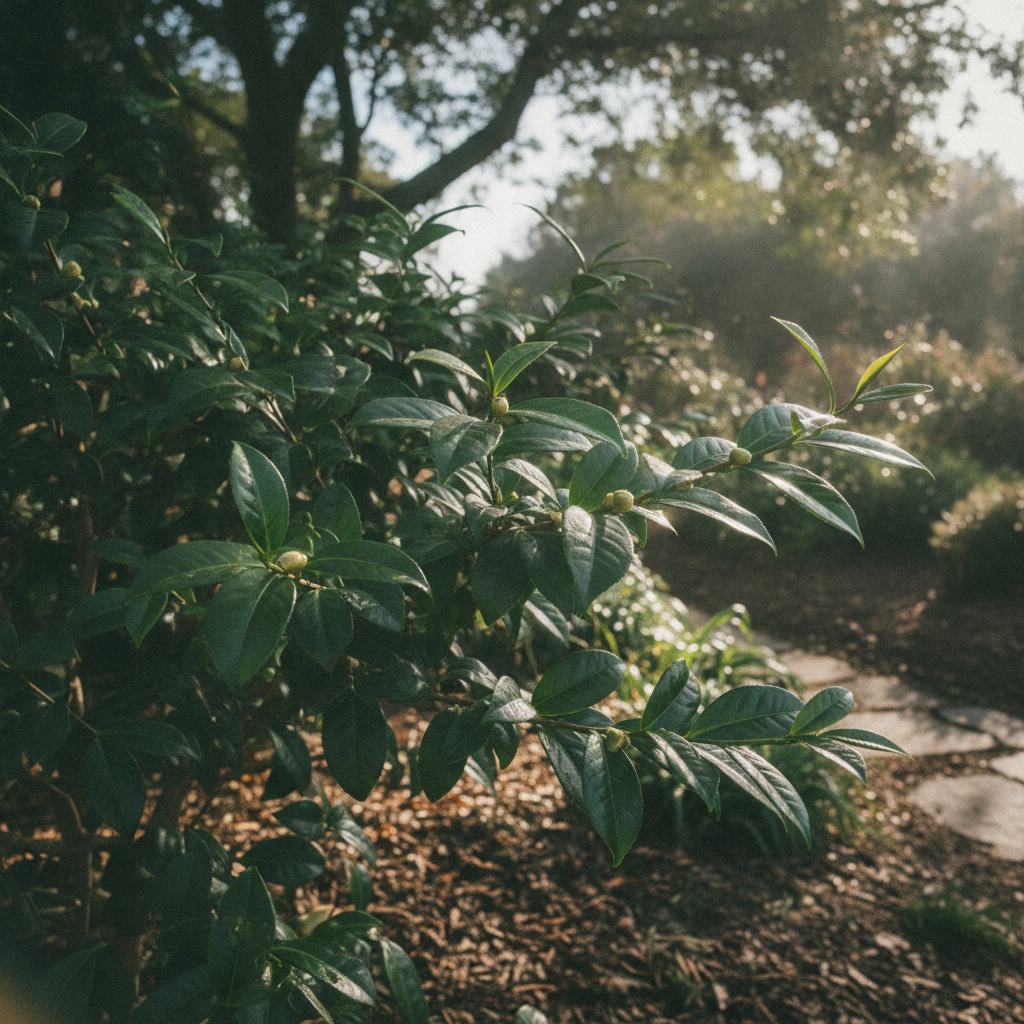

How To Grow Black Tea
Learn how to grow black tea at home: soil, climate, and the five processing steps from fresh leaf to a finished cup of black tea.

Wijsheid is de weg naar betere thee.
Ontvang onze gratis zetgids: het juiste water, de juiste temperatuur en de juiste trektijd voor elke thee die we verkopen. U hoort ook als eerste wanneer nieuwe oogsten binnenkomen.
Geen spam. U kunt zich altijd uitschrijven.
Kijk in uw inbox.
De gids is onderweg.