













Earl Grey Thee Zetten: Zo Doe Je Het Goed
Wat Je Nodig Hebt
Earl grey thee zetten is niet ingewikkeld, maar je moet wel op een paar details letten. Ik importeer en verkoop al meer dan vijftien jaar zwarte thee, en steeds dezelfde fouten komen terug: water te heet, te veel blad, te lang trekken.
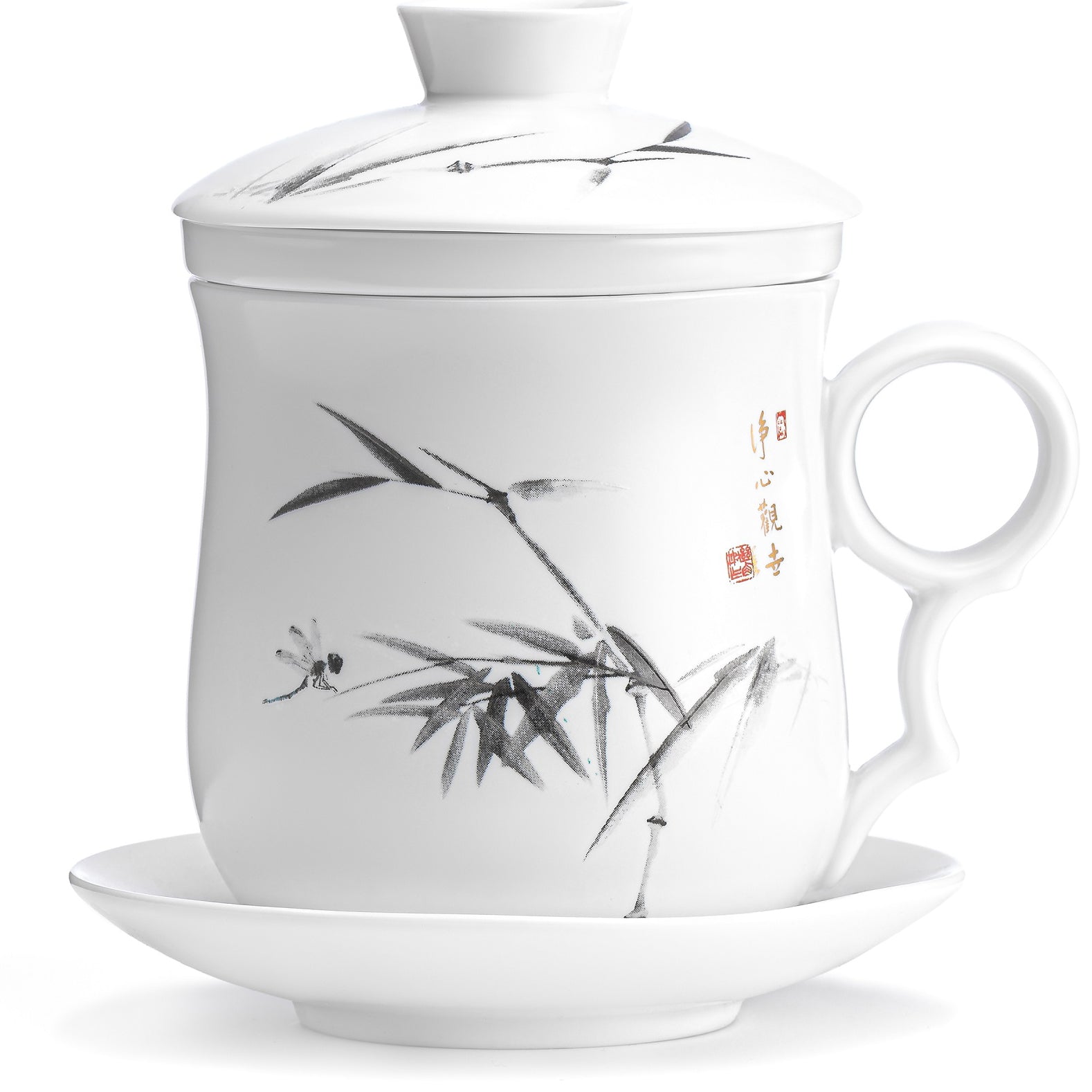
Dit heb je nodig: een waterkoker, een theepot of grote mok, losse earl grey en een timer. Meer niet. Geen speciale apparatuur nodig.
Gebruik voor de hoeveelheid blad één theelepel, ongeveer 2 tot 3 gram, per 200 ml water. Deze verhouding geeft een mooi gebalanceerd kopje. Hou je van een sterker kopje, voeg dan meer blad toe in plaats van langer te laten trekken. Meer blad bij dezelfde trektijd haalt meer smaak naar boven zonder de bitterheid die ontstaat door te lang trekken.
Stap voor Stap
Begin met vers gekookt water. Water dat al eerder gekookt heeft en opnieuw wordt opgewarmd, bevat minder opgeloste zuurstof en geeft een vlak kopje. Gebruik daarom altijd vers water.
Terwijl de waterkoker opwarmt, verwarm je alvast je theepot of mok. Giet er een scheutje heet water in, zwenk rond en giet weg. Zo blijft de trektemperatuur stabiel in plaats van meteen te zakken zodra je water in een koude pot giet.
Laat het water na het koken ongeveer 30 seconden afkoelen. Je wilt een watertemperatuur van rond de 95 graden Celsius: heet genoeg om de thee goed te trekken, maar niet zo heet dat er meteen scherpe tannines vrijkomen.
Doe de theeblaadjes in de voorverwarmde pot of mok en giet het water er direct overheen. Start je timer. Voor onze earl grey raad ik als startpunt drieënhalve minuut aan.
Als de timer afgaat, haal je de blaadjes eruit. Gebruik je een theefilter, til die er dan uit. Trek je los in de pot, giet dan door een zeefje in je kopje. Laat de blaadjes niet in het water zitten. Ze blijven doortrekken en het kopje wordt bitter.
Veelgemaakte Fouten en Hoe Je Ze Oplost
De grootste fout is het negeren van de trektijd. Mensen gieten het water erop, lopen weg en komen vijf of tien minuten later terug. Tegen die tijd is de thee overtrokken en is de bergamot overheerst door tannines. Zet elke keer een timer.
De tweede fout is waterkwaliteit. Kraanwater met veel chloor of mineralen verstoort de smaak van bergamot en thee. Smaakt je kraanwater op zich al vreemd, dan proef je dat ook terug in je thee. Gebruik zo nodig gefilterd water.
Derde fout: kokend water rechtstreeks uit de waterkoker gebruiken. Een volle kook is 100 graden, wat prima is voor een korte trek maar te fel voor alles langer dan drie minuten. Laat het water eerst iets afkoelen.
Smaakt je kopje bitter, dan was het water te heet, trok de thee te lang, of allebei. Verlaag de temperatuur met 5 graden en haal 30 seconden van de trektijd af. Smaakt het kopje juist zwak en vlak, dan is er meestal te weinig blad gebruikt. Voeg een halve theelepel extra toe en probeer het opnieuw voordat je aan de trektijd sleutelt.
Bladkwaliteit Maakt Het Verschil
Techniek is belangrijk, maar tot op zekere hoogte. Werk je met inferieur blad, dan ligt het plafond laag. De meeste supermarkt earl grey bestaat uit gebroken, stoffige fannings verpakt in theezakjes. Het oppervlak is enorm, de extractie is agressief, en de gebruikte bergamot is bijna altijd synthetisch.
Je kunt hem perfect zetten en toch iets hards en eendimensionaals overhouden. Heel los blad is een ander verhaal. De blaadjes zijn intact, waardoor ze smaak geleidelijker en gelijkmatiger afgeven. Goede natuurlijke bergamotolie heeft diepte: citrus, zeker, maar ook bloemige tonen, een vleugje kruidigheid en een lange, zuivere afdronk.
Goed zetten laat dat allemaal naar boven komen. Dit is geen kwestie van kieskeurigheid. Het is gewoon de realiteit van het materiaal waarmee je werkt. Dezelfde techniek die van goedkoop blad een middelmatig kopje maakt, maakt van kwaliteitsblad iets werkelijk goeds. Begin met het juiste materiaal en de rest wordt vanzelf eenvoudiger.
De Gongfu Methode voor Earl Grey
De meeste mensen denken dat gongfu zetten is voorbehouden aan oolong en pu-erh. Het werkt ook uitstekend voor earl grey en levert een compleet andere ervaring op van dezelfde thee.
Gebruik een klein kannetje, zo'n 100 tot 150 ml. Verhoog de hoeveelheid blad flink: 4 tot 5 gram per 100 ml. Dat is ruwweg het dubbele van de gangbare westerse verhouding. Gebruik water van 90 tot 95 graden.
De eerste trek duurt zo'n 20 tot 30 seconden. Elke volgende trek voeg je er 10 tot 15 seconden bij. Zo haal je vier tot zes infusies uit goede losse earl grey.
Wat verandert, is de opbouw. De eerste trek is helder en bergamot staat op de voorgrond. De tweede en derde brengen de mout en body van de zwarte thee-basis naar voren. Latere trekken worden zachter en stiller.
Zo proef je de verschillende lagen van de thee die één lange westerse trek in één geheel samenperst. De bergamot piekt meestal in de tweede trek en vervaagt daarna geleidelijk. Ben je benieuwd naar de thee onder de smaak, dan laat gongfu zetten je daar meer van zien dan welke andere methode dan ook.
Koud Getrokken Earl Grey
Koud trekken geeft een merkbaar zachter en zoeter kopje dan heet zetten. De reden is chemie: koud water onttrekt nauwelijks tannines, waardoor je de oplosbare suikers, de bergamot en de lichtere aromatische stoffen krijgt zonder de stevige scherpte van hete extractie.
De methode is simpel. Doe 5 tot 6 gram losse earl grey bij 500 ml koud of op kamertemperatuur gefilterd water. Roer kort, dek af en zet minstens 8 tot 12 uur in de koelkast. Een hele nacht werkt goed. Zeef en drink over ijs of rechtstreeks uit de koelkast.
De bergamot in koud getrokken thee is zachter en bloemiger dan in een heet kopje. Ze versmelt met de thee in plaats van erbovenop te liggen. Het resultaat is helder en heel gemakkelijk te drinken.
Nog iets om te weten: koud trekken onttrekt minder cafeïne dan heet zetten.
IJsthee met Earl Grey
IJsthee met earl grey is niet hetzelfde als koud getrokken thee. Koud getrokken thee begint met koud water. IJsthee begint met heet gezette thee die vervolgens wordt gekoeld of over ijs gegoten.
De snelkoelmethode werkt het best. Zet dubbel zo sterk: 4 tot 5 gram per 200 ml in plaats van de gebruikelijke 2 tot 3. Hou de trektijd hetzelfde, rond de 3 minuten op 95 graden. Giet het geconcentreerde brouwsel daarna direct over een glas vol ijs.
Het ijs smelt en verdunt het concentraat weer tot normale drinksterkte. Deze methode behoudt de heldere citrustonen beter dan langzaam laten afkoelen in de koelkast. Langzaam afkoelen geeft de thee tijd om te oxideren, wat de bergamot afvlakt en een vlak, soms iets troebel resultaat oplevert.
Voor een eenvoudige ijsthee met wat meer karakter voeg je een reepje verse citroen- of sinaasappelschil toe aan het glas. De kou laat de citrus in de bergamot extra goed naar voren komen.
Snel Overzicht
- Gebruik vers gekookt water, geen opnieuw opgewarmd water
- Verwarm je theepot of mok voor
- Eén theelepel per 200 ml voor westers zetten
- 95 graden, 3 tot 4 minuten als startpunt
- Haal de blaadjes eruit zodra de timer afgaat
- Bitter betekent te heet of te lang. Zwak betekent te weinig blad
- Gongfu: 4 tot 5 gram per 100 ml, trekken van 20 tot 30 seconden
- Koud trekken: 5 tot 6 gram per 500 ml, 8 tot 12 uur in de koelkast
- IJsthee: dubbel zo sterk zetten, meteen over ijs gieten
Goede earl grey heeft niets extra's nodig om goed te smaken. Is de thee goed gezet, dan spreken de bergamot en de zwarte thee-basis voor zich.
Gerelateerde Artikelen
- Zwarte Thee: Soorten, Verwerking en Hoe Je Het Zet
- Earl Grey Gids: 5 Klassieke Recepten Om Te Proberen
- Cafeïnegehalte van Zwarte Thee: Hoeveel Krijg Je Binnen
Laat een reactie achter
Reacties worden goedgekeurd voor ze verschijnen.
I18n Error: Missing interpolation value "titel" for "Ook in {{ titel }}"
The Complete Guide to Drinking Tea
What tea is, how the main types differ in the cup, and how to brew each one properly. Water temperature, steeping times, storage and how to get more than one cup from your leaves.
Lees Meer

Black Tea: Types, Processing, and How to Brew It
Black tea is fully oxidized Camellia sinensis. Compare Assam, Darjeeling, Keemun, and Ceylon varieties. Learn processing, brewing, and caffeine levels.
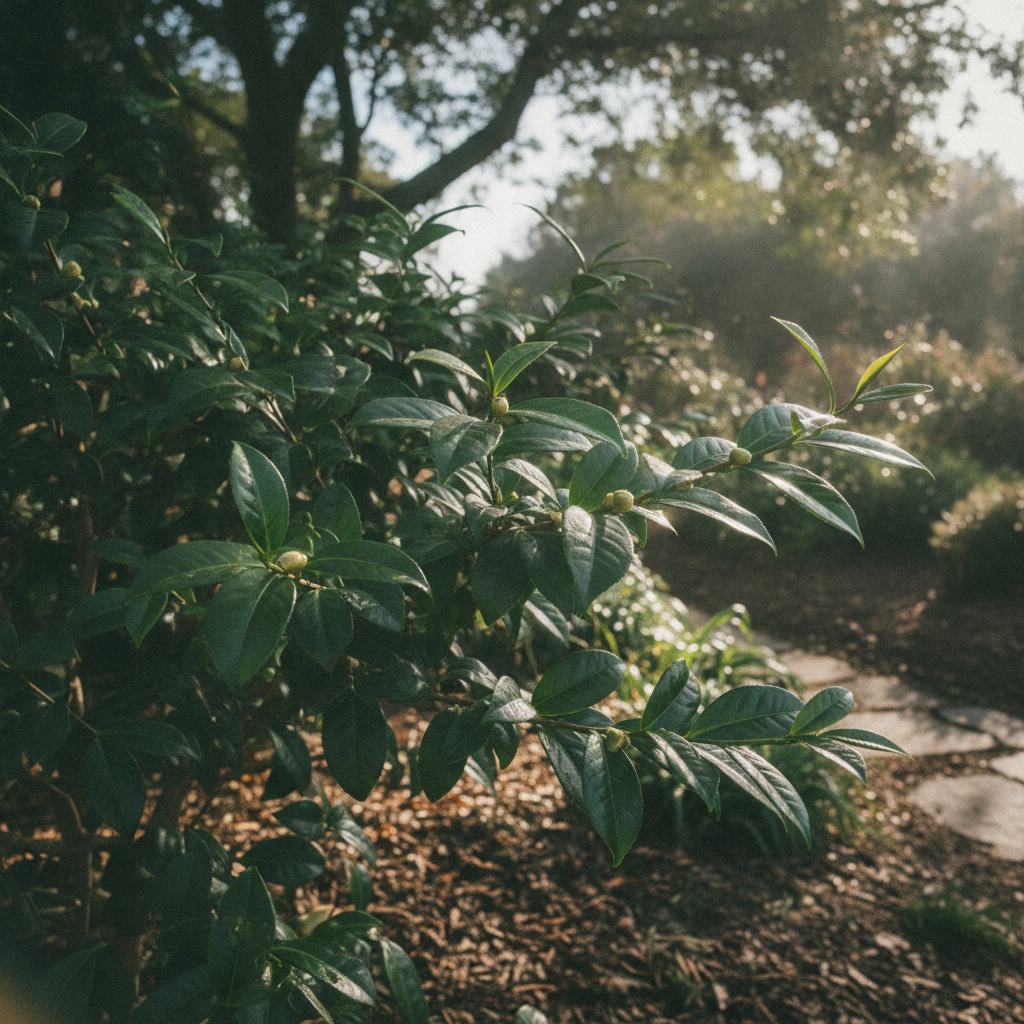

How To Grow Black Tea
Learn how to grow black tea at home: soil, climate, and the five processing steps from fresh leaf to a finished cup of black tea.

Wijsheid is de weg naar betere thee.
Ontvang onze gratis zetgids: het juiste water, de juiste temperatuur en de juiste trektijd voor elke thee die we verkopen. U hoort ook als eerste wanneer nieuwe oogsten binnenkomen.
Geen spam. U kunt zich altijd uitschrijven.
Kijk in uw inbox.
De gids is onderweg.