












Lemon Balm Tea: Citrusy & Fresh
Lemon balm tea tastes nothing like lemon juice. The aroma is bright and citrusy, but the flavour itself is mild, lightly green, and faintly floral, more herbal meadow than sharp citrus. If you are expecting something tart or bold, you will be surprised by how gentle it is. Leaf quality, brewing temperature, and steep time all shift the flavour profile measurably. This guide covers what to expect from lemon balm tea, how preparation affects the cup, and which blends bring out its best side.
The Core Flavour Profile of Lemon Balm Tea
Lemon balm tea has a mild, citrusy, lightly minty flavour with a soft floral finish and a clean, light body. The aroma is noticeably brighter than the taste itself.
The nose hits first: bright, lemony, slightly minty. That citrus lift comes from volatile compounds, citral and citronellal, which are concentrated in the fresh leaf and preserved well in good quality dried herb. Open a bag of well-stored lemon balm and it smells almost like lemon sherbet.
The palate is a different experience. You get soft, mild lemon on the front, a lightly grassy mid-palate, and a clean finish. When brewed correctly, there is no bitterness at all. The body is light and clear, thinner than chamomile, and much lighter than any true tea made from Camellia sinensis. Think of it as a gentle cup rather than a full-bodied one.
Compared to lemon verbena, lemon balm is noticeably softer and less sharp. Compared to lemongrass, it is more floral and less citrus-punch. It sits closest to lemon verbena's gentler, more herbal cousin, which is why people who find lemon verbena too intense often do well with lemon balm.
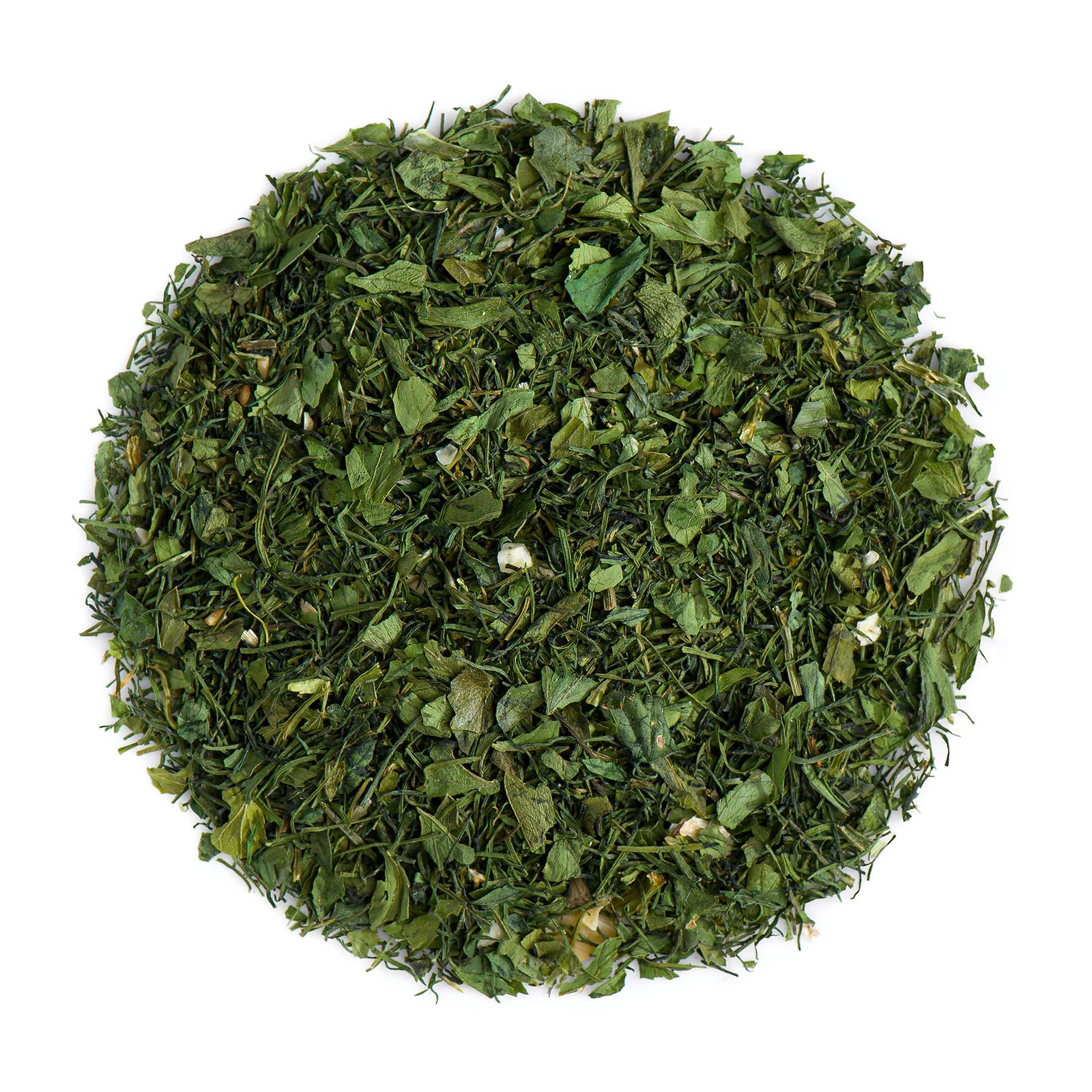
Our lemon balm is Melissa officinalis, certified organic, sourced from Europe. The citral content is what separates a good batch from a dull one. Well-dried, properly stored herb has a vivid aroma that translates directly into the cup.

How Preparation Changes the Taste
Water temperature is the single most important variable when brewing lemon balm. Boiling water destroys citral, and with it the defining lemon character of the herb.
Here is what the same leaf produces at different temperatures and steep times:
- Boiling water (100C): The tea tastes flat, hay-like, and noticeably dull. The lemon note disappears almost entirely. This is the most common mistake people make with herbal teas, and it is why many people think they do not enjoy lemon balm.
- 85C, 5 minutes, covered: This is the target for lemon balm tea. Bright lemon note, clean, fresh, and clearly the flavour described above. Covering the cup while it steeps matters, because volatile aromatics escape with steam if the cup is left open.
- Long steep (10+ minutes at 85C): The cup becomes more bitter and earthy. Some people enjoy this version, as it reads more like a robust herbal infusion and less like a delicate aromatic. But it is a meaningfully different drink.
Because citral is volatile, lemon balm loses its character faster than most dried herbs when stored poorly. Keep it in an airtight tin or sealed bag, away from light and heat. Working with a 12-month window from harvest is the practical limit for clear citrus character. After that, the citral has degraded enough that the cup tastes flat rather than lemon-forward.
Buying in smaller quantities, fresh, is better than buying a large bag and using it over 18 months. A common mistake worth flagging: many people also use too little herb. Lemon balm produces a light infusion and needs around 2-3 grams per 250ml to give a flavour that registers clearly. Using too little herb is the second most common reason the cup disappoints.
Blends That Enhance Lemon Balm's Flavour
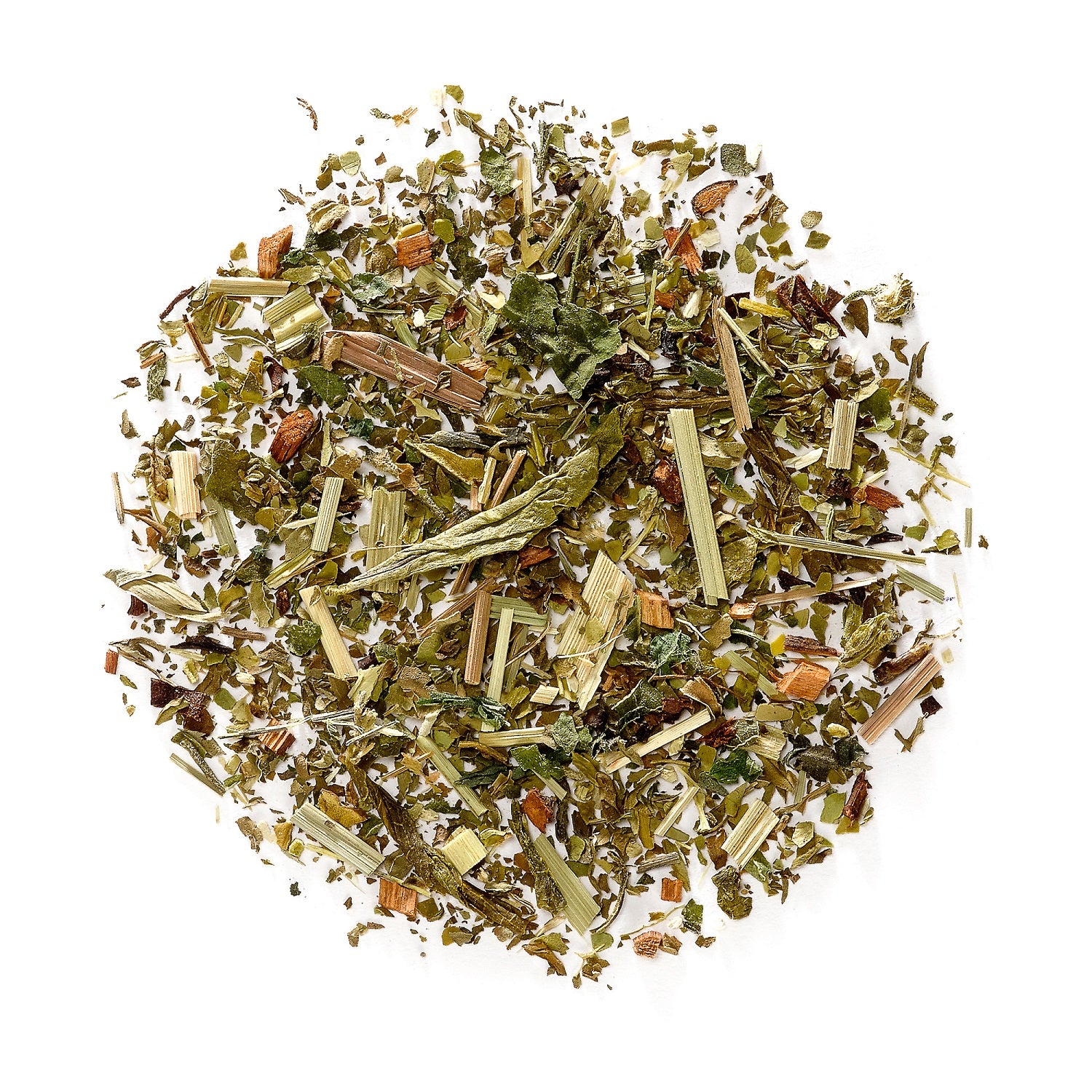
Lemon balm blends well because its mild character complements rather than competes with other herbs. Three combinations work consistently across different palates.
Lemon balm + chamomile (roughly 60/40): This is one of the classic European evening blends, where honey-like sweetness meets citrus in a rounded, easy cup. The chamomile brings a mild apple note and body; lemon balm adds the citrus brightness that stops chamomile from feeling flat. Croatian chamomile works well here: it has more body and a mild earthy undertone that pairs well with something brighter. Egyptian chamomile is more delicate and works better solo.

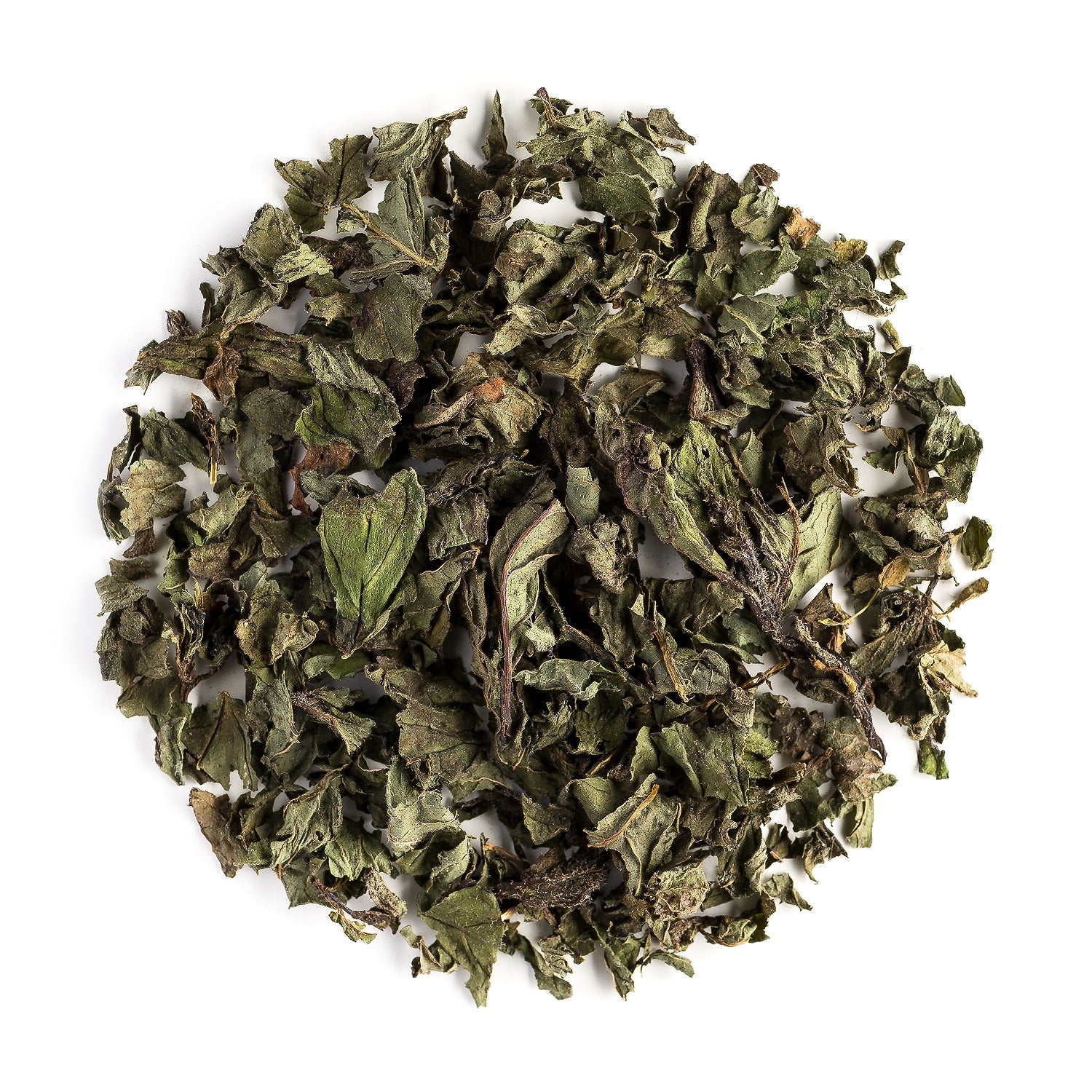
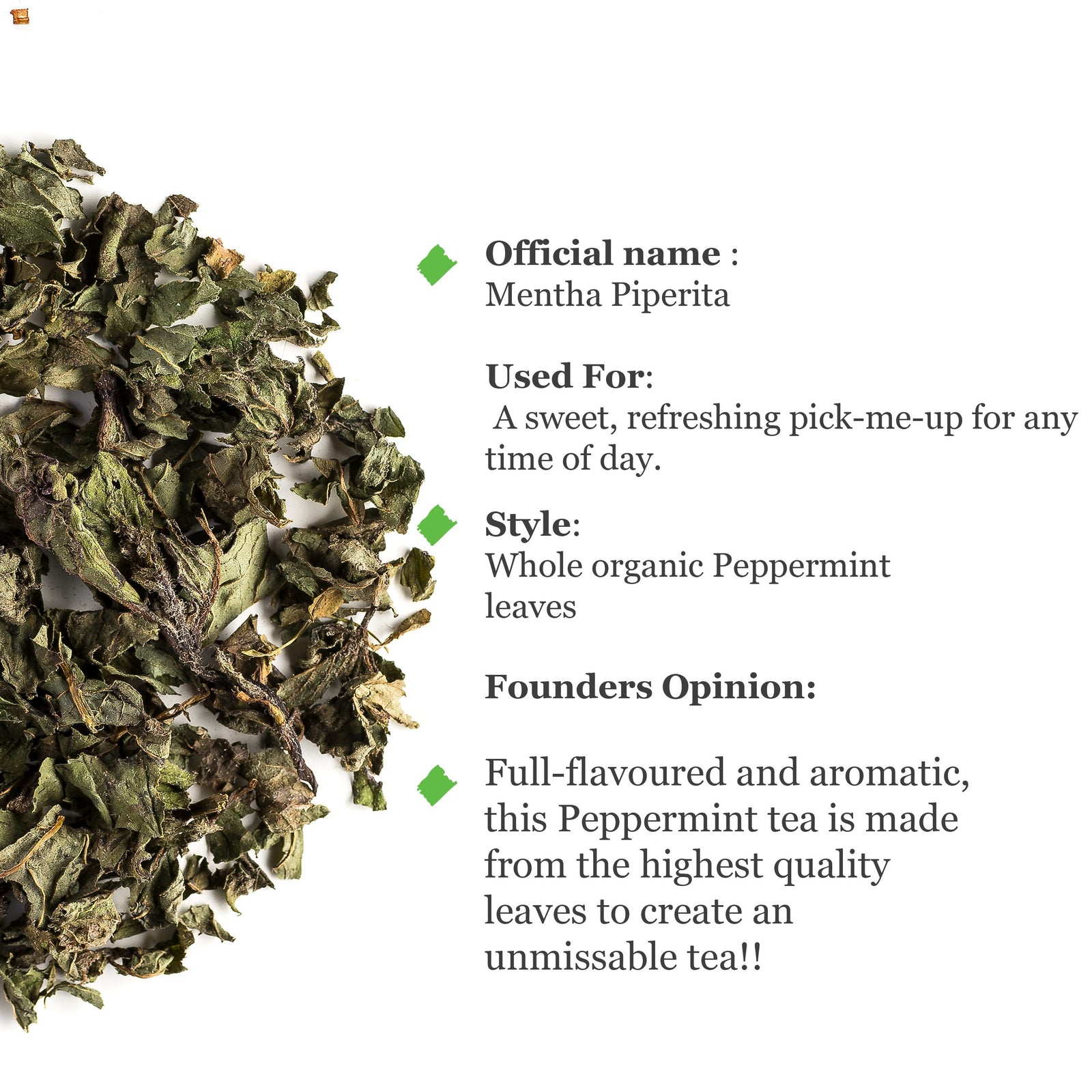
Lemon balm + peppermint (70/30): Mint amplifies the citrus note and adds a cooling lift. The result is brighter and more refreshing than lemon balm alone, a good option for iced tea or warm weather. The mint is present but not overpowering at this ratio, and the lemon balm flavour stays readable.
Lemon balm + ginger (80/20): The citrus-spice contrast is the appeal here. A small amount of dried ginger, around 20% of the blend, adds warmth without taking over. This combination works particularly well in winter and reads as more complex than the solo cup. The citral and ginger's spice sit in different flavour zones and do not cancel each other out.
My own preference is to drink lemon balm solo, particularly in the evening. If I blend, the chamomile combination is my first reach: it adds body without competing with the citrus note. All three ratios are starting points. Adjust by taste after the first brew.
At its best, lemon balm tea is citrusy, soft, and lightly green, mild enough to drink daily, distinctive enough to be worth sourcing carefully. Think of it as lemon verbena's gentler cousin: less sharp, more herbal, quietly pleasant.
The biggest quality gap is between good leaf and poor leaf. Bad quality or overbrewed lemon balm tastes like dried grass. Look for certified organic lemon balm with a clear, strong aroma when you open the bag. If it smells flat before you brew it, that is what you will taste in the cup.
Start at 85C, 5 minutes covered, with a good quality dried leaf. That one variable, temperature, is responsible for more good and bad lemon balm cups than any other factor.

Laat een reactie achter
Reacties worden goedgekeurd voor ze verschijnen.
I18n Error: Missing interpolation value "titel" for "Ook in {{ titel }}"
The Complete Guide to Drinking Tea
What tea is, how the main types differ in the cup, and how to brew each one properly. Water temperature, steeping times, storage and how to get more than one cup from your leaves.
Lees Meer

Black Tea: Types, Processing, and How to Brew It
Black tea is fully oxidized Camellia sinensis. Compare Assam, Darjeeling, Keemun, and Ceylon varieties. Learn processing, brewing, and caffeine levels.

How To Grow Black Tea
Learn how to grow black tea at home: soil, climate, and the five processing steps from fresh leaf to a finished cup of black tea.

Wijsheid is de weg naar betere thee.
Ontvang onze gratis zetgids: het juiste water, de juiste temperatuur en de juiste trektijd voor elke thee die we verkopen. U hoort ook als eerste wanneer nieuwe oogsten binnenkomen.
Geen spam. U kunt zich altijd uitschrijven.
Kijk in uw inbox.
De gids is onderweg.