













Lemon Balm Tea: Brewing Temp & Time
Most people brew lemon balm tea like any other herbal infusion: pour boiling water, wait a few minutes, done. The result is drinkable, but it misses what makes this herb worth buying. Lemon balm's defining character comes from volatile aromatic compounds that evaporate quickly above 90°C. Get the temperature wrong and you lose the citrusy brightness before it ever reaches your cup.
This lemon balm tea brewing guide covers the two variables that matter most: temperature and steep time. Get both right and the difference is immediate.
Why Temperature Matters More Than You Think
Use water between 85-90°C for lemon balm tea. Boiling water drives off the citral and citronellal that give the herb its lemon character. Let freshly boiled water rest for 2-3 minutes before pouring, or set a temperature-controlled kettle to 87°C.
Lemon balm (Melissa officinalis) contains two key aromatic volatiles: citral and citronellal. These are the compounds responsible for the distinctive lemony aroma. They evaporate significantly above 90°C. Brew with water fresh off the boil (100°C) and a meaningful portion of that aroma escapes as steam before it has any chance to infuse.

There is a second compound worth understanding: rosmarinic acid. This is the main phenolic compound in lemon balm and it is considerably more heat-stable than the volatile oils. Rosmarinic acid survives boiling water without major degradation.
Even though the rosmarinic acid holds up, the volatile oil loss still degrades the overall quality of the cup. You end up with a flat, dull infusion that lacks the brightness lemon balm is known for.
The fix is straightforward. Boil your kettle and let the water rest uncovered for 2-3 minutes. That typically drops it to 90-95°C, close enough for most home setups. If you use a temperature-controlled kettle, 87°C is a reliable target that lands in the middle of the optimal range.
I always check the notes on every herb we carry before writing about it. On our lemon balm the observation is direct: "The citral content is what gives it the lemon character; quality drops fast if stored poorly." The same volatile compounds that suffer from boiling water during brewing also degrade during poor storage. If your lemon balm smells faint before it touches water, the aromatic loss already happened upstream.

Steep Time: Finding the Sweet Spot
Steep lemon balm for 4-5 minutes for a light, citrusy cup. Steep 7-8 minutes for a fuller, more herbaceous infusion with more body. Beyond 10 minutes, the profile shifts toward earthy and less pleasant for most drinkers.
Steep time is your main tool for controlling strength once temperature is set. Temperature determines the ceiling for quality; steep time determines where within that range you land.
4-5 minutes produces a light, aromatic infusion. The citrusy notes come forward, the body is thin, and bitterness is low. This is a good starting point if you are new to lemon balm or want a subtle, refreshing cup during the day.
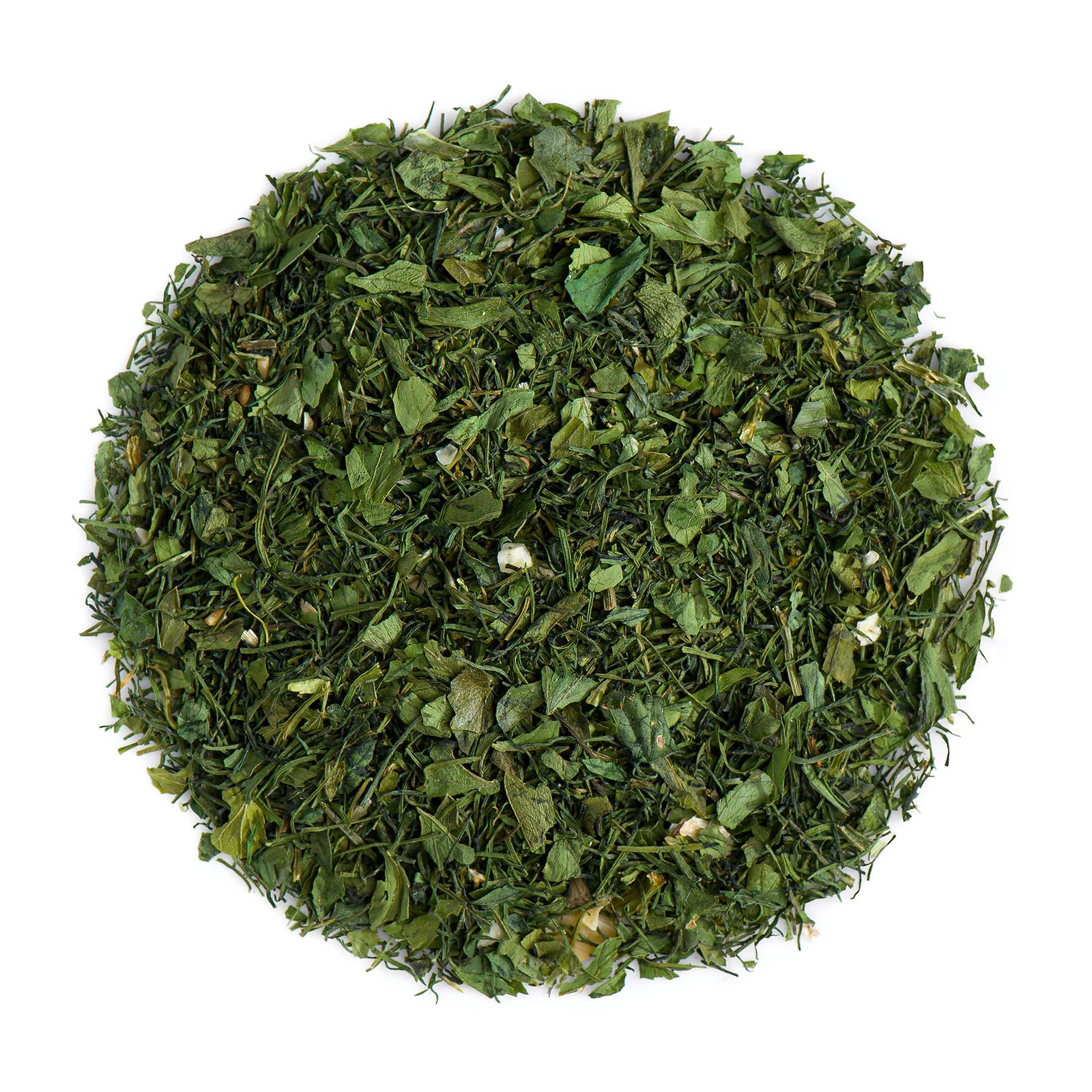
7-8 minutes gives you more body and depth. The herbaceous character develops and the citrus stays present but has more weight behind it. This is the range I would treat as the standard brew for most purposes. We source our lemon balm as a certified organic dried loose leaf, and at 7 minutes it produces a consistent, well-rounded cup.

Over 10 minutes is where some people notice a shift toward an earthy, less appealing profile. Extraction peaks, but the flavour trade-off is not always worth it. If you want a stronger brew, a better approach is to increase your leaf quantity rather than extend the steep past 10 minutes.
One practical detail: brew covered. A lid on your cup or teapot during steeping traps steam and reduces further aromatic loss from the citral and citronellal. It is a small step but it makes a measurable difference with a volatile-rich herb like lemon balm.
Use approximately 1 heaped teaspoon (around 1.5g) of dried lemon balm per 200ml of water as a starting amount. Adjust to taste from there.
My preference runs toward 7 minutes for an evening cup. The additional time adds a little more body and depth that suits the end of the day. For an afternoon brew I keep it to 5 minutes and lean into the brighter, fresher note.

Iced Lemon Balm Tea: Cold Brew vs Hot Brew Chilled
For iced lemon balm tea, cold brew overnight in the fridge gives the smoothest, most lemon-forward result with no bitterness. Hot brew chilled is faster and gives a fuller, more herbaceous cup, but the hot brewing phase causes some aromatic loss.
Cold brew is the better method if flavour clarity is the priority. Use 3 teaspoons of dried lemon balm per 500ml of cold or room-temperature water. Steep in the fridge for 8-12 hours. Because there is no heat involved, the volatile aromatics are preserved almost entirely. The result is smooth, clean, and strongly citrusy.
The lower extraction temperature means you compensate with more leaf and longer time, hence the higher ratio compared to a hot brew.
Hot brew chilled works faster and is more straightforward if you already know the hot method. Brew at 85-90°C for 7-8 minutes covered, let the liquid cool to room temperature, then refrigerate. The flavour has a slightly more layered, herbaceous character than cold brew. The trade-off is that a portion of the citral and citronellal is lost during the hot steeping phase, so the cold-brew version will always be slightly more lemon-forward.

Which you choose depends on what you are after. For a simple, refreshing summer drink where the lemon character should be upfront, cold brew is the cleaner option. For a more layered, herbaceous iced brew, hot brew chilled is the better option.
Both versions benefit from a slice of fresh lemon once chilled, which reinforces the citrus note that cold temperatures can slightly mute.
The Short Version
The most reliable approach for lemon balm tea is 85-90°C water, 7 minutes, covered, with around 1.5g of dried leaf per 200ml. That combination covers most situations and protects the aromatic compounds that define this herb. If you want to adjust strength, change the steep time first. Shorter for a lighter, more citrusy cup; longer for a fuller, more herbaceous infusion. Temperature should stay in the 85-90°C range regardless of how strong you want the brew.
For iced lemon balm tea, cold brew at 3 teaspoons per 500ml for 8-12 hours in the fridge gives you the smoothest result with the least effort. Good lemon balm should smell clearly of lemon before it even touches water. If yours is faint, the aromatic loss happened during storage rather than brewing, and no adjustment to temperature or steep time will bring it back.

Laat een reactie achter
Reacties worden goedgekeurd voor ze verschijnen.
I18n Error: Missing interpolation value "titel" for "Ook in {{ titel }}"
The Complete Guide to Drinking Tea
What tea is, how the main types differ in the cup, and how to brew each one properly. Water temperature, steeping times, storage and how to get more than one cup from your leaves.
Lees Meer

Black Tea: Types, Processing, and How to Brew It
Black tea is fully oxidized Camellia sinensis. Compare Assam, Darjeeling, Keemun, and Ceylon varieties. Learn processing, brewing, and caffeine levels.
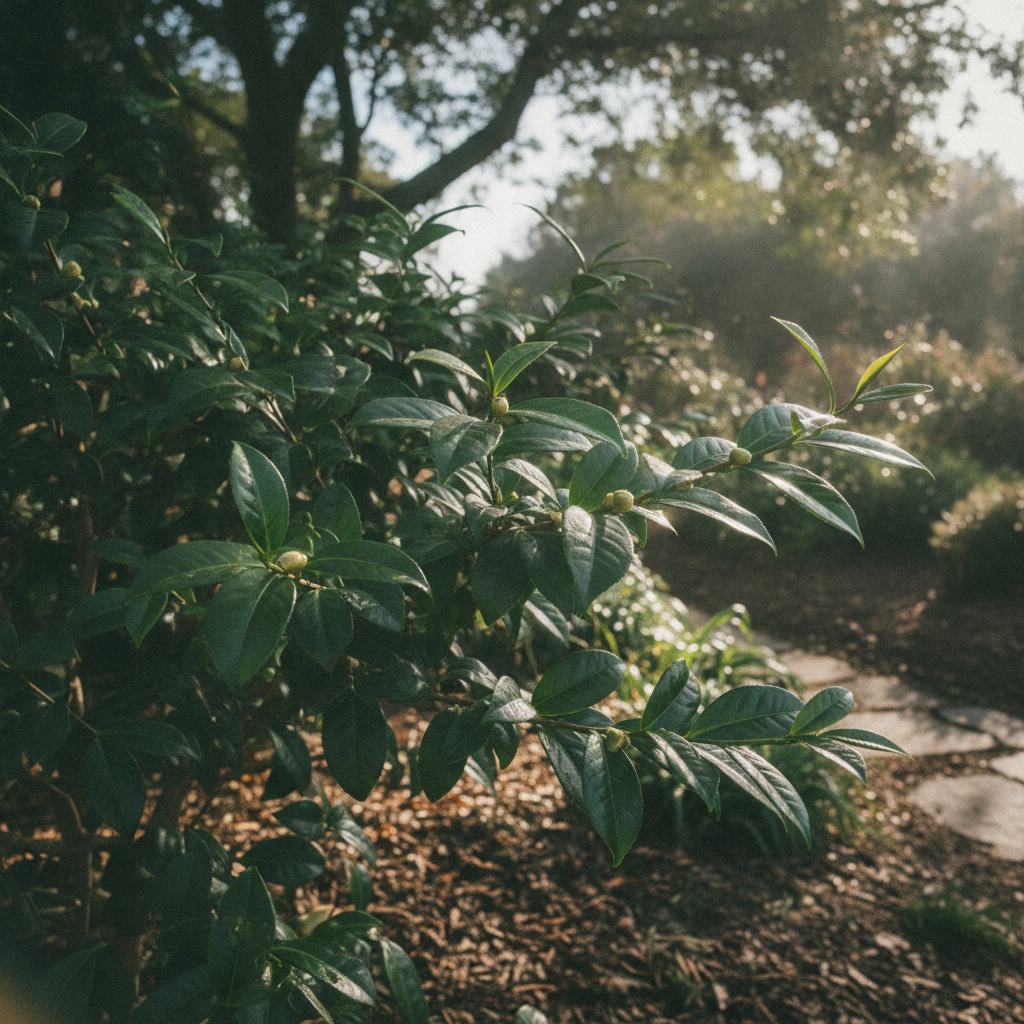

How To Grow Black Tea
Learn how to grow black tea at home: soil, climate, and the five processing steps from fresh leaf to a finished cup of black tea.

Wijsheid is de weg naar betere thee.
Ontvang onze gratis zetgids: het juiste water, de juiste temperatuur en de juiste trektijd voor elke thee die we verkopen. U hoort ook als eerste wanneer nieuwe oogsten binnenkomen.
Geen spam. U kunt zich altijd uitschrijven.
Kijk in uw inbox.
De gids is onderweg.