













Citroenmelisse Thee Zetten
Citroenmelisse thee is een van de eenvoudigste kruidenthees om goed te zetten, en tegelijk een van de makkelijkste om te verpesten. Melissa officinalis wordt al meer dan 2.000 jaar in Europa gekweekt, en de thee blijft de meest directe manier om de aromatische stoffen van de plant dagelijks in je kopje te krijgen.
Wat veel gidsen overslaan: de citrusachtige vluchtige oliën van de plant bereiken hun piek net voor de bloei. Het oogsttijdstip bepaalt wat je daadwerkelijk proeft. Laat geoogst of warm bewaard blad verliest snel zijn citroenkkarakter. Precies daar begint de herkomst er werkelijk toe te doen.
Wat Is Citroenmelisse en Waar Komt Het Vandaan
Citroenmelisse (Melissa officinalis) behoort tot de muntfamilie en is inheems in Zuid-Europa en West-Azië. Tegenwoordig groeit de plant op grote schaal in Oost-Europa en Noord-Afrika, in streken met een klimaat dat zorgt voor hoge dichtheid van vluchtige oliën in het blad.

Drie aromatische verbindingen bepalen wat je in het kopje proeft en ruikt: rosmarijnzuur, citral en citronellal. Citral geeft de thee haar heldere citroenkarakter. Citronellal voegt een licht bloemige, bijna kruidige warmte toe. Rosmarijnzuur draagt bij aan de milde adstringentie die je aan het einde van de slok proeft.
Deze verbindingen verklaren waarom kwaliteit en herkomst zo belangrijk zijn bij citroenmelisse. Citral breekt snel af in slecht gedroogd of oud blad. Ik heb citroenmelisse van verschillende Oost-Europese producenten naast elkaar geproeft, en het verschil tussen vers, correct aan de lucht gedroogd blad en blad dat zes maanden warm is bewaard, is opvallend groot. Het ene ruikt onmiskenbaar naar verse citroen. Het andere ruikt naar hooi.
Wij betrekken onze gedroogde citroenmelisse van gecertificeerd biologische producenten met traceerbare oogstdata. Die traceerbaarheid vertelt ons uit welk groeiseizoen het blad komt en of het oogsttijdstip aansluit bij de periode vlak voor de bloei, wanneer de vluchtige oliën het hoogst geconcentreerd zijn.
Hoe Zet Je Zelf Citroenmelisse Thee
De juiste manier om citroenmelisseblad thee te zetten hangt af van of je vers of gedroogd blad gebruikt. De parameters verschillen, en een verkeerde watertemperatuur is de meest voorkomende reden dat het kopje flauw uitpakt.

Vers blad: Gebruik 6-8 grote blaadjes per 250ml kopje. Kneus ze voorzichtig voor het zetten door ze te vouwen en tussen je vingers te drukken, zodat de celwanden openbreken en de aromatische oliën vrijkomen. Zet 5-7 minuten in water van 80-85°C.
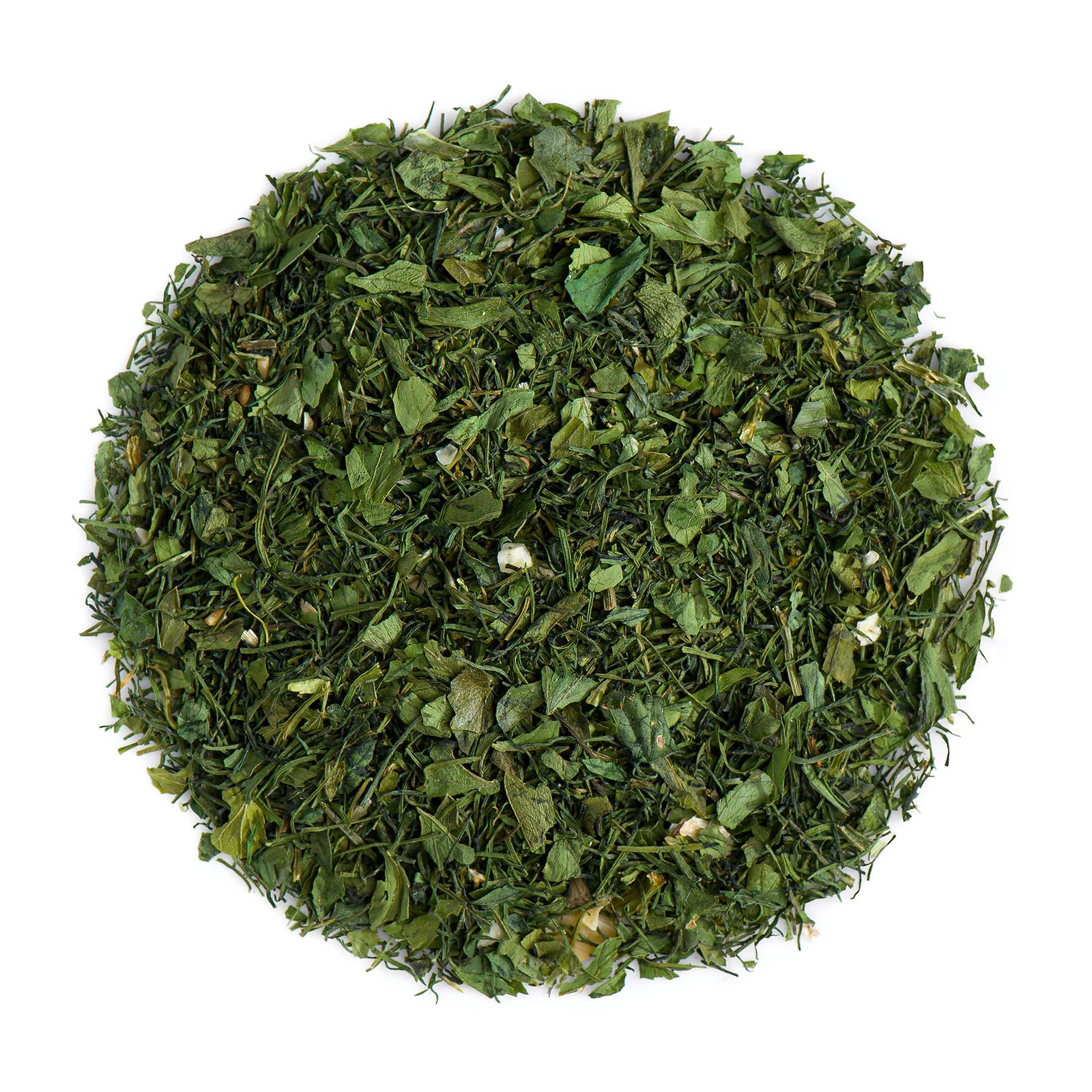
Gedroogd blad: Gebruik 1-2 theelepels per 250ml. De watertemperatuur ligt rond de 90°C, geen volledig kook. Citral en citronellal zijn vluchtige stoffen. Kokend water van 100°C jaagt de aroma's als stoom uit het kopje voordat je het drinkt. Laat 5-8 minuten trekken voor gedroogde citroenmelisse.
Een stap die veel mensen missen: dek het kopje af tijdens het trekken. Een klein bordje of deksel volstaat. De aromatische oliën verdampen boven het wateroppervlak, en zonder afdekking verlies je een aanzienlijk deel van wat citroenmelisse de moeite waard maakt.
Vermijd een trektijd langer dan 8 minuten. Rosmarijnzuur trekt in dat venster prima uit. Daarna kan de thee bitter gaan smaken zonder dat je er meer citroenkarakter voor terugkrijgt.

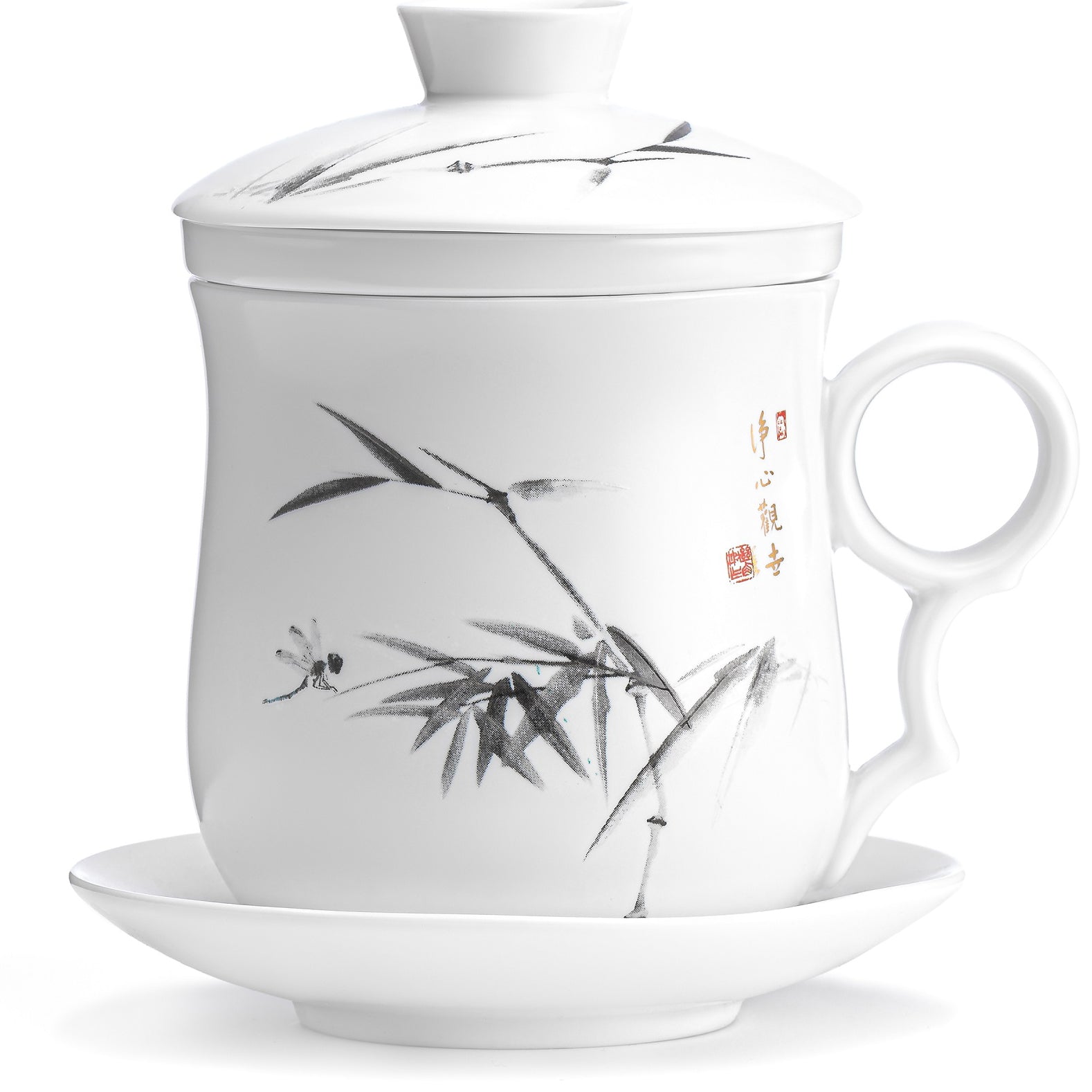
Ik gebruik voor kruiden het liefst een klein theepotje met deksel, en bij citroenmelisse is dat niet anders. Een afgedekt trekje van 5-8 minuten op 90°C met 1-2 theelepels gedroogd blad behoudt wat de plant werkelijk bevat. De citral-aroma's ontsnappen makkelijk met de stoom. Een afgedekt vaatje maakt bij citroenmelisse een merkbaarder verschil dan bij bijna elk ander gedroogd kruid.
Stoffen in Citroenmelisse, Traditie en Voorzorgen
De chemie van citroenmelisse is specifieker dan veel kruidenthee content suggereert. Het loont om het zorgvuldig te lezen in plaats van er losjes over te generaliseren.
Rosmarijnzuur is een polyfenol dat citroenmelisse deelt met rozemarijn, salie en andere kruiden uit de muntfamilie. In citroenmelisse zit het naast citral en citronellal, de stoffen die het aroma dragen. Citral is dezelfde stof die citroengras en citroenschil hun heldere geur geeft. Voor een kop gebruik je 1-2g gedroogd blad, en wij verkopen citroenmelisse om haar smaak en aroma.

In Europese keukens wordt het blad van Melissa officinalis al lang gebruikt in salades, sauzen, likeuren en koude zomerdranken. De plant werd eeuwenlang gekweekt in Europese klooster- en kruidentuinen, en vandaag wordt het blad, vers of gedroogd, als kruidenthee gezet.
Citroenmelisse thee is geen behandeling voor welke aandoening dan ook. Gebruik je kalmerende medicatie of schildkliermedicatie, overleg dan met een arts voordat je er een dagelijkse gewoonte van maakt. In de onderzoeksliteratuur zijn bepaalde interacties opgemerkt.
Vers Versus Gedroogd Citroenmelisse: Wat Geeft de Betere Thee
Vers citroenmelisseblad heeft sterker aroma. Snijd een takje vlak voor de bloei en de vluchtige oliën zitten op hun hoogtepunt. Het probleem is dat dit venster kort is. Vers blad gaat binnen enkele uren na de oogst achteruit: de oliën oxideren, de citroengeur verzacht, en wat helder en scherp was, wordt dof. Tenzij je zelf kweekt en meteen zet, is vers blad lastig te vertrouwen voor een consistent resultaat.
Gedroogd blad van goede kwaliteit is consistenter. Aan de lucht gedroogd blad, bewaard in een afgesloten pot uit het licht en de warmte, behoudt ongeveer 60-70% van zijn vluchtige oliegehalte vergeleken met net geoogst blad. Dat is genoeg voor een duidelijk citrusachtig, aromatisch kopje, mits het blad niet al oud was toen je het kocht en sindsdien correct is bewaard.

Citroenmelisse is een van onze veelzijdigste kruiden. Het werkt goed puur of in blends. Het citralgehalte geeft het zijn citroenkarakter, en de kwaliteit daalt snel bij slechte bewaring. Ruikt het gedroogde blad dat je hebt niet sterk naar citroen wanneer je het blik opent, dan heeft het al verloren wat het de moeite waard maakt.
Voor dagelijks gebruik biedt gedroogd biologisch citroenmelisseblad uit een traceerbare bron meer consistentie dan vertrouwen op vers blad uit eigen tuin. Zelf kweken geeft het meest verse blad op het hoogtepunt van het seizoen, maar de aanvoer is onregelmatig en tijdgebonden. Goed gekozen gedroogd blad dekt de rest van het jaar zonder in te leveren op smaak.
Conclusie
Het allerbelangrijkste bij het zetten van citroenmelisse thee is het kopje afdekken. De vluchtige oliën die Melissa officinalis thee bepalen, verdampen boven de waterlijn. Een afgedekt trekje van 5-8 minuten op 90°C met 1-2 theelepels gedroogd blad behoudt wat de plant werkelijk bevat.
Het tweede punt is aandacht besteden aan waar het blad vandaan komt en wanneer het is geoogst. Goed gedroogde, correct bewaarde citroenmelisse behoudt het meeste van wat haar onderscheidend maakt. Een oude of slecht bewaarde variant doet dat niet, ongeacht het etiket. Herkomst telt zwaarder dan merk. Wil je beginnen met blad waarvan we de geschiedenis kennen, onze gecertificeerd biologische citroenmelisse is los verkrijgbaar in de winkel.

Gerelateerde Artikelen
Laat een reactie achter
Reacties worden goedgekeurd voor ze verschijnen.
I18n Error: Missing interpolation value "titel" for "Ook in {{ titel }}"
The Complete Guide to Drinking Tea
What tea is, how the main types differ in the cup, and how to brew each one properly. Water temperature, steeping times, storage and how to get more than one cup from your leaves.
Lees Meer


Black Tea: Types, Processing, and How to Brew It
Black tea is fully oxidized Camellia sinensis. Compare Assam, Darjeeling, Keemun, and Ceylon varieties. Learn processing, brewing, and caffeine levels.

How To Grow Black Tea
Learn how to grow black tea at home: soil, climate, and the five processing steps from fresh leaf to a finished cup of black tea.

Wijsheid is de weg naar betere thee.
Ontvang onze gratis zetgids: het juiste water, de juiste temperatuur en de juiste trektijd voor elke thee die we verkopen. U hoort ook als eerste wanneer nieuwe oogsten binnenkomen.
Geen spam. U kunt zich altijd uitschrijven.
Kijk in uw inbox.
De gids is onderweg.