













How to Brew Mullein Tea
Most herbal teas are forgiving. Mullein (Verbascum thapsus) is not, not because it is difficult to brew, but because it has one requirement that almost every other leaf skips entirely: fine straining to remove the tiny surface hairs called trichomes. Get that step right and you have a smooth, mild, slightly earthy cup. Miss it and the hairs end up in the liquid, causing a scratchy, irritating sensation in the throat. This guide on how to brew mullein tea puts that step front and centre.
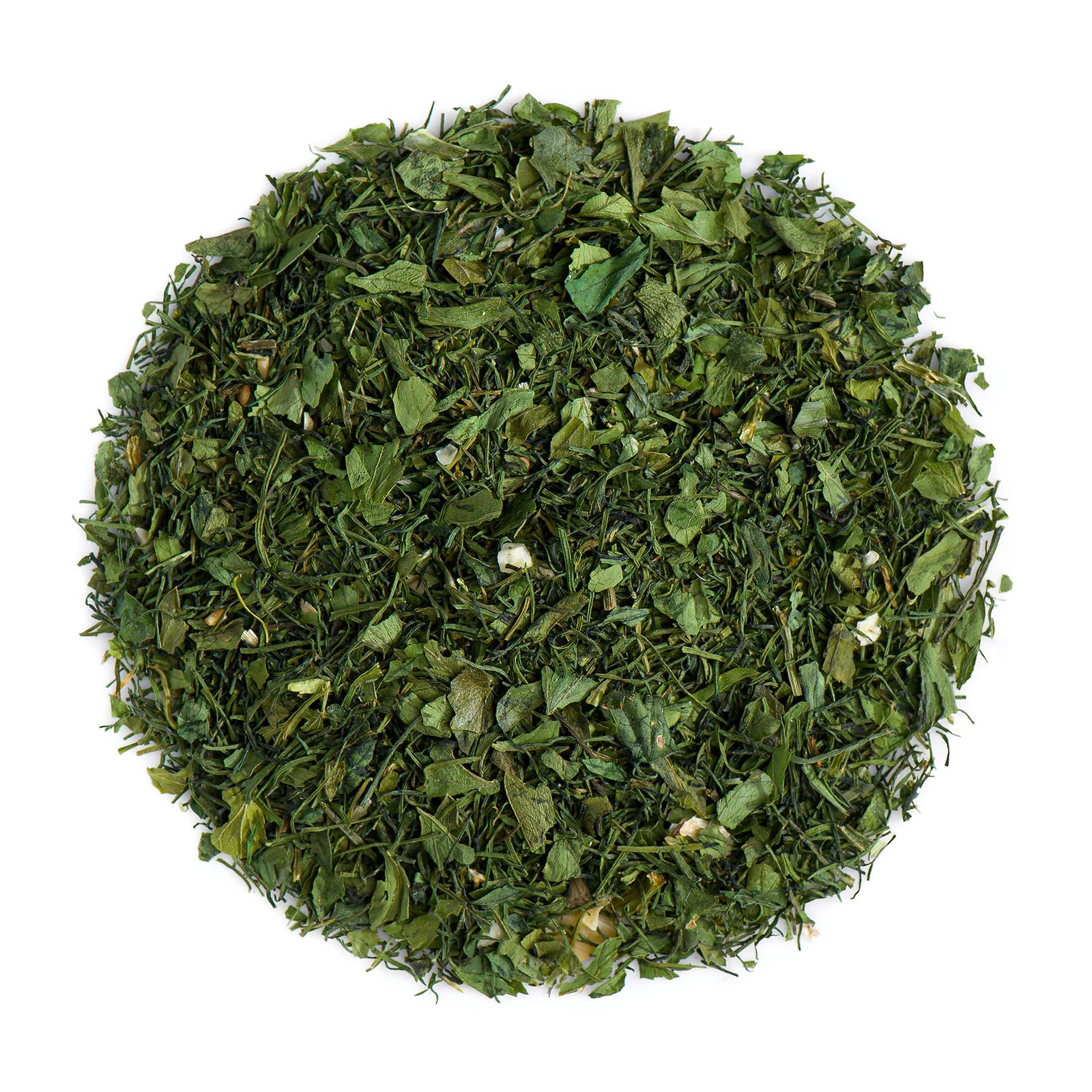
We source our mullein leaf from Bulgaria, dried and cut from organic-quality farms where the harvest and drying are handled with care. The trichome question comes up every time a customer tries it for the first time. The answer is always the same: double-strain, without exception.
What You Need Before You Start
Before you steep mullein tea, have the right equipment ready. The leaf itself is simple. The straining setup is where most people go wrong.
Ingredients:
- Dried mullein leaf: 1-2 teaspoons per 250 ml of water
- Fresh cold water, filtered if your tap water carries a strong chlorine taste
Equipment:
- A kettle
- A heatproof mug, jug, or small teapot with a lid (or a plate to cover with)
- A fine mesh strainer for the first pass
- A paper coffee filter or double layer of cheesecloth for the second pass
- A second mug or jug to strain into
Why you cannot use a standard infuser ball:

Metal infuser balls have holes that are far too large to catch mullein's fine trichomes. Even if the visible leaf material stays inside the ball, the microscopic hairs pass straight through into your cup. Leave the infuser ball for teas that need it and use a strainer plus filter combination for mullein.
On leaf quantity: 1 teaspoon per 250 ml brews mild and approachable. 2 teaspoons gives more body and a slightly more pronounced earthy character. If you are new to mullein, start at 1 teaspoon and adjust once you know what the herb tastes like.
Step-by-Step Brewing Instructions
To brew mullein tea: bring water to a full boil at 95-100°C, add 1-2 tsp dried leaf per 250 ml to a covered vessel, steep for 10-15 minutes, then strain twice, first through a fine mesh strainer, then through a paper coffee filter or cheesecloth. Ten minutes gives a mellow cup; fifteen gives more strength.
Here is the full mullein tea brewing guide in order:
Step 1 - Boil the water fully
Mullein is a robust dried herb and needs 95-100°C, a full, rolling boil. Unlike delicate green or white teas where lower temperatures protect the leaf, mullein benefits from the heat to extract its flavour compounds properly. Water at 70°C will not do the job.
Step 2 - Measure your leaf

Add 1-2 teaspoons of dried mullein leaf to a heatproof jug, small teapot, or directly into your mug. Loose leaf in an open vessel works better than any enclosed infuser for this herb. You are straining after steeping anyway, so there is no reason to restrict the leaf during extraction.
Step 3 - Pour and cover immediately
Pour the boiling water over the leaf and cover the vessel straight away with a lid or a plate. Covering keeps the temperature stable and prevents volatile aromatic compounds from escaping with the steam during the steep.
Step 4 - Steep for 10-15 minutes
Set a timer. Ten minutes produces a mild, soft, lightly earthy brew. Fifteen minutes gives more body and strength. Steeping longer only makes the brew stronger in flavour.
What does produce a poor result is stopping at 4-5 minutes, which is a natural instinct if you are used to brewing green tea. Mullein releases slowly. Give it the full time.
Step 5 - First strain through fine mesh

Pour the steeped tea through a fine mesh strainer into a second mug or jug. This removes the bulk of the leaf material.
Step 6 - Second strain through a coffee filter
This is the step most guides skip, and skipping it is why so many people have a bad first experience with mullein. Place a paper coffee filter over your final mug and pour the already-strained tea through it. This catches the fine trichomes that passed through the mesh.
If you do not have a coffee filter, a double layer of cheesecloth or a clean cotton cloth folded twice will work equally well. Do not skip this pass.
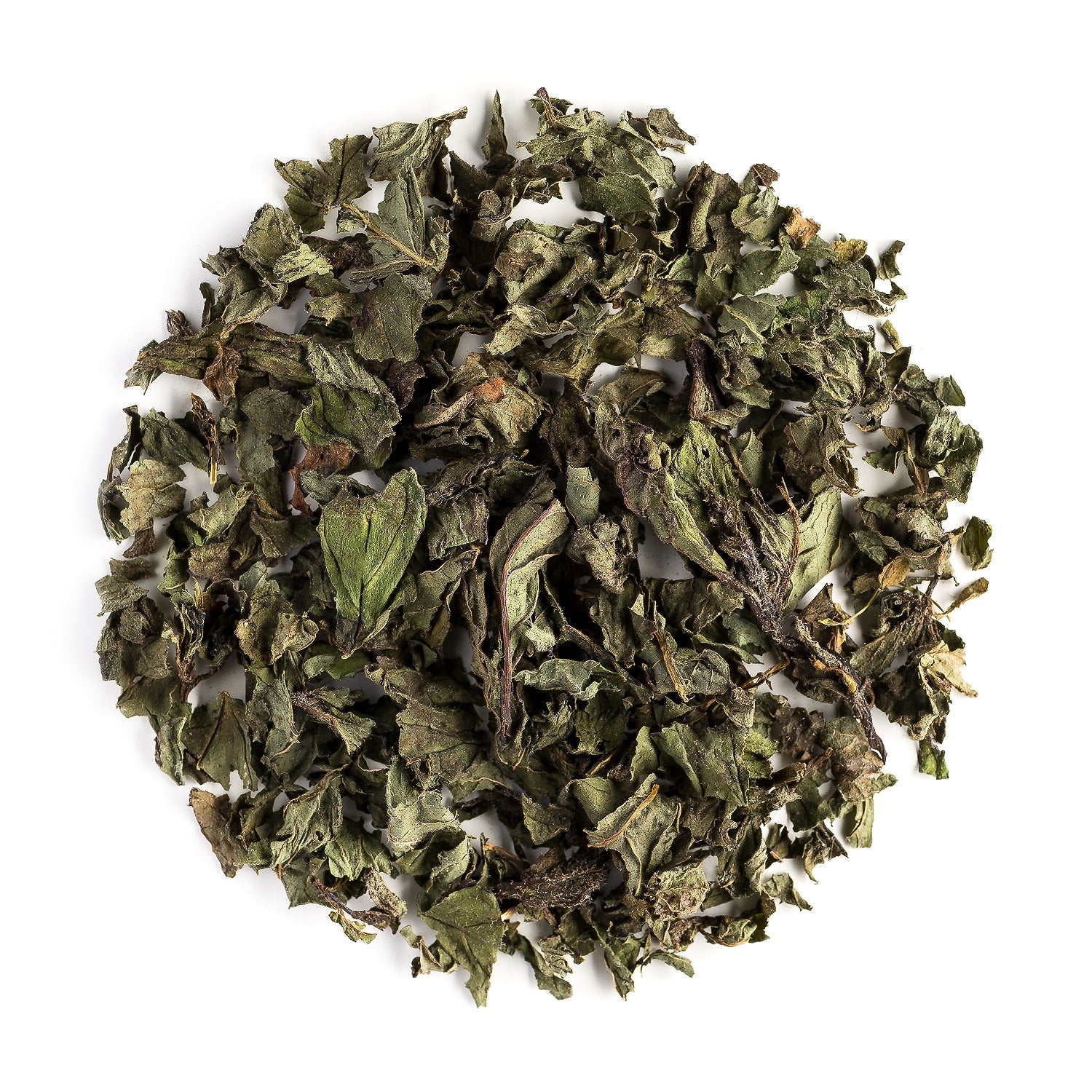
The tea is now ready. With leaf, expect an earthy, green, slightly spicy character, mild and neutral compared to black or green tea, with none of the sharpness. It takes honey or lemon well if you prefer it less plain. If you are using mullein flowers rather than leaf, the cup is noticeably sweeter and more delicate, with a lasting flowery aroma.
I first came across mullein as a teenager and never forgot that flavour. It was my usual cup through a lot of long study sessions. There is something about the earthy, spicy depth of the leaf that is unlike most Western herbs.

If you want to try a completely different expression of the same plant, cold-brewed mullein is worth the effort: lighter, smoother, and more balanced than the hot version, without any of the intensity that can feel overwhelming at first. To cold-brew, use the same 1-2 tsp per 250 ml, steep in cold water overnight in the fridge, then strain twice the same way.
Common Mistakes and How to Fix Them
The three most common errors when brewing mullein tea are: skipping the fine strain (causes throat irritation), under-steeping (produces a weak, flavourless cup), and cracking a cold clay pot with boiling water. All three are fixable once you know what to watch for.
Skipping or shortcutting the fine strain
Trichomes that end up in the cup cause a scratchy, irritating sensation in the throat. If you experience that after your first brew, the fix is straightforward: double-strain every batch without exception. A paper coffee filter takes under a minute and makes the difference completely. The mesh strainer alone is not sufficient for mullein, regardless of how fine it is.
Under-steeping
A 5-minute steep produces pale, thin water that carries almost none of mullein's herbal character. People who try this once and conclude the herb has no flavour are usually measuring from a steep that was too short. Set a timer and leave the vessel covered for the full 10-15 minutes. If you want to steep mullein tea with more body, go to 15 minutes rather than adding more leaf.
Pouring boiling water into a cold clay vessel

Thermal shock can crack unglazed clay teapots. If you are using one, pre-warm it first by rinsing it with hot water from the tap, then discarding that water before adding the leaf and boiling water. Glazed ceramic and glass are generally more forgiving, but the pre-warming habit is worth keeping for any vessel you value.
Using old or poorly stored leaf
Dried mullein leaf that has been sitting in a clear container in sunlight loses its character quickly. Store dried herbs in a sealed, opaque container away from heat and light.
When sourcing mullein, I ask the supplier when it was harvested and how it was dried. The Bulgarian farms we work with can answer both questions in detail, which is part of why the leaf arrives in good condition. A supplier who cannot tell you when their herb was harvested is usually not one who handled the whole process carefully.
Brew It Once, Brew It Right
The single most important takeaway from this mullein tea brewing guide: double-strain every time. Water temperature, steeping time, and leaf quantity are all adjustable to taste. The trichome straining is not optional if you want a smooth cup.
We source from Bulgaria specifically because the organic quality there is consistent and the farmers handle the process from field to dried leaf with care. Well-dried mullein produces a more consistent brew and requires less extra filtering than old or carelessly processed leaf. If you are working with a new batch, brew a test cup at 10 minutes before committing to the longer steep.
Start with 1 teaspoon, steep covered for 10 minutes, strain twice. That is the baseline for how to brew mullein tea correctly. Adjust from there once you know what the herb tastes like.

Laat een reactie achter
Reacties worden goedgekeurd voor ze verschijnen.
I18n Error: Missing interpolation value "titel" for "Ook in {{ titel }}"
The Complete Guide to Drinking Tea
What tea is, how the main types differ in the cup, and how to brew each one properly. Water temperature, steeping times, storage and how to get more than one cup from your leaves.
Lees Meer
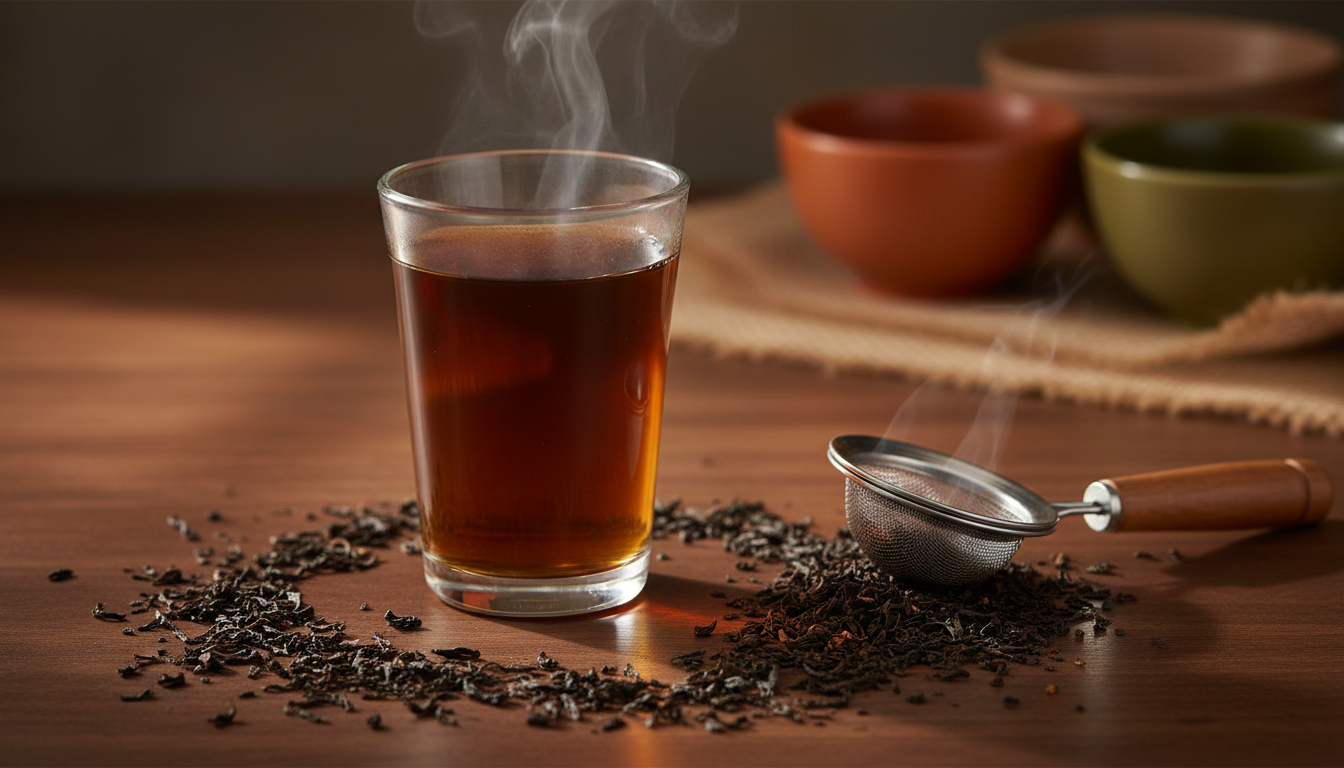

Black Tea: Types, Processing, and How to Brew It
Black tea is fully oxidized Camellia sinensis. Compare Assam, Darjeeling, Keemun, and Ceylon varieties. Learn processing, brewing, and caffeine levels.
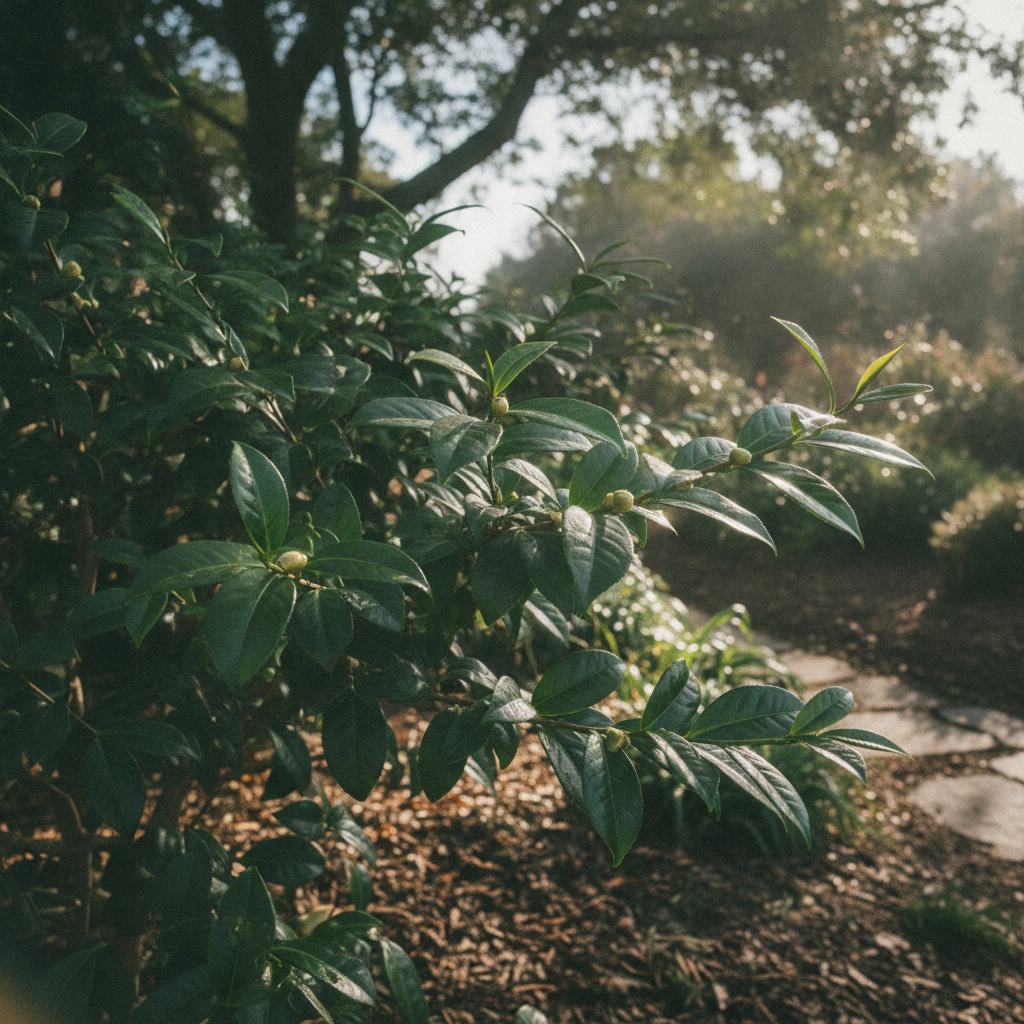

How To Grow Black Tea
Learn how to grow black tea at home: soil, climate, and the five processing steps from fresh leaf to a finished cup of black tea.

Wijsheid is de weg naar betere thee.
Ontvang onze gratis zetgids: het juiste water, de juiste temperatuur en de juiste trektijd voor elke thee die we verkopen. U hoort ook als eerste wanneer nieuwe oogsten binnenkomen.
Geen spam. U kunt zich altijd uitschrijven.
Kijk in uw inbox.
De gids is onderweg.