













Hibiscusthee: Vragen, Antwoorden en Alles Ertussenin
Hibiscusthee: Vragen, Antwoorden en Alles Ertussenin
Hibiscusthee roept meer vragen op dan bijna elke andere kruidenthee. Mensen vragen naar de veiligheid voor de eerste kop, naar de smaak erna, en naar de bewaring zodra er een zakje in de kast staat. Deze pagina brengt de meest gestelde vragen over hibiscusthee samen op één plek, met directe antwoorden waar je meteen iets mee kunt.
Waarvan Is Hibiscusthee Gemaakt
Hibiscusthee wordt gemaakt van de gedroogde kelken van Hibiscus sabdariffa - het vlezige, peulvormige omhulsel dat rond het zaad groeit nadat de bloem is afgevallen. De meeste mensen denken dat het van gedroogde bloemblaadjes komt. Dat is niet zo. De kelk is het deel met de smaak en de kleur, en bevat een hoge concentratie anthocyanen die een goede hibiscusthee haar diepe robijnrode kleur geven.
De beste productieregio's zijn Soedan, Egypte en Mexico. Soedan is mijn maatstaf voor kleurdiepte en zuivere frisheid. De boerderijen in de Nijlvallei leveren de meest consistente kelken: diep bordeauxrood, zuiver zuur, geen bijsmaken. Egyptische hibiscus is ook uitstekend, maar de anthocyaanconcentratie ligt iets lager en de zuurheid is iets zachter. Thaise en Indiase hibiscus heeft een houtige, aardse ondertoon die niet goed werkt in een pure trek, maar prima is in blends.
Voor Valley of Tea betrek ik mijn hibiscus uit Egypte. Daar heb ik de langste relatie met leveranciers, en de kwaliteit is jaar na jaar betrouwbaar. Als je losse hibiscusthee koopt, kijk dan naar een vermelde herkomst op het etiket. Een onbekende herkomst wijst meestal op een gemengd product van commodity-kwaliteit.
Het formaat bepaalt wat er in je kop terechtkomt. Hele gedroogde kelken geven de beste extractie: volle kleur, volle smaak, niets verloren tijdens verwerking. Gesneden en gezeefde hibiscus trekt sneller, maar kan een iets troebeler kopje opleveren. Poedervormige hibiscus is het best geschikt voor gebruik in de keuken. Voor een echte hibiscusthee zijn hele of gesneden kelken het juiste startpunt.

Is Hibiscusthee Veilig
Voor gezonde volwassenen is 1 tot 3 kopjes per dag een redelijke hoeveelheid. De zorgen die wel bestaan zijn specifiek en de moeite waard om te kennen.

Zwangerschap. Hibiscus wordt van oudsher vermeden door zwangere vrouwen. Het wordt tijdens de zwangerschap in geen enige hoeveelheid aanbevolen.
Bloeddrukmedicatie. Hibiscus kan een wisselwerking hebben met sommige geneesmiddelen op voorschrift, waaronder bloeddrukmedicatie. Als je al bloeddrukverlagende medicatie gebruikt, kan dagelijkse hibiscus de werking van die behandeling beïnvloeden. Overleg met je arts voordat je hibiscus een vaste gewoonte maakt.
Chloroquine. Sommig onderzoek suggereert dat hibiscus de opname van chloroquine, een antimalariamiddel, kan verminderen. Mensen die chloroquine gebruiken, kunnen hibiscusthee beter vermijden, of de inname enkele uren scheiden van de medicatie.
Kinderen. Vanaf 3 jaar geef je hibiscusthee alleen verdund en in kleine hoeveelheden. Onder de 2 jaar is water de geschikte drank. Voor kinderen tussen 2 en 3 jaar is de voorzichtige aanpak om eerst met een arts te bespreken.

Voor iedereen daarbuiten geldt: 1 tot 3 kopjes per dag is een redelijke hoeveelheid.
Hoe Maak Je Hibiscusthee Lekkerder
Het eerste kopje verrast veel mensen. Hibiscusthee is scherp: cranberry-zuur, met een volle zoetzure smaak die intens kan aanvoelen. De smaak past zich aan zodra je de variabelen kent.
Als het te zuur is: verkort de trektijd naar 3 tot 4 minuten in plaats van de gebruikelijke 5 tot 7. Koud zetten verzacht de zuurheid van nature. Laat hele kelken 6 tot 8 uur trekken in koud water in de koelkast en je krijgt een merkbaar ronder, iets zoeter resultaat. Honing na het zeven verhoogt de zoetheid zonder het profiel plat te maken.

Voor meer complexiteit: voeg een klein stukje kaneelstok, een paar plakjes verse gember of een steranijs toe naast de kelken tijdens het trekken. Kaneel voegt warmte toe en overbrugt de zuurheid. Gember geeft een pittige rand. Steranijs draagt een subtiele zoethoutnoot bij. Eén kleine kaneelstok of een paar dunne plakjes gember volstaat voor een standaard kopje van 250 ml.
Als de kleur zwak is: is de meest voorkomende oorzaak de watertemperatuur. Hibiscus heeft water nodig op of dicht bij het kookpunt (minimaal 95°C) om de anthocyanen te onttrekken. In een gebied met hard water kun je na het zeven een klein scheutje citroensap toevoegen: de zuurgraad verschuift de pH en versterkt de rode tint. Het gebruik van hele kelken in plaats van fijngemalen zakjes maakt ook een zichtbaar kleurverschil.
Vragen over Bewaren en Kopen
Hoe lang blijven gedroogde kelken goed. In een afgesloten, luchtdichte verpakking, bewaard uit licht en warmte, behouden hele hibiscuskelken hun kwaliteit gedurende 12 tot 18 maanden. Daarna vervagen kleur en zuurheid. Ze worden niet onveilig, alleen merkbaar minder levendig. Hersluitbare zakjes in een koele keukenkast werken prima.

Hoeveel moet ik kopen. 100 g hele kelken levert ongeveer 20 standaardkopjes op, uitgaande van 5 g per kopje. Voor één kopje per dag is 100 g per maand een verstandige hoeveelheid. Als je het seizoensgebonden of een paar keer per week drinkt, gaat 100 g aanzienlijk langer mee.
Waarom is sommige hibiscusthee duur. Hoogwaardige, hele-kelk, single-origin hibiscus kost meer dan massaal geproduceerde blend-zakjes. Single-origin hele kelken worden met meer zorg gesorteerd en gedroogd. Het smaakverschil is reëel en direct merkbaar wanneer je ze naast elkaar proeft.
Mijn algemene advies bij het kopen van elke ambachtelijke thee: stel een vraag voordat je koopt. Als de verkoper een zorgvuldig, gedetailleerd antwoord geeft, is dat meestal een teken dat diezelfde zorg ook in de inkoop is gestoken.
De Korte Versie
Hibiscusthee is eenvoudig zodra je de basis begrijpt. Koop hele kelken met een vermelde herkomst (Soedan, Egypte of Mexico), zet met water van 95°C of hoger, en pas de trektijd aan om de zuurheid te sturen. De aandachtspunten rond zwangerschap, medicatie en kinderen staan hierboven. Als je naar een hibiscusthee kijkt en de herkomst niet op het etiket staat, is dat de eerste vraag die de moeite waard is.

Gerelateerde Artikelen
Laat een reactie achter
Reacties worden goedgekeurd voor ze verschijnen.
I18n Error: Missing interpolation value "titel" for "Ook in {{ titel }}"
The Complete Guide to Drinking Tea
What tea is, how the main types differ in the cup, and how to brew each one properly. Water temperature, steeping times, storage and how to get more than one cup from your leaves.
Lees Meer
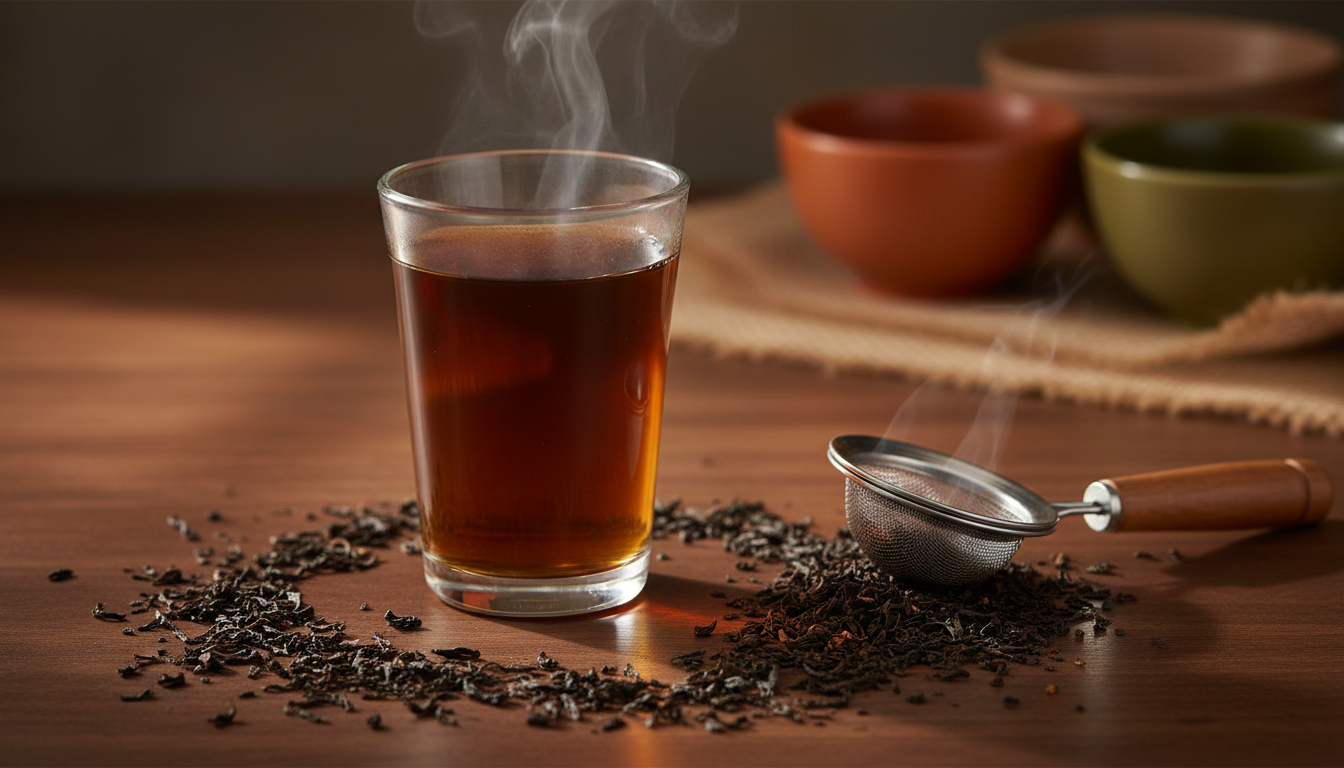

Black Tea: Types, Processing, and How to Brew It
Black tea is fully oxidized Camellia sinensis. Compare Assam, Darjeeling, Keemun, and Ceylon varieties. Learn processing, brewing, and caffeine levels.
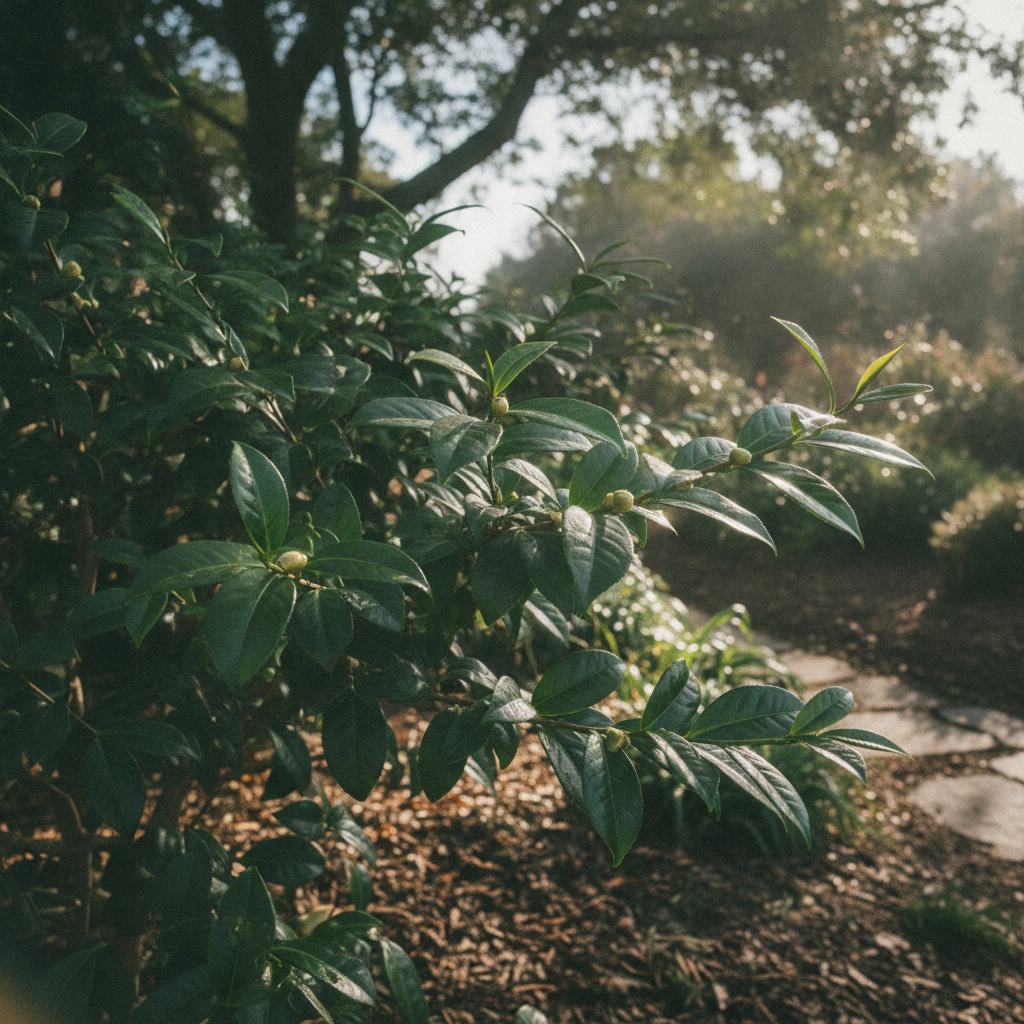

How To Grow Black Tea
Learn how to grow black tea at home: soil, climate, and the five processing steps from fresh leaf to a finished cup of black tea.

Wijsheid is de weg naar betere thee.
Ontvang onze gratis zetgids: het juiste water, de juiste temperatuur en de juiste trektijd voor elke thee die we verkopen. U hoort ook als eerste wanneer nieuwe oogsten binnenkomen.
Geen spam. U kunt zich altijd uitschrijven.
Kijk in uw inbox.
De gids is onderweg.