













Hoe Smaakt Earl Grey Thee? Citrus en Zacht
Hoe smaakt Earl Grey thee echt?
Earl Grey dankt zijn smaak aan twee dingen: een zwarte thee basis en bergamotolie. De bergamot is wat Earl Grey herkenbaar maakt. Het is een citrusolie die geperst wordt uit de schil van bergamotsinaasappels, die bijna uitsluitend groeien in Calabrië, in de punt van de Italiaanse laars.
Het eerste wat je opvalt is het aroma. Nog voor het kopje je lippen raakt, komt de bergamot al naar voren: fris, licht bloemig, met een citrusscherpte die tussen citroen en grapefruit in zit maar geen van beide is. Het is echt een eigen smaak.
Op de tong begint een goed gemaakte Earl Grey zacht. De zwarte thee basis zorgt voor body en een lichte mouttoon. Dan komt de bergamot, niet overheersend, maar wel duidelijk aanwezig. De citrus en de thee moeten in balans zijn, elk ondersteunend aan de ander in plaats van concurrerend. Een schone afdronk met een subtiele bloemige nasmaak is het teken van goede bergamot en goede thee die samenwerken.
Waar komt bergamot vandaan en waarom is dat belangrijk?
Calabrië, in Zuid-Italië, produceert het overgrote deel van de wereldwijde bergamot. De combinatie van klimaat, bodem en het specifieke microklimaat langs de Ionische en Tyrreense kust levert een bergamotsinaasappel op die aromatischer is dan varianten die elders geteeld worden. De meeste serieuze producenten van Earl Grey betrekken hun bergamotolie rechtstreeks uit deze regio.
De olie wordt koud geperst uit de verse schil, meestal tussen november en februari wanneer de vrucht rijp is. Koud persen behoudt het volledige aromaprofiel: de scherpe topnoten, de bloemige middennoten en de licht kruidige basis die goede Earl Grey zijn diepgang geeft. Dit is natuurlijke bergamotolie, en die is merkbaar anders dan wat goedkopere producten gebruiken.
Synthetische bergamotsmaak wordt in een laboratorium geproduceerd om de geur van natuurlijke olie te benaderen. Het vangt de scherpe citrusnoot redelijk goed, wat verklaart waarom de meeste mensen het toch als bergamot herkennen. Wat het niet kan nabootsen, is de complexiteit. Natuurlijke olie bevat tientallen aromatische verbindingen. Synthetische smaakstof heeft er meestal maar een handjevol. Het resultaat is een smaak die snel toeslaat, generiek citrusachtig overkomt en een vlakke of licht zepige nasmaak achterlaat.
Zodra je weet hoe natuurlijke bergamot smaakt, valt synthetisch meteen op. Voor onze Earl Grey gebruiken we natuurlijke Calabrische bergamotolie. Het verschil in het kopje is niet subtiel.
Het aromaprofiel
Bergamot ruikt niet naar een ding. Op zijn best heeft het duidelijke lagen. De openingsnoot is fris en citrusachtig, dichter bij een zoete sinaasappel of mandarijn dan bij citroen, met meer bloemige lichtheid dan beide. Daaronder zit iets licht groens en kruidig. Aan de basis is er een subtiele specerij, bijna als kardemom, die je meer opmerkt in de nasmaak dan bij de eerste indruk.
Wanneer je Earl Grey zet, opent de hitte al deze lagen tegelijk. De topnoot vult de ruimte. De midden- en basisnoten zetten zich in de vloeistof. Daarom is het aroma van een vers gezette kop vaak intenser dan de smaak: veel van de vluchtige topnoot is al ontsnapt in de lucht voordat je de eerste slok neemt.
Een kopje dat tijdens het afkoelen nog sterk naar bergamot ruikt, is meestal een teken dat de olie niet volledig in de thee is opgenomen. Dit gebeurt soms bij thee die overmatig gearomatiseerd is, of waarbij de olie op het oppervlak blijft liggen in plaats van tijdens de verwerking in het blad te worden opgenomen.
De basisthee is belangrijker dan je denkt
De meeste commerciële Earl Grey gebruikt een mix van Assam en Ceylon zwarte thee. Assam brengt mout en kracht. Ceylon voegt frisheid toe en een iets lichtere body. De verhouding tussen deze twee bepaalt het algehele karakter van de blend.
Ik heb Earl Grey geproefd op elke basis, van Darjeeling tot Yunnan. De thee eronder verandert de ervaring drastisch.
Een Ceylon basis houdt het geheel knapperig en schoon. De bergamot rust op een licht, helder fundament. Het kopje drinkt gemakkelijk weg en de citrus komt duidelijk door zonder concurrentie van een zware mouttoon. Dit is waarschijnlijk de meest gewaardeerde stijl.
Een Assam basis levert een moutig kopje met echt gewicht. De bergamot integreert in de mout in plaats van erboven te zweven. Als je van Earl Grey met melk houdt, houdt een stevige Assam basis dat beter vol dan elke andere stijl. De mout en de bergamot vormen samen een rijkere, complexere combinatie dan Ceylon gebaseerde versies.
Een Keemun basis geeft een wijnachtige, licht rokerige diepgang die uniek is. Keemun Earl Grey is niet gangbaar, maar het is de moeite waard om op te zoeken als je nieuwsgierig bent naar hoever de combinatie van bergamot en thee kan reiken.
Een Darjeeling basis brengt muskaatachtige en bloemige noten mee die op interessante manieren samenspelen met de bergamot. Het resultaat is complex en gelaagd, al is het lastiger te vinden in commerciële blends. De lichte body van Darjeeling betekent dat de bergamot deze gemakkelijk kan overweldigen als er niet zorgvuldig geblend wordt. Voor onze Earl Grey koos ik een basis die in het midden ligt: genoeg body om op zichzelf te staan, genoeg finesse om de bergamot door te laten komen zonder ertegen te vechten.
Hoe de smaak verandert met de zetparameters
Dezelfde Earl Grey kan merkbaar anders smaken afhankelijk van hoe je hem zet. Dat is geen gebrek. Het is juist een van de dingen die thee interessant maakt.
Bij 95 graden met 3,5 minuten trekken zit het grootste deel van de smaak in de bergamot. De citrus is helder, de afdronk is schoon en de basisthee zorgt voor body zonder zichzelf te sterk op de voorgrond te dringen. Dit is de stijl waar de meeste mensen mee bekend zijn.
Verlaag de temperatuur naar 90 graden en verleng het trekken tot 4,5 minuten. Nu wordt de mout van de zwarte thee basis prominenter. De bergamot is er nog steeds, maar rust op een voller, rijker fundament. Het kopje is minder fel en ronder.
Laat je te lang trekken bij hoge temperatuur, dan verschuift het karakter volledig. De stroeve grip van tannines neemt het over, de bergamot raakt begraven en het kopje wordt onaangenaam. Dit is geen ander smaakprofiel. Het is gewoon een slecht kopje door slechte techniek.
Koud zetten levert iets anders op dan elke warme methode. Zonder hitte om extractie te sturen komen de tannines nauwelijks vrij. Het resultaat is zoet, heel schoon en op een zachte, bijna parfumachtige manier bergamot vooropstellend. De basisthee draagt bij aan body zonder enige stroefheid. Het leest als dezelfde thee, maar een compleet andere ervaring.
De nasmaak
Een goede Earl Grey heeft een schone, aanhoudende afdronk. De bergamotnoot moet nog 30 seconden na het slikken aanwezig zijn, geleidelijk vervagend in plaats van abrupt afbrekend. Is de nasmaak zeepachtig, dan ligt dat vrijwel altijd aan synthetische bergamot. Is de nasmaak droog en stroef, dan is over-extractie de waarschijnlijkere oorzaak.
De basisthee draagt ook bij aan de nasmaak. Een Ceylon basis laat een schone, heldere afdronk achter. Een Assam basis laat een warmere, moutigere afdronk achter. Kwaliteitsvolle Keemun laat een wijnachtige, licht getinte afdronk achter die kenmerkend en gedenkwaardig is.
Voedselcombinaties
Earl Grey combineert goed met gerechten die niet concurreren met de bergamot. De bergamot is aromatisch en citrusachtig, wat betekent dat het kan botsen met sterk gearomatiseerde hartige gerechten. Waar het goed werkt, is bij lichtere, subtiel zoete of licht vettige gerechten die de thee de hoofdrol laten spelen.
Shortbread is de klassieke combinatie en het werkt omdat de boterachtige zoetheid van het koekje de bergamot afrondt zonder hem te overschaduwen. Citroencake of iets citrusachtigs werkt door in te spelen op dezelfde smaakfamilie. De bergamot in de thee en de citroen in de cake versterken elkaar.
Scones met clotted cream en een lichte jam zijn ook een natuurlijke match. Het vet in de room verzacht het karakter van de thee licht, wat aangenaam is. De jam moet iets delicaats zijn: abrikoos, perzik of een lichte bes. Sterke jams zoals zwarte bes concurreren te veel.
Pure donkere chocolade, 70 procent of hoger, werkt goed met Earl Grey op dezelfde manier als bij bepaalde wijnen. De bitterheid van de chocolade en de stroeve grip van de thee balanceren elkaar. De bergamot pikt de bloemige noten op in kwaliteitsvolle donkere chocolade. Het is een minder voor de hand liggende combinatie, maar wel een echt goede.
Vermijd sterk gekruide gerechten, zwaar gerookte gerechten en alles met een zeer uitgesproken umamikarakter. Deze hebben de neiging de bergamot volledig plat te slaan, waardoor je uiteindelijk noch het eten noch de thee op zijn best proeft.
Goede versus slechte Earl Grey
Het verschil tussen goede en slechte Earl Grey komt meestal neer op de bergamot. Goedkope varianten gebruiken synthetische smaakstof, die scherp en eendimensionaal smaakt en een zeepachtige nasmaak achterlaat. Natuurlijke bergamotolie heeft een diepgang en complexiteit die synthetisch niet kan nabootsen.
Een ander teken van kwaliteit is balans. Als de bergamot je als een muur overvalt en je de thee eronder niet kunt proeven, is de blend overgearomatiseerd. Kun je nauwelijks citrus detecteren, dan is hij ondergearomatiseerd. Het ideale punt is wanneer je beide componenten duidelijk kunt proeven en ze samenwerken.
Ook het zetten beïnvloedt de smaak. Te lang trekken trekt tannines uit de zwarte thee, wat een drogende, stroeve kwaliteit toevoegt die de bergamot maskeert. Smaakt je Earl Grey bitter, dan ligt het probleem meestal aan de techniek, niet aan de thee. Bekijk mijn gids over hoe je Earl Grey op de juiste manier zet.
- Natuurlijke bergamotolie: complexe citrus met bloemige noten, schone afdronk.
- Synthetische smaakstof: scherp, vlak, vervaagt snel, soms zeepachtig.
- Goede balans: je proeft zowel de thee als de bergamot duidelijk.
- Bitterheid betekent meestal te lang trekken of water te heet, niet slechte thee.
- Calabrische herkomst is belangrijk: het klimaat en de bodem leveren superieure olie op.
Earl Grey werkt op elk moment van de dag. Hij heeft genoeg body voor een kopje in de ochtend en genoeg elegantie voor de namiddag. Ik drink hem puur. Als de thee goed is, hoeft er niets aan toegevoegd te worden.
Gerelateerde artikelen
- Zwarte thee: soorten, verwerking en hoe je het zet
- Earl Grey thee gids: 5 klassieke recepten om te proberen
- Darjeeling thee gids: 4 tips voor de champagnesmaak
Laat een reactie achter
Reacties worden goedgekeurd voor ze verschijnen.
I18n Error: Missing interpolation value "titel" for "Ook in {{ titel }}"
The Complete Guide to Drinking Tea
What tea is, how the main types differ in the cup, and how to brew each one properly. Water temperature, steeping times, storage and how to get more than one cup from your leaves.
Lees Meer

Black Tea: Types, Processing, and How to Brew It
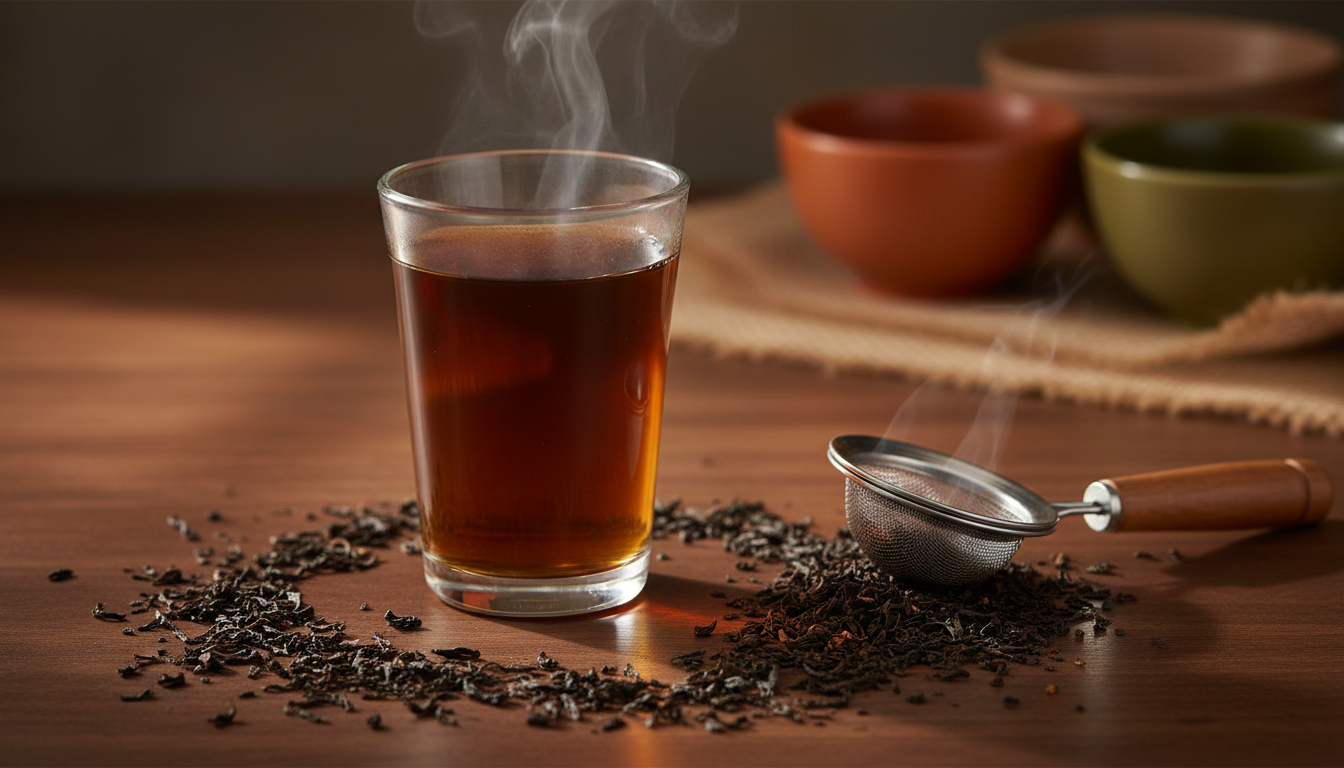
Black tea is fully oxidized Camellia sinensis. Compare Assam, Darjeeling, Keemun, and Ceylon varieties. Learn processing, brewing, and caffeine levels.

How To Grow Black Tea
Learn how to grow black tea at home: soil, climate, and the five processing steps from fresh leaf to a finished cup of black tea.

Wijsheid is de weg naar betere thee.
Ontvang onze gratis zetgids: het juiste water, de juiste temperatuur en de juiste trektijd voor elke thee die we verkopen. U hoort ook als eerste wanneer nieuwe oogsten binnenkomen.
Geen spam. U kunt zich altijd uitschrijven.
Kijk in uw inbox.
De gids is onderweg.