












Tee aus China
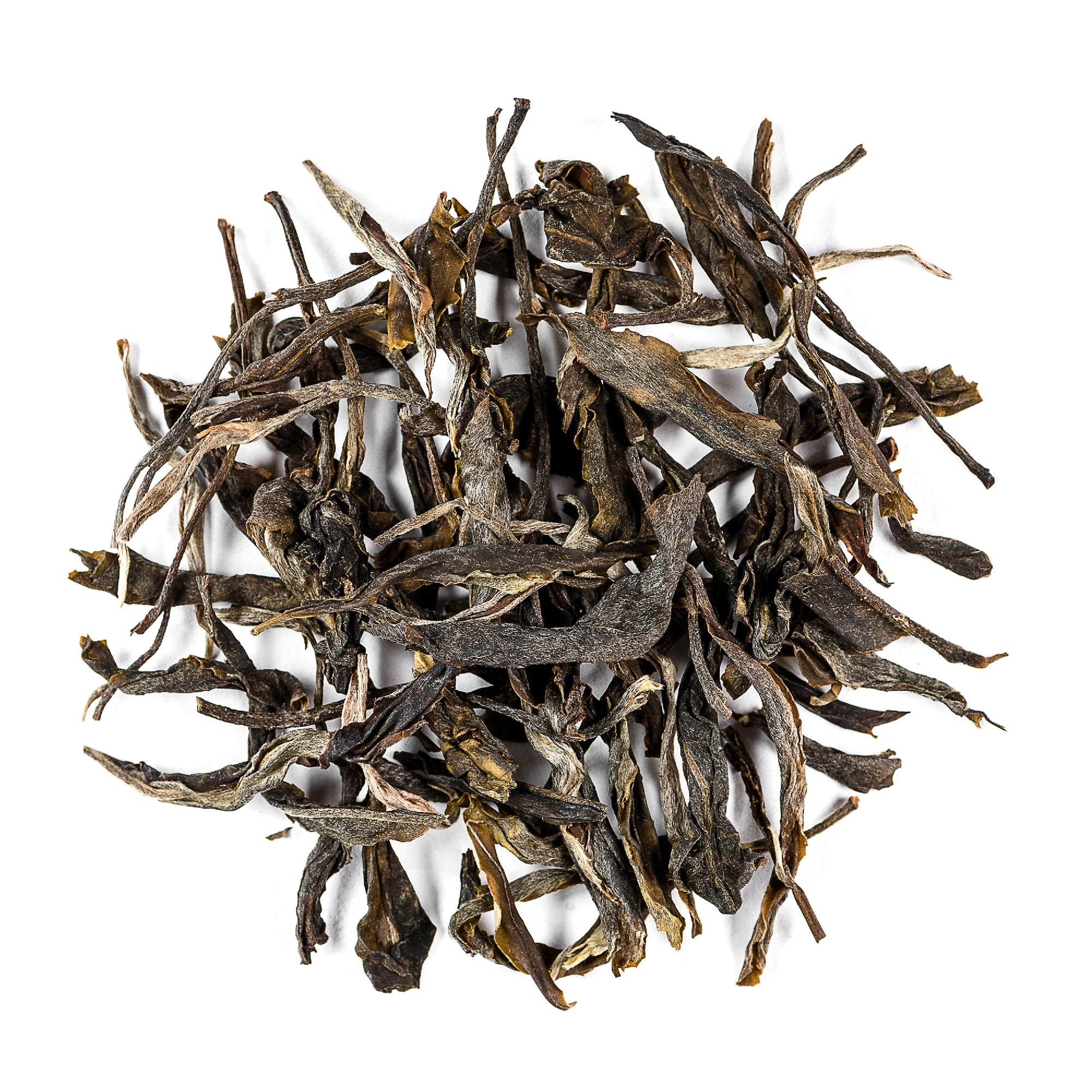
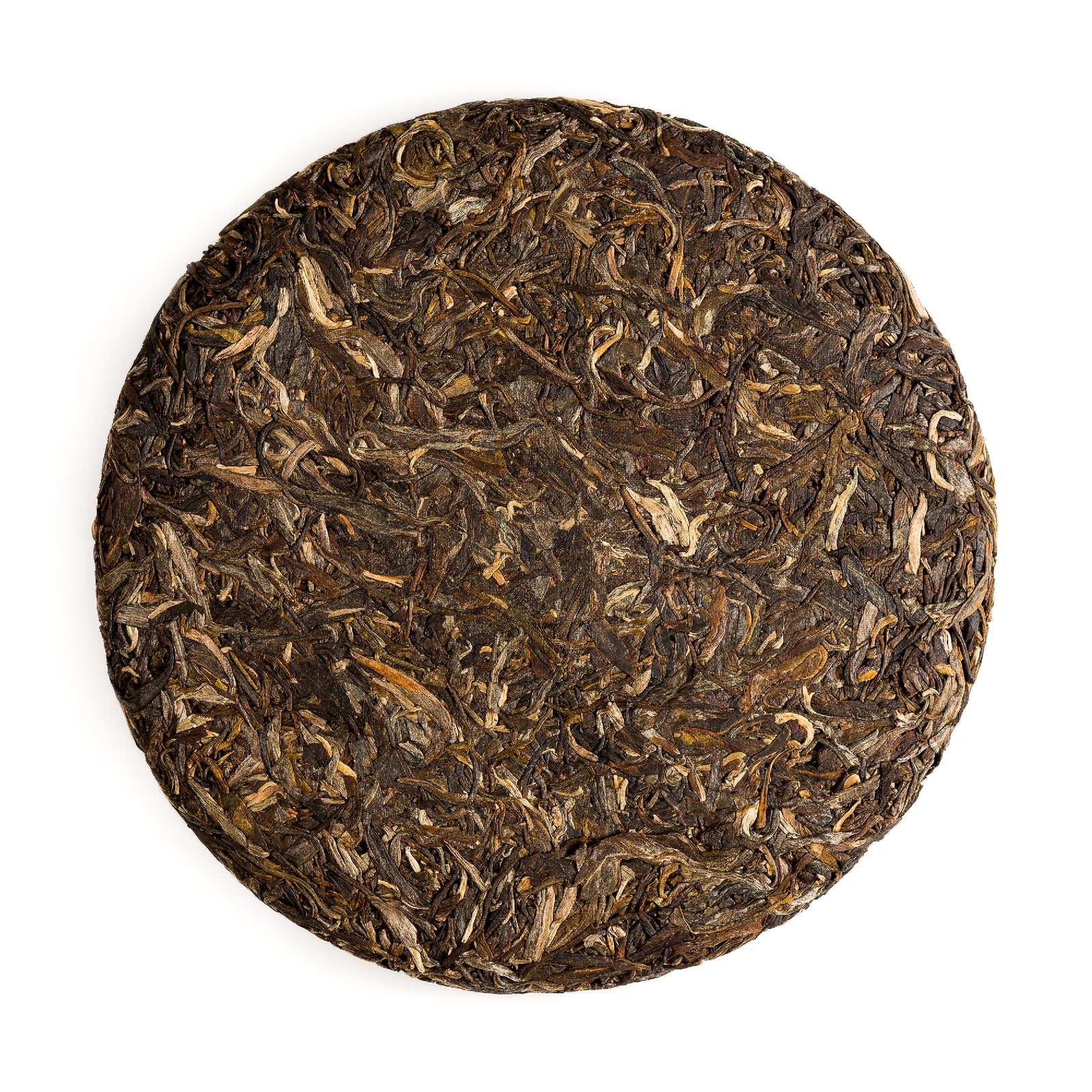
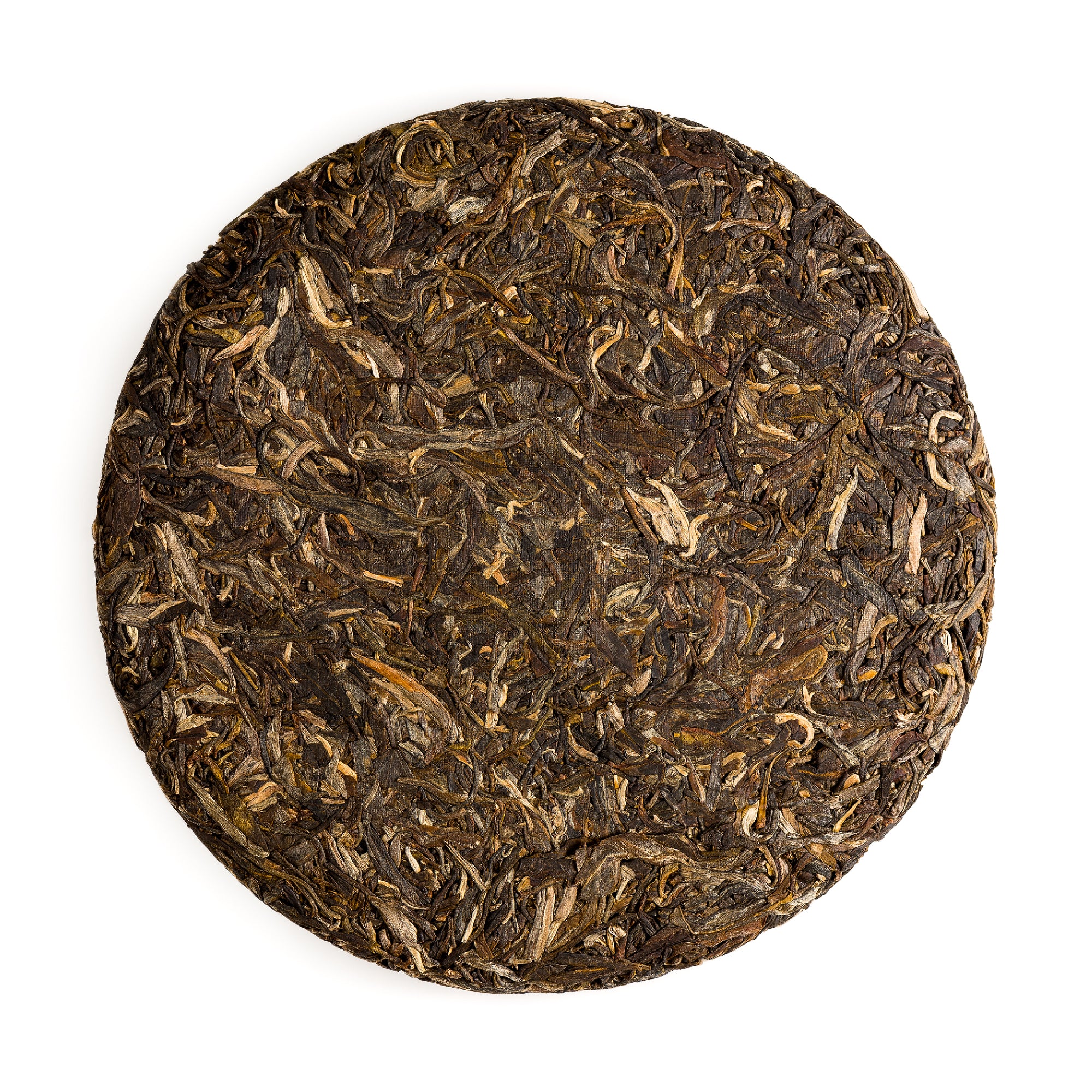
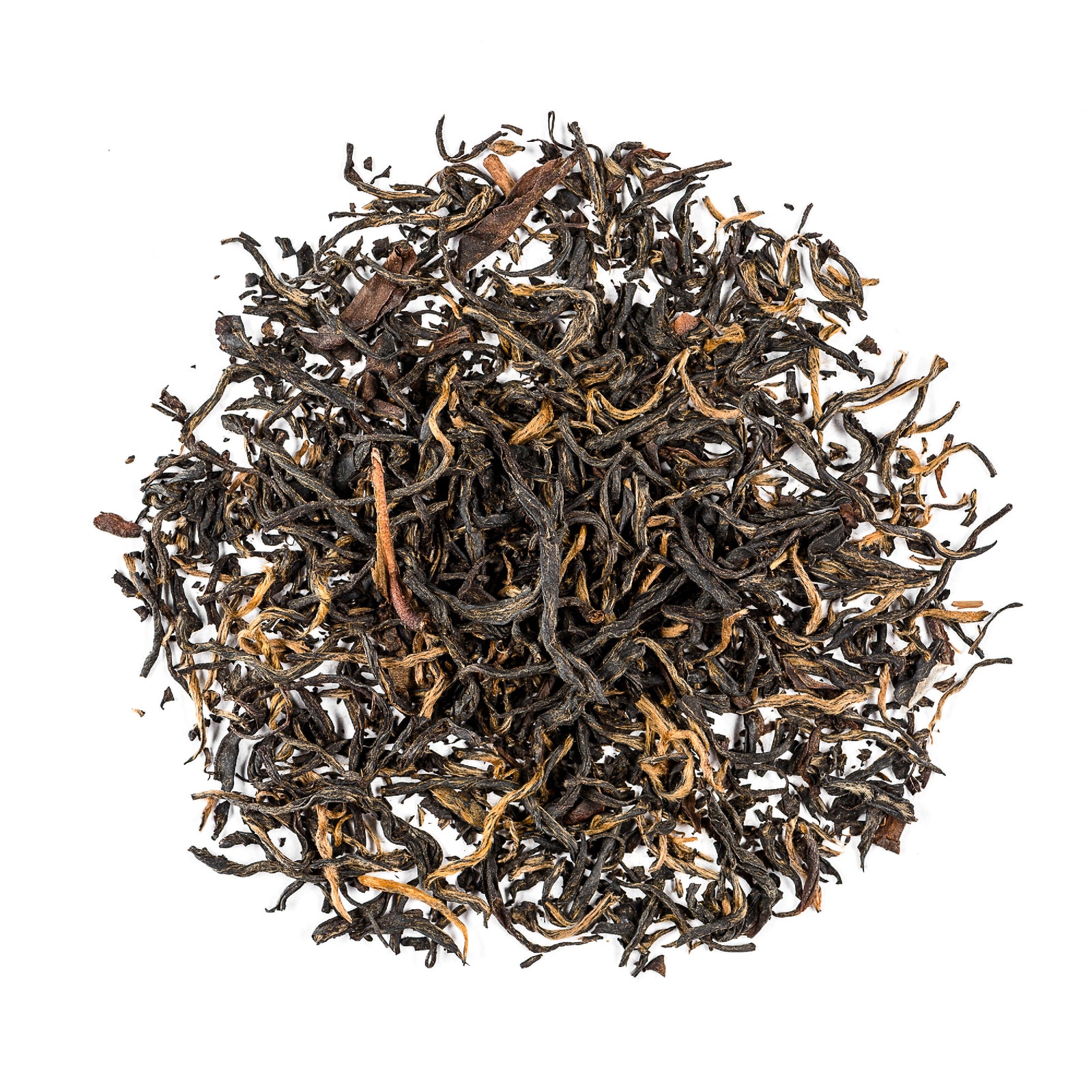
China is the original home of tea, and this collection covers the range grown there. All true tea comes from Camellia sinensis, and China produces every major type: green, white, yellow, oolong, black (called red tea in China) and dark, fermented pu-erh. Each region and process gives its own result.
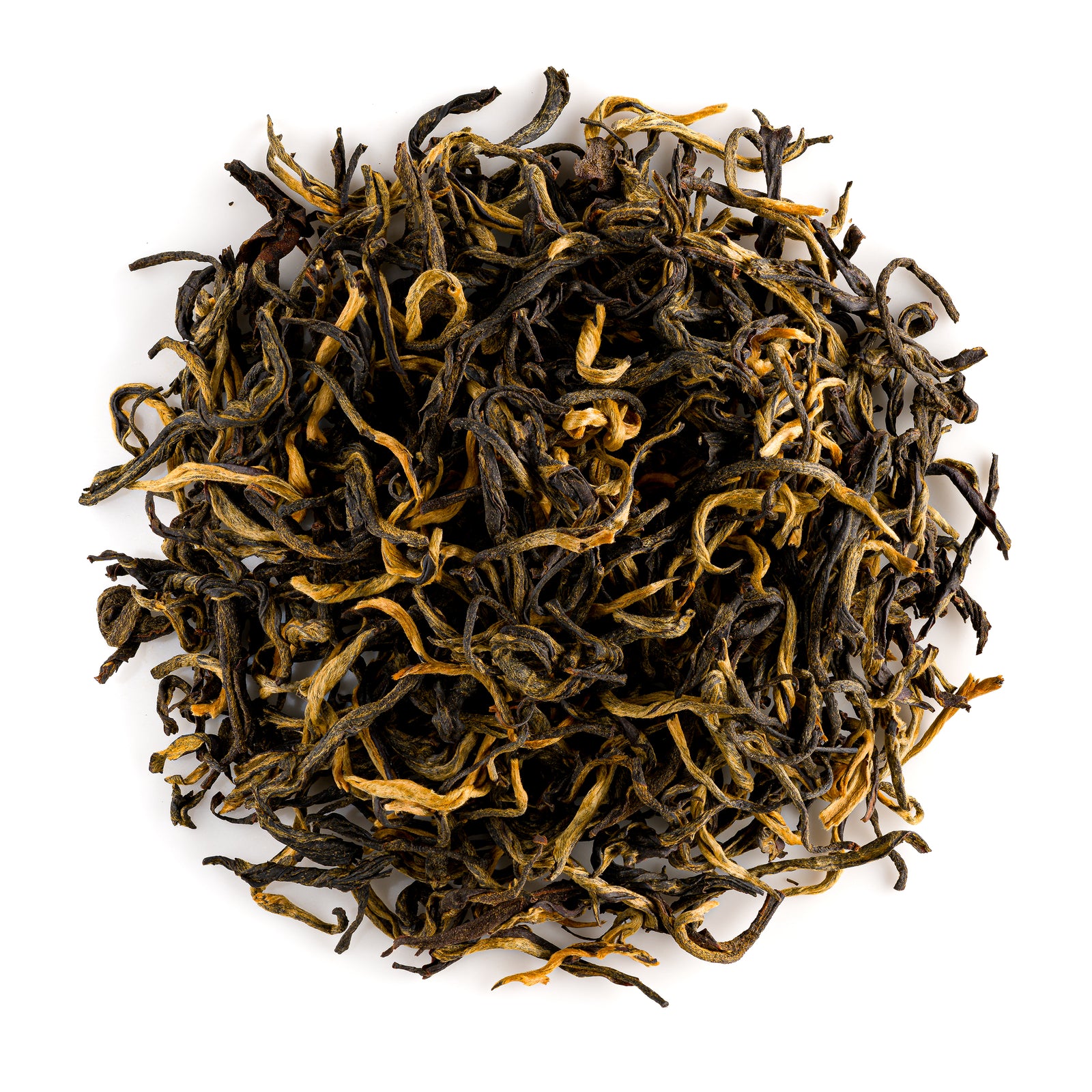
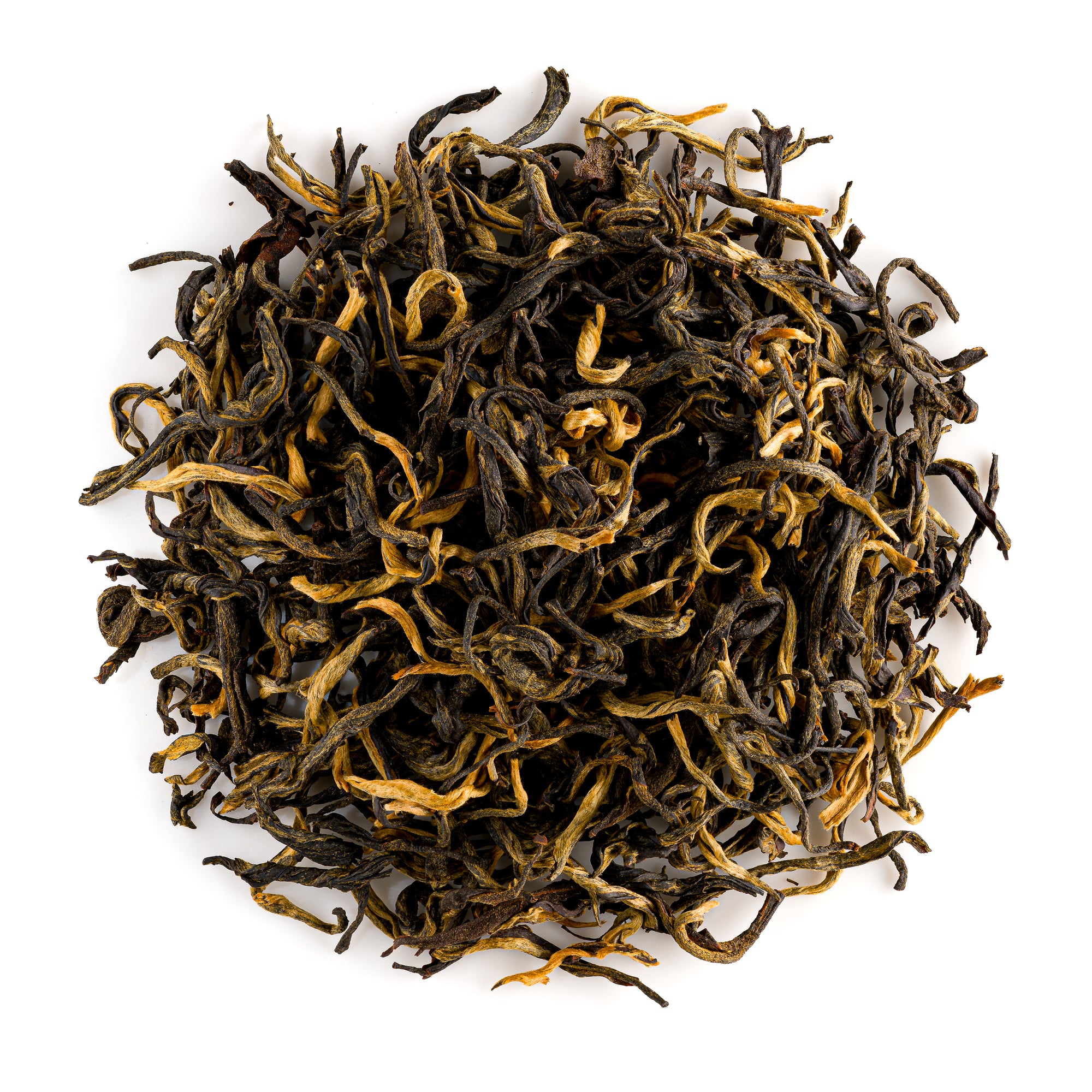
The spread of flavour is wide. Green teas like Dragon Well are toasty and vegetal; white teas are soft and delicate; Chinese black teas such as Keemun and Dian Hong are malty and sometimes cocoa-like; oolongs like Tie Guan Yin sit between green and black. Famous names are tied to their places, from Fujian and Zhejiang to Yunnan and Anhui. All of these teas are caffeinated.
Our Chinese teas are sold as loose leaf. Many reward attention to water temperature and steeping time, and several take well to gong fu brewing with short, repeated infusions.
Frequently asked questions
What types of tea come from China?
China produces all six major types of tea from Camellia sinensis: green, white, yellow, oolong, black (red tea) and dark fermented tea such as pu-erh. Each has its own regions and methods.
Are Chinese teas caffeinated?
Yes. All true teas from the Camellia sinensis plant, including Chinese green, white, oolong, black and pu-erh, contain caffeine.
What water temperature should I use?
It varies by type. Green and white teas suit cooler water around 75 to 85C, while oolong, black and pu-erh take hotter water around 90 to 100C. Each product page gives specific guidance.
What is red tea in China?
Red tea is the Chinese name for what the West calls black tea, referring to the reddish colour of the brewed liquor. Examples include Keemun and Dian Hong.
How should I store Chinese loose leaf tea?
Keep it in an airtight container away from light, heat, moisture and strong smells. Green and white teas are best used relatively fresh, while dark pu-erh is made to age.

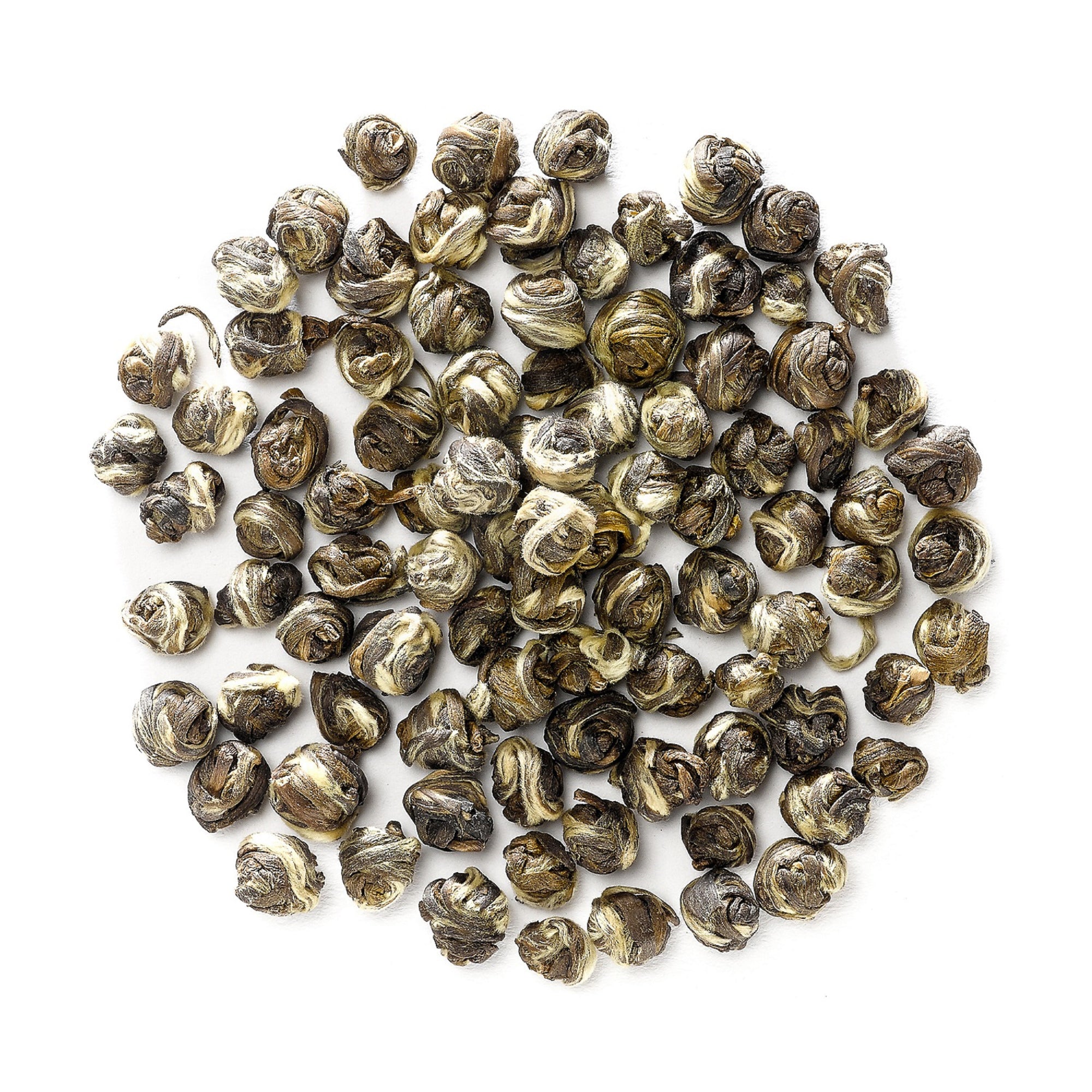
Ausverkauft
Jasmin Perlen
Ausverkauft

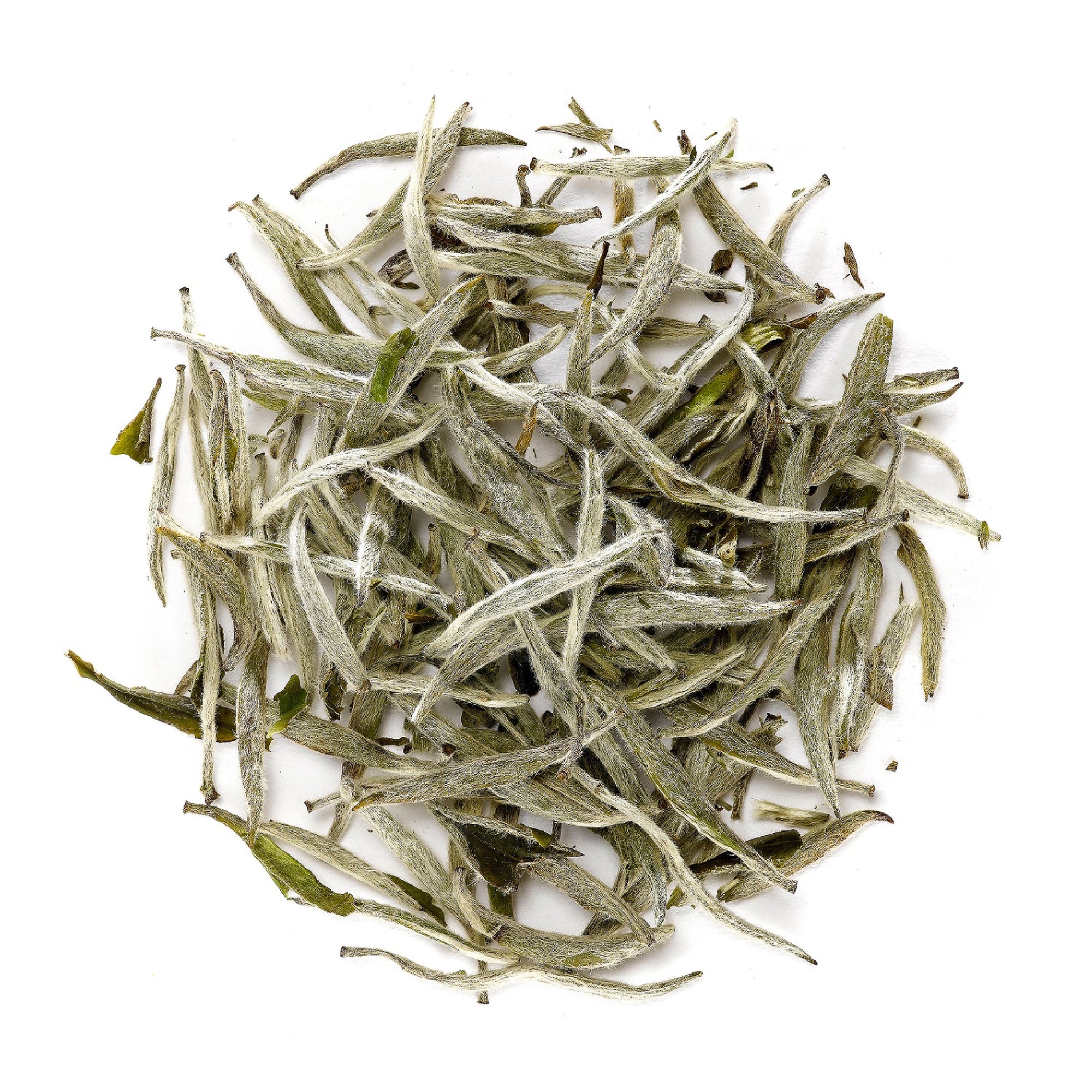


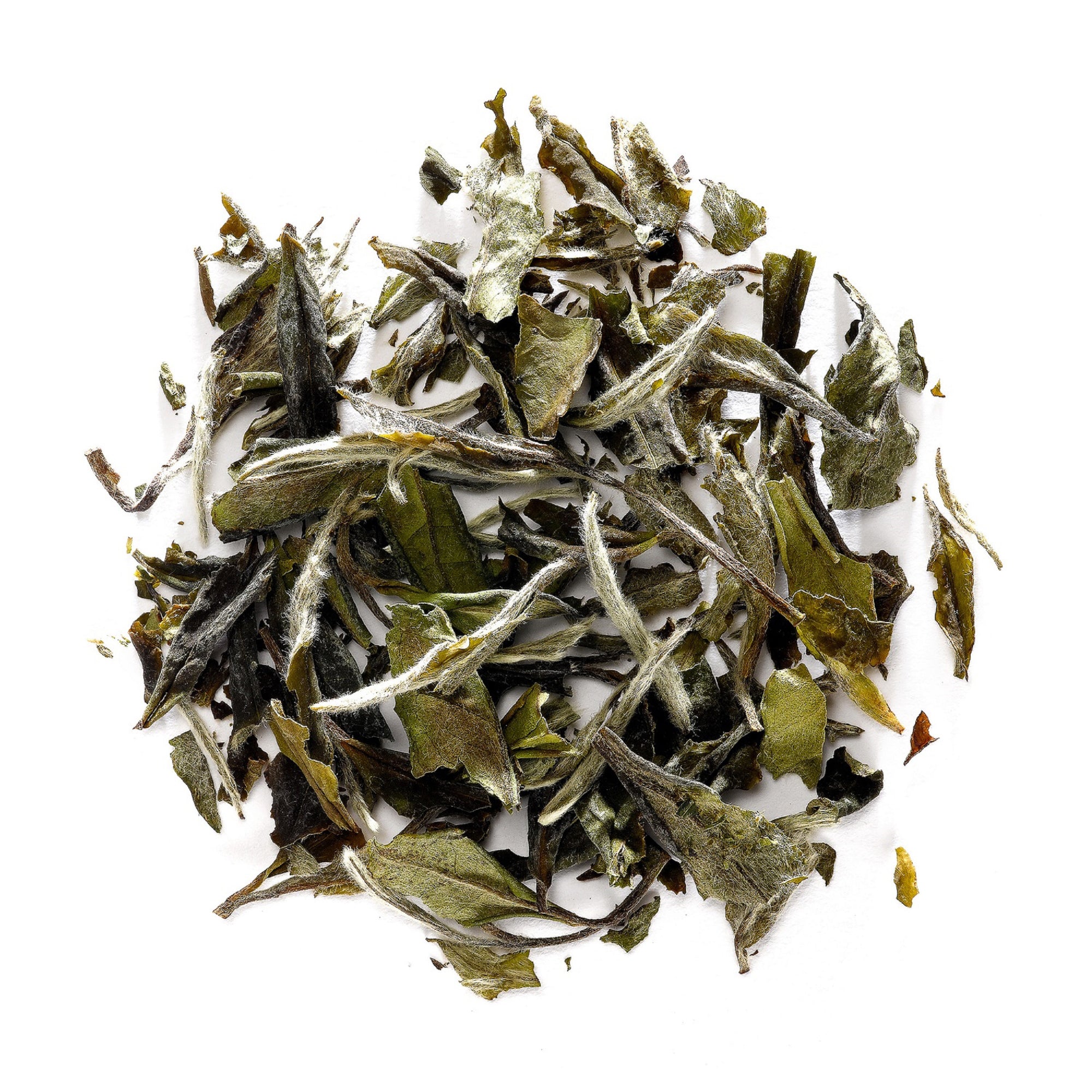

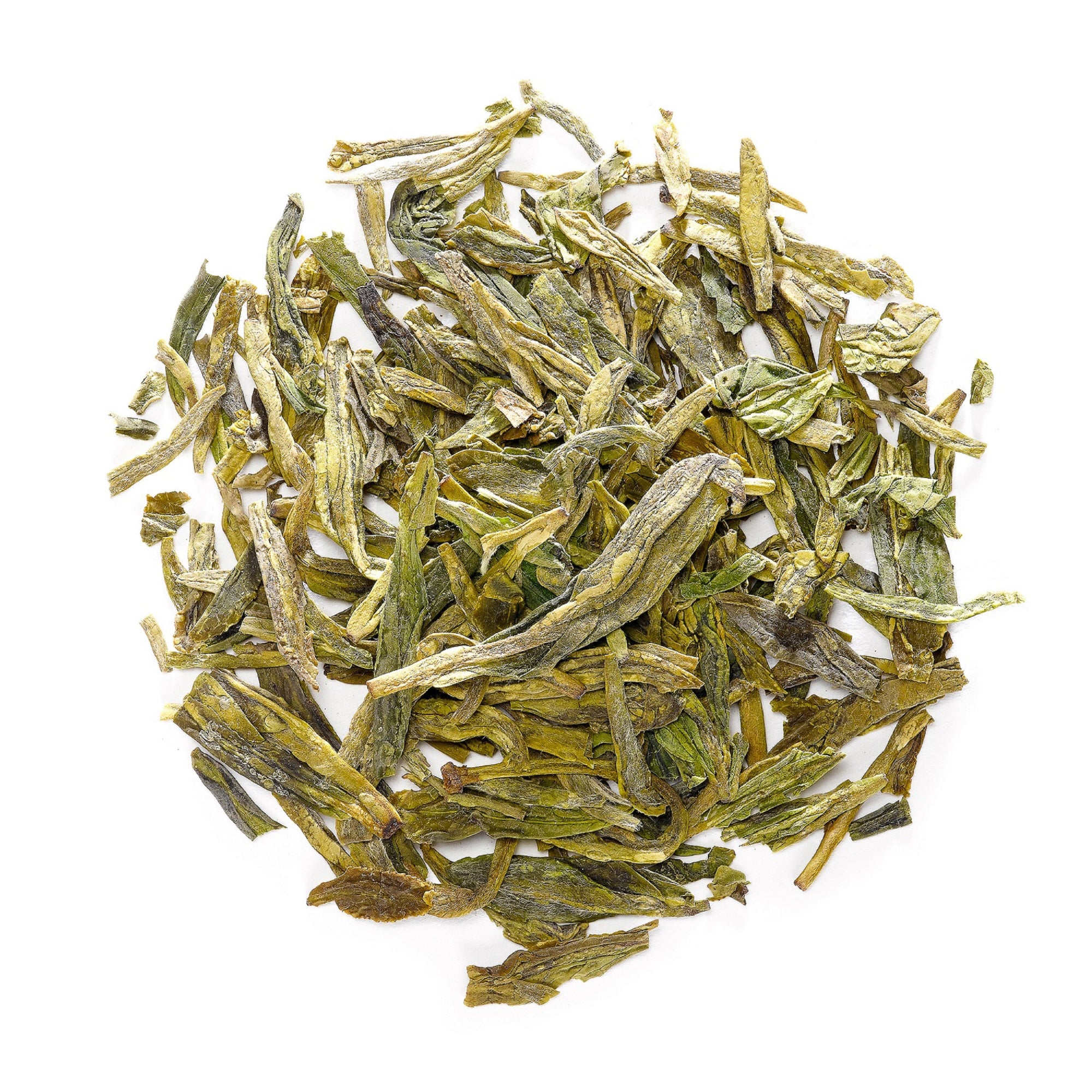
Ausverkauft
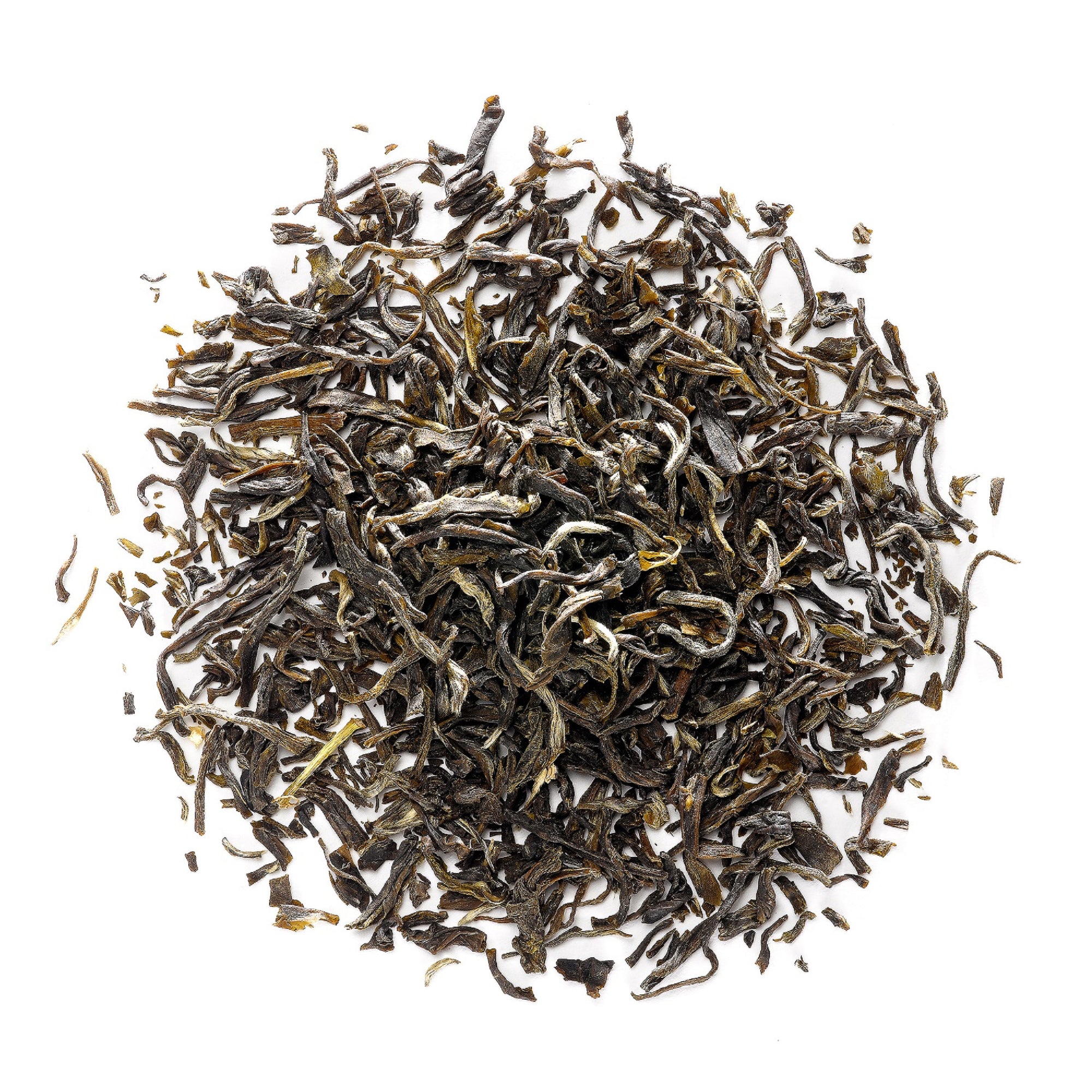
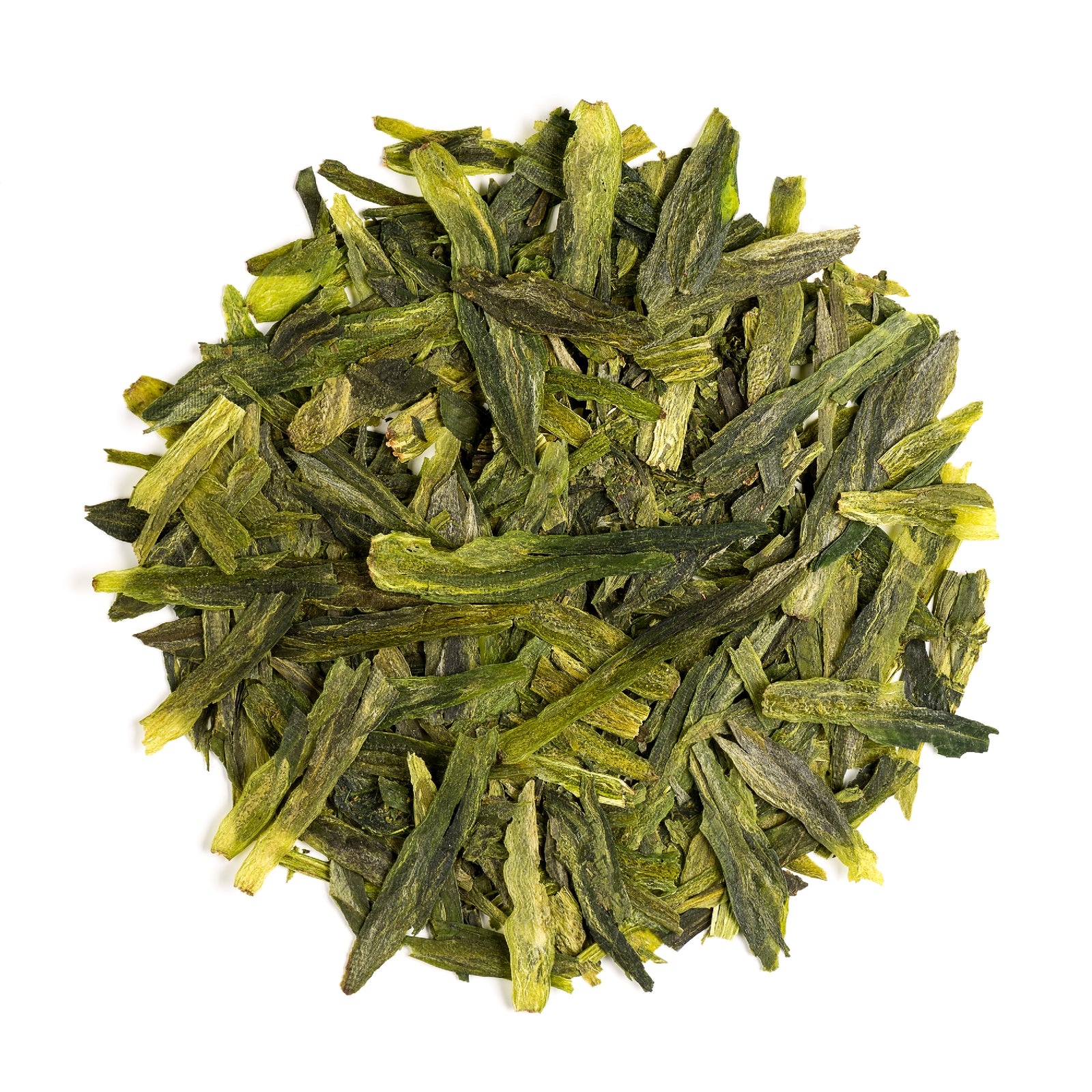
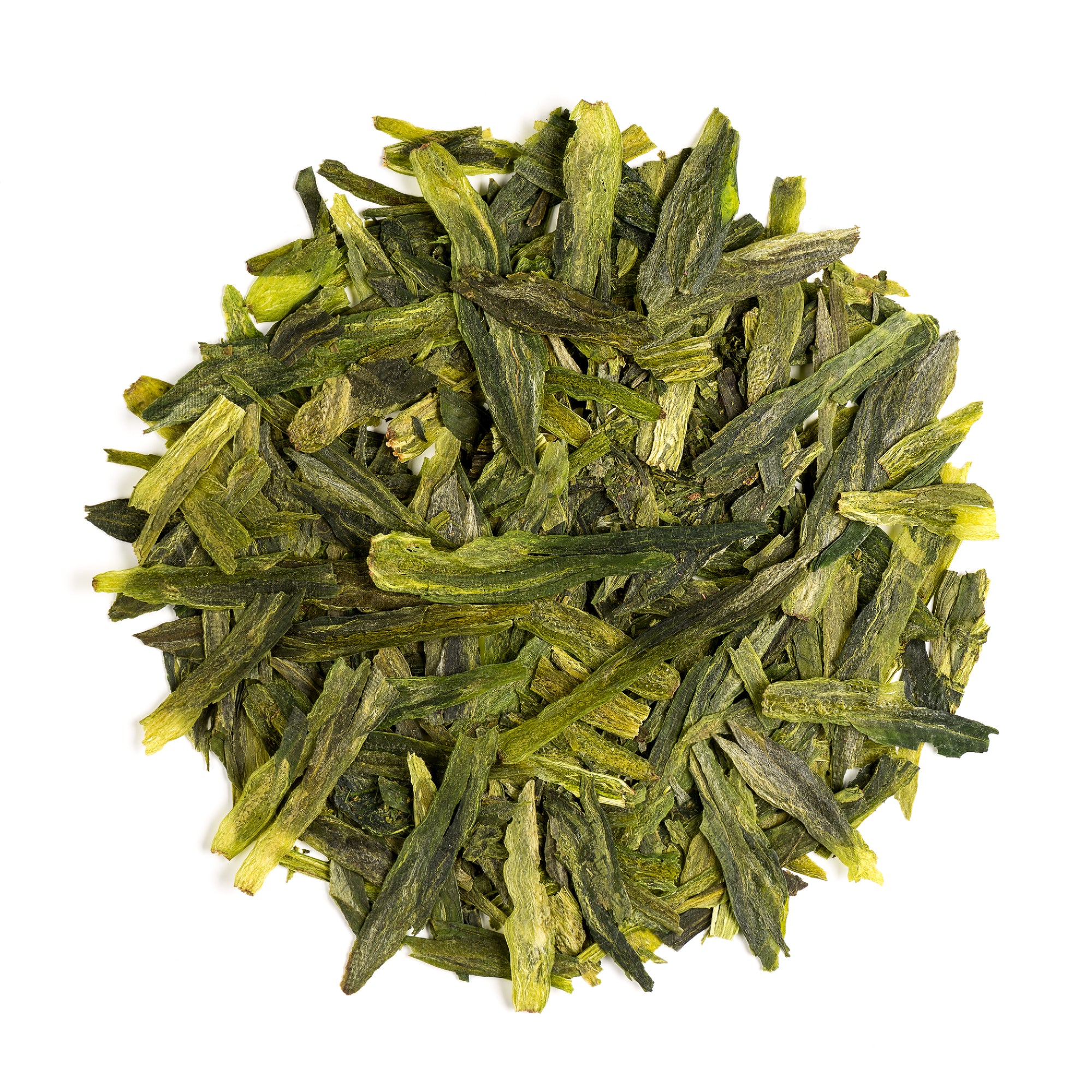
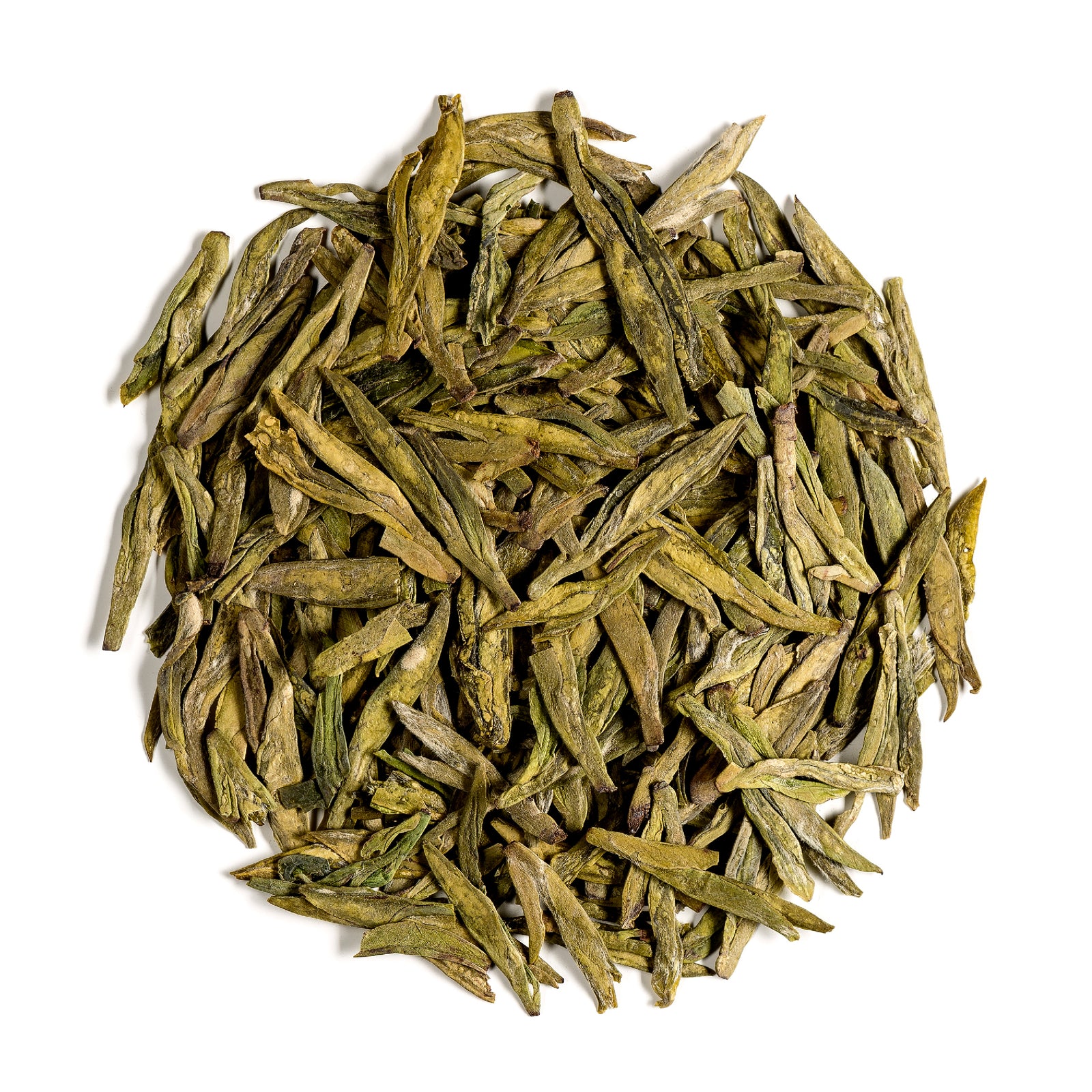
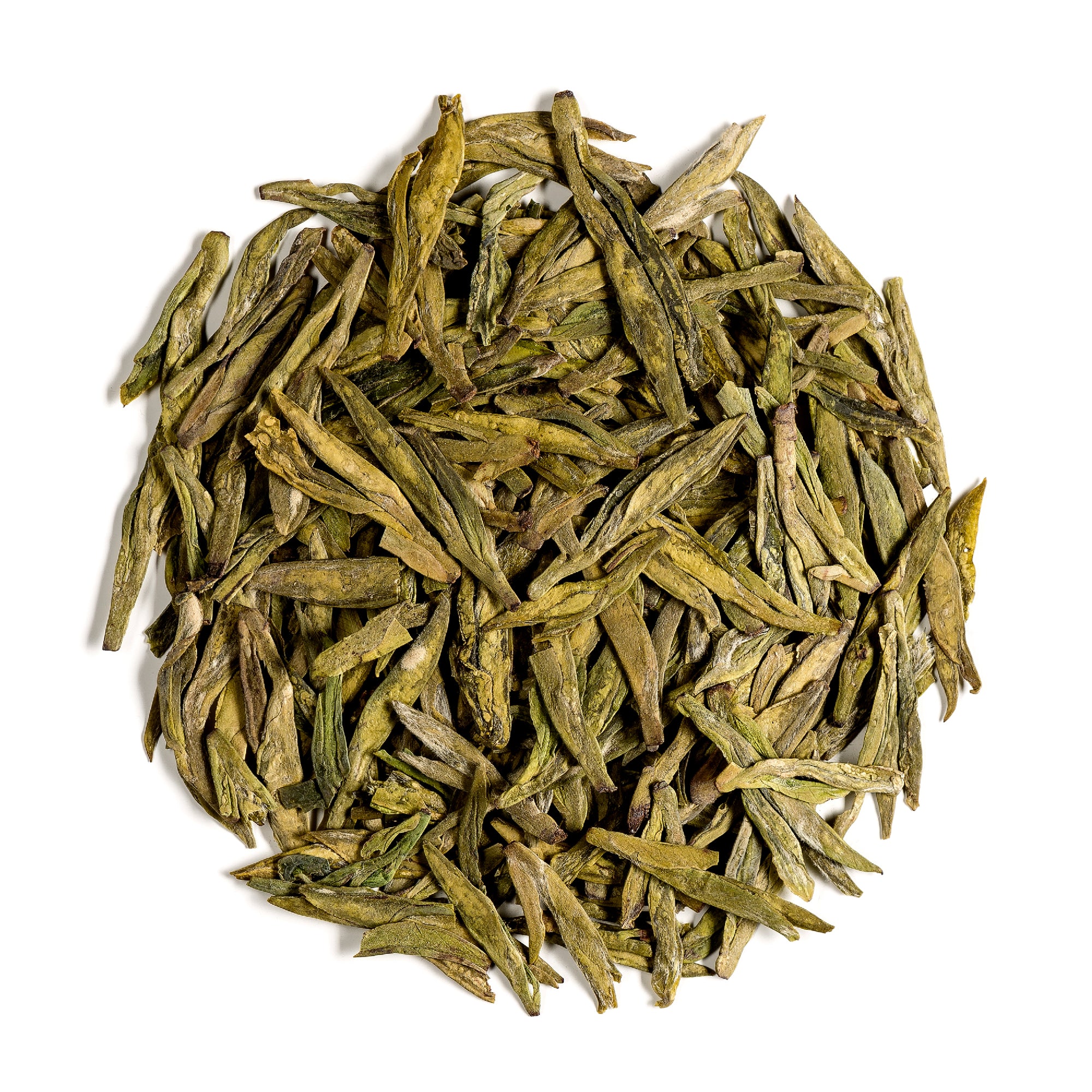
Dragon Well Longjing
Ausverkauft

Ausverkauft
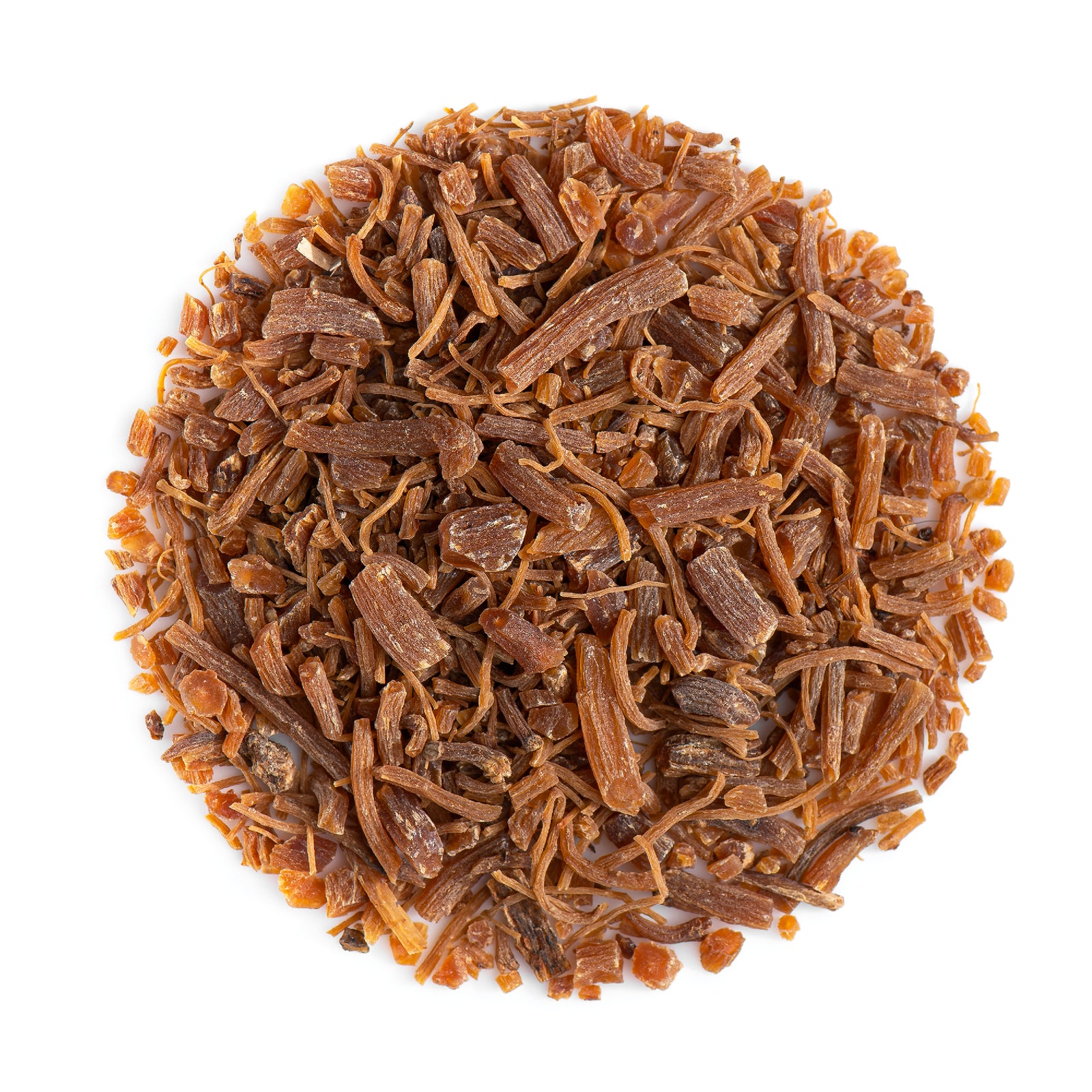
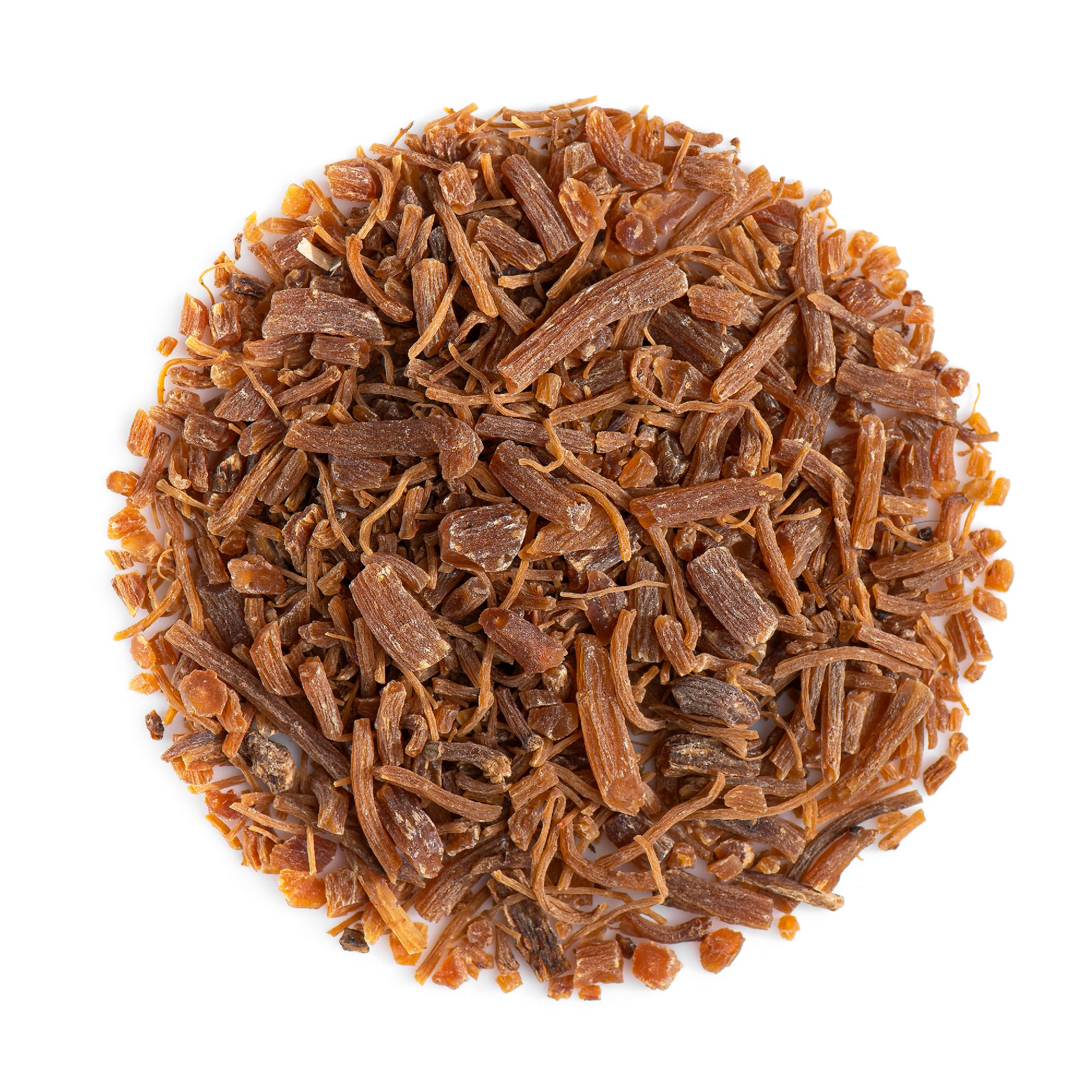
Roter Koreanischer Ginseng
Ausverkauft
Ausverkauft
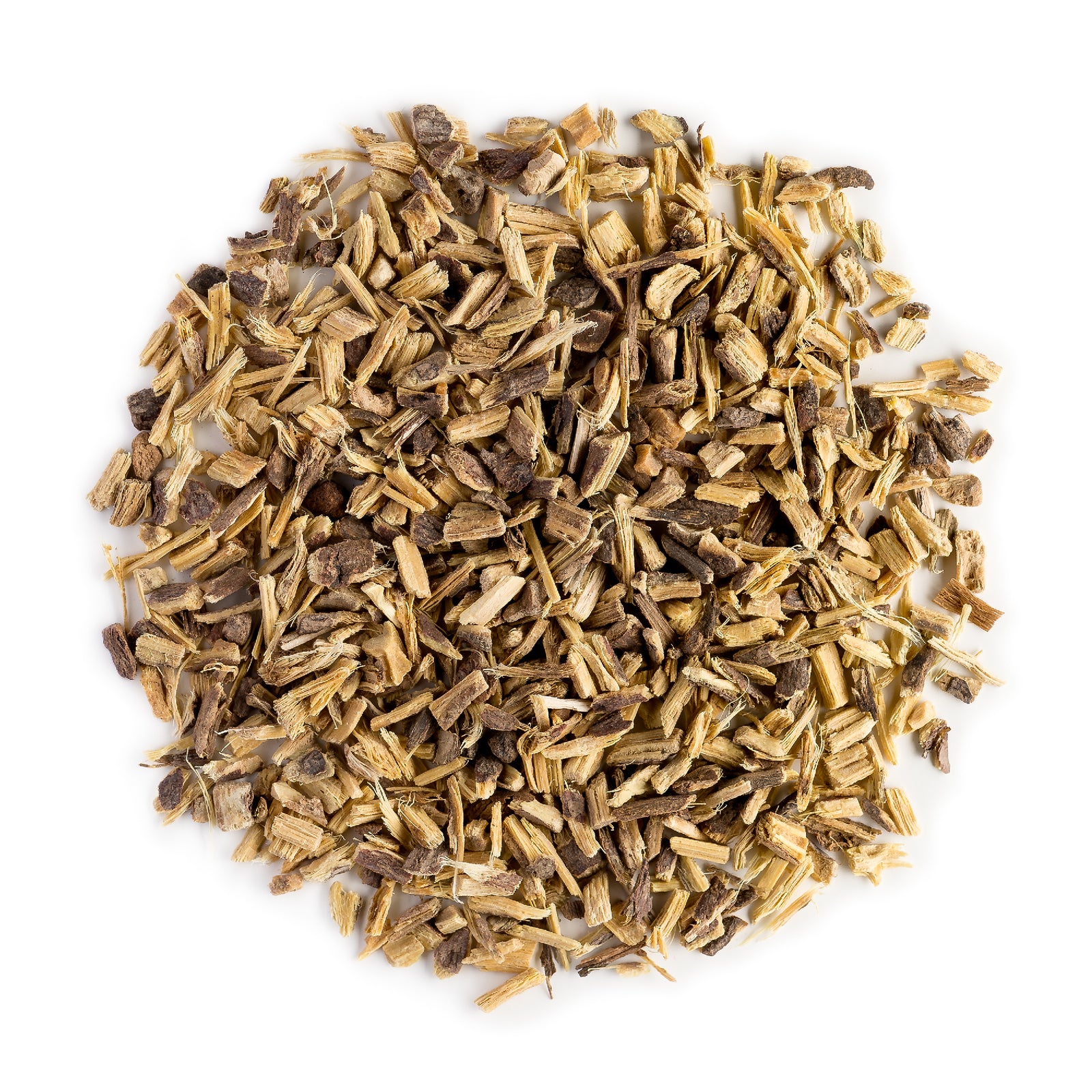
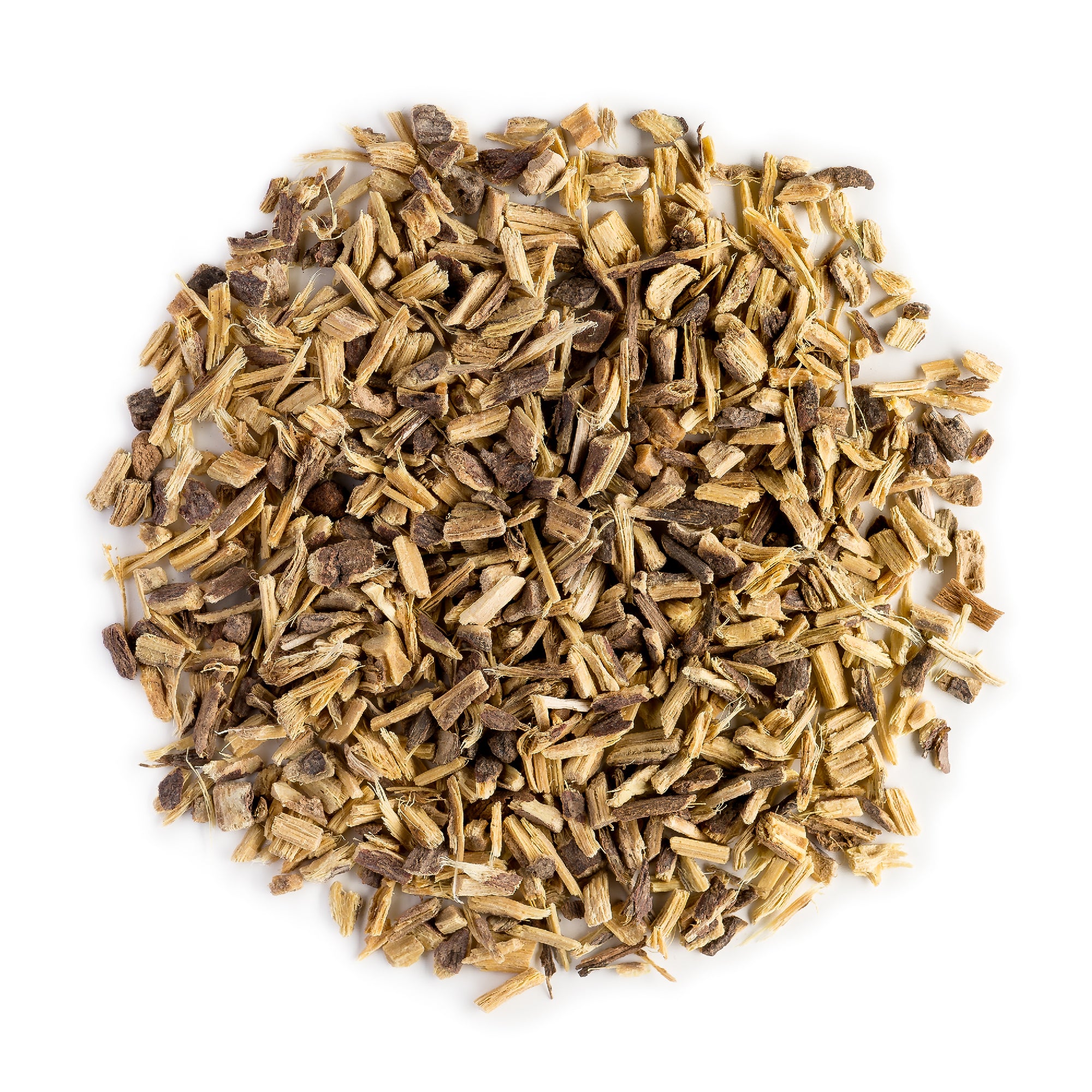
Süßholzwurzel
Ausverkauft
Ausverkauft
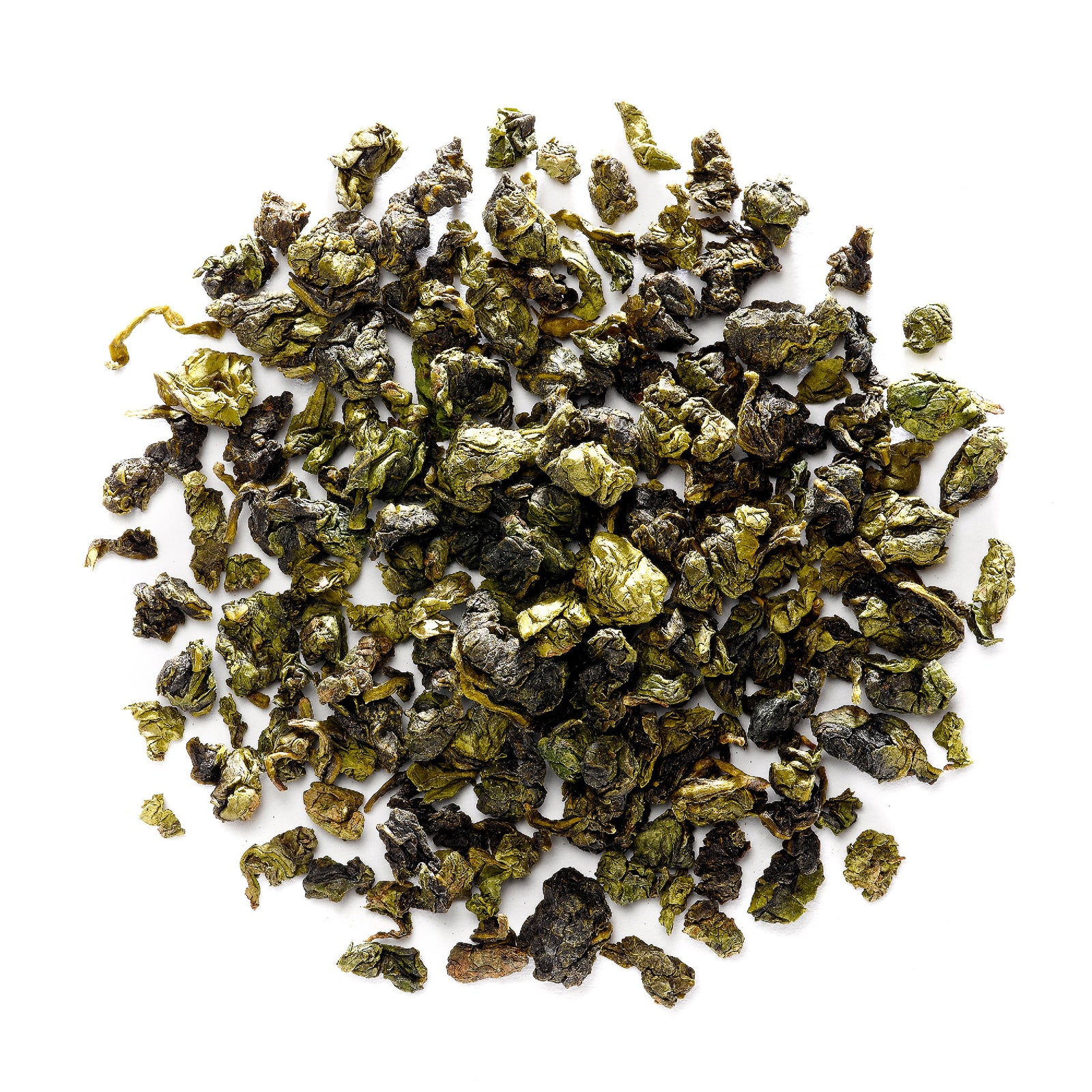
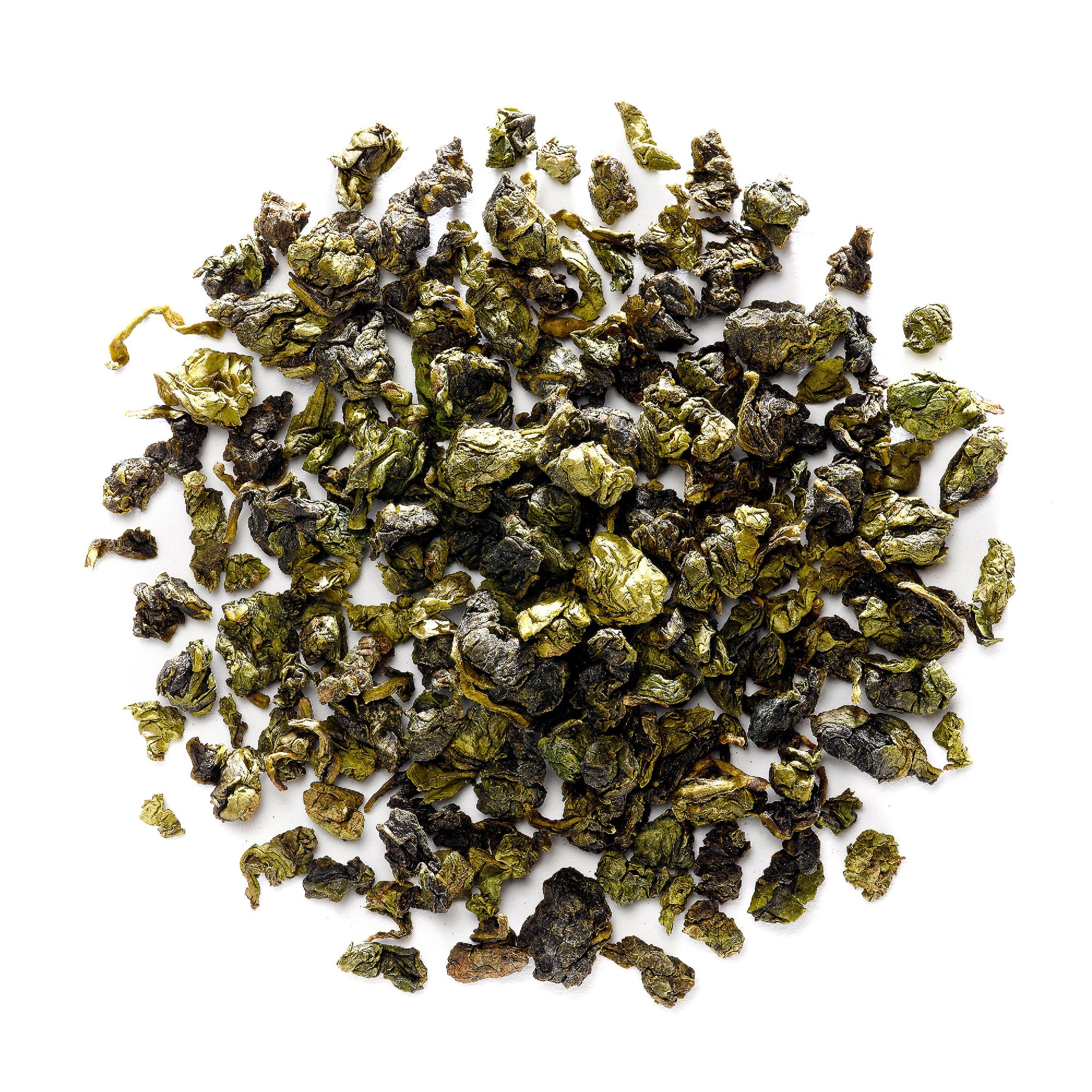
Tieguanyin Licht
Ausverkauft
Ausverkauft
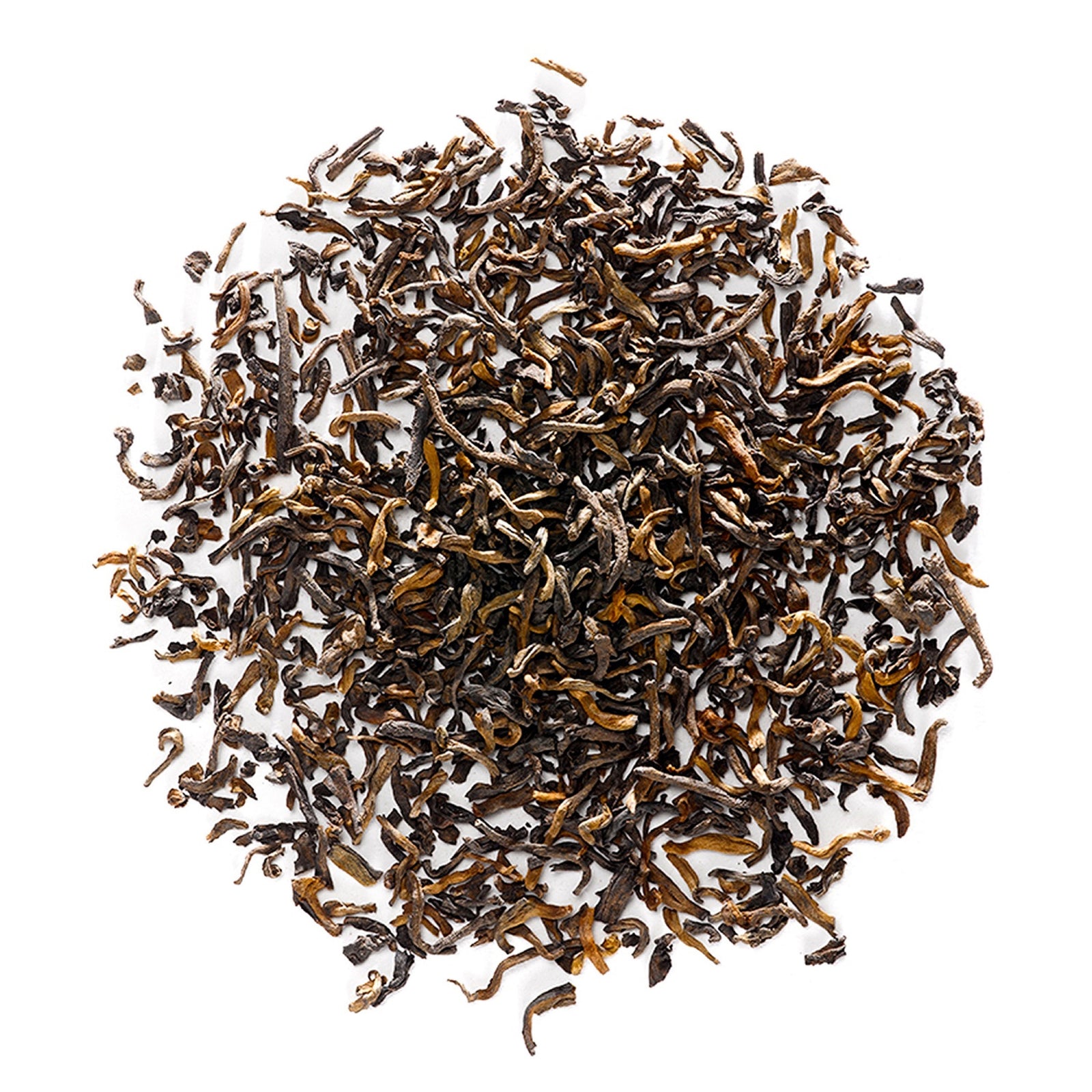
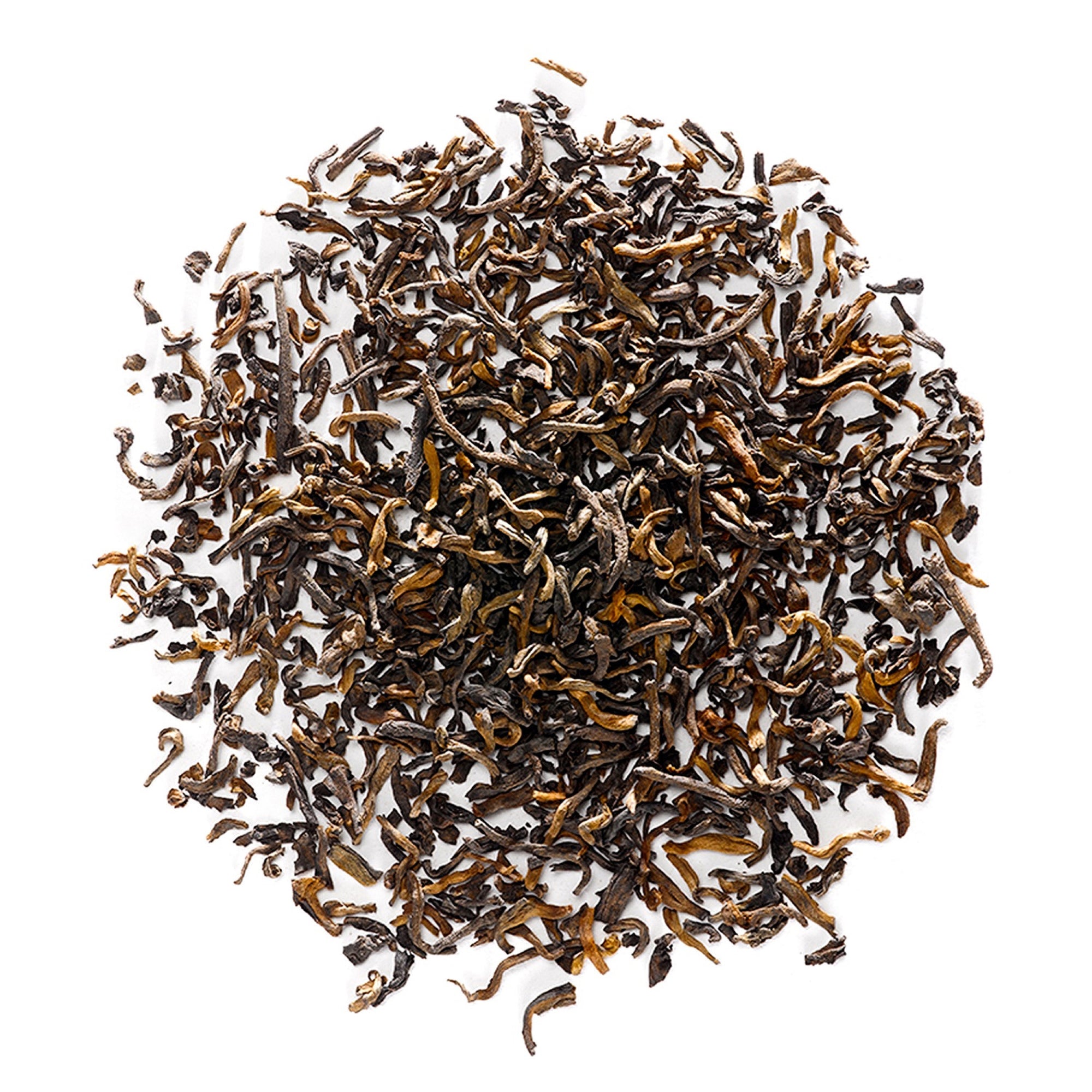
Gereifte Aged Pu-Erh
Ausverkauft

Ausverkauft
Golden Monkey
Ausverkauft
Ausverkauft
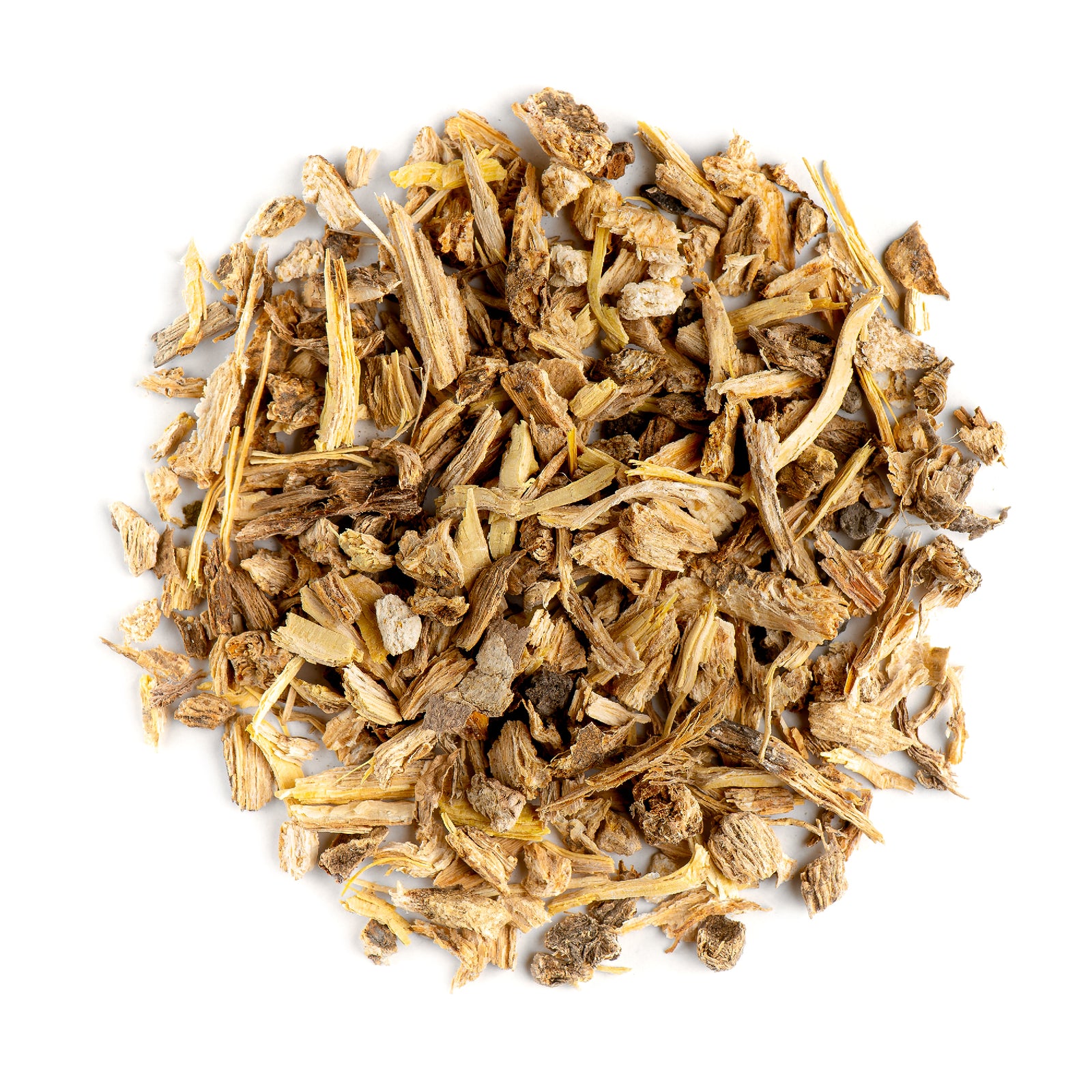
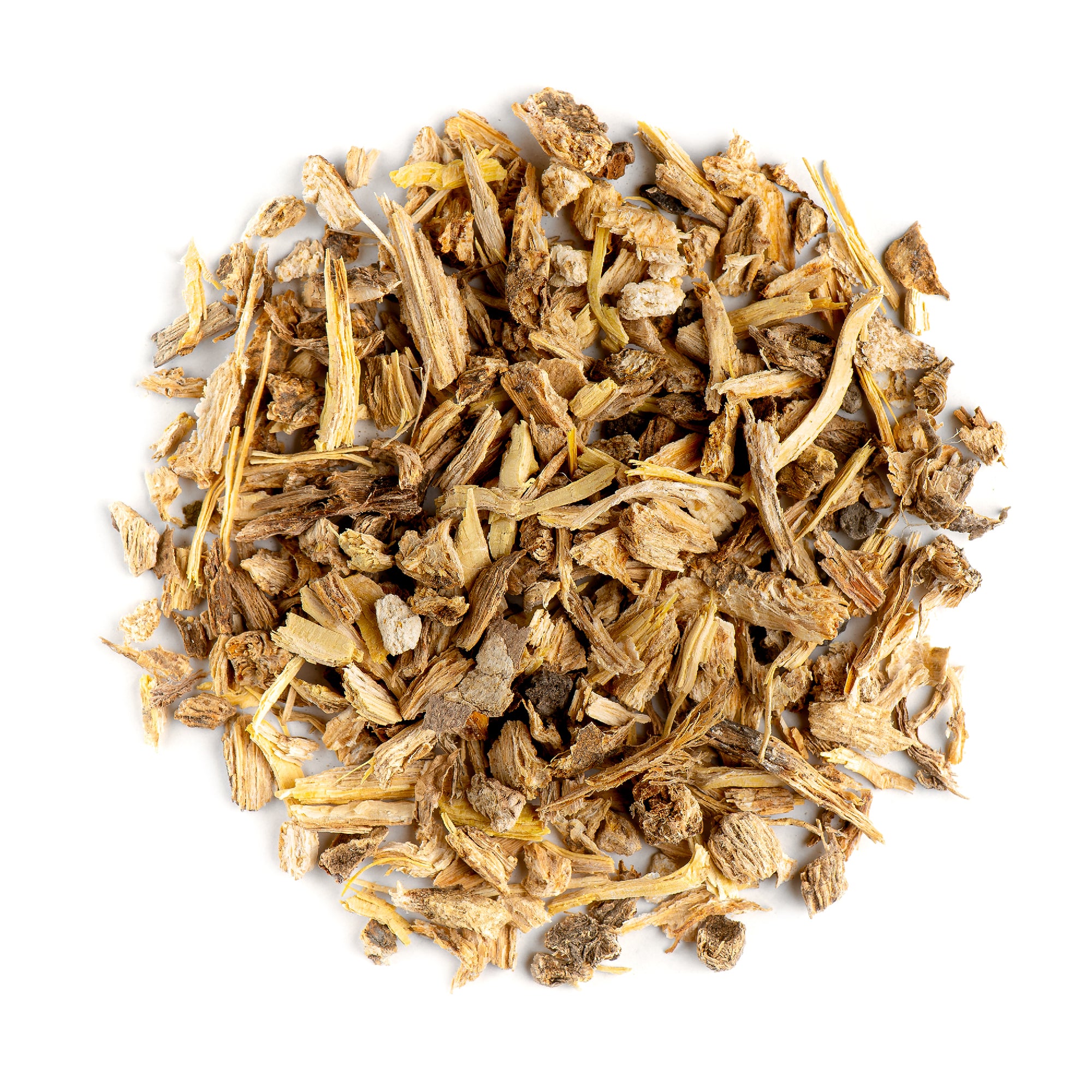
Angelikawurzel
Ausverkauft
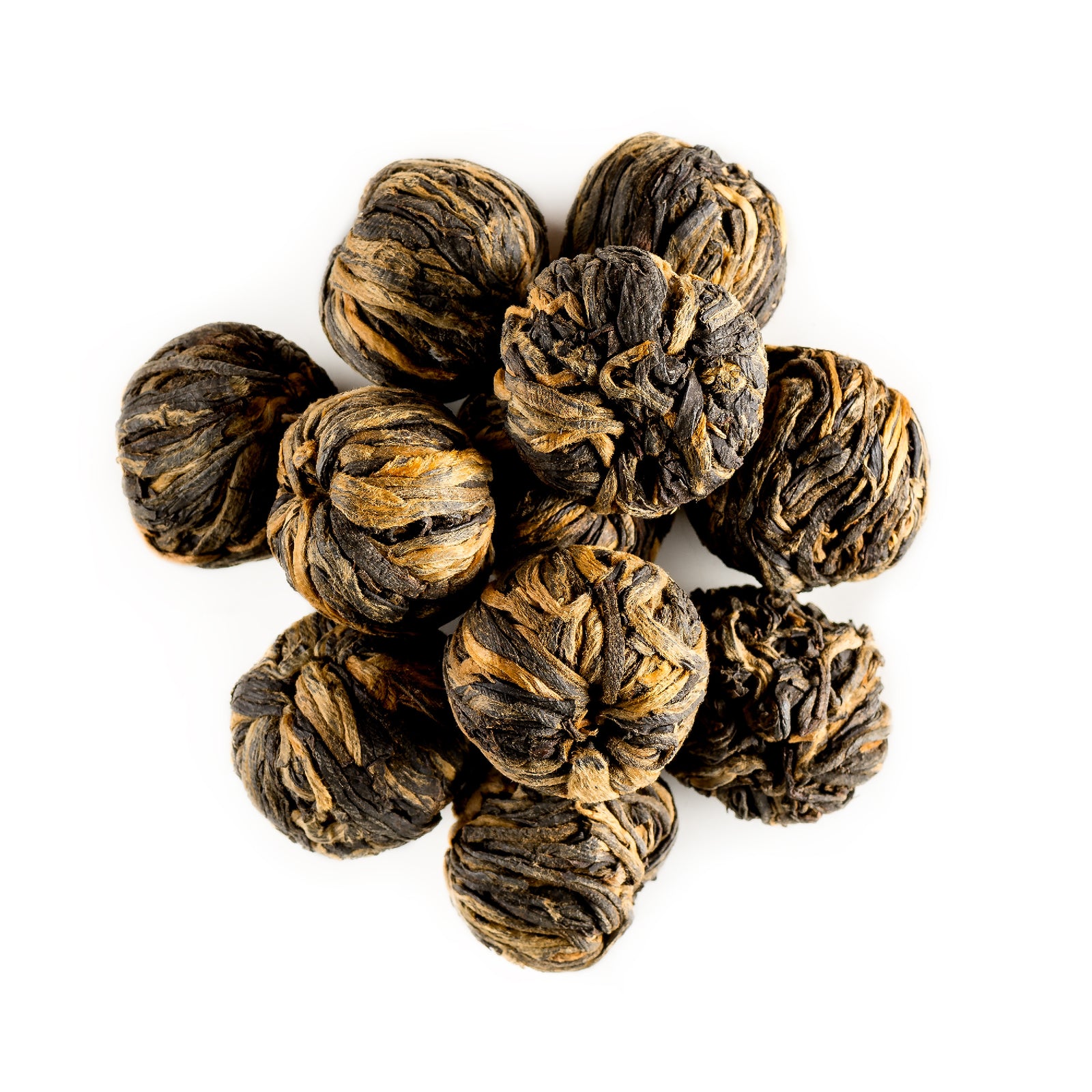
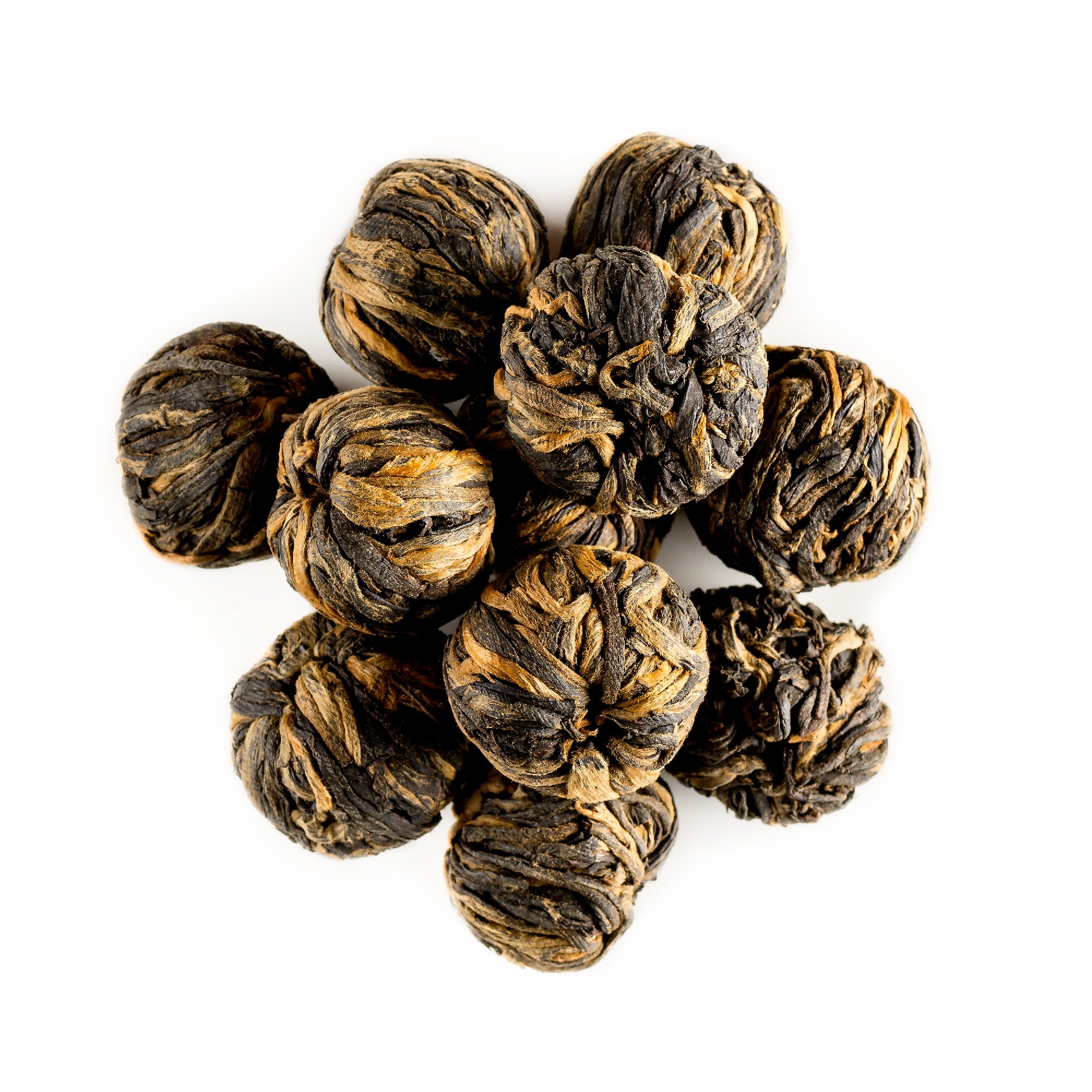
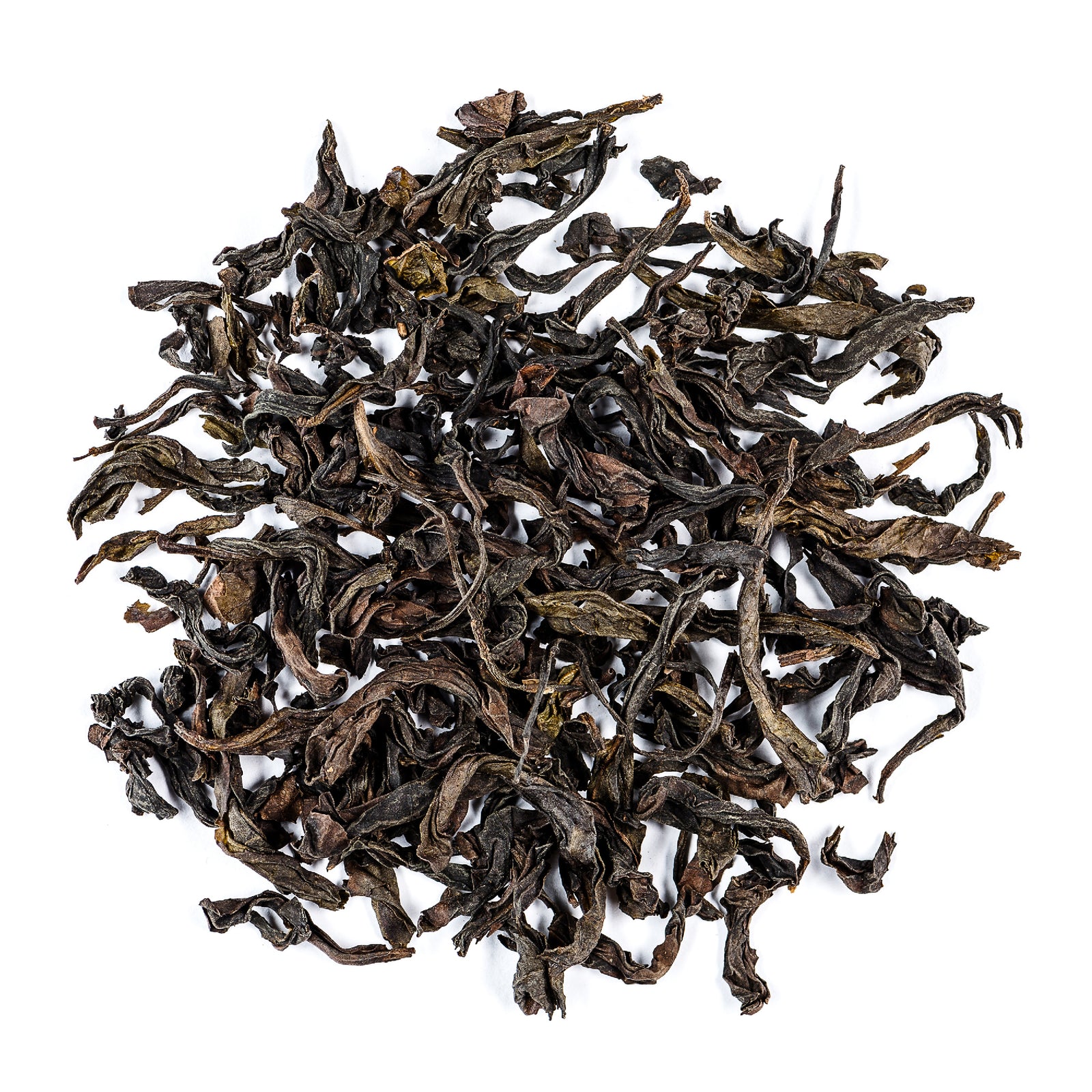
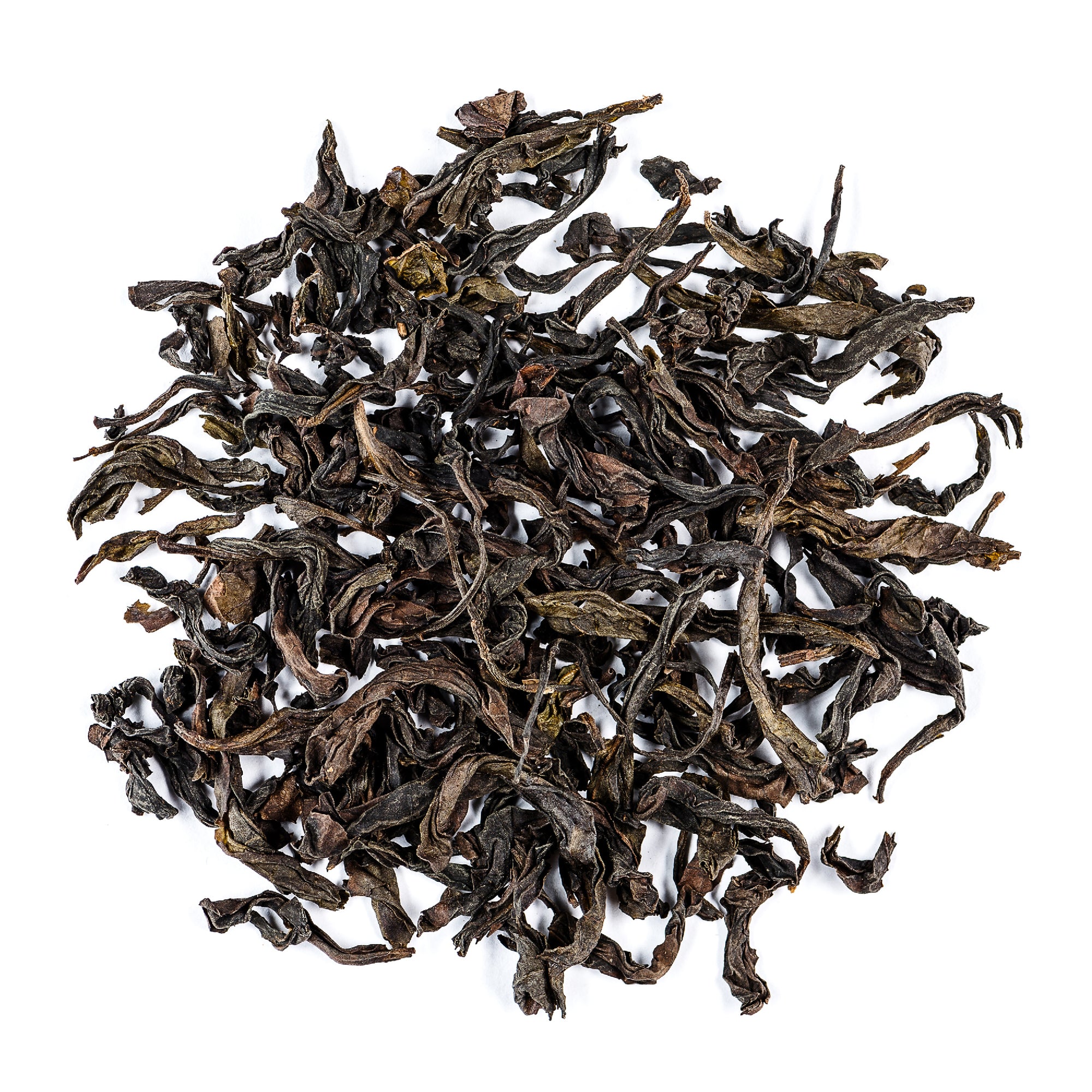
Ausverkauft
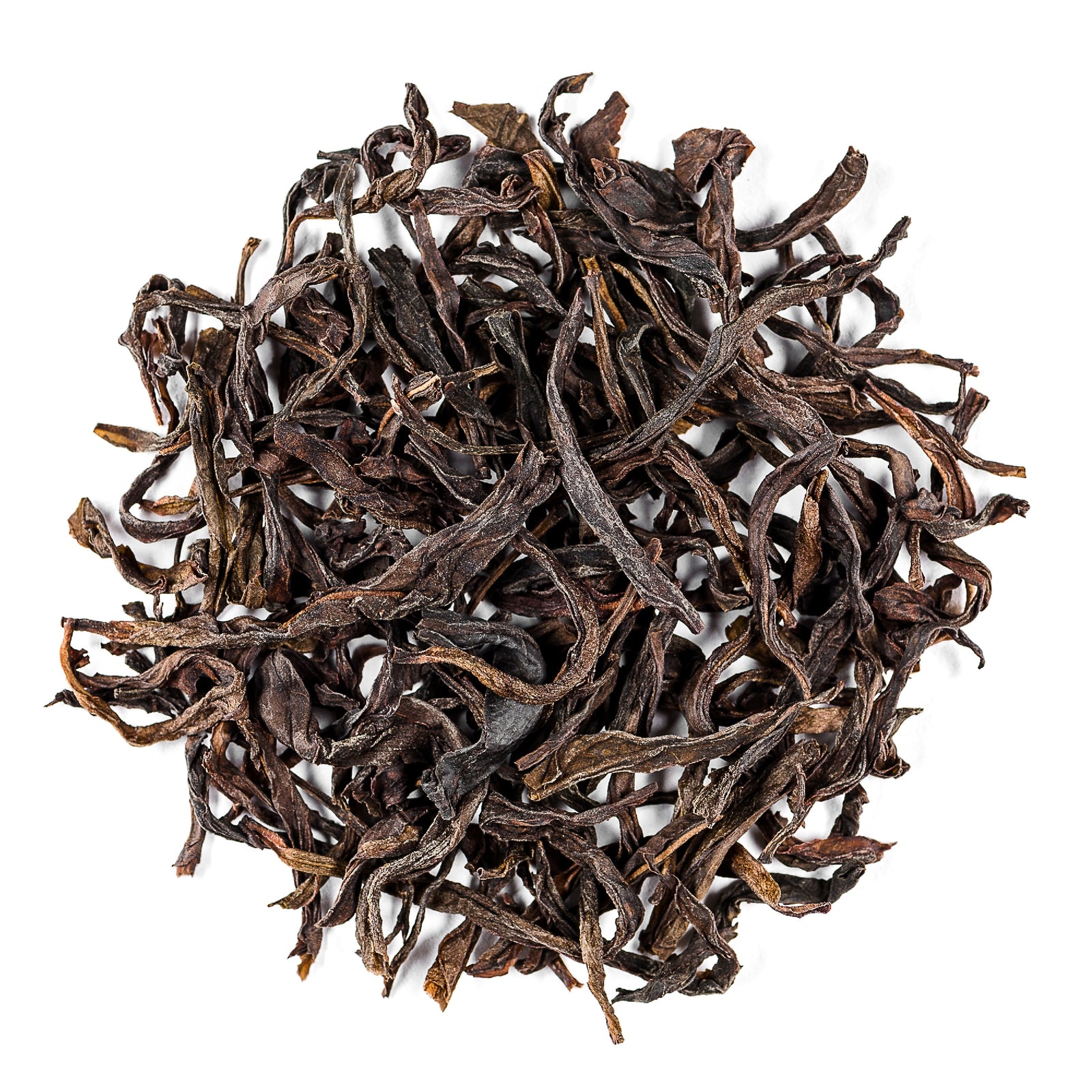
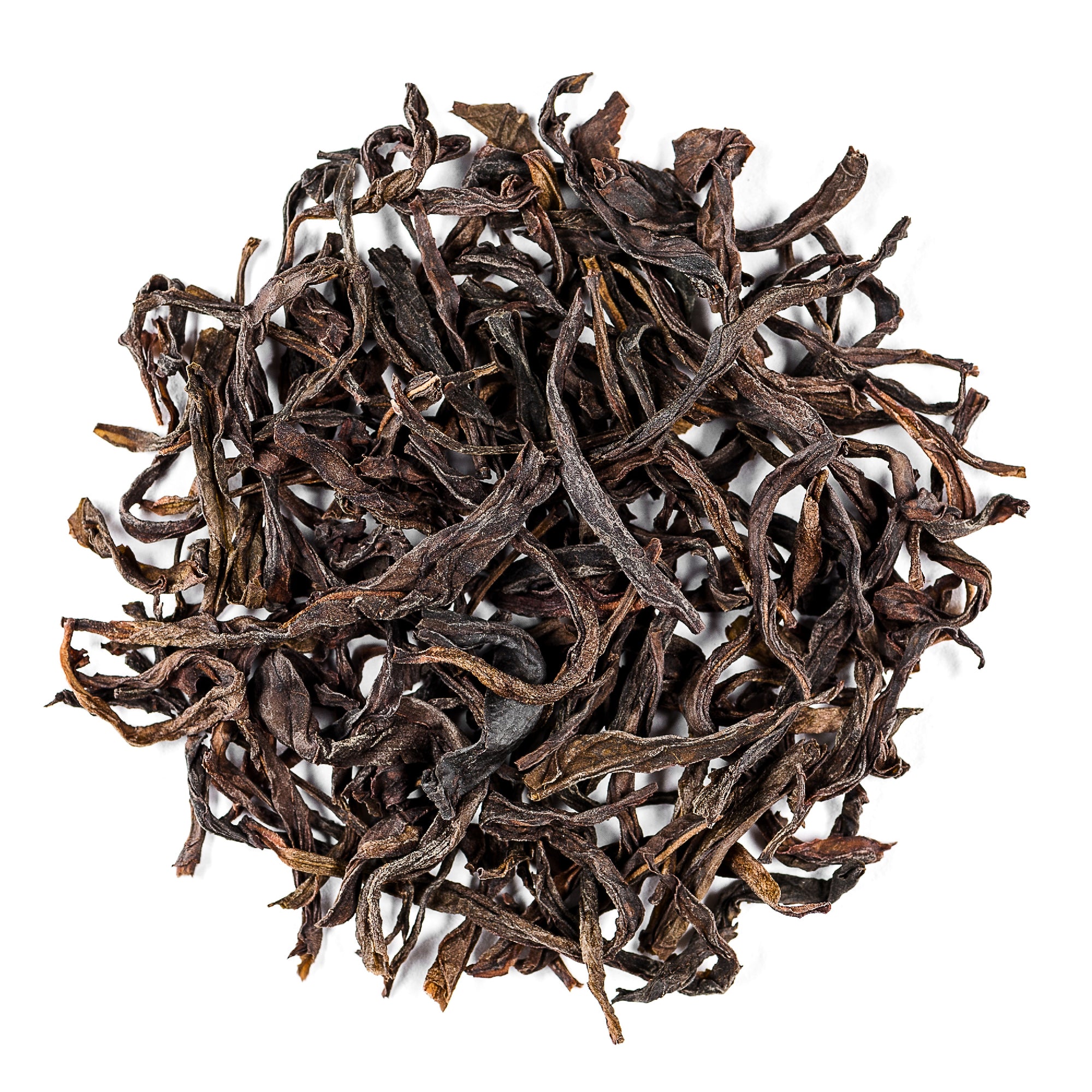
Da Hong Pao
Ausverkauft
Ausverkauft
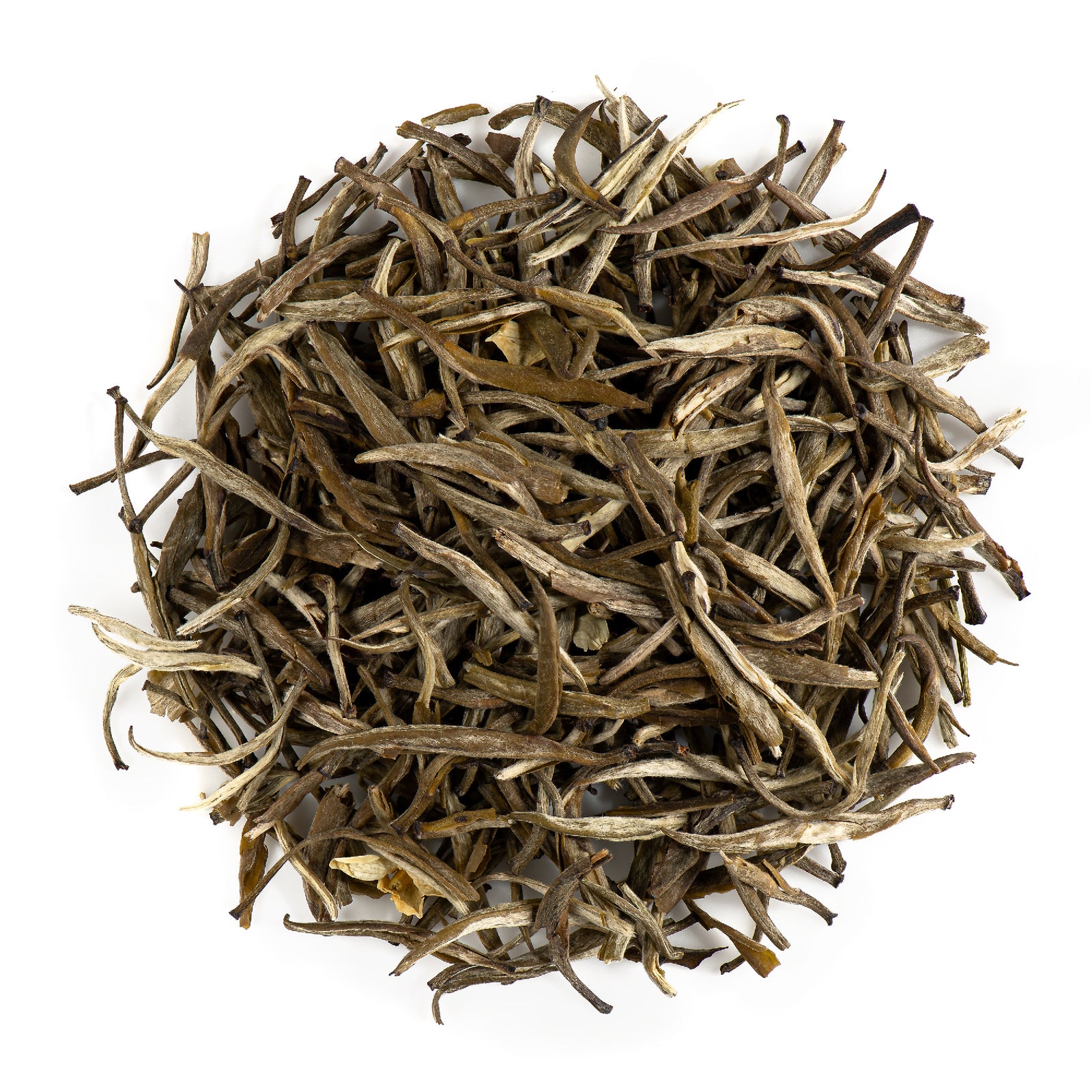
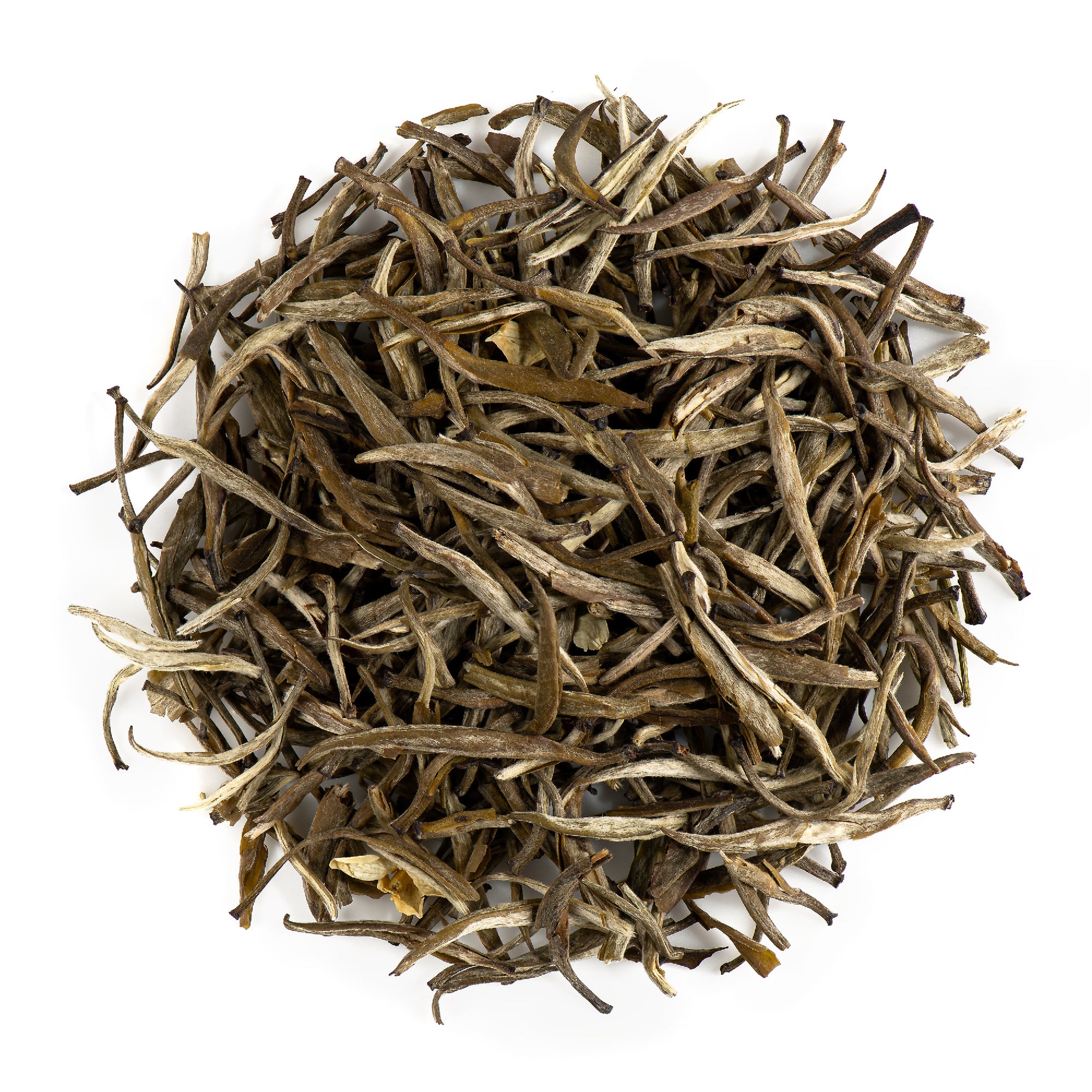
Jasmin Silbernadel
Ausverkauft
Ausverkauft
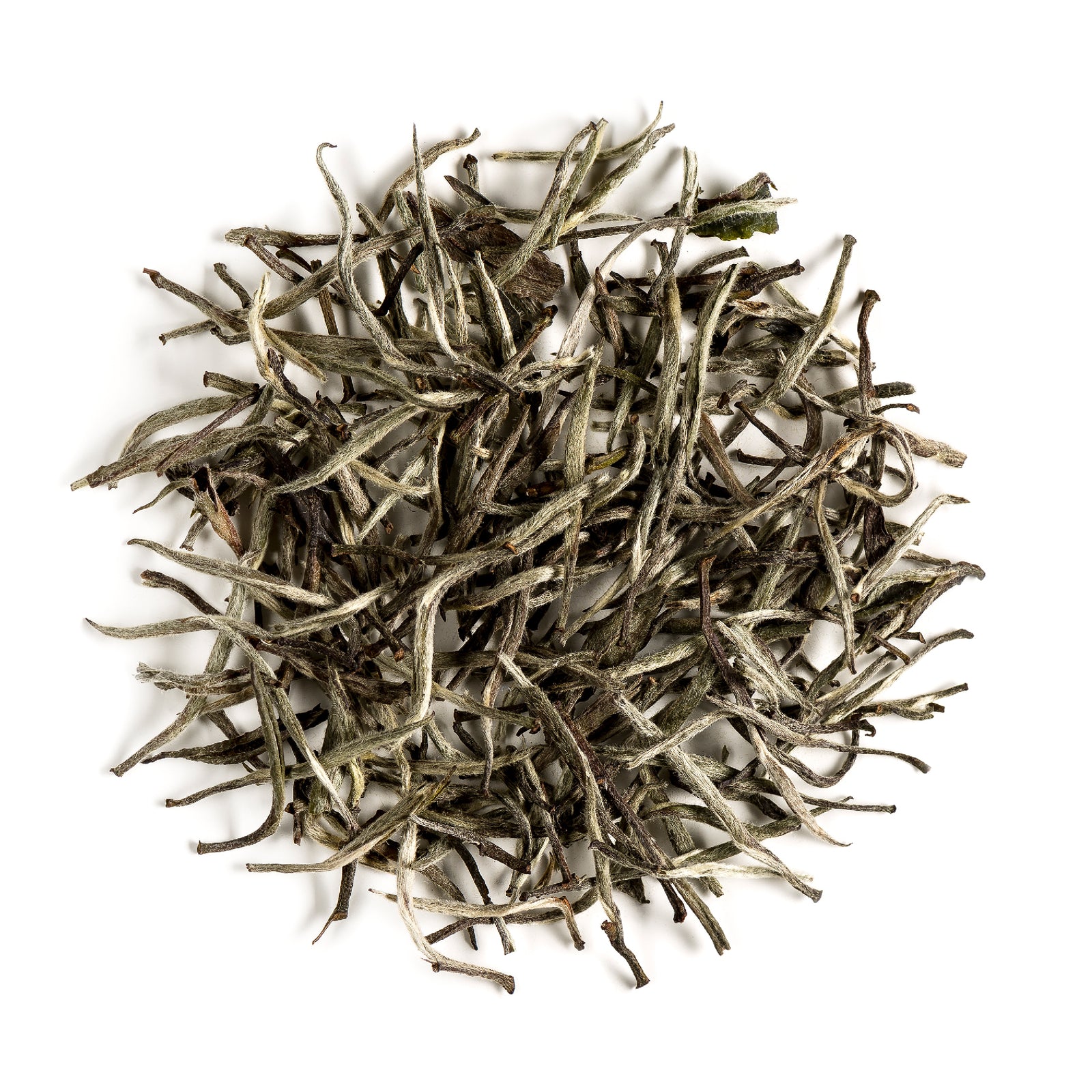
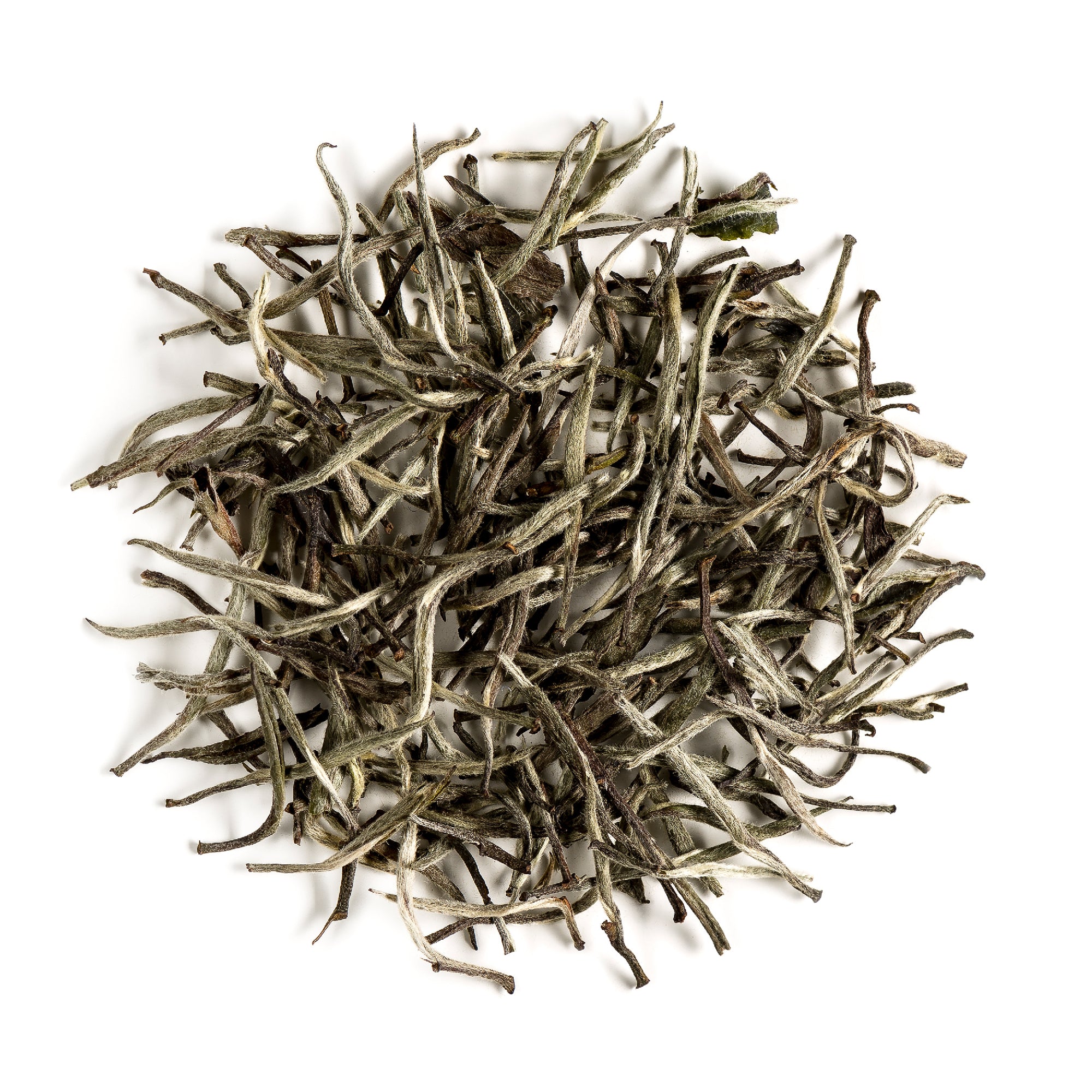
Silver Needle Pur
Ausverkauft
Ausverkauft
Koreanischer Ginseng
Ausverkauft
Ausverkauft
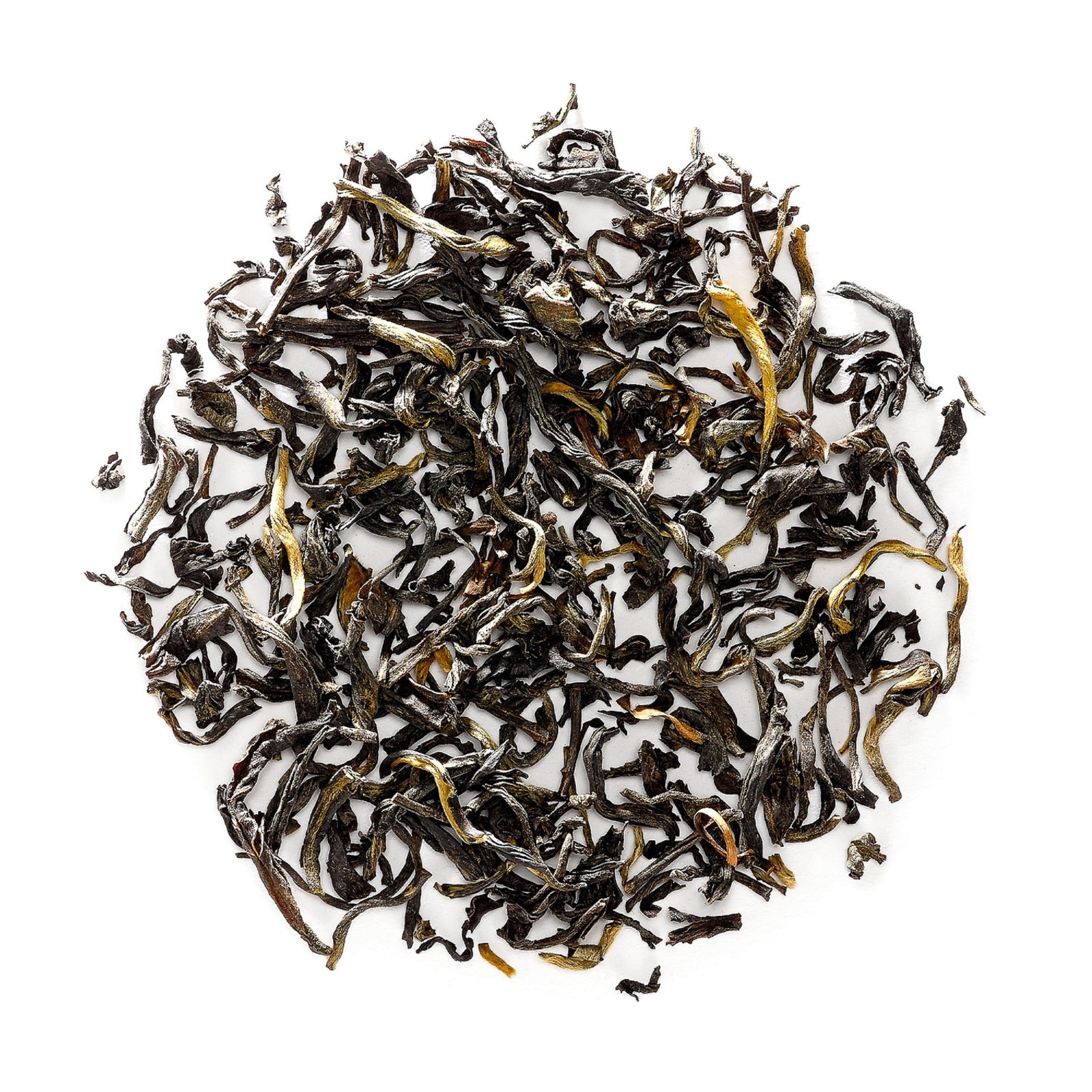
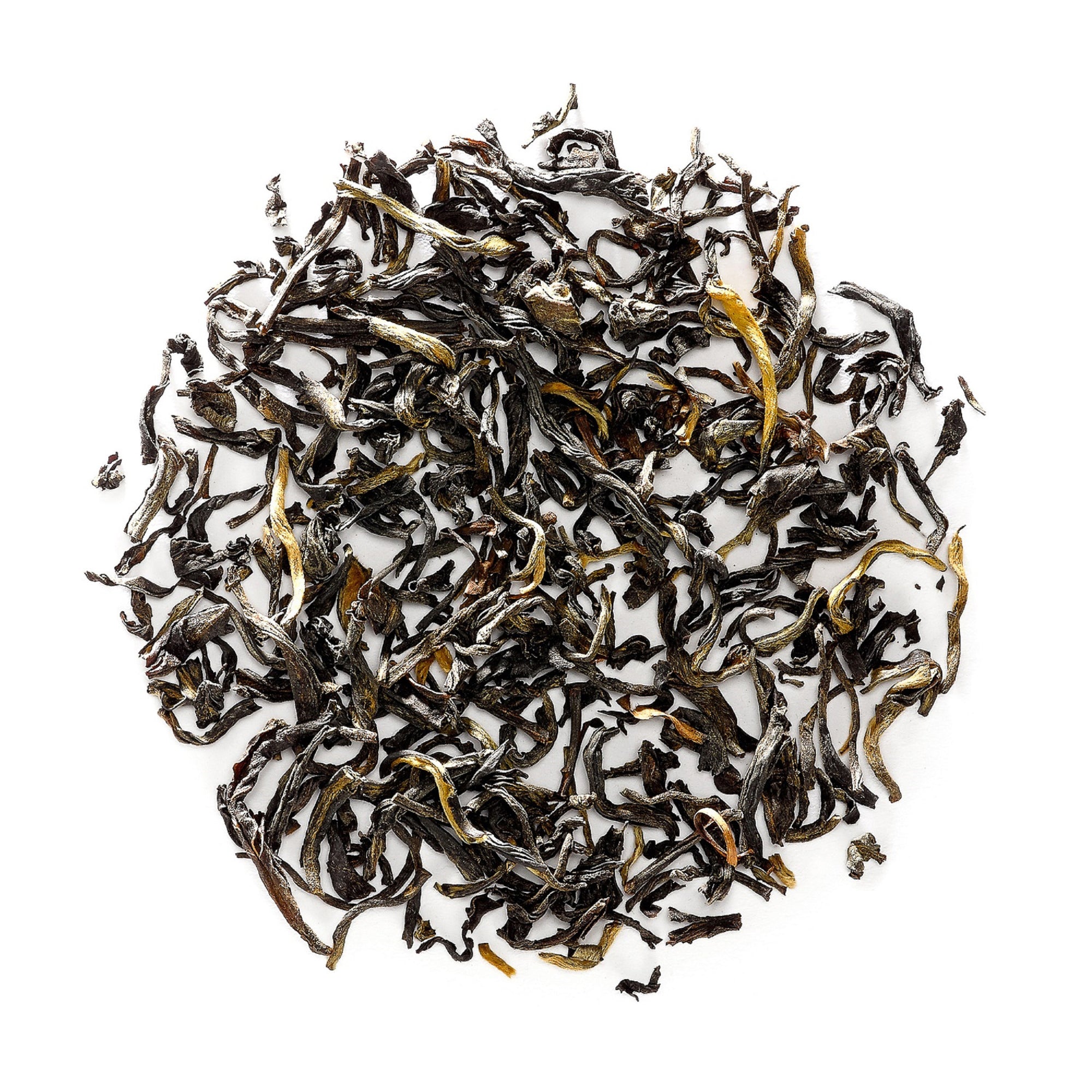
Ying Hong
Ausverkauft
Ausverkauft
Yunnan Dian Hong
Ausverkauft
Ausverkauft
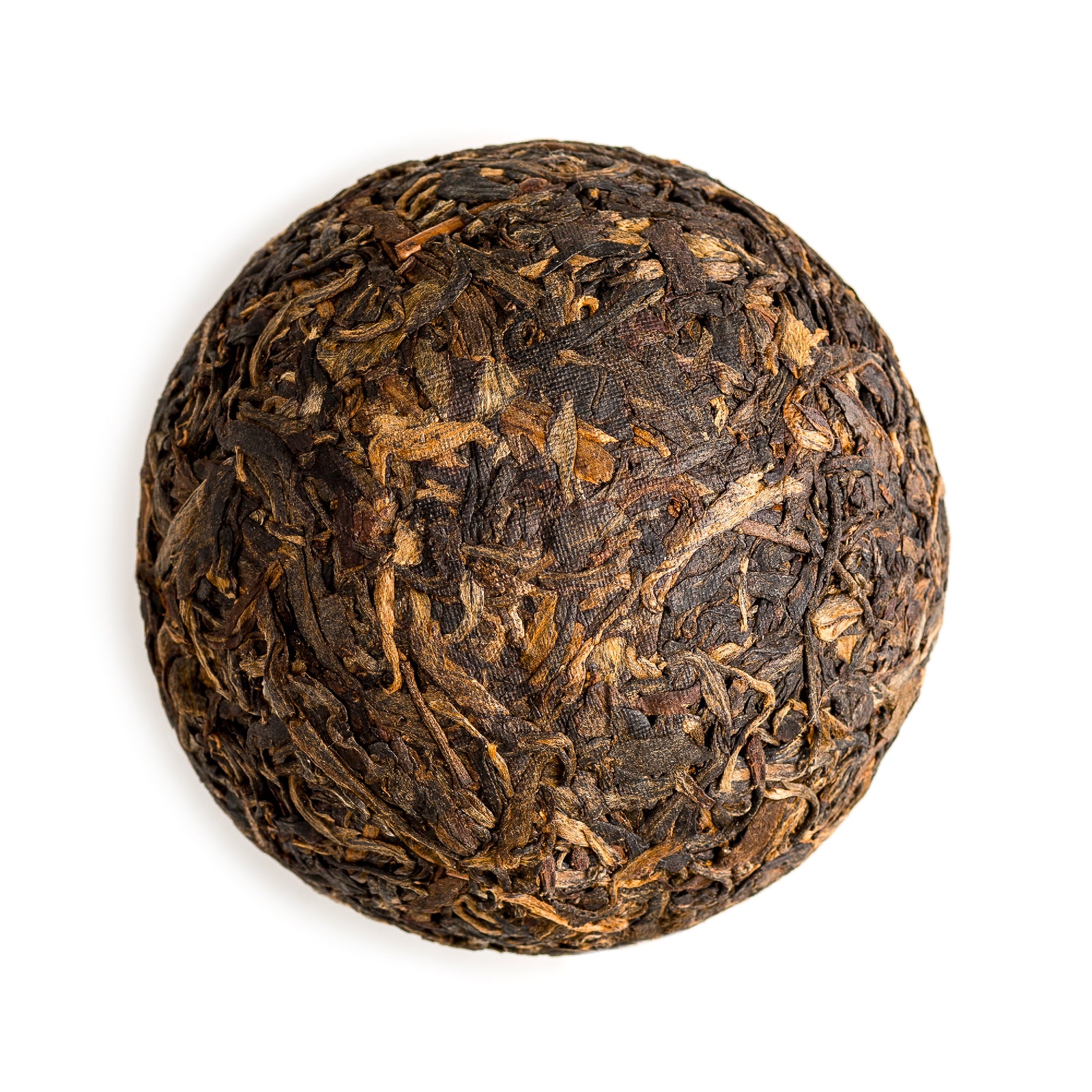
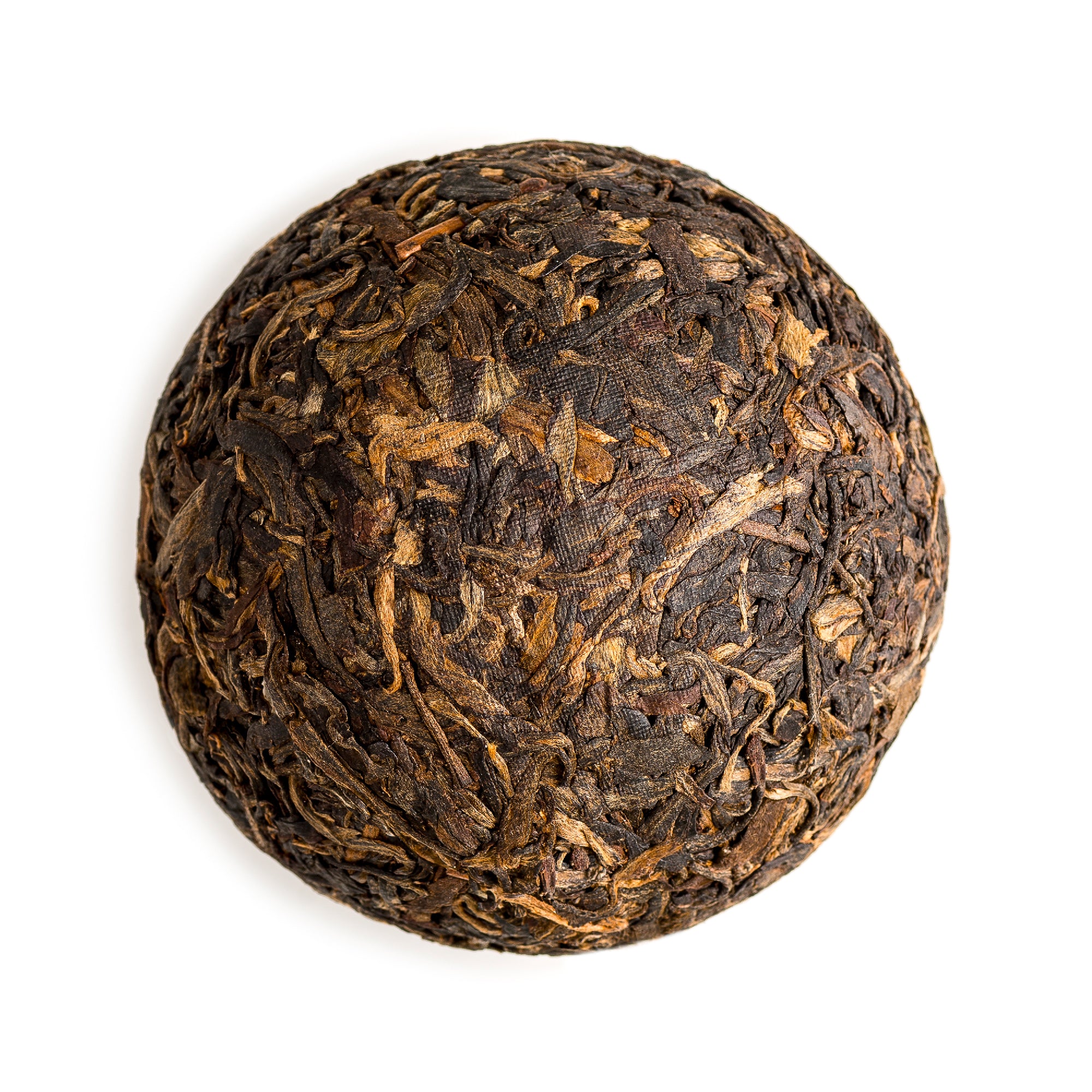
Toucha
Ausverkauft

Ausverkauft
Lapsang Souchong
Ausverkauft
Ausverkauft
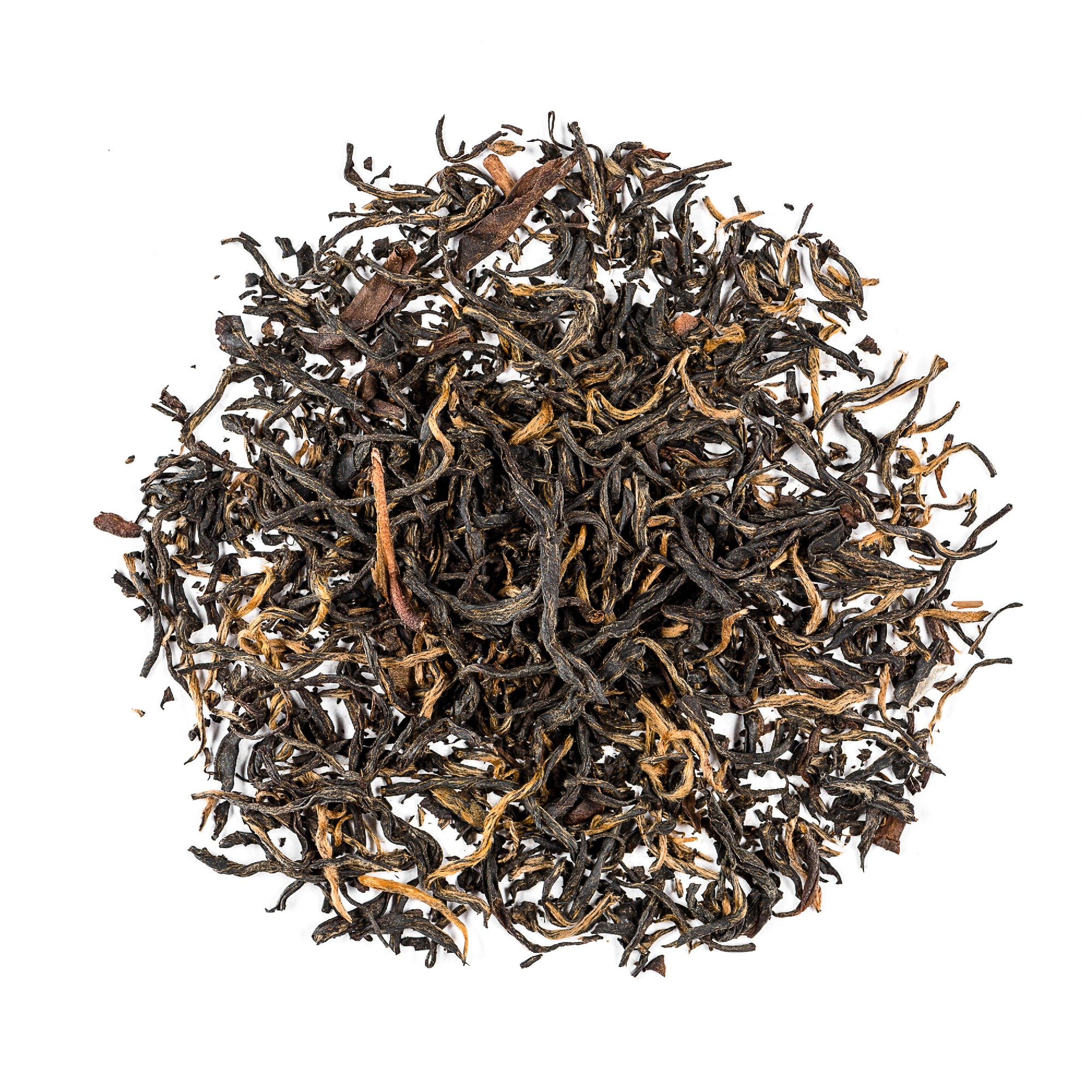
Bailin Gongfu
Ausverkauft

Ausverkauft
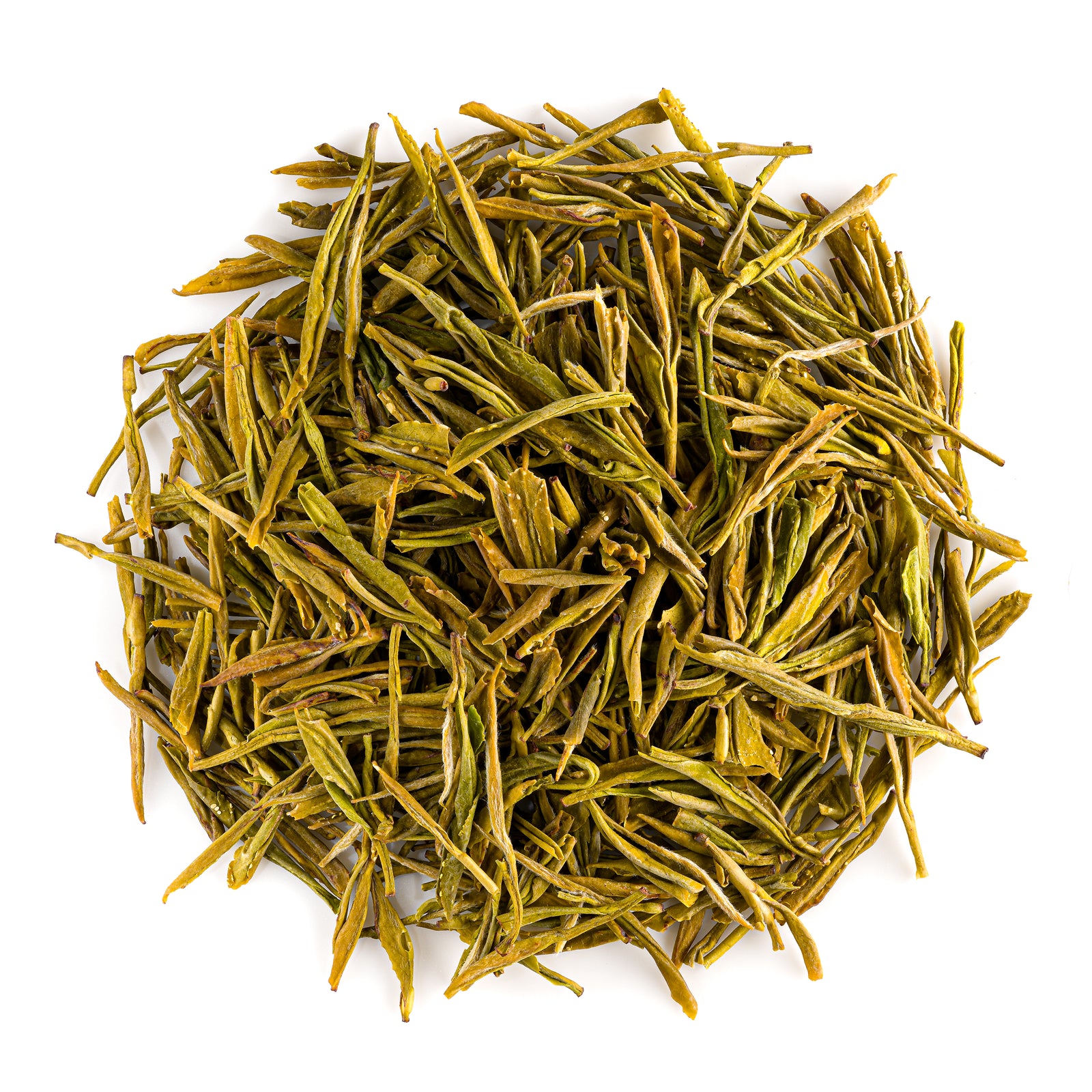
Huoshan-Gelbtee
Ausverkauft