










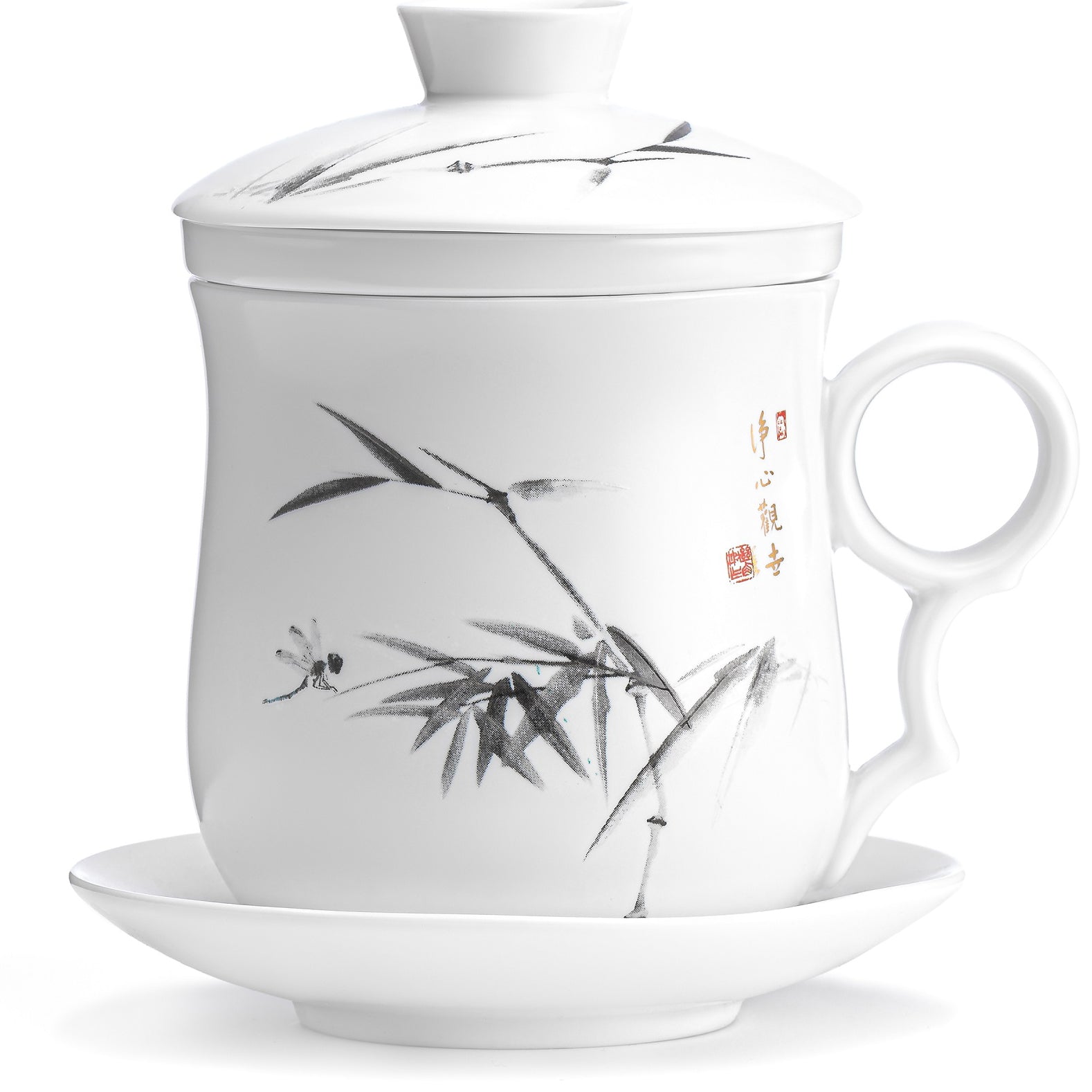


Oolong Tee
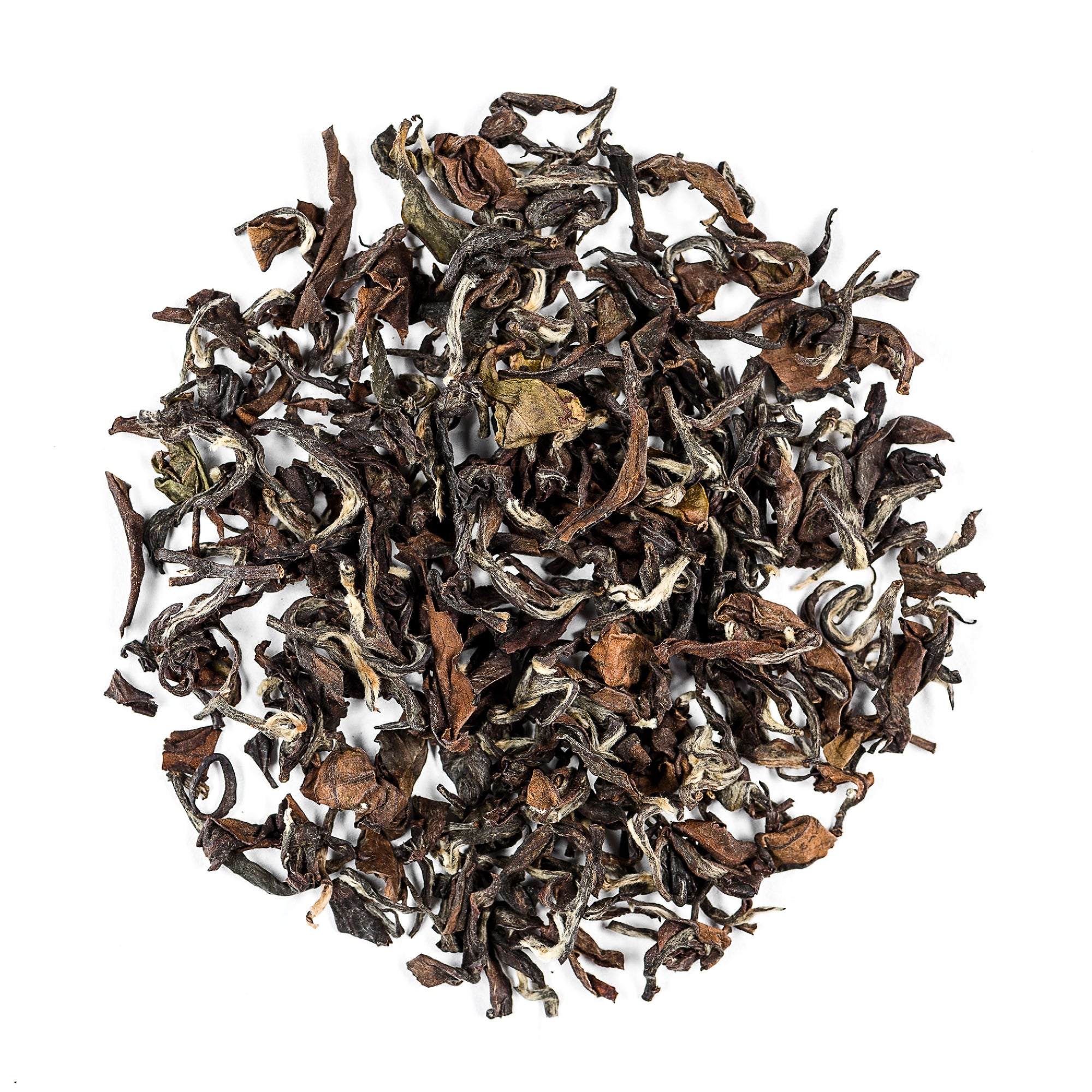
Oolong is a partially oxidised tea made from Camellia sinensis, sitting between green tea and black tea in style. The level of oxidation varies widely, which is why oolongs range from light and floral to dark, roasted and full-bodied. Much of the world's oolong comes from China (Fujian and Guangdong) and Taiwan, where different cultivars and processing methods give each tea its character.
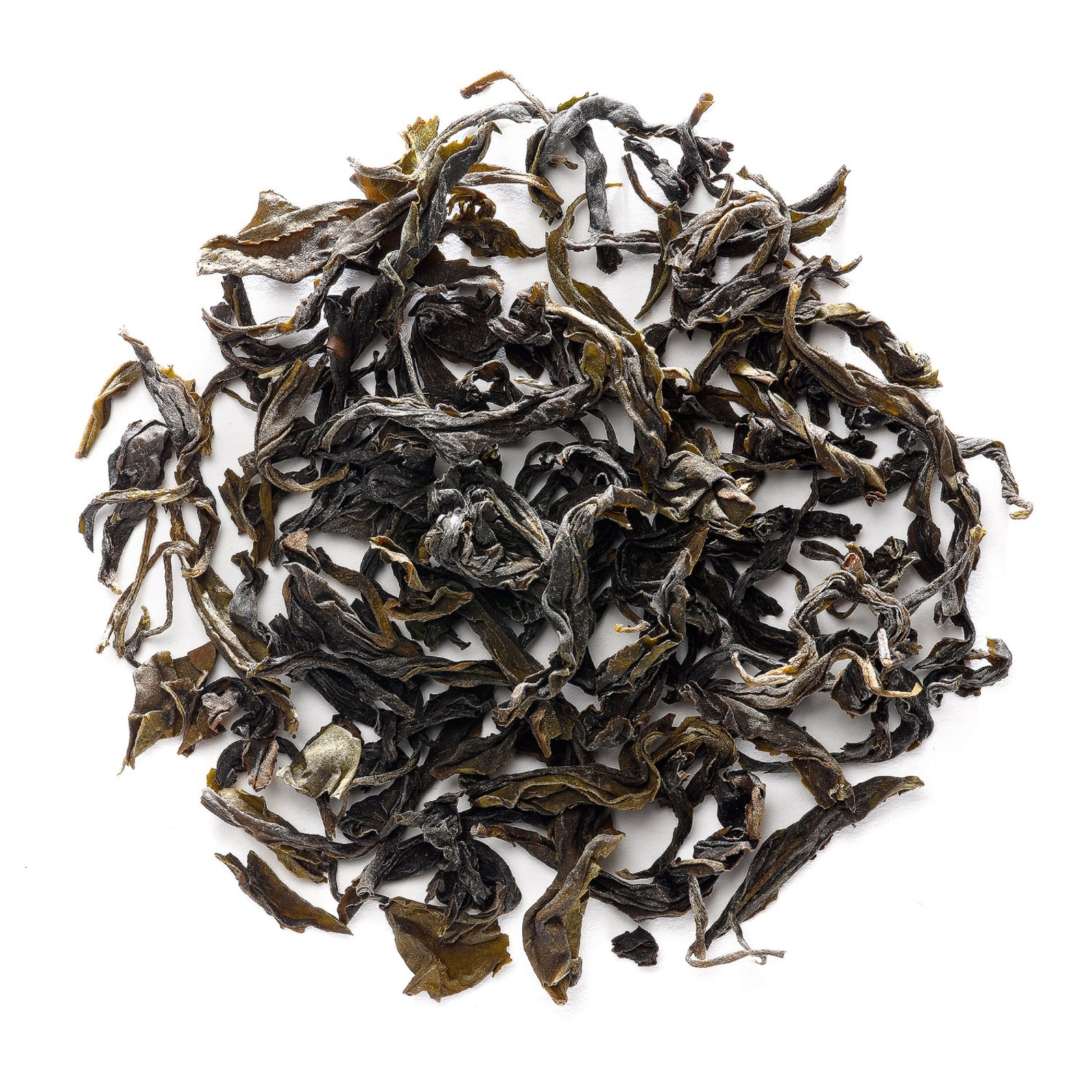
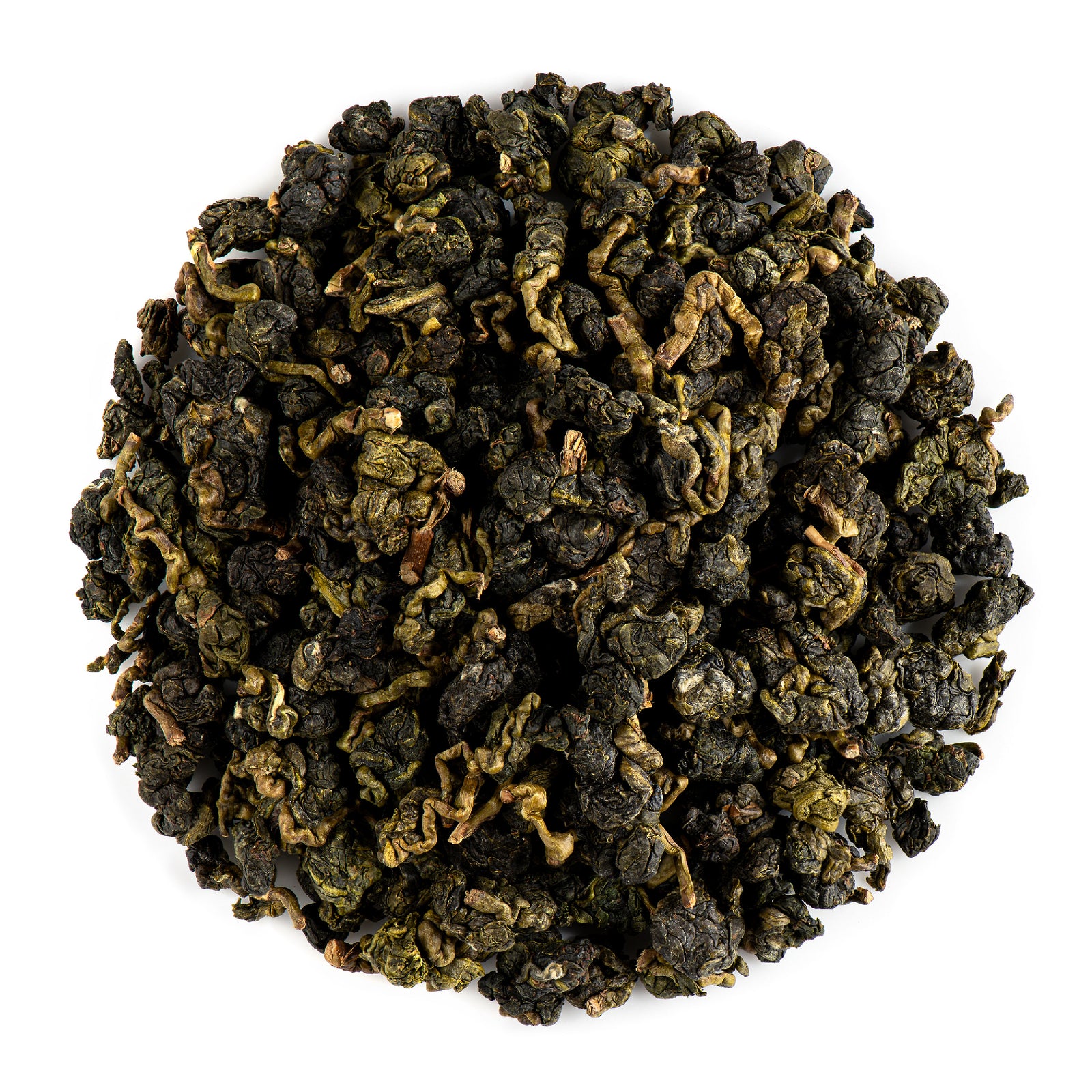
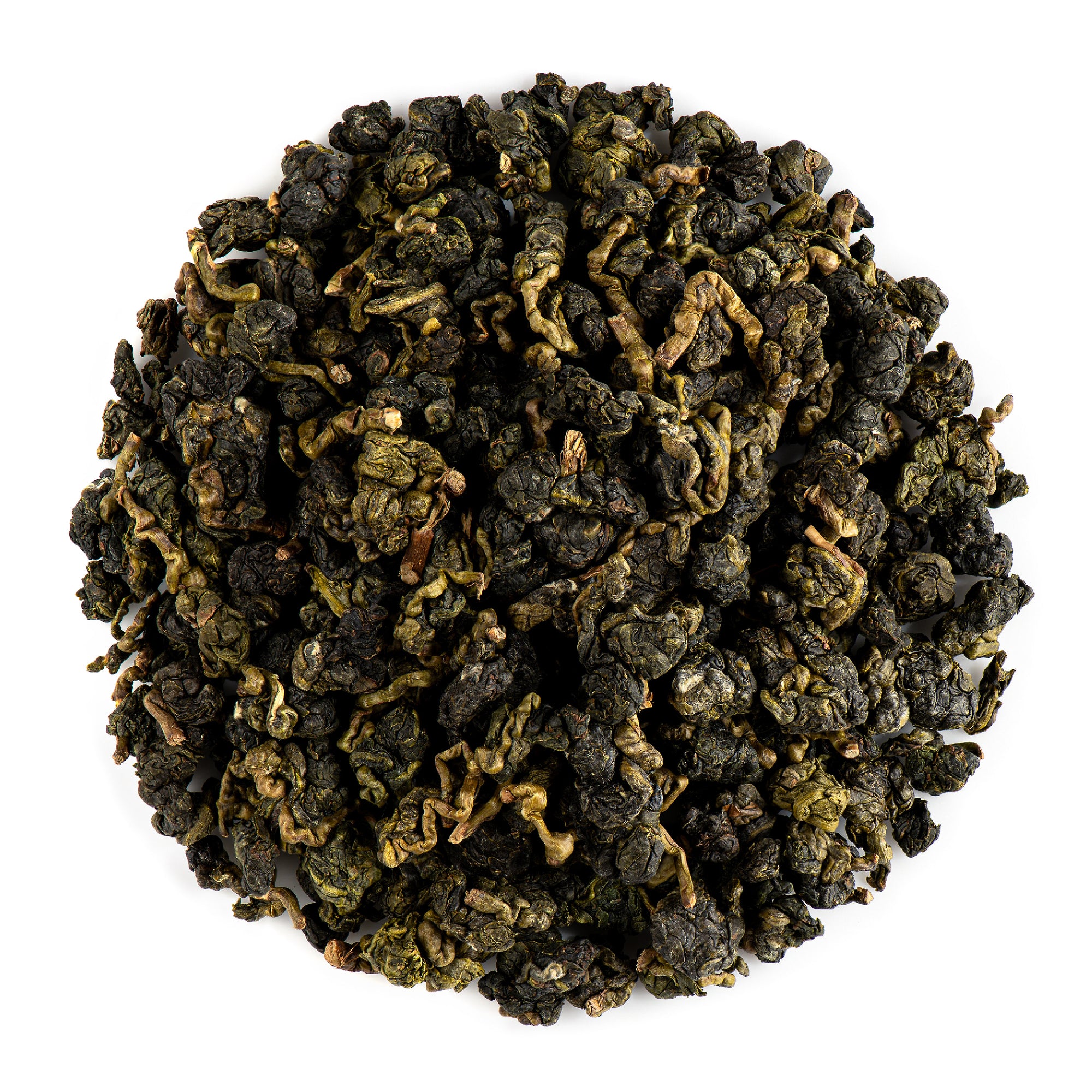
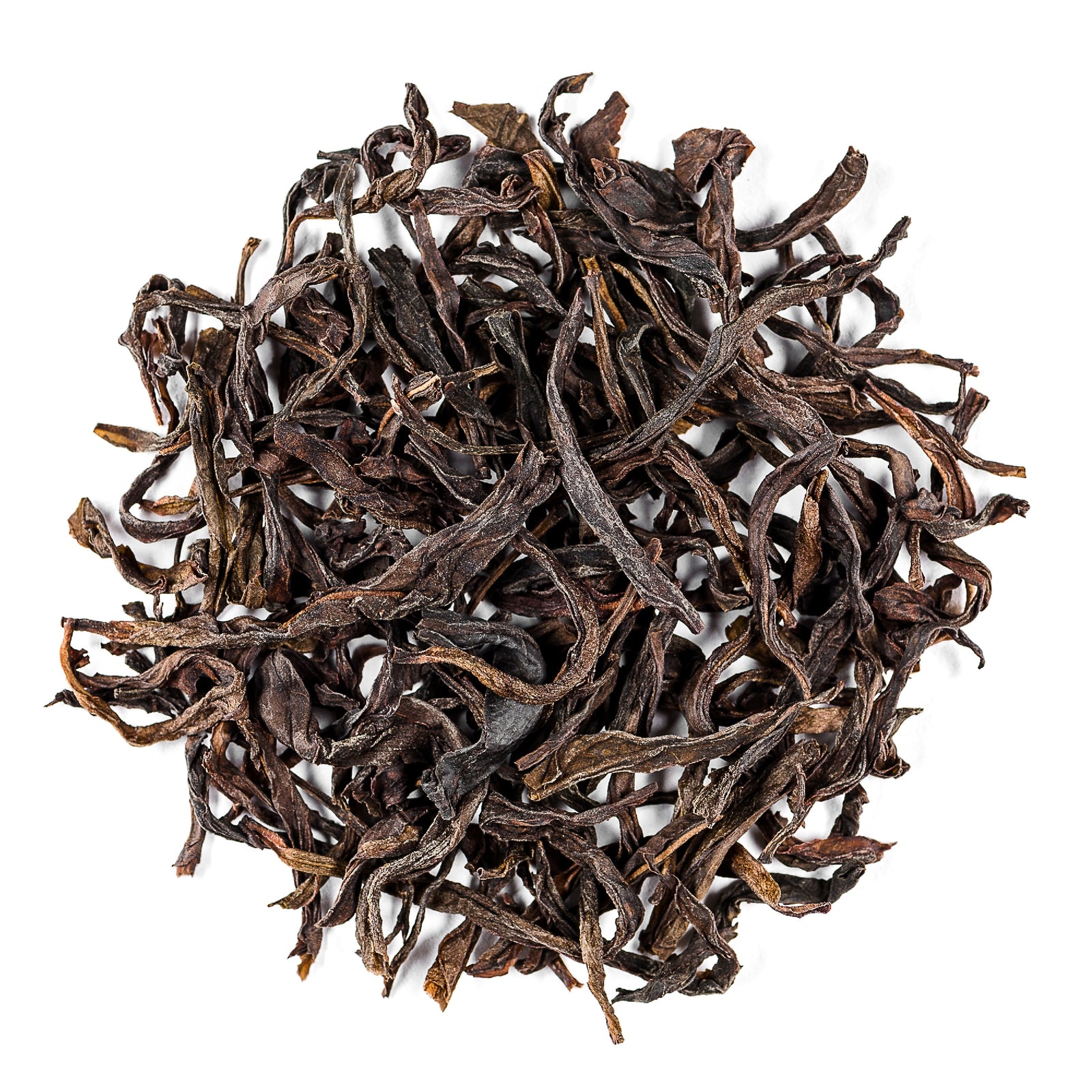
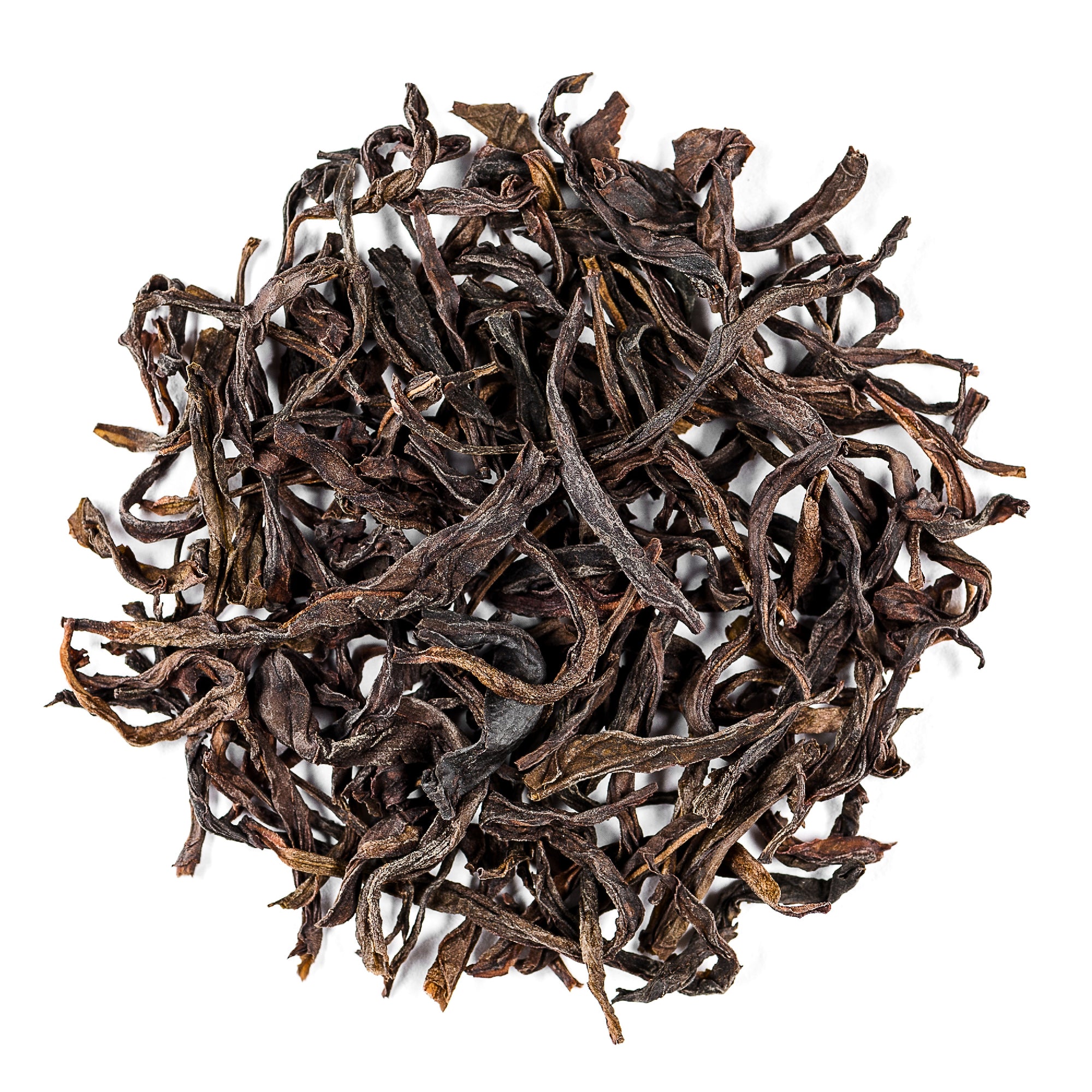
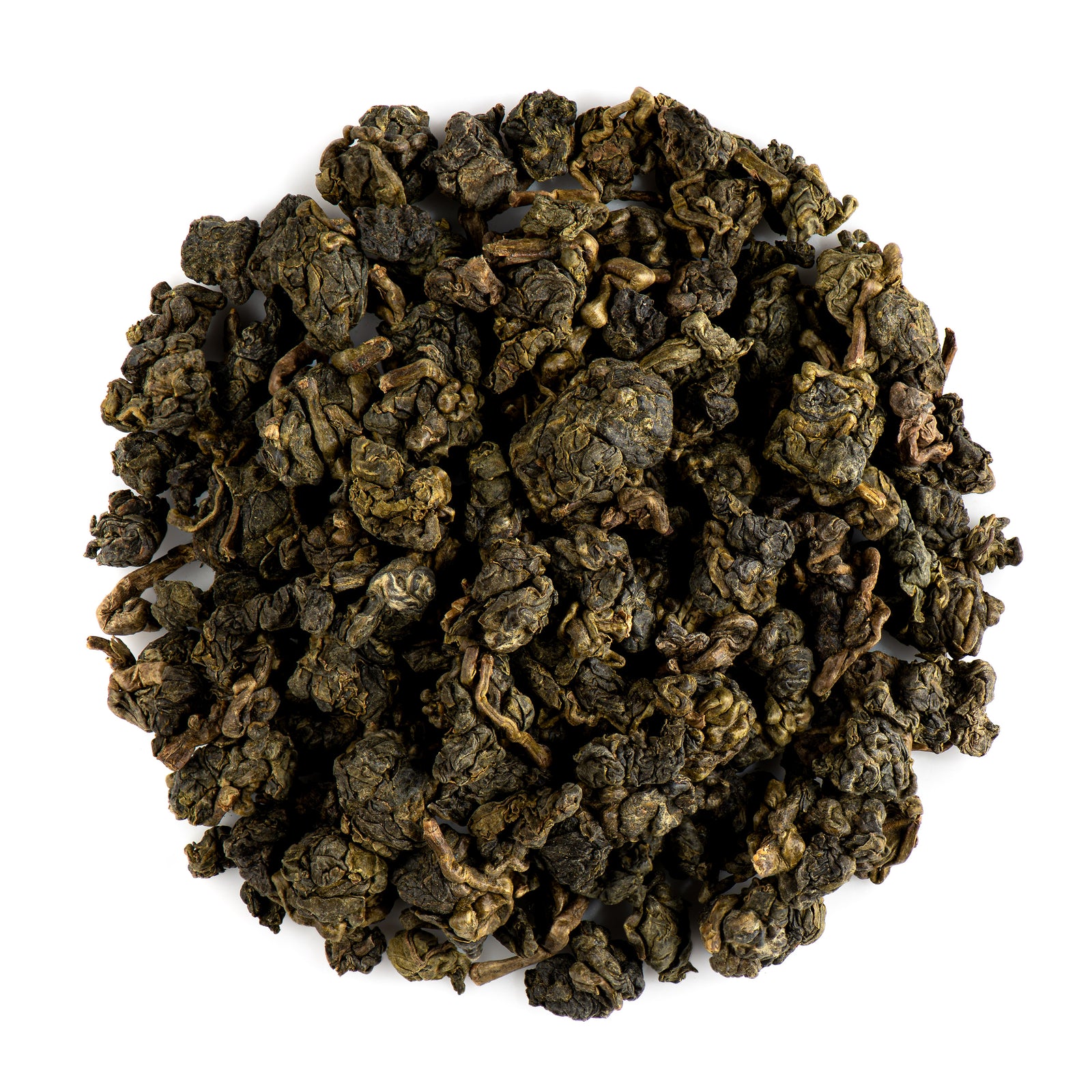
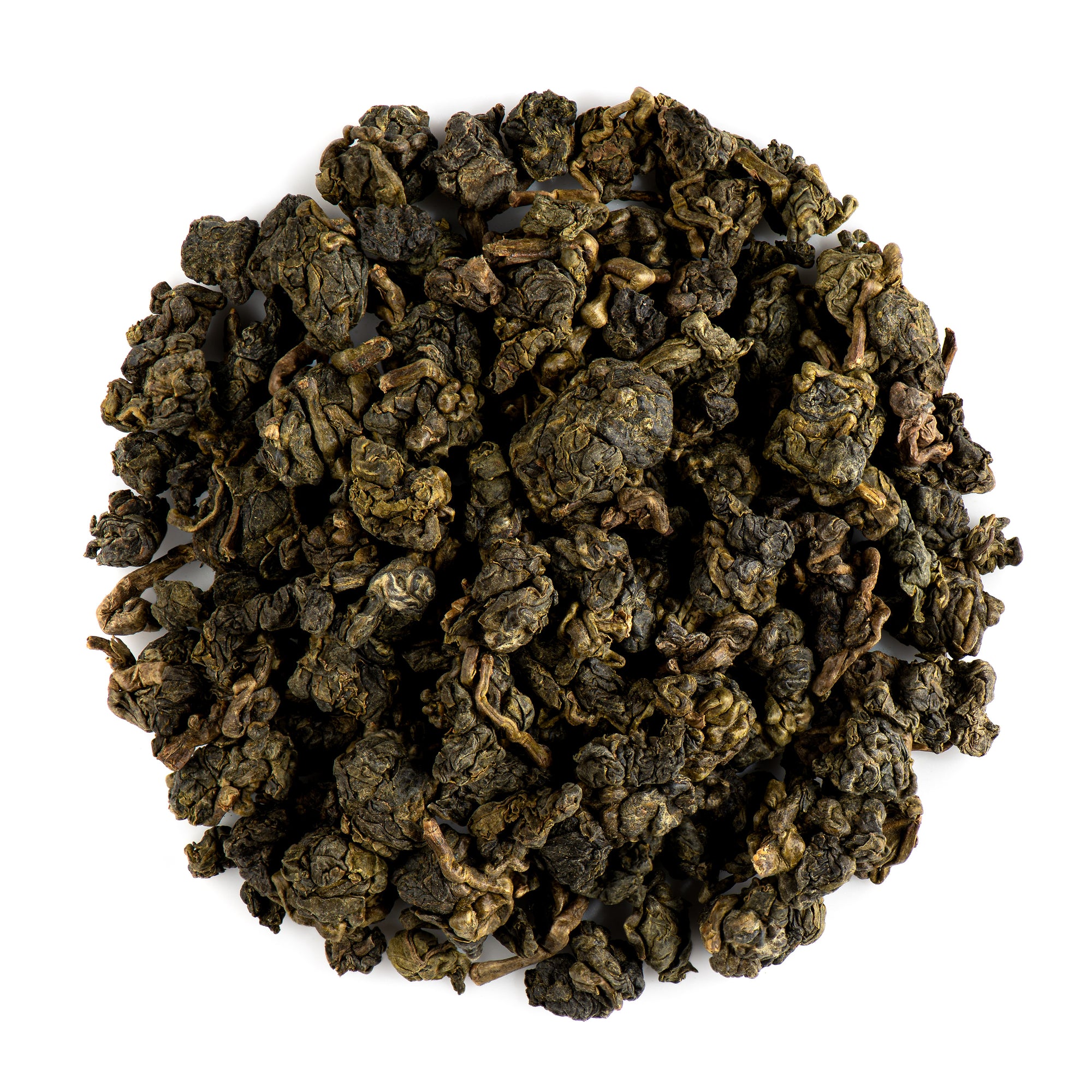
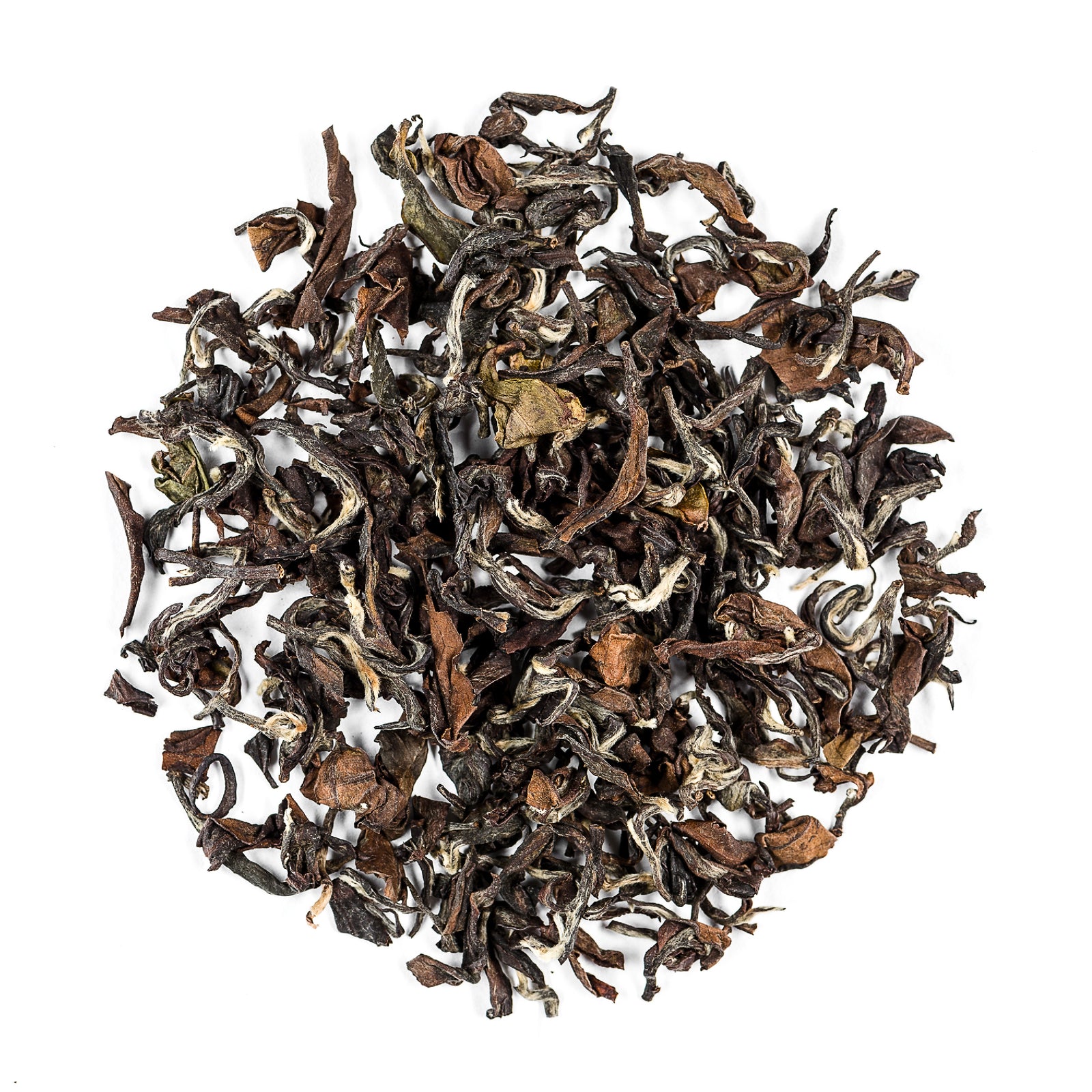
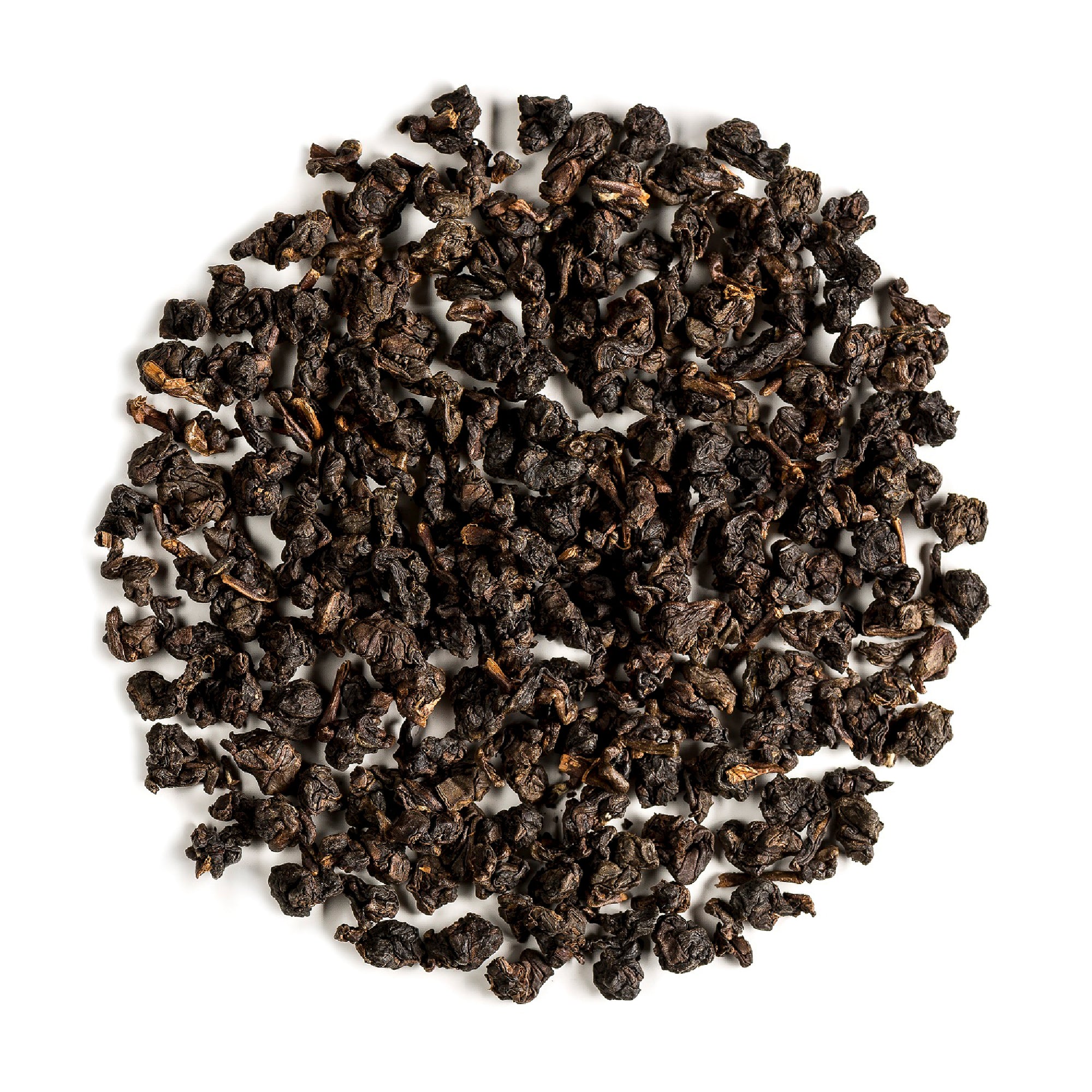
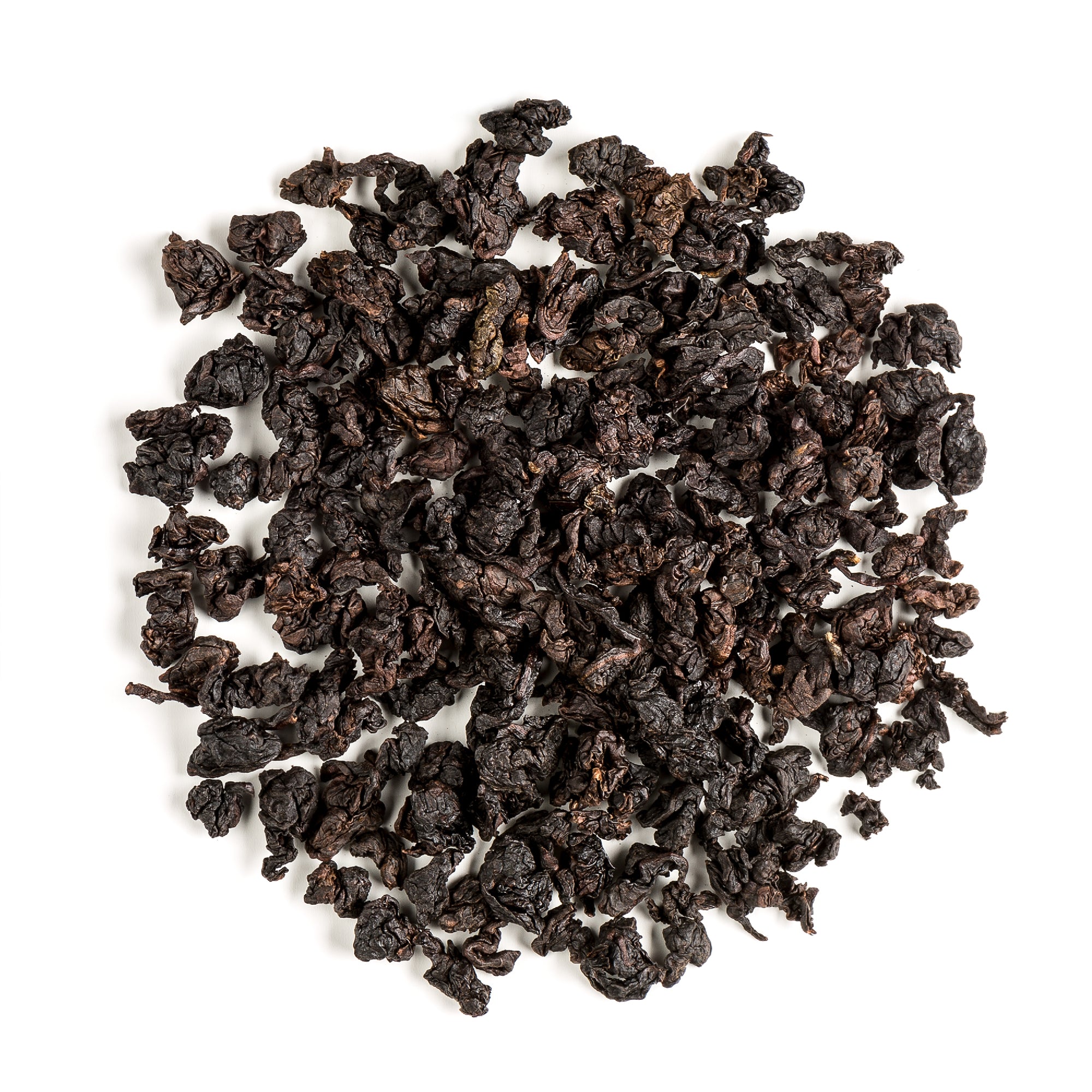
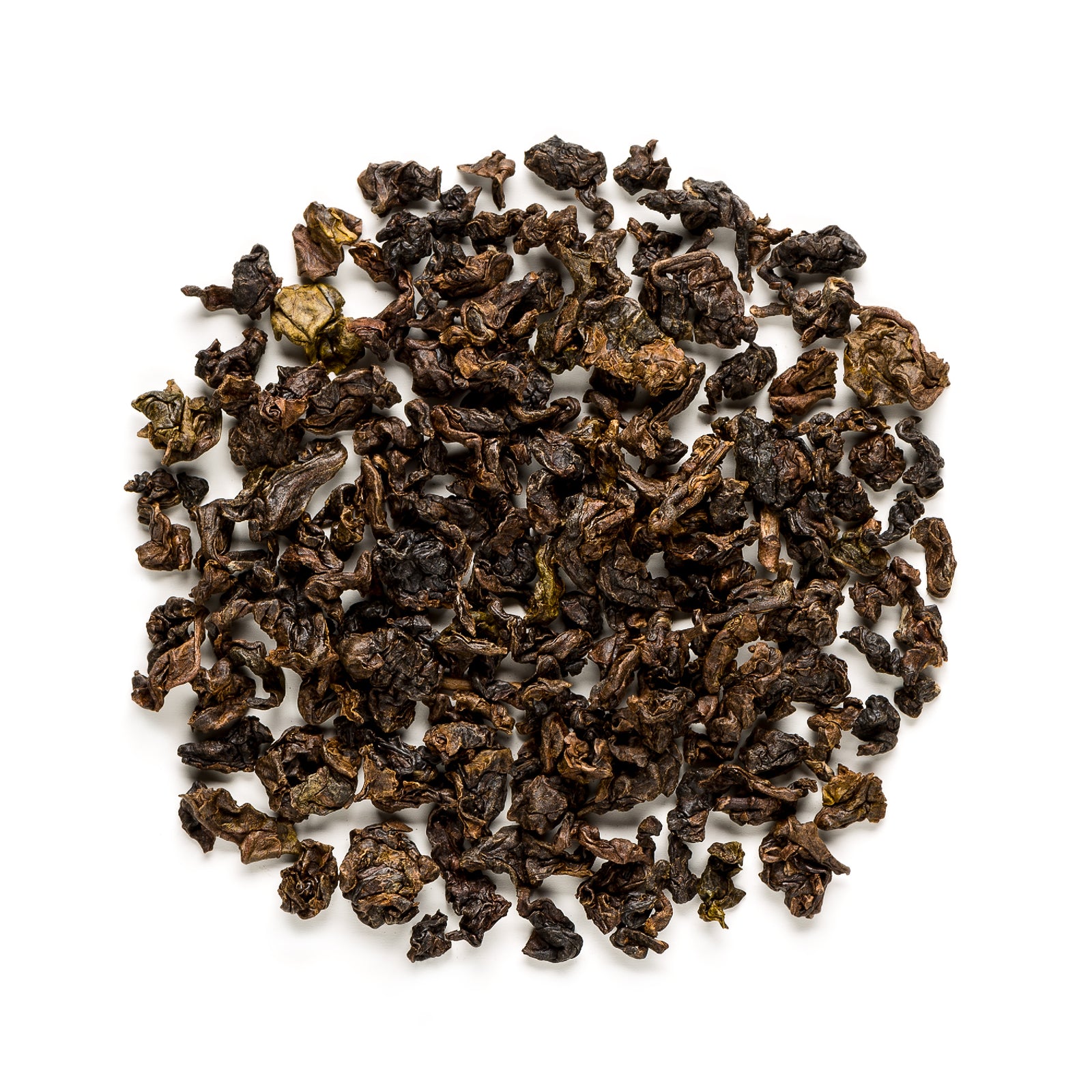
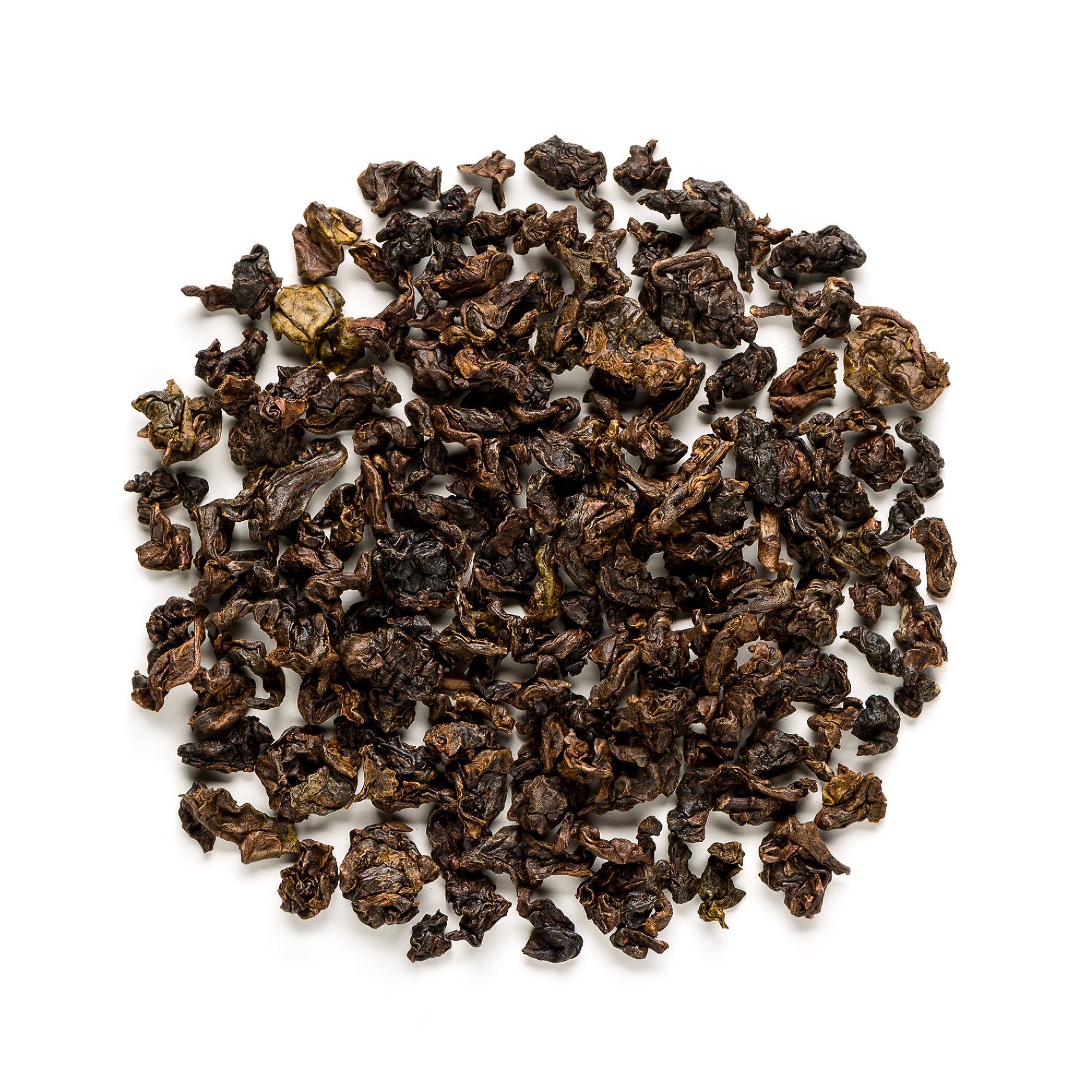
The craft of oolong lies in the making: leaves are withered, bruised at the edges, partly oxidised and then fired, often rolled into tight balls or twisted strips. Lighter oolongs such as high-mountain Taiwanese teas lean floral and creamy, while darker, roasted styles like traditional Wuyi rock teas carry toasted, mineral notes.
Oolong contains caffeine and is well suited to multiple short infusions, where the same leaves open up and shift in flavour across several brews. This collection gathers oolongs across the oxidation spectrum so you can explore the range.
Frequently asked questions
What makes oolong different from green and black tea?
Oolong is partially oxidised, placing it between green tea (unoxidised) and black tea (fully oxidised). The degree of oxidation and any roasting shape its flavour, which can run from light and floral to dark and toasted.
Does oolong tea contain caffeine?
Yes. Oolong is made from Camellia sinensis and naturally contains caffeine. The exact level varies by tea and by how you brew it.
How do I brew oolong tea?
Use about 1 teaspoon per cup with water around 90 to 95 C and steep for 2 to 3 minutes. Oolong also suits multiple short infusions with more leaf and less water, re-steeping the same leaves several times.
Can I re-steep oolong leaves?
Yes. Good rolled oolongs open gradually and can be infused several times, with the flavour developing across brews. Extend the steeping time slightly with each successive infusion.

Ausverkauft
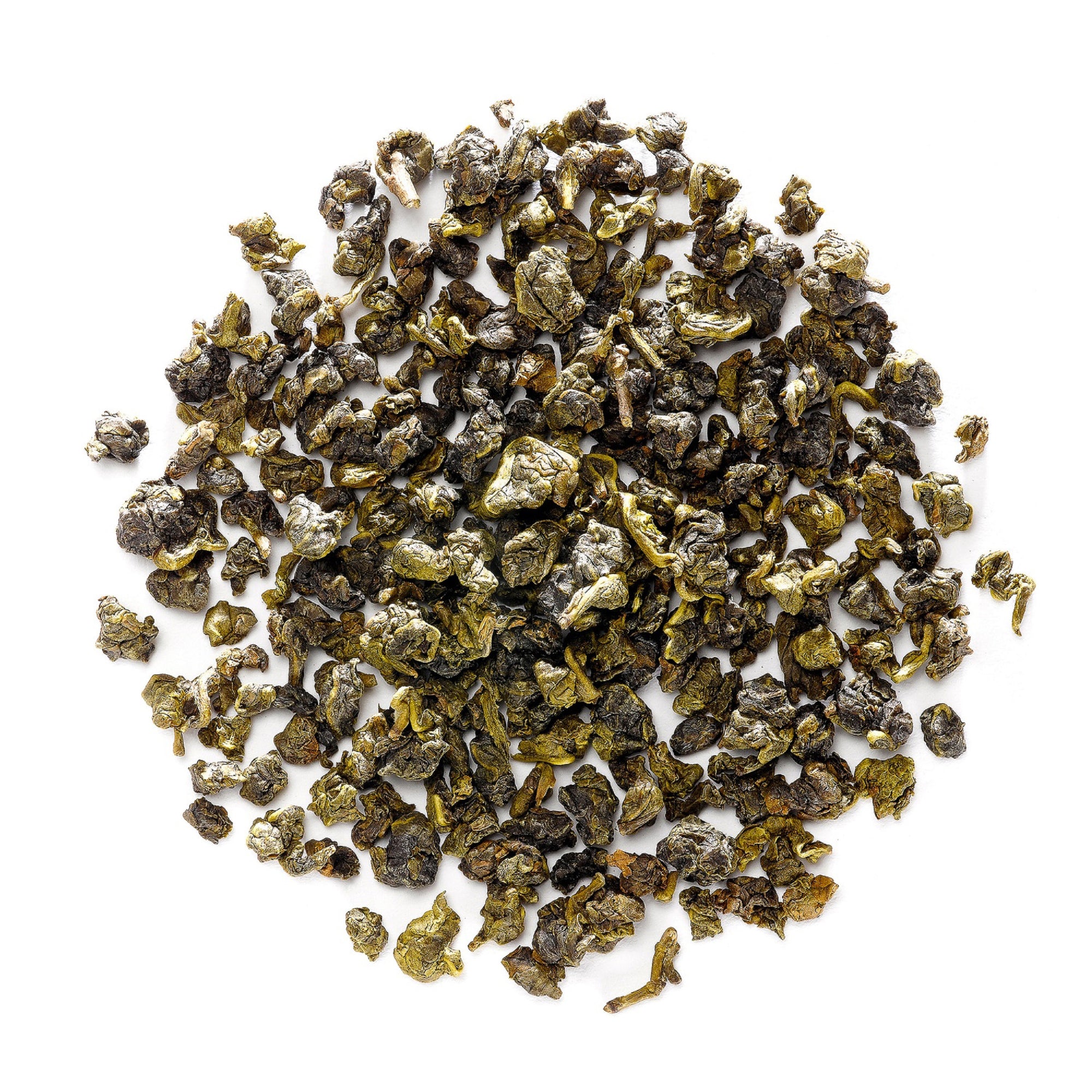
Hochgebirgs Oolong
Ausverkauft


Ausverkauft
Milk Oolong
Ausverkauft

Ausverkauft
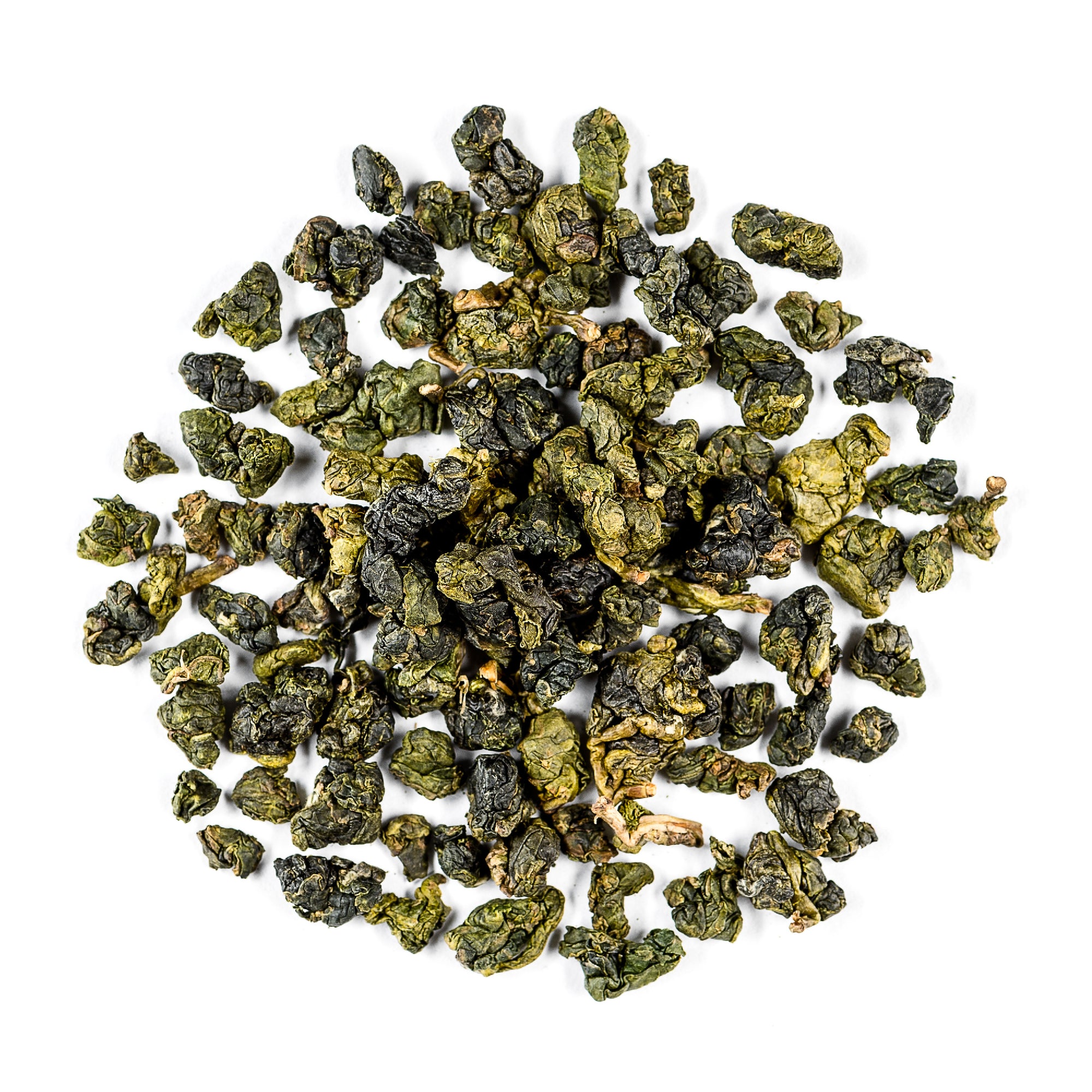
Alishan Oolong
Ausverkauft

Ausverkauft
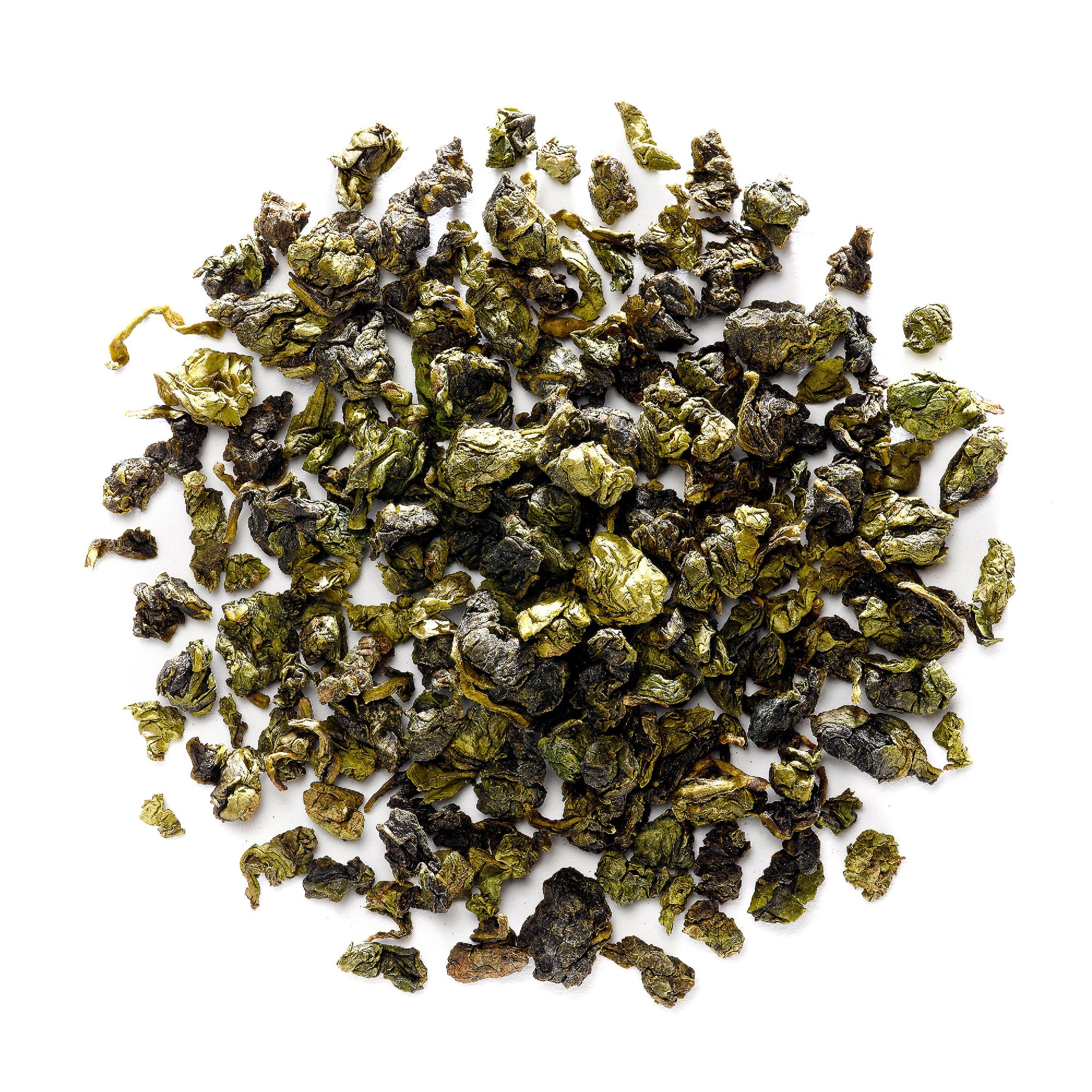
Tieguanyin Licht
Ausverkauft


Ausverkauft
Gaba Oolong
Ausverkauft
Ausverkauft
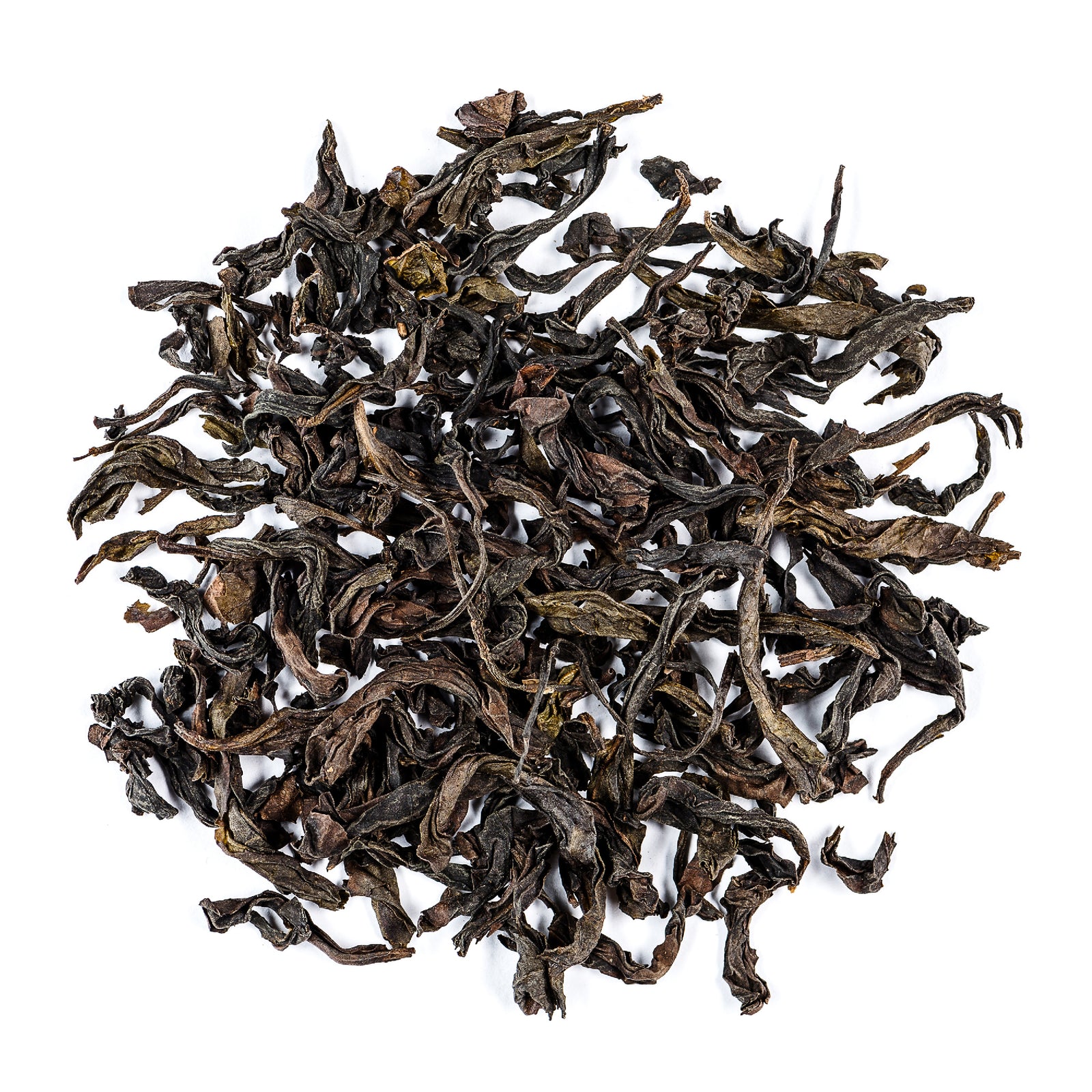
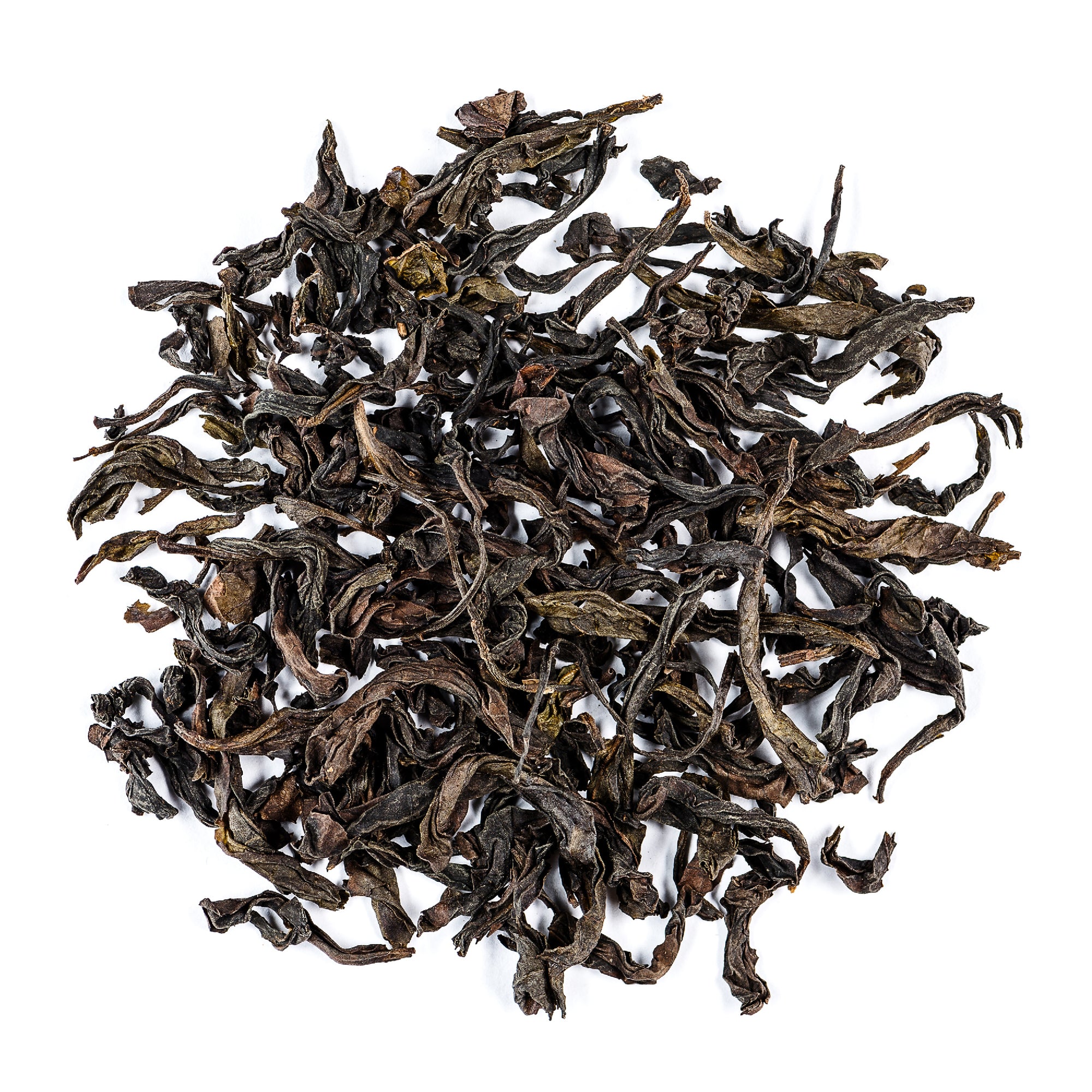
Da Hong Pao
Ausverkauft