













Lemon Balm Tea Guide: 5 Easy Brew Ideas for Fresh, Lemony Flavor
Lemon balm tea is one of the most approachable herbals you can brew — fresh or dried, plain or blended, iced or hot. Melissa officinalis belongs to the mint family, and its soft lemon scent is unmistakable the moment you bruise a leaf between your fingers. This complete guide to lemon balm tea covers everything practical: how to brew it correctly, how to grow it without it taking over, how to store it, and five brew ideas worth trying at home.
What this post does not do is repeat what we cover in our separate piece on lemon balm. Here, I want to focus on the practical side: leaves in a cup, and what to do with them.
What Is Lemon Balm Tea
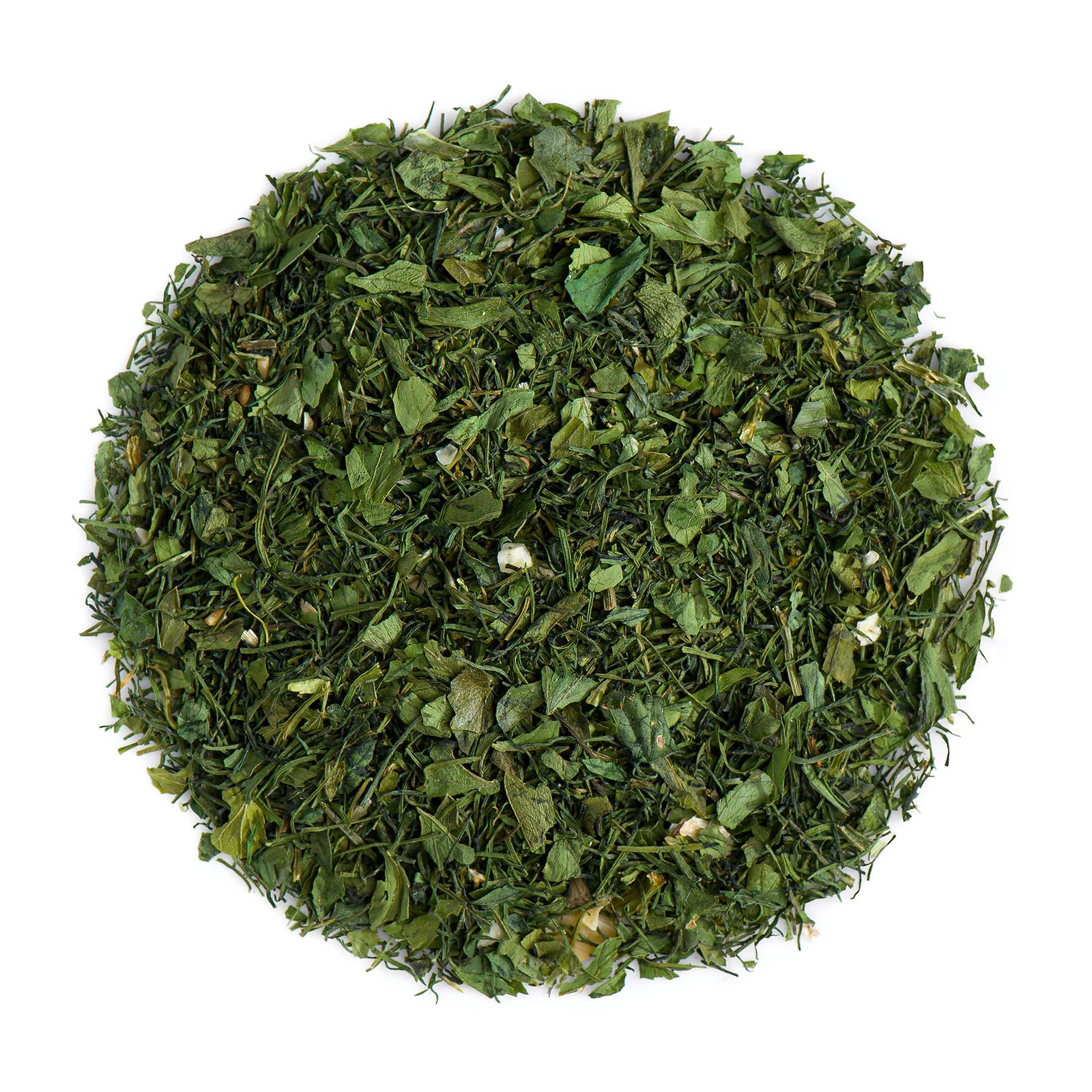
Lemon balm tea is a caffeine-free herbal infusion made from the leaves of Melissa officinalis, a perennial herb native to the Mediterranean basin. The name "melissa" comes from the ancient Greek word for honeybee. The flavour is gentle and clean: a citrus note that reads as lemon without sharpness, a faint hint of mint, and a thin, light body.

No tannins, so never astringent. Fresh leaves produce a brighter, more floral infusion. Dried leaves are slightly more muted and earthy.
How to Make Lemon Balm Tea
Use 5–8 fresh leaves or 1–2 tsp dried lemon balm per 250 ml cup. Water at 90–95°C. Steep 5–7 minutes, covered.
Covering the cup matters. The aromatic compounds — citral and citronellal — are volatile and escape in steam. This is actually the most common brewing mistake I see: people leave the cup open and then wonder why the infusion tastes flat. Keep the lid on for the full steep time.

Fresh leaves: tear or bruise before steeping. Dried: 1–2 tsp, same temp and time. Cold infusion: 8–10 fresh leaves in 500 ml cold water, refrigerate 4–6 hours — notably clean result.
Growing Your Own Lemon Balm
Container growing is the practical solution — a pot 30 cm or wider. The plant spreads aggressively in open ground. Harvest before flowering for best essential oil content.
Cut stems back by one-third. Harvest in the morning — traditional practice among growers, and the plant is most aromatic before the afternoon heat.
Drying: tie small bunches, hang in warm dry space 7–14 days. Leaves should crumble easily when done. Store in airtight glass jar, use within 6–9 months.
History
Lemon balm appears in written records going back over two thousand years, from Dioscorides and Pliny to the herb gardens of medieval monasteries.
Carmelite Water — Eau de Mélisse des Carmes — attributed to Carmelite nuns in Paris and produced from the early 17th century onward. Combined lemon balm with lemon peel, nutmeg, clove, coriander, angelica root in spirit base. Remained commercially available well into the 20th century.
John Gerard's Herball (1597) included an entry on lemon balm. Thomas Jefferson grew it at Monticello.
Lemon Balm Tea Recipes and Blends
1. Plain lemon balm with honey — The simplest. Brew standard, add acacia or wildflower honey after removing leaves.
2. Lemon balm and chamomile evening blend — 1 tsp each per cup. Water at 88–90°C. Steep 5–6 min covered. German chamomile (Matricaria chamomilla) is our preference here — it has a rounder, more apple-like note that pairs better with lemon balm than Roman chamomile does.
3. Iced lemon balm tea — Cold infusion: 10–12 fresh leaves in 500 ml cold water, refrigerate 4–6 hours. Serve with lemon slice and mint sprig over ice.
4. Lemon balm with green tea — Brew Gunpowder at 80°C for 2 min, add 3–4 fresh lemon balm leaves, lid on, 2 more minutes. A bright, citrusy afternoon cup.
5. Lemon balm mojito-style mocktail — Muddle 6–8 fresh leaves with 1 tsp cane sugar. Add juice of half a lime and 150 ml cold-brew lemon balm tea. Top with sparkling water, ice, fresh mint sprig.

We've served versions of this at Valley of Tea events and people genuinely love it — especially paired with shortbread cookies. A tip worth trying: add a small amount of the lemon balm cold-brew liquid directly into the cookie dough as well.
Tips for Storage and Quality
Dried lemon balm: airtight container, away from light and heat, use within 9–12 months. Test: crush a pinch — clear lemon scent means still good. Look for green leaf colour, intact structure, printed harvest date.
Fresh leaves: 3–5 days in fridge wrapped in damp paper towel. Freeze: spread flat on tray, freeze, transfer to airtight bag.
Conclusion
Cover the cup while it steeps — that one step keeps the volatile aromatics in the brew. Start with the plain honey version, then try the chamomile evening blend or cold-brew iced version. We stock dried lemon balm at Valley of Tea — Melissa officinalis rewards a little attention without demanding much in return.
Related Articles
Laat een reactie achter
Reacties worden goedgekeurd voor ze verschijnen.
I18n Error: Missing interpolation value "titel" for "Ook in {{ titel }}"
The Complete Guide to Drinking Tea
What tea is, how the main types differ in the cup, and how to brew each one properly. Water temperature, steeping times, storage and how to get more than one cup from your leaves.
Lees Meer

Black Tea: Types, Processing, and How to Brew It
Black tea is fully oxidized Camellia sinensis. Compare Assam, Darjeeling, Keemun, and Ceylon varieties. Learn processing, brewing, and caffeine levels.
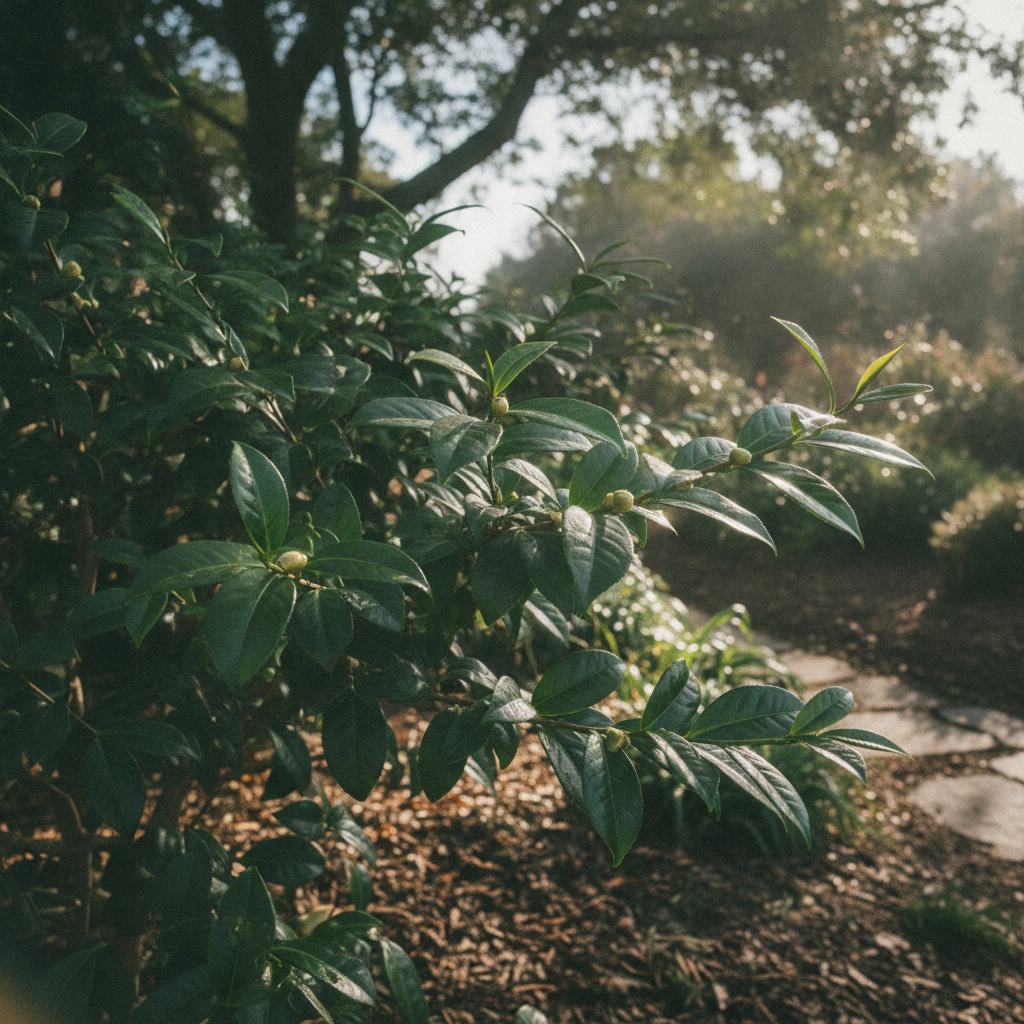

How To Grow Black Tea
Learn how to grow black tea at home: soil, climate, and the five processing steps from fresh leaf to a finished cup of black tea.

Wijsheid is de weg naar betere thee.
Ontvang onze gratis zetgids: het juiste water, de juiste temperatuur en de juiste trektijd voor elke thee die we verkopen. U hoort ook als eerste wanneer nieuwe oogsten binnenkomen.
Geen spam. U kunt zich altijd uitschrijven.
Kijk in uw inbox.
De gids is onderweg.