












Lemon Balm Tea: 10 Practical Ways to Brew and Enjoy It
Lemon balm (Melissa officinalis) is one of the more genuinely versatile herbs in our range, and most people use it for only one or two of its practical applications. If you are wondering what to do with lemon balm tea beyond a simple bedtime cup, the answer covers both drinking it and using it beyond the cup, hot and cold preparations, and a few culinary ideas most buyers never consider. These 10 uses range from traditional European folk customs to everyday kitchen ideas, and I have tried most of them.
5 Ways to Drink It
Lemon balm tea tastes best when the strength and steep time suit the moment you drink it. Strength and timing matter here more than with most herbal teas.
1. An evening cup
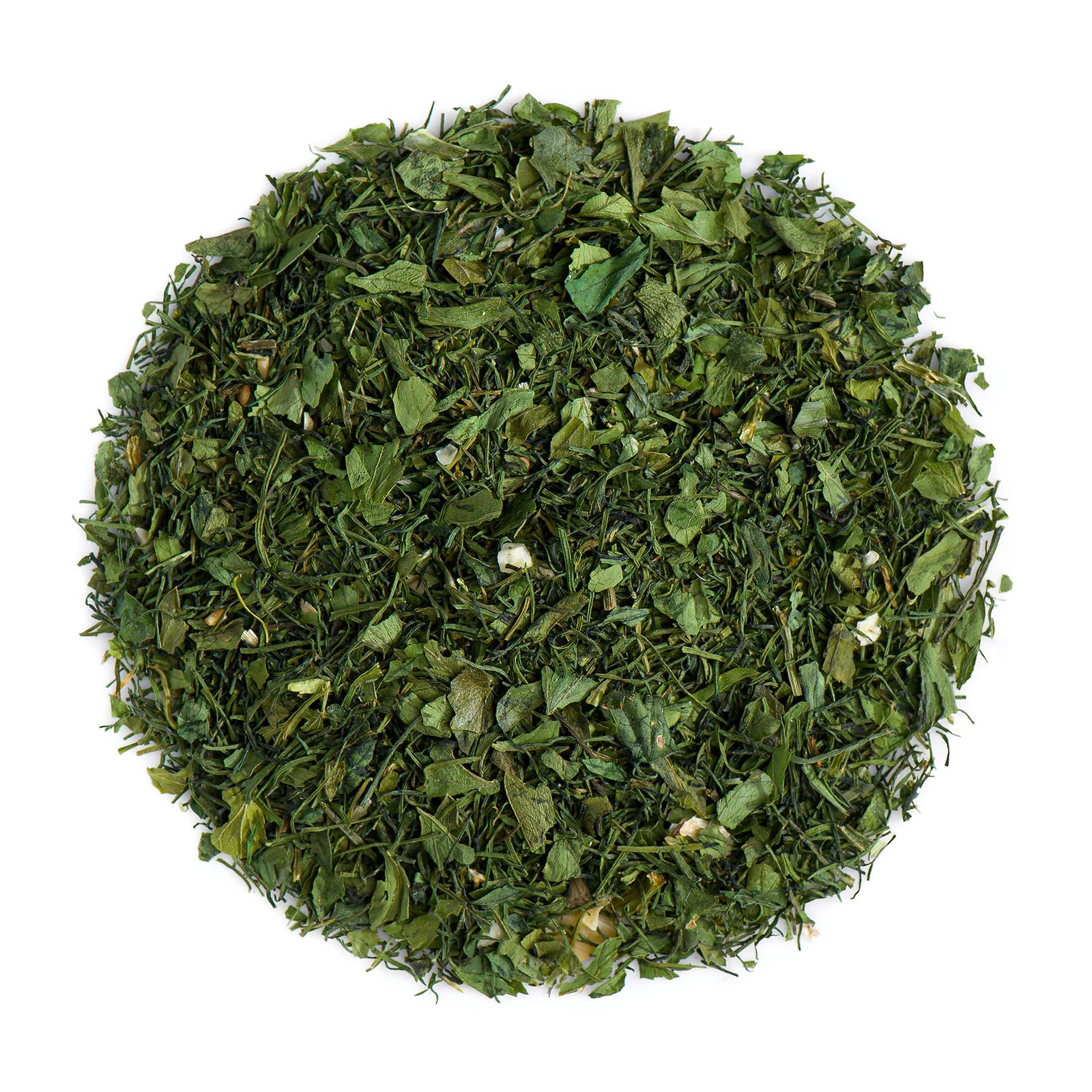
Use 2 tsp of dried leaf per cup (around 250 ml), steep 10 minutes in water just under boiling (90-95°C), and drink it in the evening. This is the most traditional way to drink lemon balm, and it is often blended with valerian in evening teas. A weak cup gives you little more than hot water with a faint lemon note. The strength matters.
2. A daytime cup

For a mid-morning or mid-afternoon cup, drop to 1 tsp per cup and a shorter steep of 5-7 minutes. A lighter brew keeps the citrusy, mildly minty character pleasant without being heavy. One cup in the early afternoon works well on busy workdays as a light, caffeine-free break.
3. A cup before a big day
Brew a standard cup (1-2 tsp, 7-10 minutes at 90°C) and drink it before you head out. Lemon balm has been grown in European gardens for centuries, and a warm, lightly lemony cup is an easy thing to make before a big meeting or performance. For people who like a familiar warm drink before a big day, it is a simple option worth having available.
For me, lemon balm is more of a general evening herb than a pre-event cup. The pre-event cup is the one I hear about most from customers who drink it situationally. They tell me they like having a set cup for those moments, though I do not present any tea as more than a drink.
4. A standard-strength daily cup

Some drinkers settle on 2-3 cups per day of standard-strength lemon balm tea. Rosmarinic acid is one of the compounds naturally present in lemon balm. Made stronger, the same brew is the base for the cooled compress described below.
5. An after-meal cup
One cup after meals. Its soft citrus note makes it an easy after-dinner cup, and many people simply like something warm and caffeine-free to finish a meal. If you have a medical condition or take medication, check with your doctor before drinking herbal tea daily; lemon balm tea is a drink, not a treatment.
5 Uses Beyond the Cup You May Not Have Tried
These five applications move beyond the cup into uses most lemon balm buyers never consider. They make good use of quality dried leaf and take very little additional effort.
6. Cooled lemon balm compress

Brew a strong batch: 2 tsp of dried leaf per 100 ml (not the usual 250 ml cup), steep 15 minutes, then cool completely. Apply with a cotton pad as a cool, fragrant compress. Lemon balm infusions have long been used this way in European households. A cooled brew is simple to make and costs almost nothing.
7. Facial steam
Add 2-3 tsp of dried lemon balm to a heat-resistant bowl, pour over just-boiled water (200-250 ml), and lean over the bowl with a towel draped over your head for 5-8 minutes. The steam carries the volatile oils, mainly citral and linalool, as an aromatic vapour. This is a simple weekend routine using the same dried herb you keep for tea. Avoid if you have rosacea or particularly reactive skin.
8. Herbal bath soak
Brew 4-6 large mugs of strong lemon balm tea (2 tsp per 250 ml, 10 minutes steep), strain well, and add the liquid directly to a warm bath. Lemon balm baths are an old European custom. The warm water amplifies the citrus-herbal aromatic effect. Adding a few cups of dried chamomile brewed alongside works well, as the scents complement each other cleanly.

9. Iced lemon balm tea as a summer drink
Brew a full pot at double strength (4-5 tsp per litre), let it cool to room temperature, then refrigerate. Serve over ice with sliced cucumber and a few fresh mint leaves. The citrusy, lightly minty character of lemon balm with its soft floral finish makes this a genuinely good caffeine-free summer drink. It is one of the better arguments for keeping lemon balm in stock year-round rather than treating it as a winter herb.
10. Culinary liquid herb
Cooled strong lemon balm tea works as a flavoured liquid in salad dressings (replace part of the water or a little of the vinegar), marinades for chicken or white fish, or as a poaching liquid for fruit. Fresh leaf gives more brightness in raw applications, but a well-made dried-leaf brew transfers the citral note clearly into a dish. It is a more interesting base than plain water and requires no extra preparation if you are already brewing a pot.
Choosing the Right Lemon Balm for Each Use
The preparation method should match the intended use. Using the same weak brew for everything means some uses will taste or smell flat.

For drinking: Standard dried leaf at 1-2 tsp per 250 ml cup, 7-10 minutes at 90-95°C. A certified organic leaf removes the concern about pesticide residue on a herb you may be drinking several cups of daily. We source our lemon balm as certified organic specifically for this reason.
For topical and compress applications: Double-strength brew. Use 2 tsp per 100 ml, steep 15 minutes, and cool completely before use. The higher concentration gives a stronger, more aromatic infusion. Poor-quality or old leaf will smell flat here regardless of brew strength.
For culinary applications: Fresh leaf is preferable for raw preparations like pesto or salad, where brightness is the point. For infused liquids used in cooking (dressings, marinades, poaching liquids), a well-made dried-leaf brew works reliably. Storage quality makes a real difference: citral, which gives lemon balm its character, degrades quickly with poor storage.
Keep dried leaf in a sealed container away from light and heat, and do not use leaf that is more than 12 months old. I tell customers the same thing I apply to our own stock: sealed tin or opaque container, away from light and heat, and aim to use within 12 months of harvest. The test is simple: if the tin does not release a clear lemon scent when you open it, the herb has lost a significant part of its aroma and flavour.
Conclusion
The case for keeping a supply of dried lemon balm is practical rather than speculative. It covers everyday use such as a light afternoon cup, and specific situations: a cup before a big day, a summer iced drink, a cooled compress. Knowing what to do with lemon balm tea across 10 uses makes it a far more valuable herb to have on hand than the standard bedtime-tea framing suggests.
Quality leaf makes the difference, especially for topical applications where the aromatic oils need to be intact. Choose certified organic, properly stored dried leaf, and replace it annually. Start with the evening cup or the iced summer drink, and build from there.

Laat een reactie achter
Reacties worden goedgekeurd voor ze verschijnen.
I18n Error: Missing interpolation value "titel" for "Ook in {{ titel }}"
The Complete Guide to Drinking Tea
What tea is, how the main types differ in the cup, and how to brew each one properly. Water temperature, steeping times, storage and how to get more than one cup from your leaves.
Lees Meer
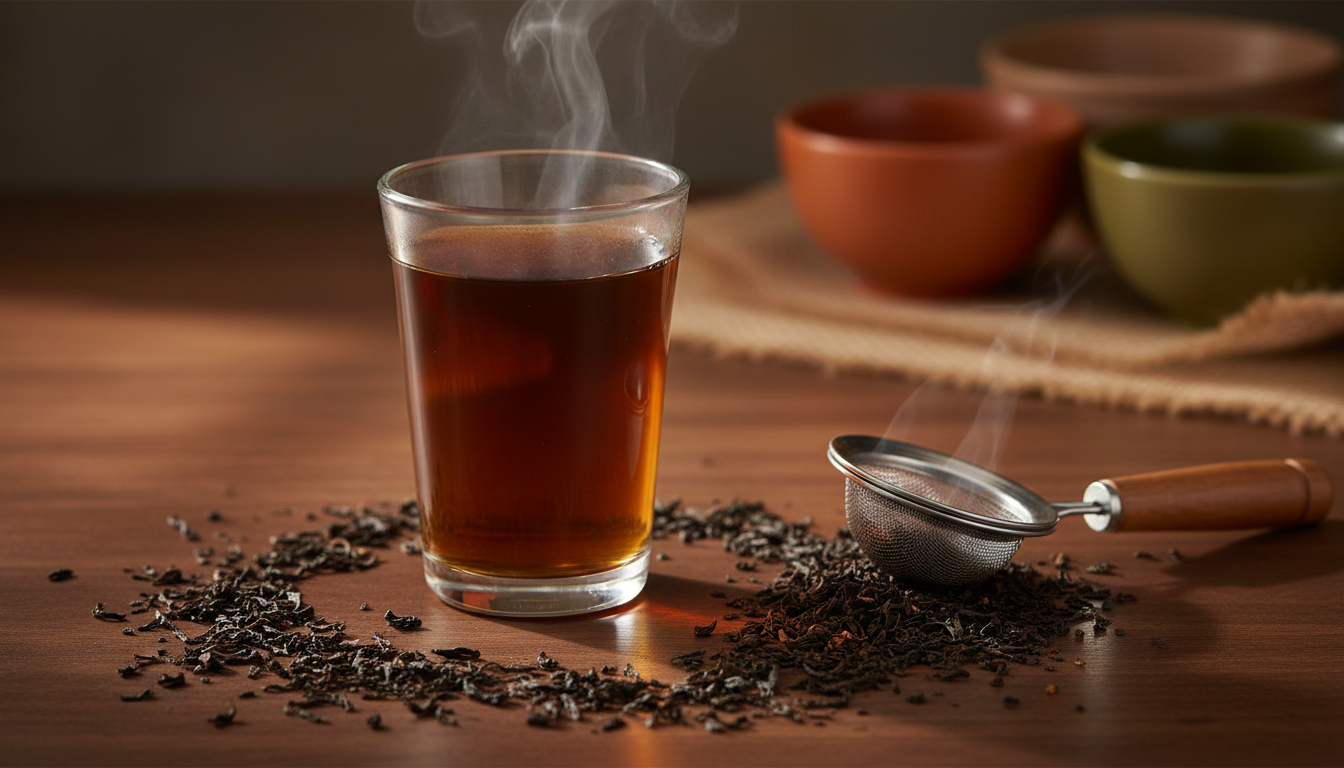

Black Tea: Types, Processing, and How to Brew It
Black tea is fully oxidized Camellia sinensis. Compare Assam, Darjeeling, Keemun, and Ceylon varieties. Learn processing, brewing, and caffeine levels.
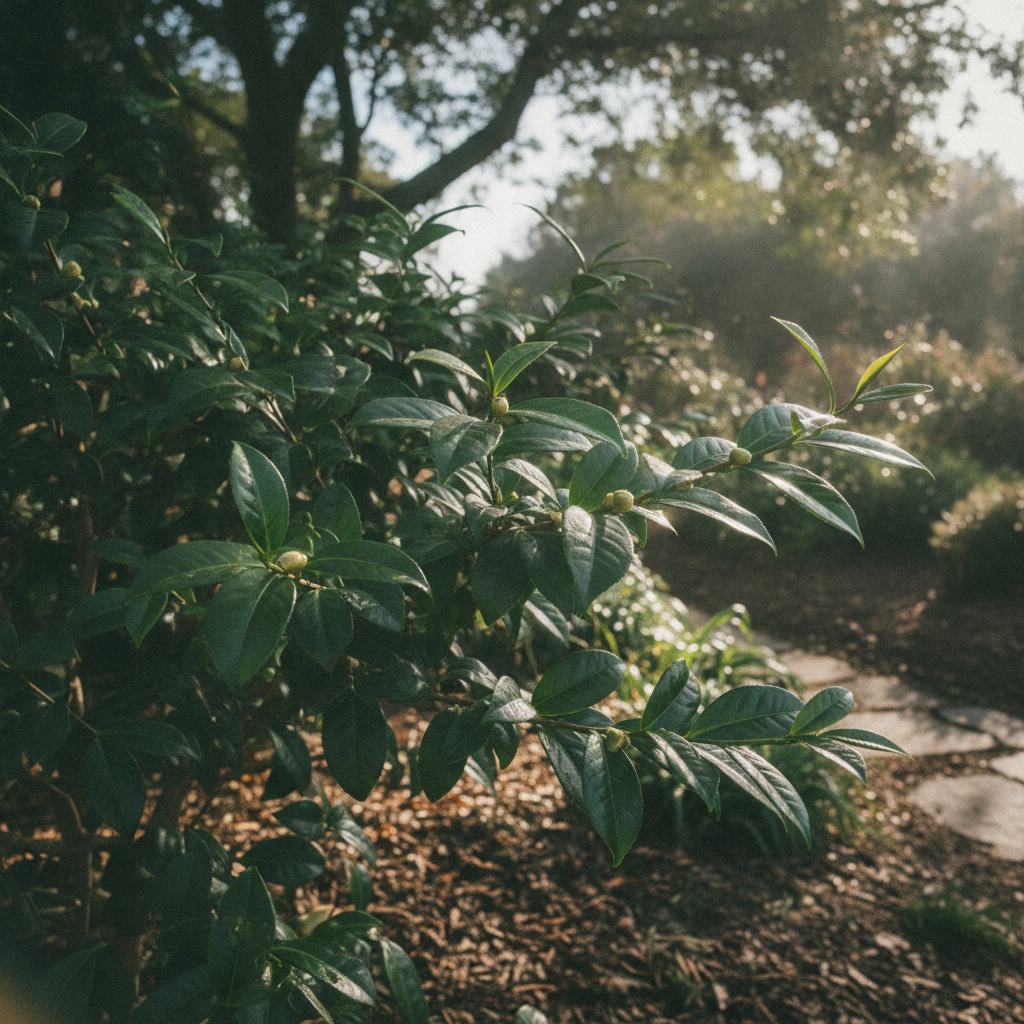

How To Grow Black Tea
Learn how to grow black tea at home: soil, climate, and the five processing steps from fresh leaf to a finished cup of black tea.

Wijsheid is de weg naar betere thee.
Ontvang onze gratis zetgids: het juiste water, de juiste temperatuur en de juiste trektijd voor elke thee die we verkopen. U hoort ook als eerste wanneer nieuwe oogsten binnenkomen.
Geen spam. U kunt zich altijd uitschrijven.
Kijk in uw inbox.
De gids is onderweg.