












Hibiscus Tea Guide: 6 Steps to a Tart, Refreshing Drink
Hibiscus tea — brewed from the dried calyces of Hibiscus sabdariffa, not the ornamental petals — is one of the most flavour-forward herbal drinks in the world. It goes by dozens of names: agua de jamaica in Mexico, karkade in Egypt and Sudan, bissap in West Africa, sorrel in the Caribbean. What every version shares is a sharp, cranberry-like tartness and a deep crimson colour that stains everything it touches. This complete guide to hibiscus tea walks through what the plant actually is, how to brew it well in six practical steps, and how it is drunk in different traditions around the world.
What Is Hibiscus Tea?
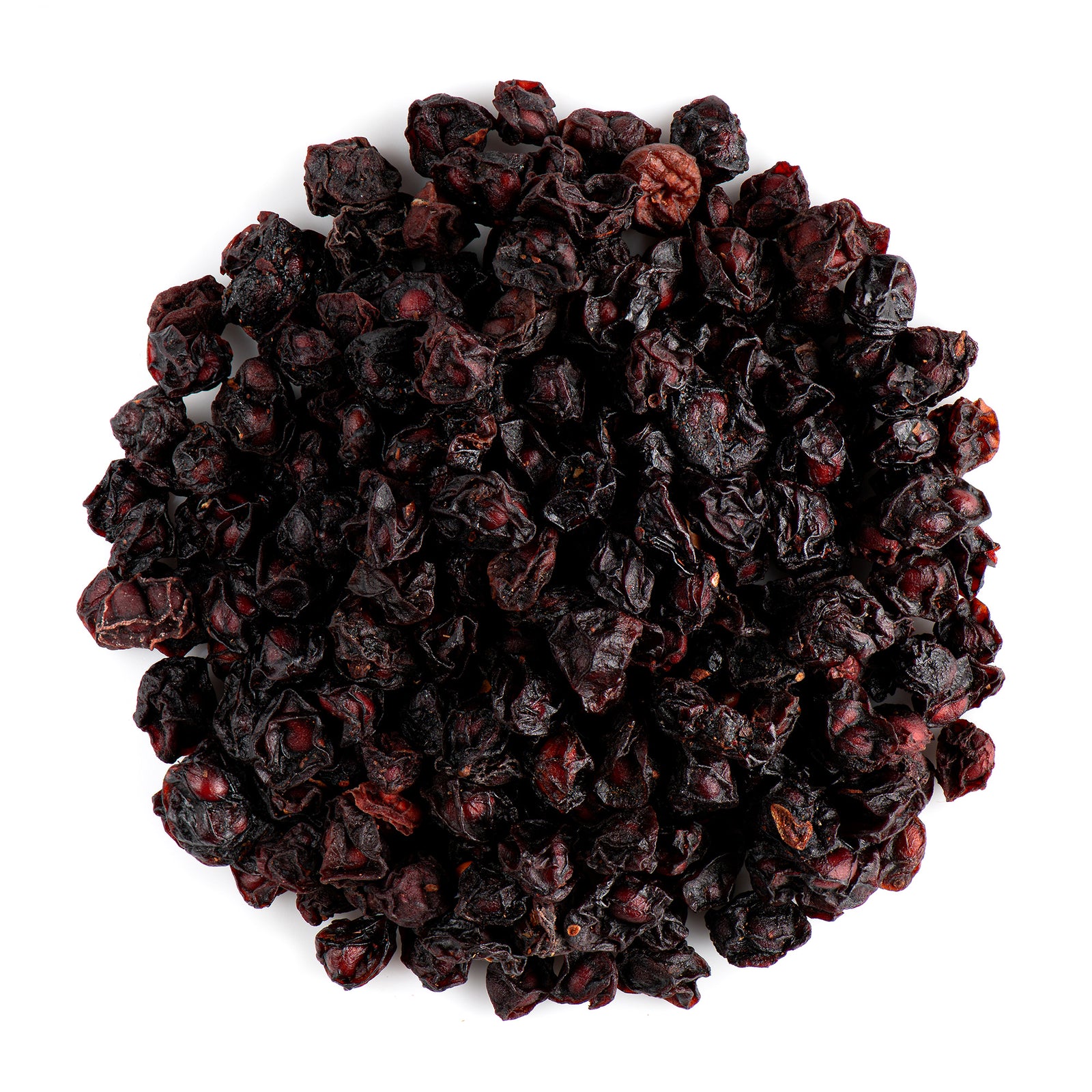
Hibiscus tea is a caffeine-free herbal infusion brewed from the dried calyces of Hibiscus sabdariffa, a species in the mallow family also called roselle. The calyx is the fleshy, cup-shaped structure that encases the flower bud — not the petals. Dried, these calyces turn deep burgundy-red and concentrate the organic acids and anthocyanins that define the tea character.

The plant is native to West Africa and has been cultivated across tropical regions for centuries. At Valley of Tea, we source certified organic whole hibiscus flowers rather than broken fragments, which produce a cleaner extraction and better colour. Egyptian calyces are among the best we've worked with: they come in bigger, with a more intense passionate red and a distinctly lemon-sour edge that sets them apart from other origins.
Hibiscus tea contains no caffeine — the plant never contained it. We regularly hear from customers who assume all herbal teas might have caffeine; they don't. Hibiscus is entirely caffeine-free.
Hibiscus Around the World
In Egypt, karkade has been documented as far back as the ancient pharaohs. In Mexico, agua de jamaica is one of the classic aguas frescas. In Senegal, bissap is served at celebrations with ginger or mint. In Jamaica, sorrel is a Christmas-season preparation with cloves and ginger.
These parallel traditions developed independently across unrelated cultures.
What Does Hibiscus Tea Taste Like?
Hibiscus tea tastes tart, fruity, and decidedly sour — driven by citric acid and malic acid, with a floral undertone. The flavour sits closest to cranberry or tart cherry. As Wouter puts it: "Cranberry tart, such a full sweet-sour flavour." Egyptian calyces in particular deliver a ruby red colour, lemon-tart and berry-rich — a noticeable step up from blended commodity stock.

The colour is notable: a deep ruby-red. Brew in glass or stainless steel if staining matters. Most traditional preparations add generous sugar to balance the sourness. Cold brewing overnight rounds out the acidity.
I drink hibiscus both ways, but cold brew is my default. I use about 5g of pure hibiscus flowers for a full pitcher, refrigerate it overnight, and add a small spoonful of organic Greek single-herb honey. Even without the honey it's already a complete drink — the flavour is that full. You can use more hibiscus if you like, but past a point it tips into overwhelmingly sweet-sour.
How To Brew Hibiscus Tea
Hot Brewing Method (Steps 1–4)
Step 1: Measure. 1–2 tablespoons dried hibiscus per 250–300 ml water.
Step 2: Boil. Full boil — 100°C. Hibiscus needs full boiling water.
Step 3: Steep. 5–10 minutes. Hibiscus is forgiving on steep time.
Step 4: Strain and serve. Sweeten with honey or sugar. Lime or cinnamon optional.
Cold Brew and Iced (Steps 5–6)
Step 5: 2–3 tablespoons in 750 ml cold water. Refrigerate 8–12 hours.
Step 6: Strain and drink. Cold brewing produces a noticeably more floral, less sharp drink. Keeps 3–4 days.
For agua de jamaica: 4 tbsp per 500 ml hot, 10 min steep, strain, add sugar and lime, dilute to 1 litre, serve over ice.

Colour and Acidity in the Cup
Why Hibiscus Tastes So Sharp
Hibiscus is one of the most acidic herbal infusions you can brew, with a pH of roughly 2.5–3.5. That acidity is why it tastes so sharp and why it pairs so well with sugar, honey or fruit.
The colour responds to that acidity: a squeeze of lime brightens the cup to scarlet, while very hard, alkaline water can dull it toward purple.
Those colour shifts come from anthocyanins, the pigments behind the deep red colour.
Serve hibiscus hot, iced or as agua de jamaica. If you take blood pressure medication, check with your doctor before drinking it regularly.
More About Hibiscus Calyces
Anthocyanins: The Compounds Behind the Color
Anthocyanins are water-soluble pigments, so they move quickly from the calyces into the water and give the brew its deep red colour within minutes. Cold brewing also gives a softer, more floral cup than boiling.
Store dried calyces airtight, away from light and humidity, to keep their colour and tartness.
Cautions and Interactions
Blood pressure medications: Possible interaction. Discuss with prescriber.
Diuretic medications: Possible interaction. Discuss with prescriber.
Dental erosion: pH 2.5–3.5. Rinse mouth after drinking.
Pregnancy: Pregnant women should consult their healthcare provider before drinking hibiscus regularly.
Other medications: Possible interaction with some prescription drugs. Discuss with prescriber.
If you have a medical condition or take regular medication, ask your doctor before drinking hibiscus daily.
The Bottom Line
Hibiscus tea is worth the tartness. Its strong suit is flavour: a full, cranberry-like sweet-sour cup with a deep ruby colour. Start with whole certified organic dried hibiscus flowers, 1–2 tablespoons per cup, boiling water, and 5–10 minutes of steeping.
Related Articles
Teas Featured in This Article

Laat een reactie achter
Reacties worden goedgekeurd voor ze verschijnen.
I18n Error: Missing interpolation value "titel" for "Ook in {{ titel }}"
The Complete Guide to Drinking Tea
What tea is, how the main types differ in the cup, and how to brew each one properly. Water temperature, steeping times, storage and how to get more than one cup from your leaves.
Lees Meer

Black Tea: Types, Processing, and How to Brew It
Black tea is fully oxidized Camellia sinensis. Compare Assam, Darjeeling, Keemun, and Ceylon varieties. Learn processing, brewing, and caffeine levels.

How To Grow Black Tea
Learn how to grow black tea at home: soil, climate, and the five processing steps from fresh leaf to a finished cup of black tea.

Wijsheid is de weg naar betere thee.
Ontvang onze gratis zetgids: het juiste water, de juiste temperatuur en de juiste trektijd voor elke thee die we verkopen. U hoort ook als eerste wanneer nieuwe oogsten binnenkomen.
Geen spam. U kunt zich altijd uitschrijven.
Kijk in uw inbox.
De gids is onderweg.