












Can Kids Drink Mullein Tea?
Can Children Drink Mullein Tea? Age-by-Age Guide
Can children drink mullein tea? The short answer is yes, with age-appropriate amounts and careful preparation. Mullein (Verbascum thapsus) has been drunk as a herbal infusion in Europe for centuries, by adults and children alike. Age is the deciding factor: children under 2 need a paediatrician's sign-off before any herbal tea, while children aged 2 to 12 can generally have diluted mullein tea in modest amounts.
What Is Mullein Tea and Why Do Parents Ask?
Mullein tea comes from the dried leaves of Verbascum thapsus, a tall biennial plant native to Europe and parts of Asia. The leaves are harvested, dried, and steeped to make a mild herbal infusion with a long history in household traditions across Germany, the Balkans, and the British Isles.
Parents ask because mullein is one of the gentler-tasting herbal infusions. Many herbal teas are strongly bitter or astringent. Mullein is different: the flavour is mild, slightly earthy, and faintly sweet, a profile many children find easy to enjoy as a warm drink.
Mullein tea is a herbal infusion, not a medicine. Treat it as a mild, warm drink and nothing more.
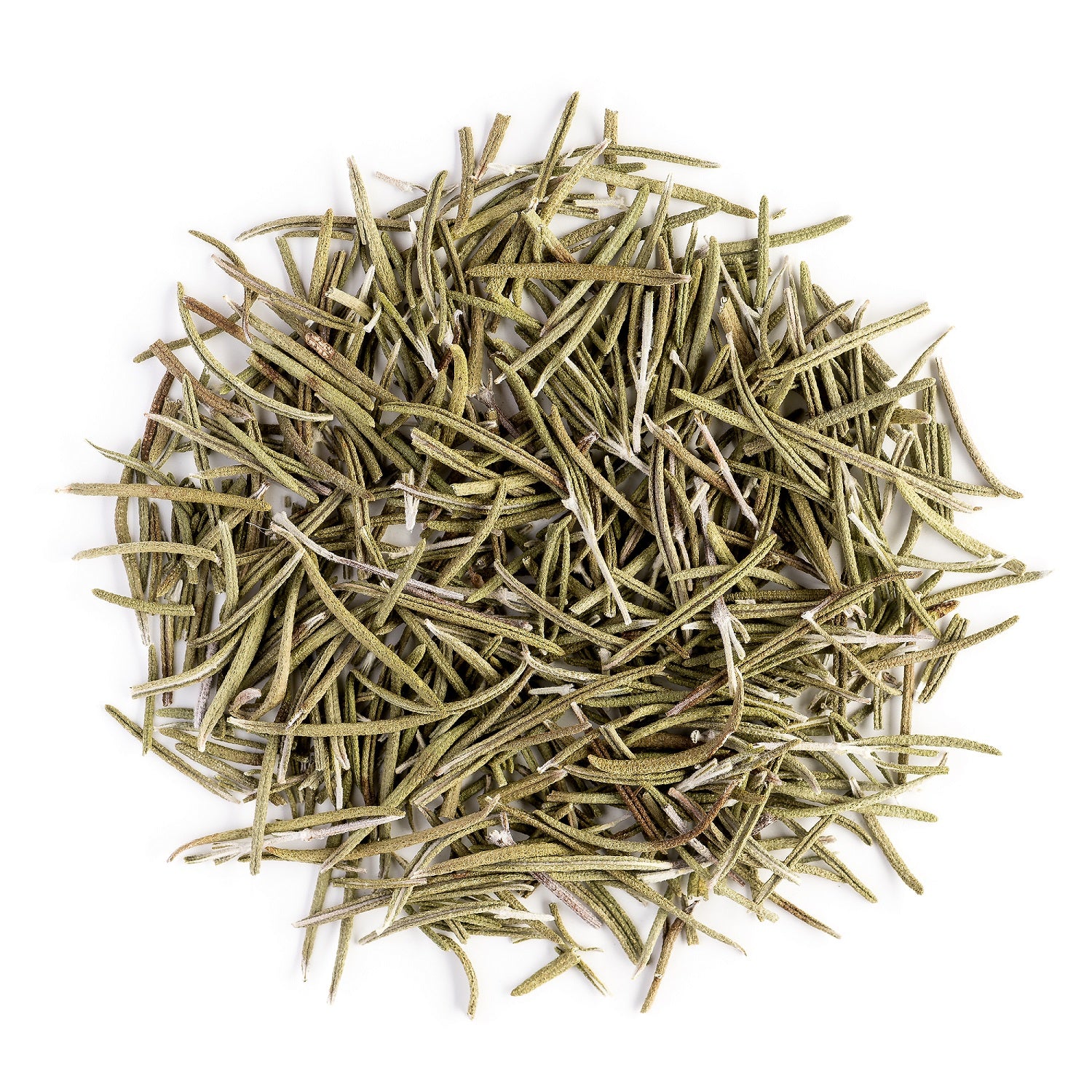
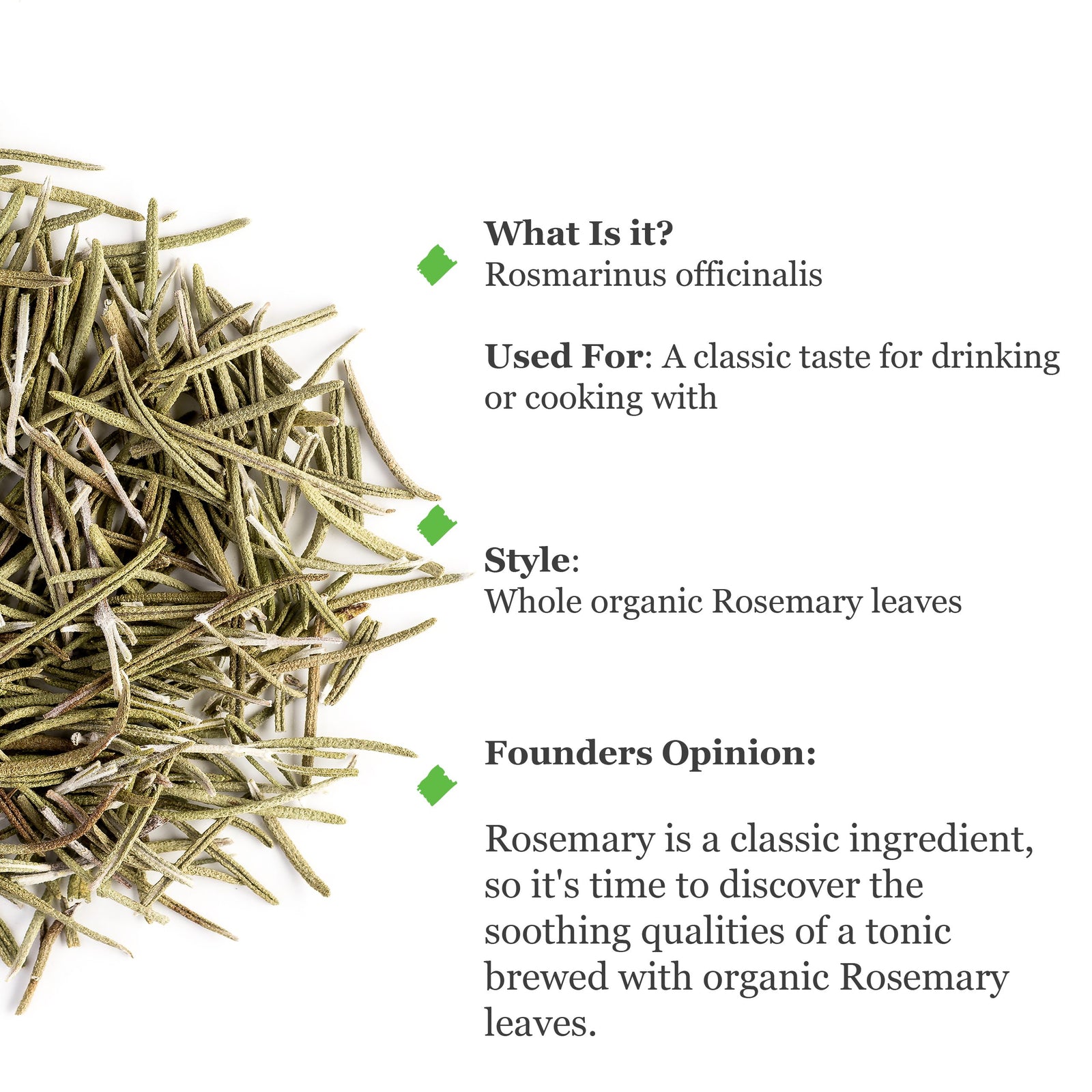
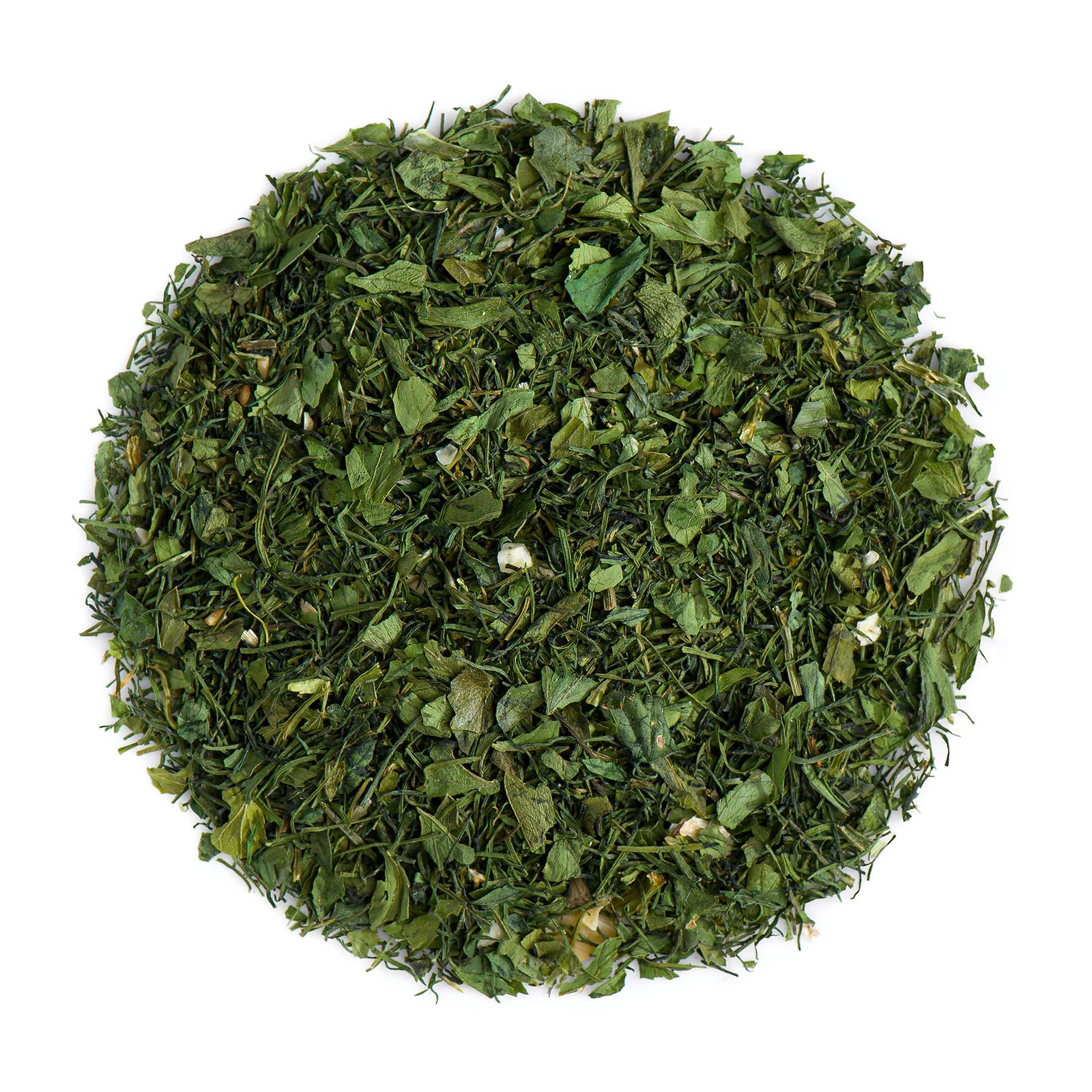
We source our mullein as whole dried leaf from Bulgaria, from an organic grower who takes care in both the farming and the drying process. The plant's distinctive leaf hairs are what make careful sourcing and straining so important, covered in the preparation section below.

Age-Based Guidance: A Cautious Serving Framework
The question is not simply whether children can drink mullein tea, but how much and at what age. Here is a cautious framework for serving mullein tea to children.
Under 2 years: Not recommended without first consulting a paediatrician. Children in this age group have immature metabolic pathways, and even gentle herbal teas carry a higher risk of unexpected reactions. This is a firm line regardless of the herb.
Ages 2 to 6: Quarter-strength preparation, maximum one cup per day. Use roughly 1/4 teaspoon of dried mullein leaf per 250ml of water rather than the adult amount of 1 to 2 teaspoons. If you notice any skin reaction, digestive upset, or unusual symptoms, stop and speak to a doctor.
Ages 7 to 12: Half-strength, one to two cups per day at most. Half-strength means approximately 1/2 teaspoon of dried leaf per 250ml of water. Two cups per day is a reasonable maximum, served only occasionally.
When I look at the historical record, Greek writers, people across medieval Central Europe, and indigenous communities in North America all knew and gathered the same plant. That long history is part of why I choose to stock it. That said, how adults drank it across those traditions is not automatically right for a small child.
These serving amounts follow cautious logic based on body weight and developmental stage.

How to Prepare Mullein Tea Safely for Children
The single most important step in making mullein tea for children is straining. Mullein leaves are covered in fine hairs that can irritate the throat. For adults, a single pass through a standard strainer is often adequate. For children, double-straining through a fine cloth or a paper coffee filter is non-negotiable.
Here is the full preparation process:
- Measure the dried leaf. Use 1/4 teaspoon for children aged 2 to 6, or 1/2 teaspoon for children aged 7 to 12, per 250ml of water.
- Heat the water to around 90-95C. A full rolling boil is fine; let it settle for a moment before pouring.
- Steep for 10 minutes. Cover the cup or pot while steeping to retain volatile compounds and keep the tea warm.
- Double-strain. Pour first through a fine mesh strainer, then through a paper coffee filter or fine muslin cloth. The leaf hairs are the main complaint from parents who skip this step.
- Cool before serving. Children's drinks should be warm, not hot.
- Add honey or lemon if needed. Honey improves palatability and has a long history as an addition to herbal teas. Only add honey for children over 12 months old, as honey is not safe for younger infants.
The dried mullein leaf we carry at Valley of Tea is whole leaf, which requires this straining step. A paper coffee filter as the final pass catches what a mesh strainer misses and takes only seconds extra. If you skip the double-strain for a child, the fine leaf hairs end up in the cup.
Keeping It in Perspective
Mullein tea is a reasonable herbal drink for children old enough to drink it safely. The age framework is straightforward: not for children under 2 without medical guidance, quarter-strength for ages 2 to 6, half-strength for ages 7 to 12. Preparation discipline, particularly double-straining, matters more with mullein than with almost any other dried herb.
The quality of your dried leaf also makes a difference. Poorly processed mullein carries more dust and hair debris, making thorough straining harder. Starting with clean, properly dried leaf from a reliable source reduces that risk considerably. If sourcing mullein tea for your children, ask your supplier about their cleaning and drying process: a supplier who can answer that in detail is one who took the same care with the product.
Can children drink mullein tea? For children over 2, prepared correctly and used in modest amounts, yes. For any child with a known health condition or who takes medication, check with your paediatrician before adding any herbal tea to their routine.

Related Articles
Laat een reactie achter
Reacties worden goedgekeurd voor ze verschijnen.
I18n Error: Missing interpolation value "titel" for "Ook in {{ titel }}"
The Complete Guide to Drinking Tea
What tea is, how the main types differ in the cup, and how to brew each one properly. Water temperature, steeping times, storage and how to get more than one cup from your leaves.
Lees Meer

Black Tea: Types, Processing, and How to Brew It
Black tea is fully oxidized Camellia sinensis. Compare Assam, Darjeeling, Keemun, and Ceylon varieties. Learn processing, brewing, and caffeine levels.

How To Grow Black Tea
Learn how to grow black tea at home: soil, climate, and the five processing steps from fresh leaf to a finished cup of black tea.

Wijsheid is de weg naar betere thee.
Ontvang onze gratis zetgids: het juiste water, de juiste temperatuur en de juiste trektijd voor elke thee die we verkopen. U hoort ook als eerste wanneer nieuwe oogsten binnenkomen.
Geen spam. U kunt zich altijd uitschrijven.
Kijk in uw inbox.
De gids is onderweg.