












Tè Pu-erh
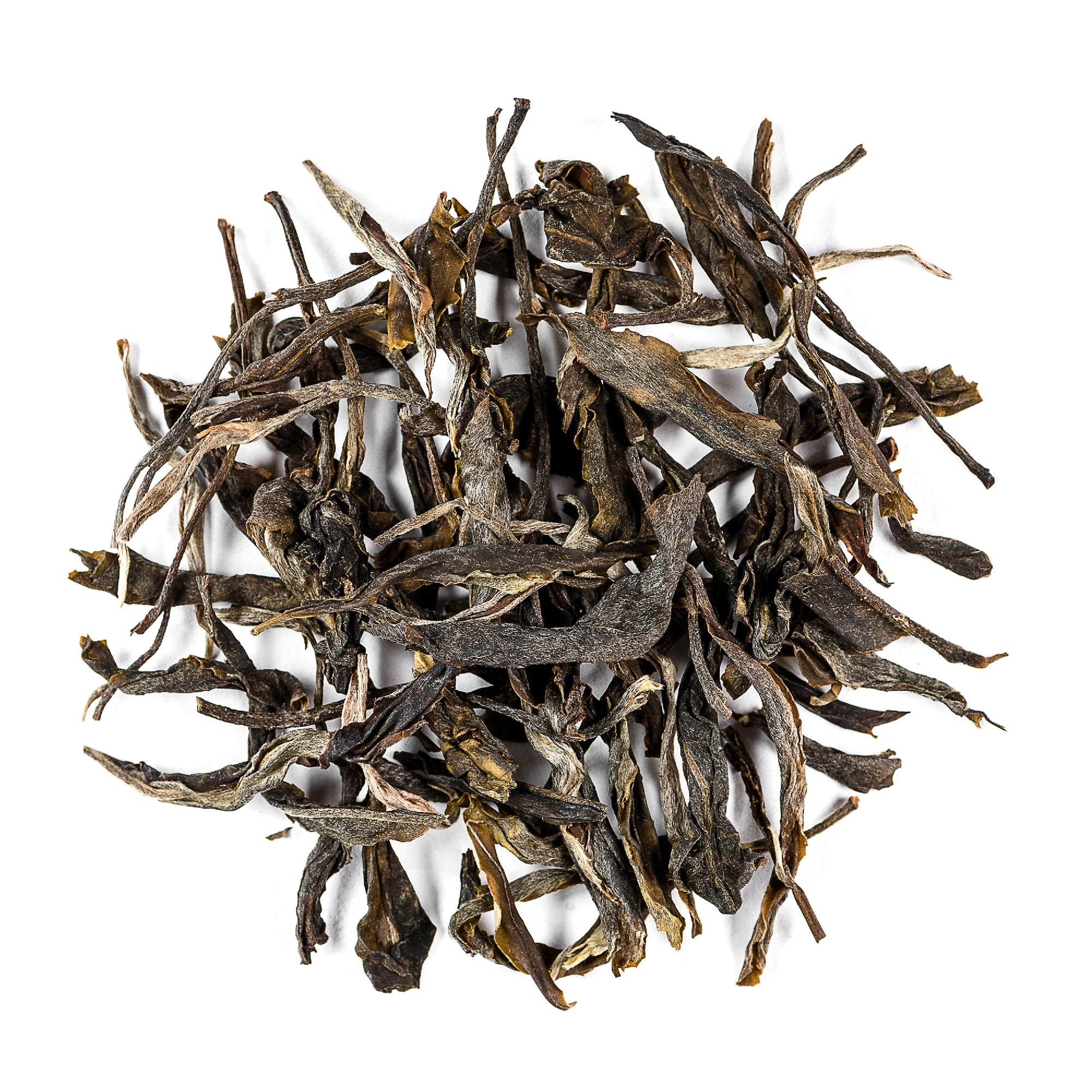
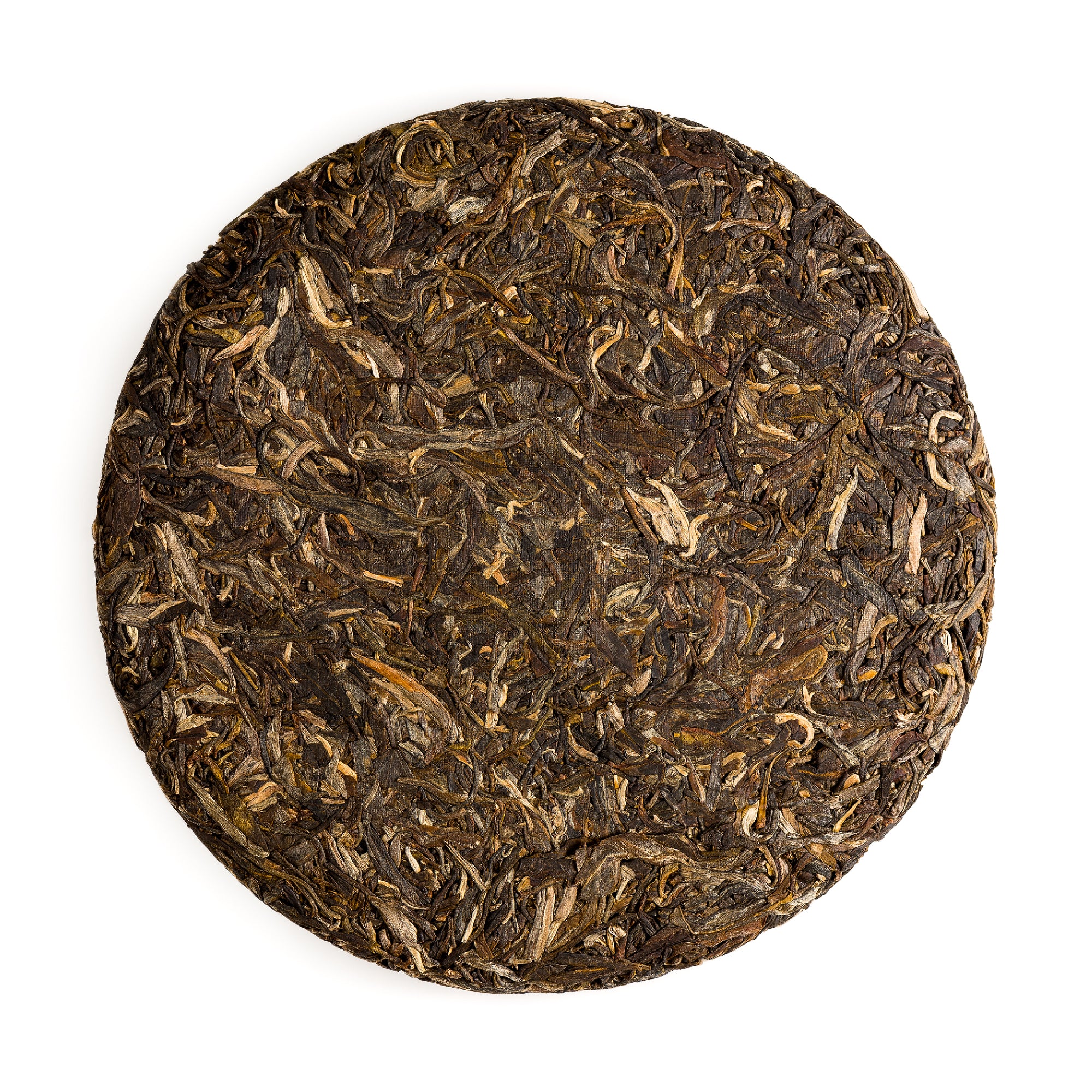
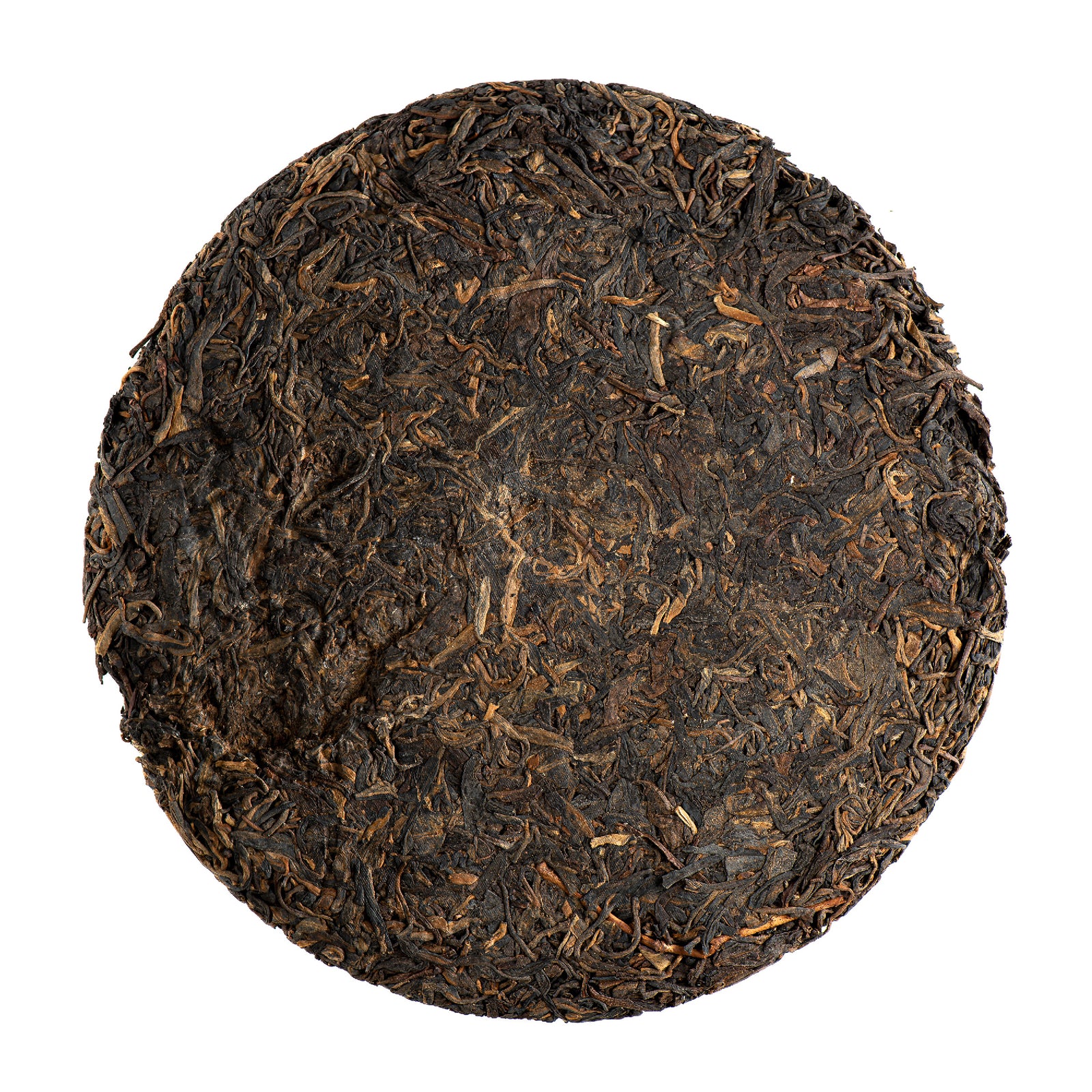
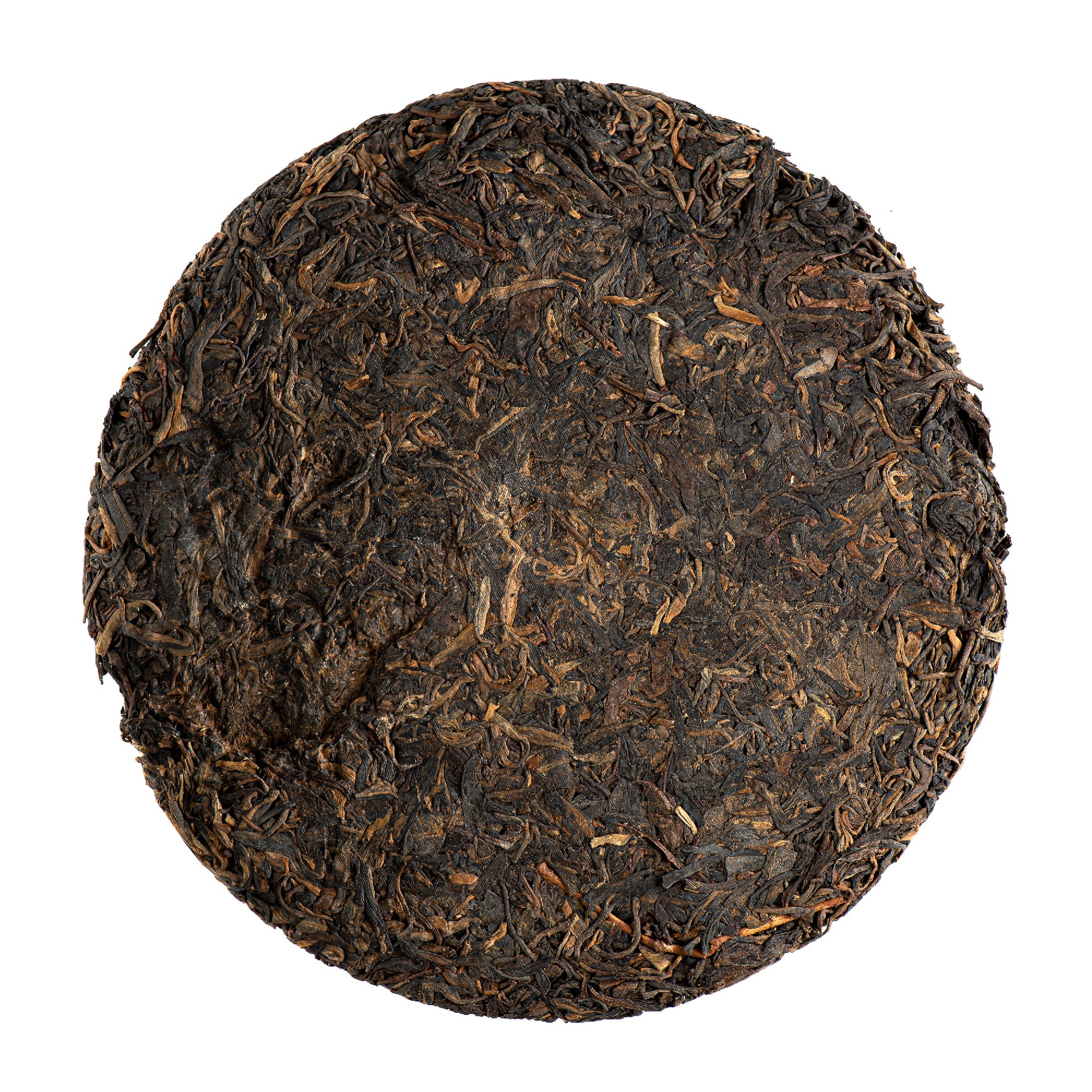
Pu-erh is a tea from Yunnan province in southwest China, made from the large-leaf Camellia sinensis var. assamica. What sets it apart is a post-fermentation step: after the leaves are picked and processed, they age. Sheng (raw) pu-erh is pressed young and matures slowly over years; shou (ripe) pu-erh is ripened through a faster piled-fermentation method developed in the 1970s.
The taste reflects that process. Young sheng is brisk and vegetal with a fruity edge; aged sheng turns mellow and woody. Shou pu-erh pours a deep reddish-brown and tastes smooth and earthy, with notes often compared to damp forest floor, dates, or dark bread. Pu-erh is caffeinated.
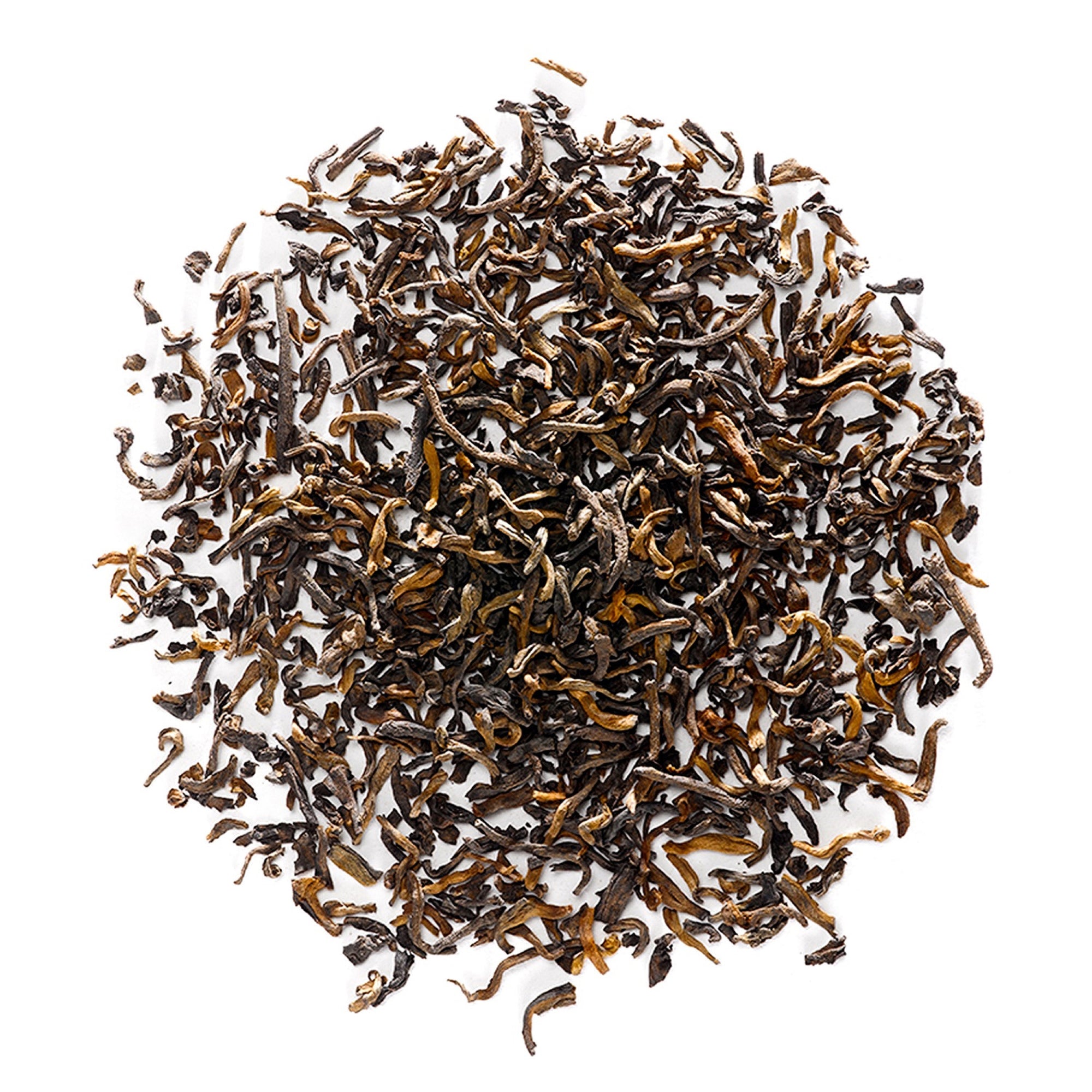
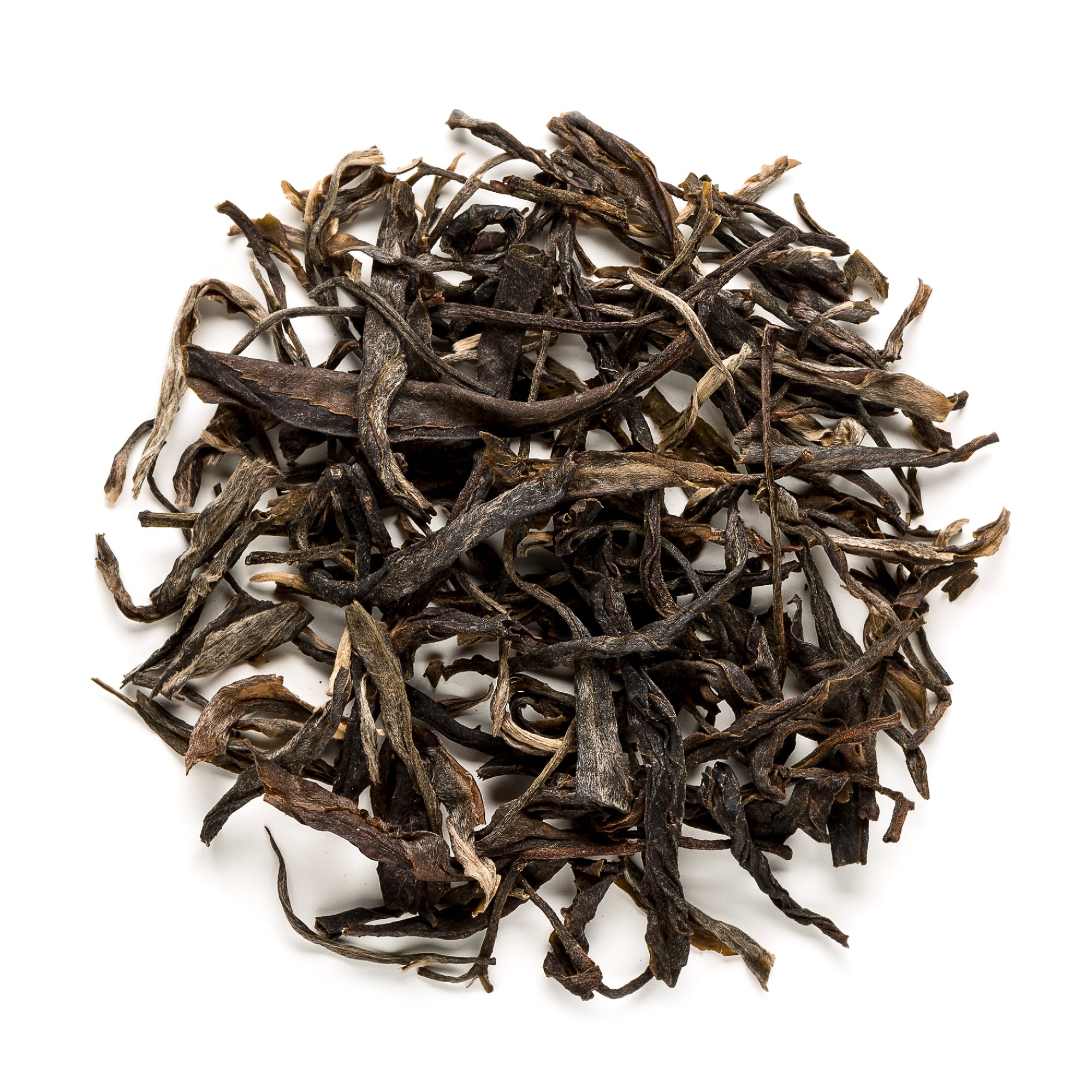
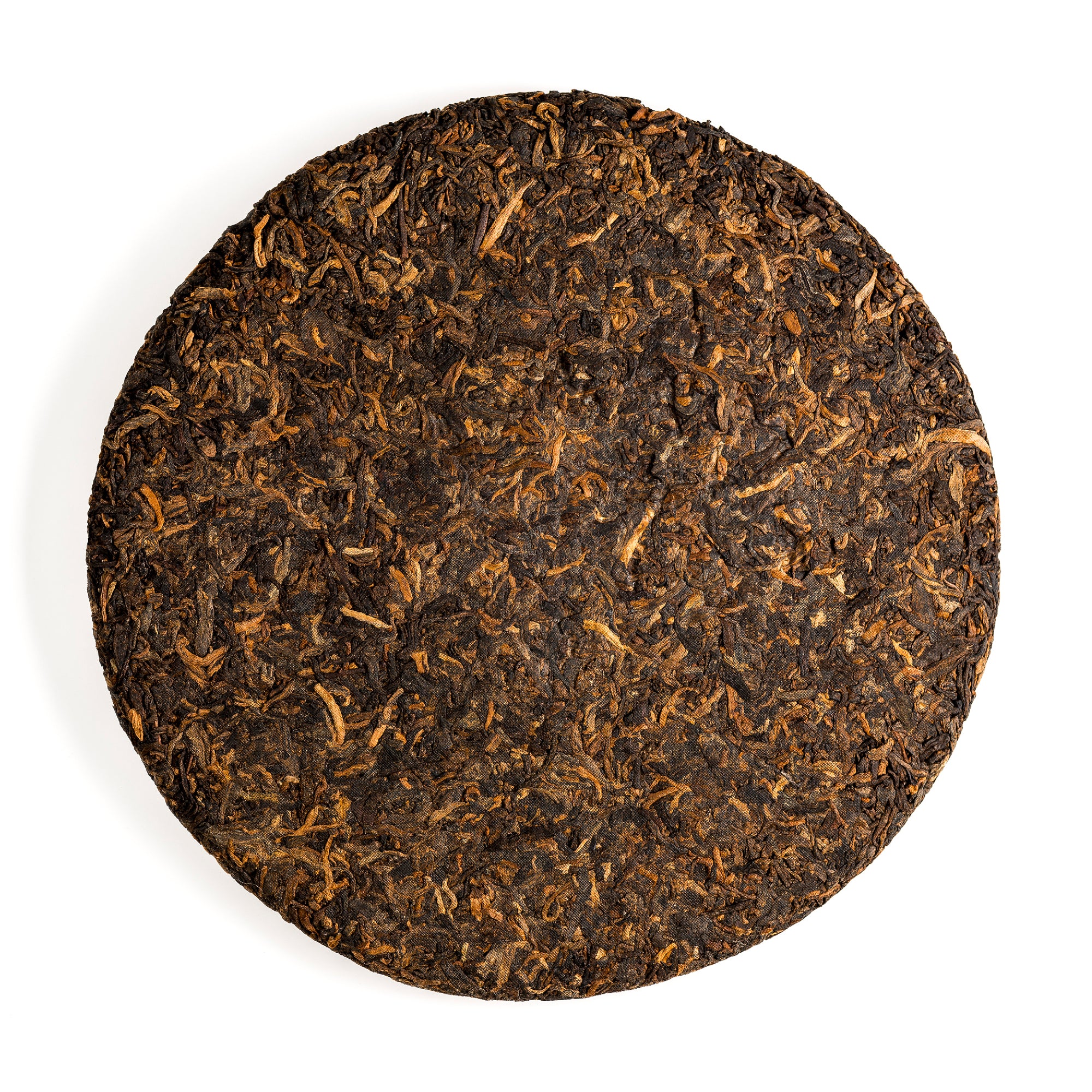
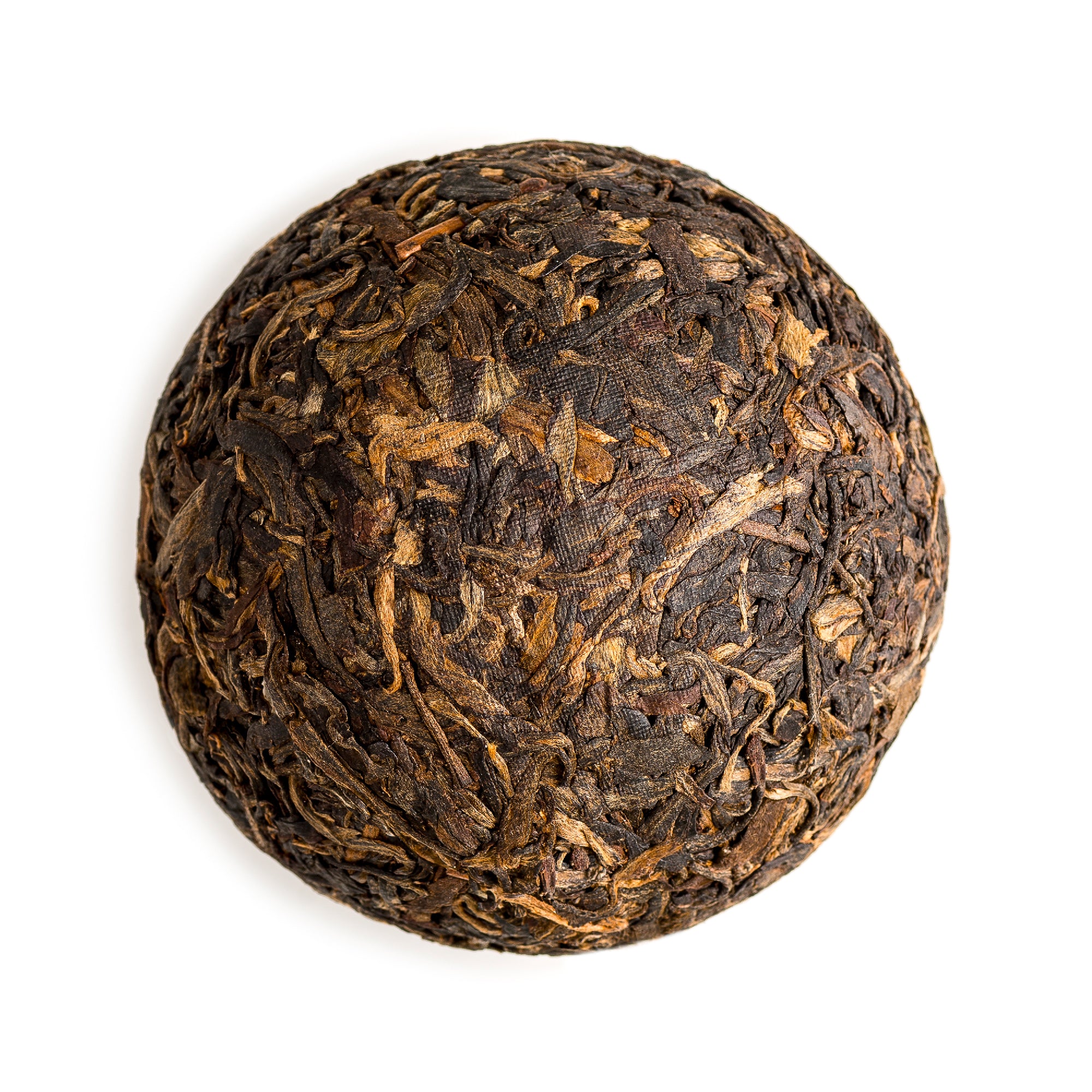
Our pu-erh comes as loose leaf and as pressed cakes and tuo cha. It suits gong fu brewing with short, repeated infusions, where a single measure of leaf can be steeped many times.
Frequently asked questions
Does pu-erh contain caffeine?
Yes. Pu-erh is made from the Camellia sinensis plant and is caffeinated. Shorter steeps generally extract less than long ones.
What is the difference between sheng and shou pu-erh?
Sheng (raw) pu-erh is pressed young and ages naturally over years, tasting brisk and fruity when young. Shou (ripe) pu-erh is made with a faster piled-fermentation process and tastes smooth, dark and earthy.
How do I brew pu-erh?
Use about 5g of leaf per 100ml with water just off the boil (95 to 100C). Rinse the leaf briefly, then steep in short infusions of 10 to 30 seconds, adding time with each round. Loose leaf and broken-off pieces of cake both work.
Where does pu-erh come from?
Pu-erh is produced in Yunnan province, China, from the broad-leaf assamica variety of the tea plant.
Can pu-erh be stored for a long time?
Pressed pu-erh is made to age. Keep cakes and tuo cha in a dry, odour-free place with some air flow, away from strong smells and direct sunlight.