












Gin Guarnire
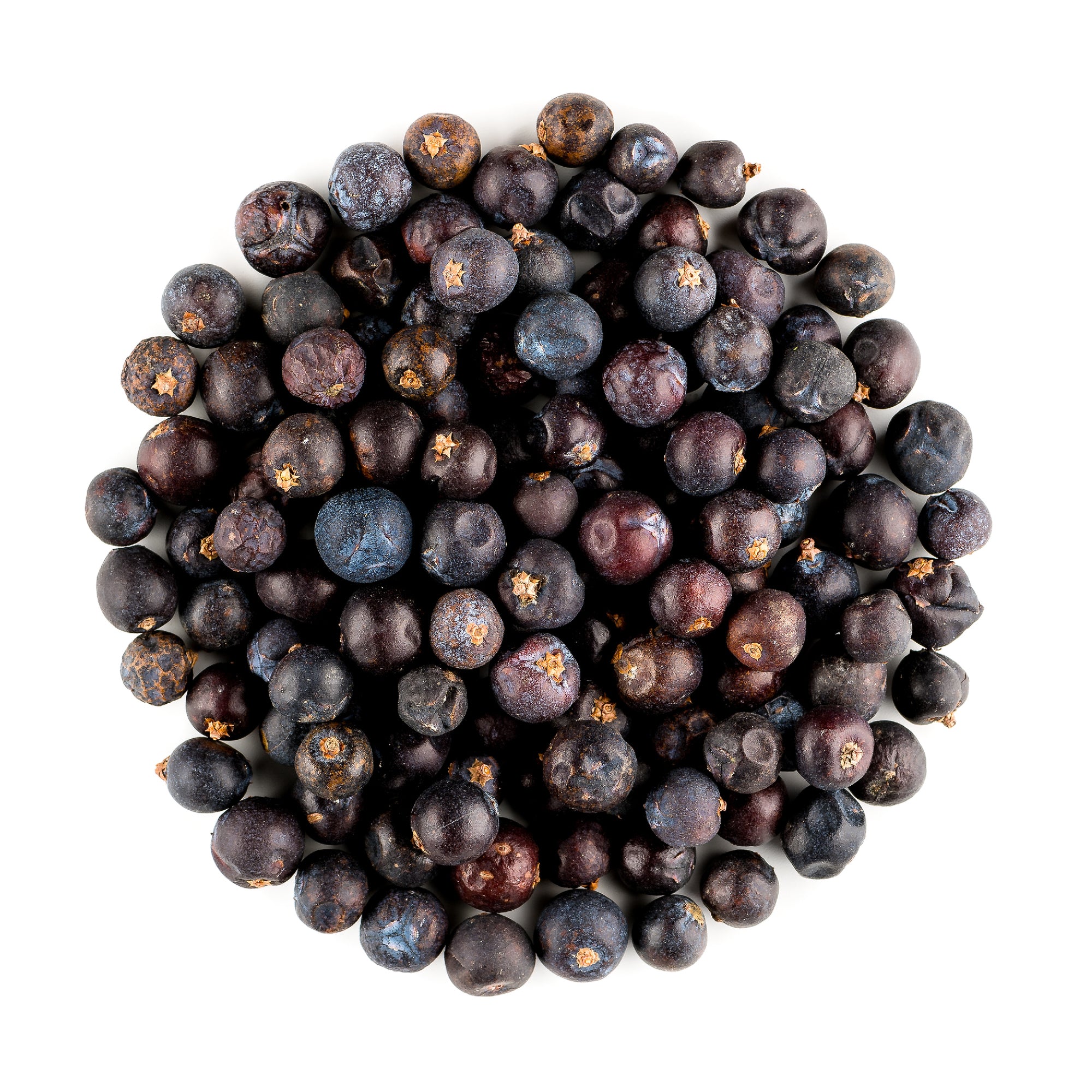
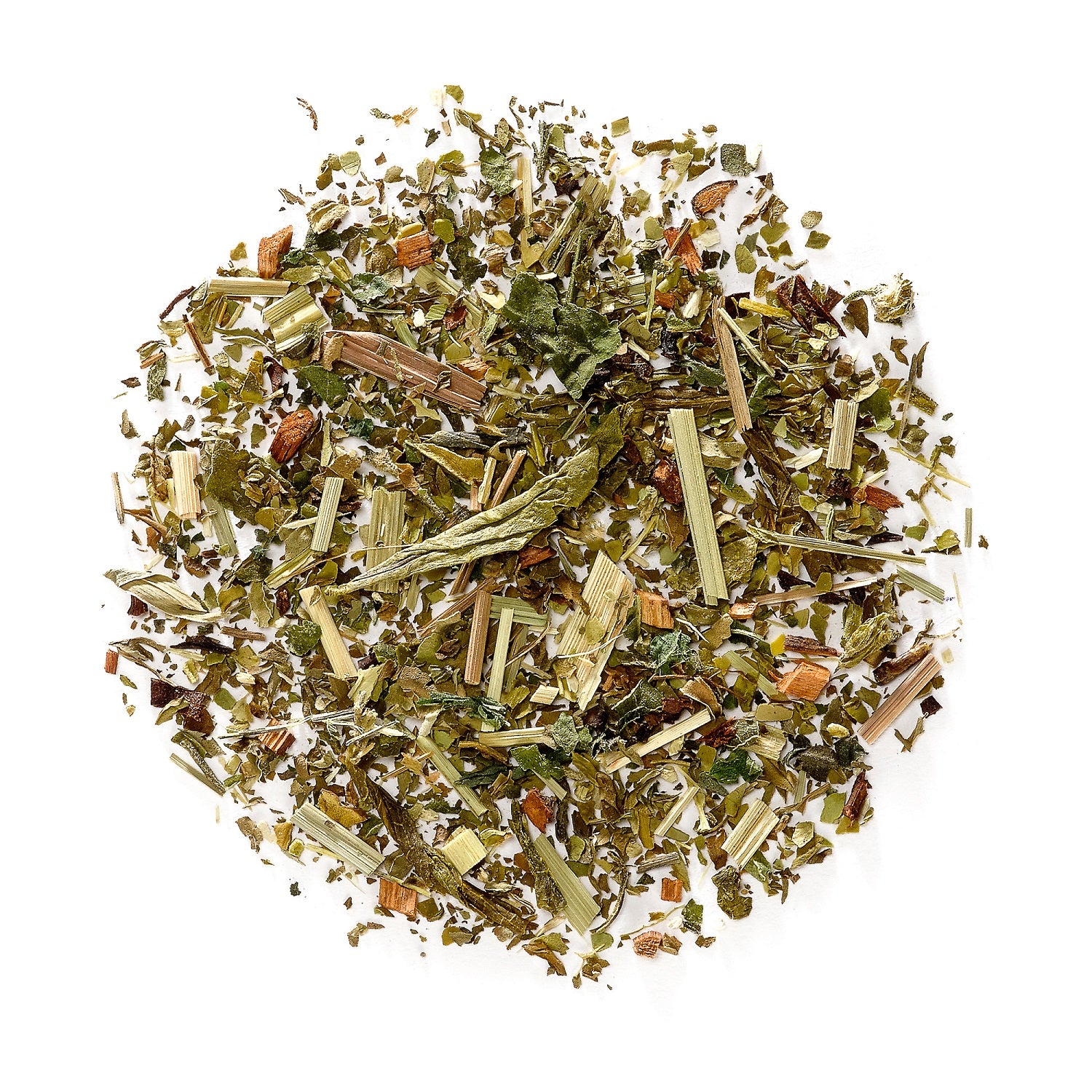
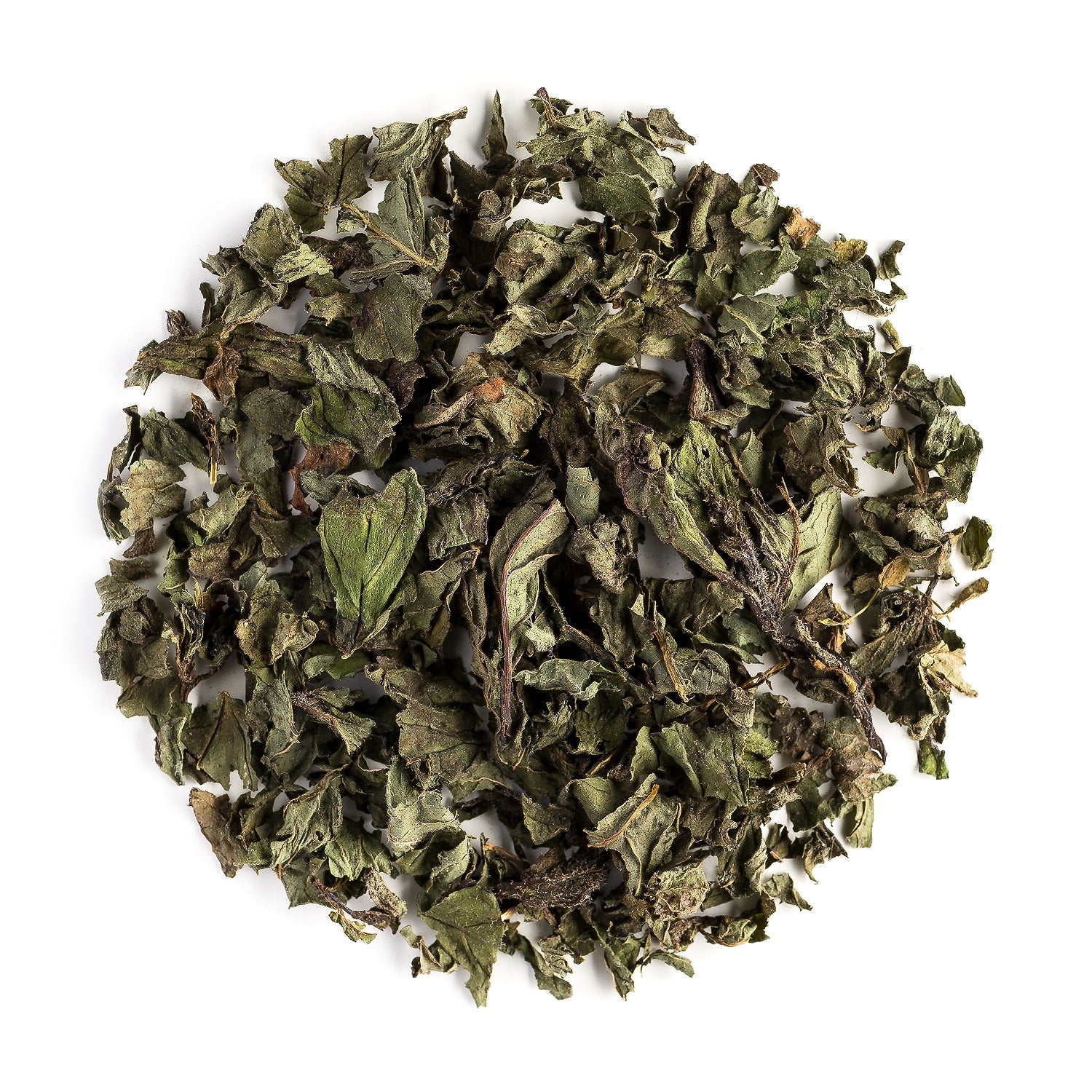
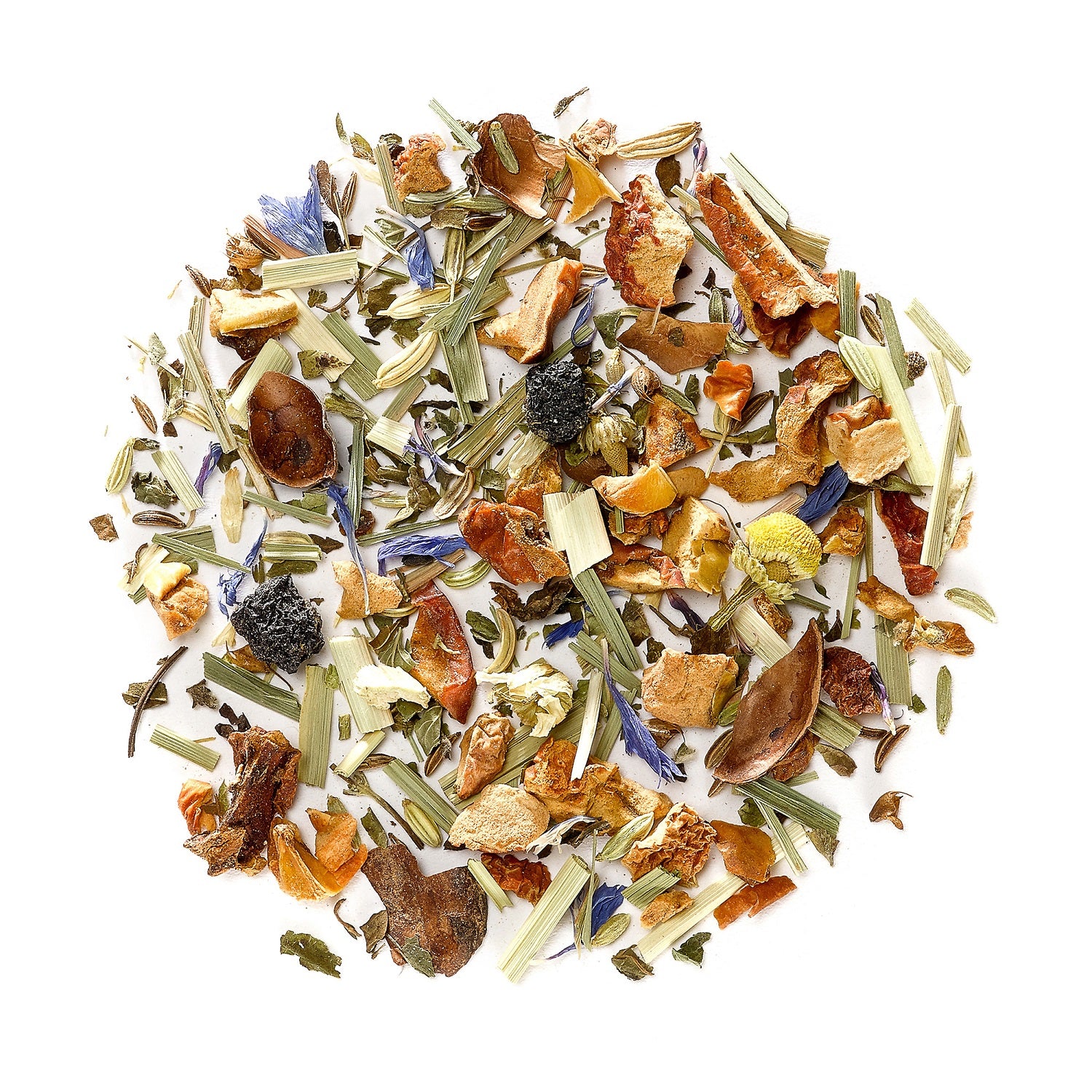
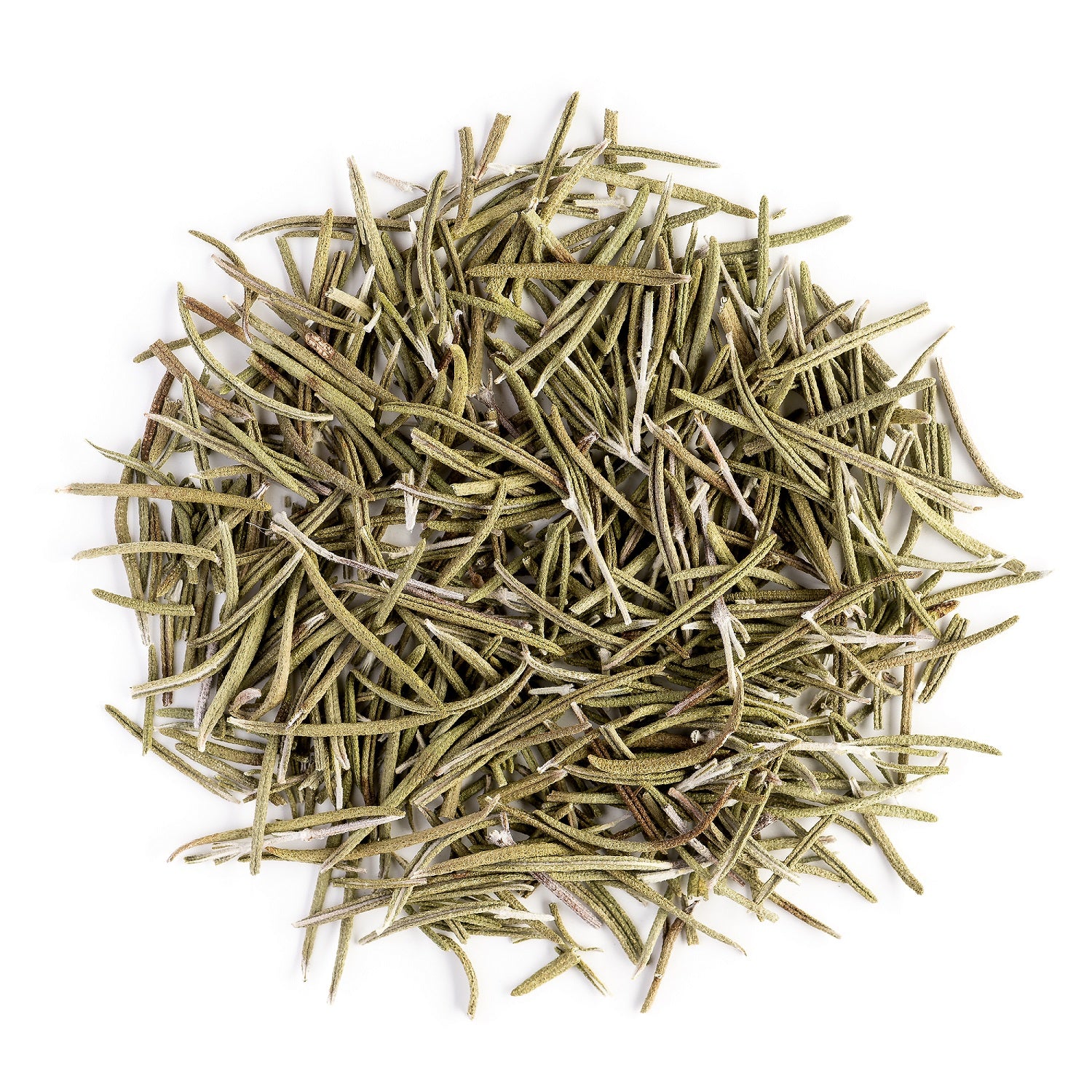
Gin gets its character from botanicals, and this collection gathers the ones home distillers and infusers reach for most. Juniper berries lead, giving gin its piney, resinous backbone. Around them sit coriander seed, angelica root, orris root, citrus peel and a range of spices and dried herbs used to shape aroma and flavour.
These botanicals are for infusing and flavouring. A common approach is compound gin: steep juniper and your chosen botanicals in a neutral spirit for a day or two, then taste and strain. You can also use them in cocktails, syrups and garnishes where a botanical note is wanted. Whole seeds and berries are easy to measure and remove after steeping.
Flavour ranges widely across the range, from the citrus lift of dried orange and lemon peel to the warm, earthy notes of angelica and orris. Start with juniper as your base, then add smaller amounts of supporting botanicals so no single note dominates. Keep records of your ratios so you can repeat a blend you like.
Frequently asked questions
Which botanicals make gin taste like gin?
Juniper berries are essential and define the classic piney flavour. Coriander seed, angelica root, orris root and citrus peel are the common supporting botanicals that round out most gin recipes.
How do I infuse gin at home?
Add juniper and your chosen botanicals to a neutral spirit, seal, and leave for one to two days. Taste as you go, then strain out the solids. Adjust the ratio on your next batch to suit your preference.
Are these botanicals whole or ground?
Most are supplied whole, such as juniper berries and coriander seed, which makes them easy to measure and strain after steeping. Check each product page for the exact format.
Can I use gin herbs in cocktails and cooking?
Yes. Beyond infusing spirits, these botanicals work in syrups, garnishes and some dishes where a citrus or spice note is wanted. Use small amounts and taste as you build a recipe.