













Turkish Tea: How to Brew with a Caydanlik
In Turkey, tea is not a drink so much as a constant. It arrives unasked in shops, punctuates every visit, and is poured from morning until late evening — always from the same piece of equipment: the çaydanlık, a two-part stacked kettle that brews a strong concentrate on top while keeping hot water below. Master it and you can serve every guest exactly the strength they want from a single brew. This is how.
What Makes the Çaydanlık Special
A çaydanlık is two kettles in one: a large lower pot that holds boiling water and a smaller upper pot that sits on top like a lid, holding the tea. The rising heat from the lower pot keeps the upper brew gently warm — hot enough to keep extracting, never boiling the leaves outright.
The design solves a problem most teapots cannot: one brew, many strengths. Because the upper pot holds a concentrate, each glass is mixed at the moment of pouring — a little concentrate topped generously with hot water for a light glass, or half-and-half for a strong one. Most çaydanlıks are stainless steel; enameled and copper versions exist, and sizes range from two-person kitchen models to the towering samovar-like kettles of tea houses.
Choosing Tea for the Çaydanlık
The method is built for black tea, and specifically for teas that tolerate long, warm steeping without collapsing into harshness. Turkish tea from the Rize province on the Black Sea coast is the natural choice — a small-leafed black tea grown for exactly this brewing style, producing the deep mahogany color Turks judge a glass by.
If Rize tea is not at hand, a robust loose-leaf black tea works: a malty Assam or a strong Ceylon both hold up well. Use loose leaf rather than bags — the long steep needs whole leaf to stay smooth, and the concentrate develops far more character. For a deeper look at the category, see our full guide to black tea.
Step by Step: Brewing in a Çaydanlık
Fill the lower kettle with fresh cold water. Put a generous amount of tea in the upper pot — roughly one heaped tablespoon per person plus one for the pot — and set it on top, dry for now.
Bring the lower kettle to a boil. The rising heat warms the upper pot and the dry leaves in it, waking their aroma. Once the water boils, pour enough of it into the upper pot to cover the leaves well, then refill the lower kettle and stack the pots again.
Drop the heat to low and let everything sit for ten to fifteen minutes. The upper pot should stay steaming but never boil — a bare simmer below is exactly right. The concentrate is ready when the leaves have sunk and the liquor is a deep, clear red-brown.
To serve, pour concentrate into the glass first — a third of the glass for standard strength — then top up with hot water from the lower kettle. Adjust the ratio per glass, not per pot.
Serving It the Traditional Way
Turkish tea is served in small tulip-shaped glasses that show off the color and keep the tea hot to the last sip, usually with a couple of sugar cubes on the saucer and never with milk. Strength is a personal setting with its own vocabulary: koyu (dark) for a concentrate-heavy pour, açık (light, literally "open") for a paler glass.
Refills are the point. A host keeps the çaydanlık going and tops up glasses through the whole visit; an empty glass is an invitation, and a teaspoon laid across the rim is the polite signal for "no more, thank you."
Caring for Your Çaydanlık
Rinse both pots with hot water after each session and skip the soap when you can — like a teapot, the upper pot seasons gently with use, and detergent residue flattens the next brew. Watch the lower kettle's water level during long sessions; boiling it dry is the fastest way to ruin one. In hard-water areas, an occasional descale of the lower kettle with citric acid keeps the boil clean. Dry both pots before storing them stacked.
Final Notes
How strong should it be? The honest answer: however the drinker likes it — that is the entire design philosophy of the çaydanlık. Start glasses at one-third concentrate and adjust from there.
The routine settles quickly: water below, leaves above, fifteen unhurried minutes, and glasses mixed to order. Few brewing methods produce so much hospitality from so little equipment.
Dejar un comentario
Los comentarios se aprobarán antes de mostrarse.
Ver artículo completo
The Complete Guide to Drinking Tea
What tea is, how the main types differ in the cup, and how to brew each one properly. Water temperature, steeping times, storage and how to get more than one cup from your leaves.
Ver artículo completo
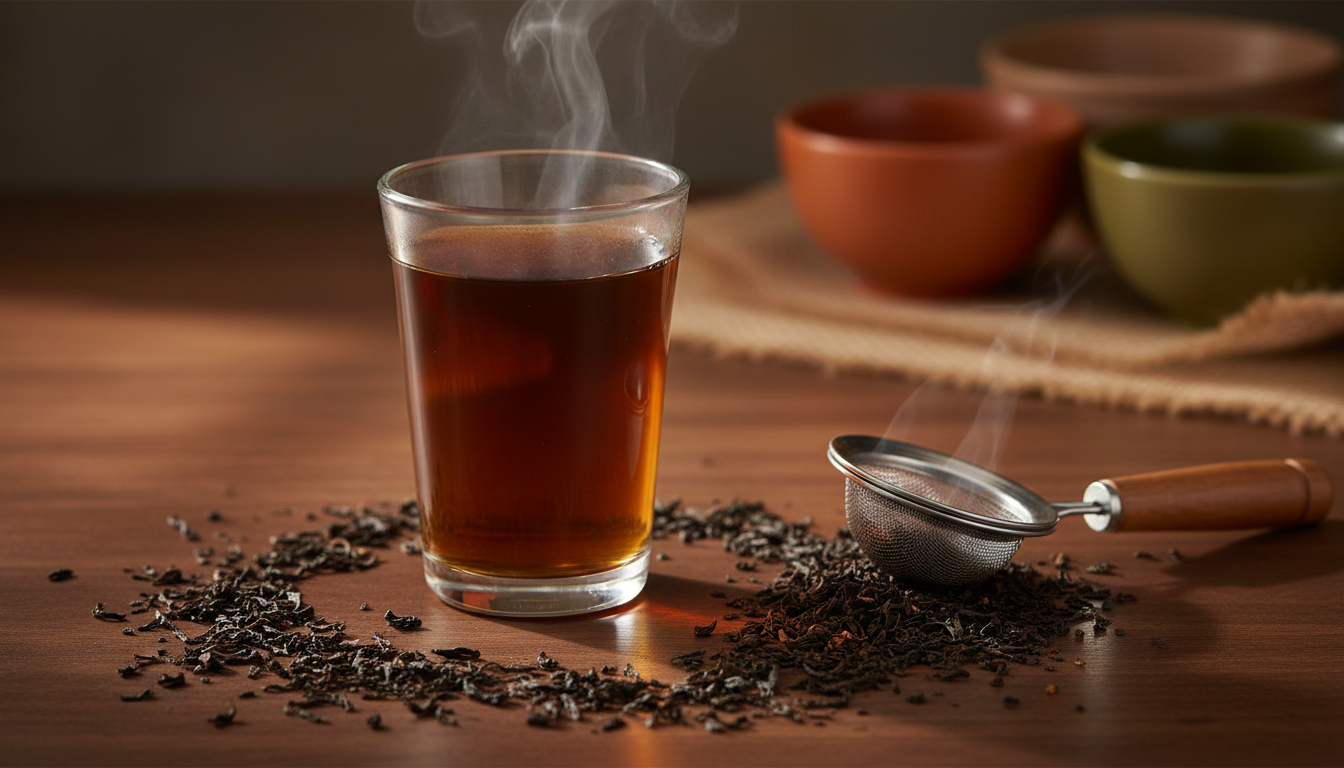

Black Tea: Types, Processing, and How to Brew It
Black tea is fully oxidized Camellia sinensis. Compare Assam, Darjeeling, Keemun, and Ceylon varieties. Learn processing, brewing, and caffeine levels.

How To Grow Black Tea
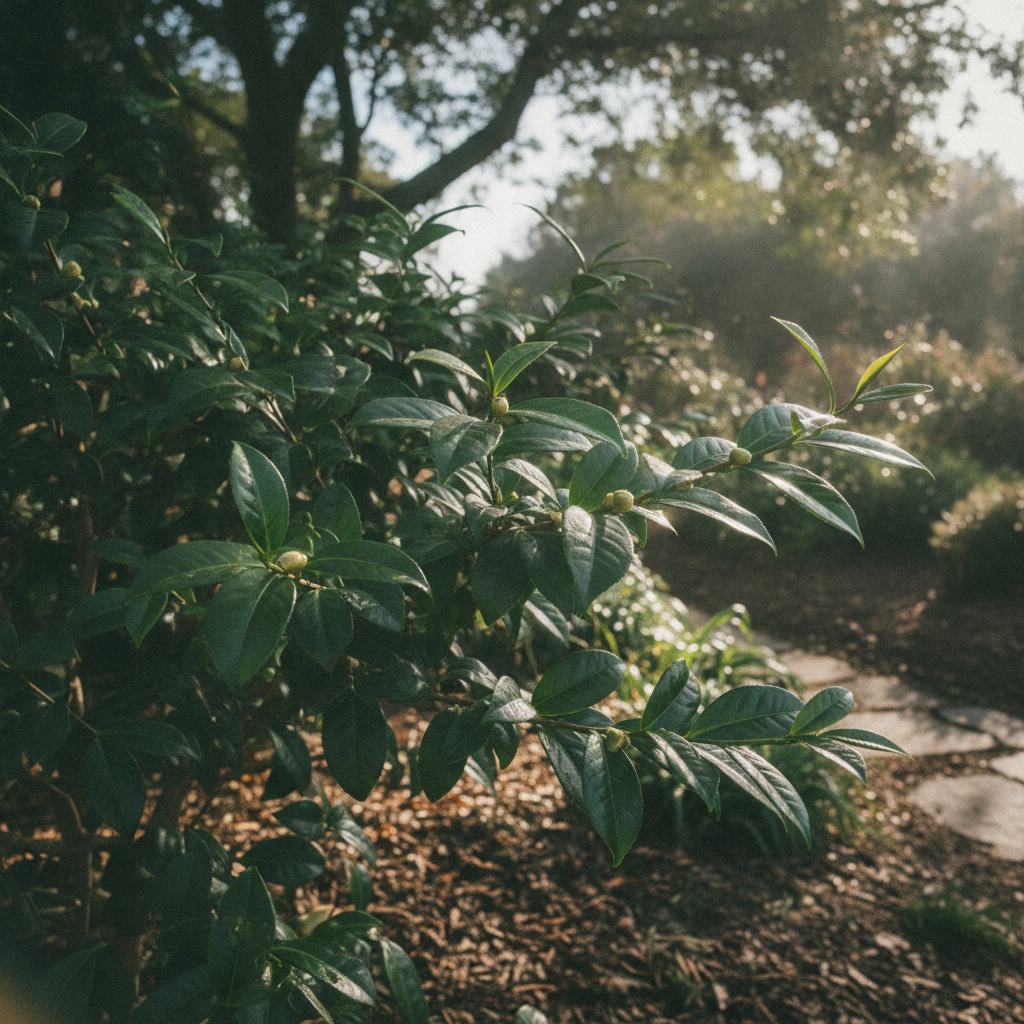
Learn how to grow black tea at home: soil, climate, and the five processing steps from fresh leaf to a finished cup of black tea.

La sabiduría es el camino hacia un té mejor.
Reciba nuestra guía gratuita de preparación: el agua, la temperatura y el tiempo de infusión adecuados para cada té que vendemos. Además, será el primero en conocer las nuevas cosechas.
Sin spam. Cancele cuando quiera.
Revise su bandeja de entrada.
La guía está en camino.