













Matcha Beyond Lattes: Ceremonial to Kitchen
Most matcha in the West disappears into steamed milk. Nothing wrong with a latte — but it is the least interesting thing you can do with a tin of stone-milled tea. Matcha is shade-grown Camellia sinensis, deprived of light for weeks before harvest so the leaf loads up on sweet, savory amino acids, then ground slowly to a powder fine enough to suspend in water. That powder is an ingredient with real range: a ceremonial bowl one day, a shortbread or a marinade the next.
One thing to know before anything else: once milled, matcha oxidizes fast. An opened tin kept at room temperature loses its brightness — color and flavor both — within weeks. Buy small, keep it sealed and cool, use it often.
The Ceremonial Cup: Usucha and Koicha at Home
Ceremonial-grade matcha — first-harvest leaf from regions like Uji, Nishio, or Yame — is made to be whisked with water and nothing else. There are two classic preparations, and neither needs a tea room.
Usucha (thin tea) is the everyday form: 2 grams of matcha — one heaped bamboo scoop, or half a teaspoon — sifted into a bowl with about 70 ml of water at 70-75°C. Whisk with a chasen in brisk M-shaped strokes for fifteen to twenty seconds until a fine foam covers the surface. The cup is brothy, sweet, and gone in three sips.
Koicha (thick tea) doubles the tea and halves the water: around 4 grams to 30 ml at 75-80°C, kneaded slowly with the whisk rather than beaten, until it reaches the consistency of paint. It is intense, almost syrupy, and only worth making with genuinely good first-harvest (ichibancha) matcha — lesser grades turn bitter at this concentration.
Matcha in the Kitchen
Culinary-grade matcha — sturdier, more robust, a little more bitter — is the right tool for cooking, where subtlety would be lost anyway. Three places to start:
Pastry. Work matcha in at about 2% of flour weight — 4 grams per 200 grams of flour is right for shortbread. Add it at the dry stage, sifted with the flour, for even color and no streaks. The bitterness balances butter and sugar the way cocoa does.
Matcha salt. Mix one part matcha to four parts flaky sea salt. It is startlingly good on dark chocolate, roasted sweet potato, or plain buttered rice — a two-ingredient finishing touch that looks and tastes deliberate.
Ice cream. Whisk 6 grams of matcha into 500 ml of cold milk or custard base before churning, and sift it in to avoid clumps. The result out-greens anything from a supermarket freezer.
Cold Brew and Culinary Infusions
Matcha needs no heat at all. For cold matcha, shake 2 grams with 200 ml of cold water and an ice cube in a lidded jar or shaker for ten seconds — faster than a latte and cleaner-tasting, with a gentler bitterness than the hot bowl.
It also behaves like a seasoning in savory liquids. A matcha vinaigrette — 1 gram whisked into 60 ml rice vinegar and 120 ml light oil, rested ten minutes — turns grassy-savory and pairs with anything you would dress with lemon. For a marinade, blend 2 grams of matcha with 20 ml soy sauce and 10 ml mirin for 200 grams of white fish, brushed on five minutes before grilling. The tea's umami deepens the glaze without announcing itself.
Frequently Asked Questions
Which grade for which use? Ceremonial grade for anything you drink straight — usucha, koicha, cold matcha. Culinary grade for baking, salts, and marinades, where its robustness is an asset and its price makes daily use realistic.
Does heat destroy matcha? Heat dulls the fresh top notes, which is why the drinking traditions keep water well below boiling. In baking the aromatics change rather than vanish — the green, sweet-bitter character survives the oven.
How long does an opened tin keep? Sealed tightly and stored cool and dark, a few months at best; the flavor peaks in the first several weeks. This is why 20-30 gram tins beat bargain bags.
A Tin That Earns Its Place
Treat matcha as a pantry staple rather than a Saturday treat: a bowl of usucha when you have five quiet minutes, a batch of shortbread when you do not. Buy small, check the harvest year, and use the tin while it is bright. The latte will still be there — but it will have company.
Dejar un comentario
Los comentarios se aprobarán antes de mostrarse.
Ver artículo completo
The Complete Guide to Drinking Tea
What tea is, how the main types differ in the cup, and how to brew each one properly. Water temperature, steeping times, storage and how to get more than one cup from your leaves.
Ver artículo completo
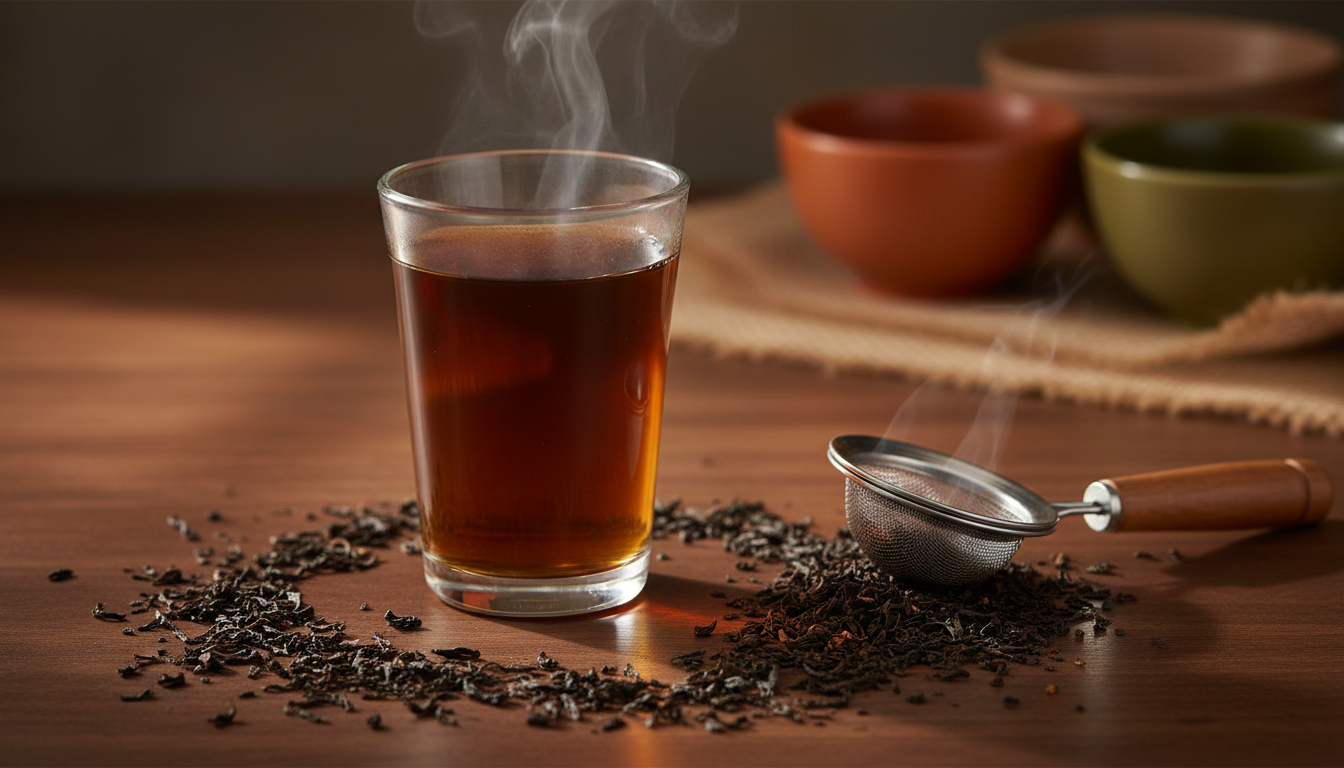

Black Tea: Types, Processing, and How to Brew It
Black tea is fully oxidized Camellia sinensis. Compare Assam, Darjeeling, Keemun, and Ceylon varieties. Learn processing, brewing, and caffeine levels.


How To Grow Black Tea
Learn how to grow black tea at home: soil, climate, and the five processing steps from fresh leaf to a finished cup of black tea.

La sabiduría es el camino hacia un té mejor.
Reciba nuestra guía gratuita de preparación: el agua, la temperatura y el tiempo de infusión adecuados para cada té que vendemos. Además, será el primero en conocer las nuevas cosechas.
Sin spam. Cancele cuando quiera.
Revise su bandeja de entrada.
La guía está en camino.