













Lavender Tea: Floral Flavor, Origins and How to Brew It
Some evening drinks are chosen for their flavor. Lavender tea is chosen for what it smells like. A properly brewed cup of Lavandula angustifolia buds fills the room before it reaches your mouth — and that aroma is why people have ended their days with it for generations. Getting the cup right is mostly a matter of restraint: a little lavender brews a lovely tea, and too much brews soap.
What Culinary Lavender Actually Is
Tea-grade lavender is not the same plant as the hedge in an ornamental garden. Culinary lavender comes from Lavandula angustifolia — English lavender — the mildest and sweetest of the lavender species, with far less of the sharp camphor edge of ornamental varieties. The buds are harvested just before full bloom, when the aromatic oils are at their cleanest, then dried whole.
Brewed alone, the flavor is floral with a faint sweetness and a herbal, slightly resinous background. Some drinkers love it neat; many prefer it blended, where a softer partner rounds off its edges — more on that below.
Why People Reach for Lavender in the Evening
Lavender's place in the evening is old and near-universal: dried buds have gone into evening infusions, bath water, and pillow sachets across Europe for centuries. The scent is what carries the ritual — which is why the aroma matters more in this tea than in almost any other, and why brewing it covered makes a noticeable difference.
Much of the appeal lies in the routine itself: stopping, brewing, holding something warm that smells good.
How to Brew Lavender So It Tastes Floral, Not Soapy
The single most common mistake with lavender tea is using too much. These buds are concentrated: one teaspoon per 200 ml cup is plenty. Beyond that, the cup tips from floral into soapy and bitter — the flavor equivalent of walking through a perfume department.
Water just off the boil, 90-95°C. Steep four to five minutes, covered — a lid or saucer over the cup traps the volatile oils that would otherwise leave as steam, and with lavender those oils are the whole point. Strain promptly when the time is up; an extra forgotten five minutes pushes out harsh, perfumey notes that no honey can rescue.
Blends That Pair Well with Lavender
Chamomile is the classic partner. Its soft, apple-like roundness cushions lavender's sharper florality, and a half-and-half blend tastes softer than either herb alone. If pure lavender feels too assertive, start here.
Lemon balm works in the other direction, adding a fresh, lightly citrus lift that brightens the cup without competing with the floral note.
Honey, stirred in after steeping, balances any lingering bitterness — a small spoonful is enough. Lavender and honey is an old pairing for good reason.
Choosing and Storing Culinary Lavender
Buy lavender sold explicitly as culinary or food-grade — ornamental and craft lavender may be treated with sprays never meant for consumption, and the flavor is harsher anyway. Organic is worth preferring here since you are brewing the whole flower.
Judge quality by nose and eye: good buds are vividly colored and smell strongly of themselves the moment you open the bag. Greyish, faded buds with a faint scent have already lost most of their oils to time. At home, store the buds airtight, away from light and heat. The color outlasts the aroma, so smell the jar occasionally — when the scent goes flat, the tea will too.
Frequently Asked Questions
Is lavender tea caffeine-free? Yes, entirely. It is a pure herbal infusion with no tea leaf in it.
Why does my lavender tea taste soapy? Almost always too many buds or too long a steep. Drop to one teaspoon and five minutes, covered, and the cup usually comes right.
Can I drink it every night? Many people make it a nightly ritual. As with any herb, if you are pregnant, take medication or have a health condition, ask your doctor first.
A Small, Fragrant Evening Habit
Lavender tea rewards a light hand and a covered cup. Go easy on the buds, keep the steep short, and let the aroma lead. It is one of the simplest evening habits there is: one teaspoon, one cup, five quiet minutes.
Dejar un comentario
Los comentarios se aprobarán antes de mostrarse.
Ver artículo completo
The Complete Guide to Drinking Tea
What tea is, how the main types differ in the cup, and how to brew each one properly. Water temperature, steeping times, storage and how to get more than one cup from your leaves.
Ver artículo completo

Black Tea: Types, Processing, and How to Brew It
Black tea is fully oxidized Camellia sinensis. Compare Assam, Darjeeling, Keemun, and Ceylon varieties. Learn processing, brewing, and caffeine levels.

How To Grow Black Tea
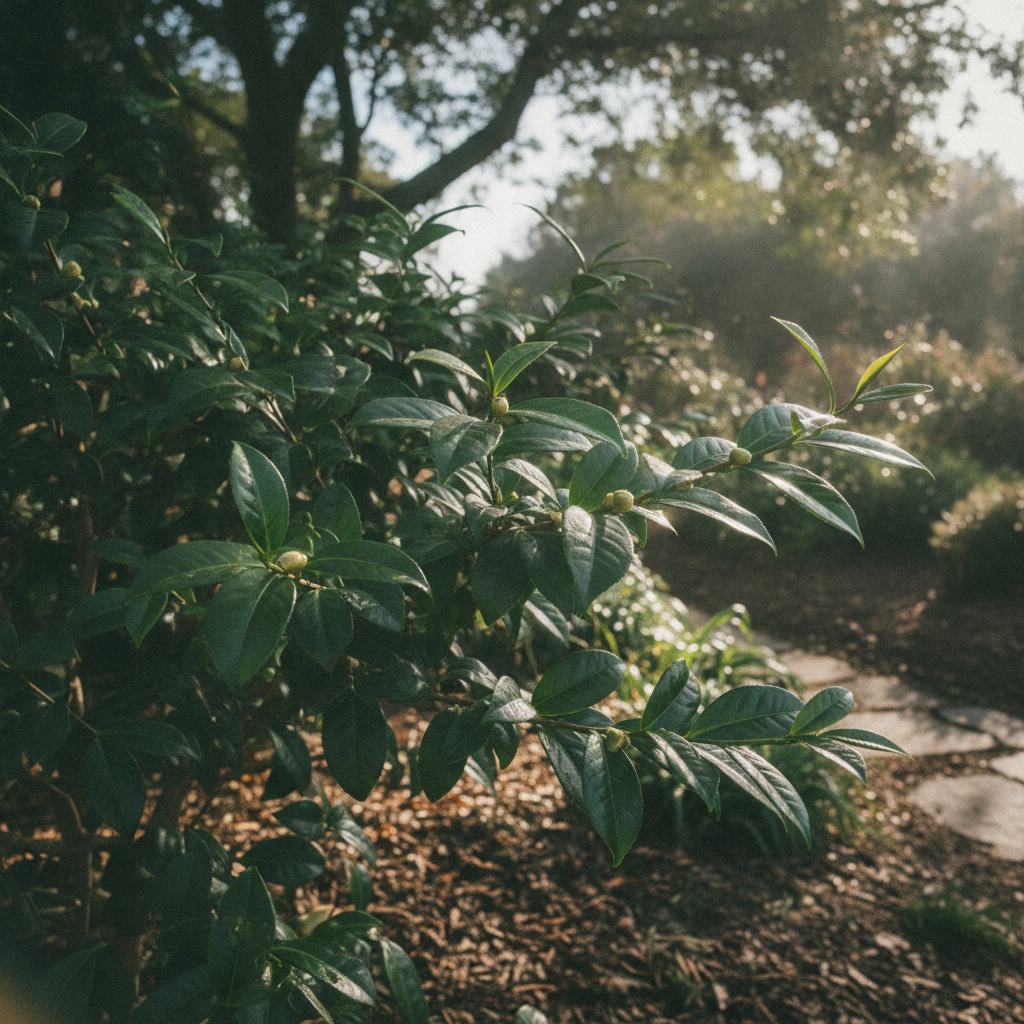
Learn how to grow black tea at home: soil, climate, and the five processing steps from fresh leaf to a finished cup of black tea.

La sabiduría es el camino hacia un té mejor.
Reciba nuestra guía gratuita de preparación: el agua, la temperatura y el tiempo de infusión adecuados para cada té que vendemos. Además, será el primero en conocer las nuevas cosechas.
Sin spam. Cancele cuando quiera.
Revise su bandeja de entrada.
La guía está en camino.