













Chai Tea Recipes: The Complete Guide
Chai tea is a dark, spiced, milk-simmered drink from the Indian subcontinent that has become one of the most widely adapted beverages in the world. "Chai" means tea in Hindi, so "chai tea" is technically redundant, but if you have searched for a chai tea recipe today, you already know what you are after. The problem is that there is no single chai recipe.
Regional variations in India alone number in the dozens, each household with its own spice ratios, milk proportions, and simmering times. This guide covers the four main formats you are actually likely to make at home: classic stovetop masala chai, cafe-style chai latte, iced chai, and batch concentrate. For each one, precise parameters are included so you know exactly what you are doing and why.

Classic Masala Chai Recipe
The classic masala chai is a 10-minute stovetop brew using whole spices and a strong black tea base simmered together with whole milk. This is the method most searches for "chai tea recipe" are actually looking for, even if they do not know it yet.

What You Need (2 Cups)
- 500 ml water
- 250 ml whole milk (or oat milk for a nuttier result)
- 2 heaped tsp loose leaf CTC Assam (or 2 Assam teabags as a fallback)
- 4 cardamom pods, lightly crushed
- 1 cinnamon stick
- 3 cm fresh ginger, thinly sliced
- 4 black peppercorns
- 2 cloves
- Sugar or jaggery to taste
Method
- Add water, cardamom, cinnamon, ginger, peppercorns, and cloves to a small saucepan. Bring to a gentle simmer over medium heat and cook for 5 minutes. The spices need time on heat before tea goes in.
- Add the loose Assam. Simmer for 2 more minutes. The water will darken quickly.
- Pour in the milk. Return to a gentle simmer and cook for 3 minutes, stirring occasionally. Do not boil hard or the milk will catch.
- Strain through a fine mesh strainer into cups. Ginger fibre and cardamom husk should not be in the drink.
- Sweeten to taste. Serve immediately.
Why CTC Assam? CTC stands for crush-tear-curl, the processing method that produces small, rolled pellets of leaf. It releases colour and flavour faster than whole leaf and holds up to simmering with milk in a way that more delicate teas cannot.
Assam from northeastern India has the malty, full-bodied character that gives masala chai its backbone. A Darjeeling or Ceylon would wash out against the spices. Assam stays present.
Common Mistakes
- Adding tea and spices at the same time: the spices need their head start or the flavour is flat
- Using ground spices instead of whole: they muddy the liquor and create sediment that straining does not fully catch
- Boiling hard after adding milk: a rolling boil causes the milk proteins to separate and the drink turns grainy
Chai Latte Recipe: Cafe-Style at Home
A chai latte is not masala chai with extra steps. It is a different method that produces a different drink: a milder spiced tea concentrate paired with separately frothed milk. The tea and milk never cook together, which is why the result is lighter and less intense than stovetop chai.

What You Need (2 Lattes)
- 300 ml water
- 3 tsp loose leaf Assam (whole leaf or CTC both work here)
- 4 cardamom pods, crushed
- 1 cinnamon stick
- 3 cm fresh ginger, sliced
- 3 black peppercorns
- 300 ml milk, frothed (whole, oat, or almond)
- Optional: 1/2 tsp vanilla extract, 1 tsp honey
Method
- Combine water and all spices in a small saucepan. Bring to a simmer and cook 5 minutes.
- Add loose leaf Assam. Simmer 3 minutes. Remove from heat and steep a further 2 minutes.
- Strain the concentrate into a jug or jar.
- Froth milk separately using a handheld frother, steam wand, or by shaking in a sealed jar and microwaving briefly.
- Pour 150 ml concentrate into each cup. Top with 150 ml frothed milk, holding back the foam and spooning it on top.
A common starting ratio is 1:1 concentrate to frothed milk for a standard latte strength; adjust to taste. If you prefer something lighter, go 1:1.5.
Make-ahead option: The concentrate keeps up to 3 days refrigerated. Make a batch on Sunday and you have lattes through to Wednesday morning without touching the stove again. Reheat the concentrate gently before using.
Temperature: Do not use boiling water for the concentrate. Around 90-95C gives better spice extraction without over-extracting the tea. If you are using a kettle, let it rest 30 seconds after boiling.
Iced Chai Tea Recipe
Iced chai works year-round, not just in summer. There are two methods worth knowing: the quick double-strength hot brew poured over ice, and the slow cold-brew overnight version. They produce different results.

Method 1: Double Strength Hot Brew (Ready in 20 Minutes)
This is the faster method. Brew your chai at double strength (double the tea, same spice quantity as the masala recipe above), using only 250 ml of water instead of 500 ml. Simmer as normal but without milk.
Let it cool for 10 minutes, then pour over a glass filled with ice. The ice dilutes it back to normal strength. Add 150 ml of cold milk (dairy or oat) and stir.
A splash of vanilla extract works well in the iced version. It rounds out the spice edge and makes the drink feel slightly sweeter without extra sugar.
Method 2: Cold Brew Overnight (8 Hours, No Heat)
Cold brew produces a rounder, less astringent result because the cold water never agitates the tannins in the tea. The spices express differently too, more subtle and integrated.
- 750 ml cold water
- 2 tsp loose leaf Assam
- 4 cardamom pods, lightly cracked
- 1 cinnamon stick, broken in half
- 2 cm fresh ginger, sliced
- 3 peppercorns
- Pinch of cloves
Combine everything in a jar or pitcher. Cover and refrigerate for 8 hours or overnight. Strain through a fine mesh. Serve over ice with cold milk.
The cold brew is better if you are planning ahead. The flavour is noticeably smoother and less sharp, which suits people who find standard masala chai a bit intense. Oat milk is the natural pairing here: its mild sweetness and creamy body complement the cooler, subtler spice character of cold-brewed chai.
Tip: Cold brew iced chai concentrate can be stored in the fridge for up to 48 hours before adding milk. Once you add milk, drink it the same day.
Spiced Chai Concentrate Recipe for Batch Brewing
If you drink chai regularly, batch brewing a concentrate is the most practical approach. One 20-minute session gives you enough concentrate for a week of drinks. You just measure, heat, and go.
What You Need (Makes Approximately 600 ml Concentrate, 8-10 Servings)
- 500 ml water
- 3 tbsp loose leaf Assam
- 10 cardamom pods, lightly crushed
- 2 cinnamon sticks
- 5 cm fresh ginger, sliced (or 1 tsp dried ground ginger)
- 1 tsp black peppercorns
- 5 cloves
- Optional: 100 ml honey or a simple sugar syrup to sweeten the concentrate while hot
Method
- Combine water and all spices in a medium saucepan. Bring to a boil, then reduce to a steady simmer.
- Simmer for 15 minutes uncovered. You want reduction and concentration, not a quick steep.
- Add loose Assam. Simmer a further 5 minutes.
- Strain through a fine mesh into a clean jar or bottle. If sweetening, add honey or syrup now while the concentrate is still hot and stir to dissolve.
- Cool completely before refrigerating.
Storage: The concentrate keeps up to 2 weeks refrigerated. Check it before each use; if the smell is off or it has gone cloudy in an unusual way, discard it.
To serve: Mix concentrate with milk at a 1:2 ratio for a standard strength drink (100 ml concentrate, 200 ml milk). Go 1:3 for a lighter version. Heat the mixture gently on the stove or froth cold milk and pour over cold concentrate for an iced latte.
The dried ginger option is worth noting. Fresh ginger gives more immediate heat and a greener, sharper character, while dried ginger gives a warmer, rounder spice note that integrates more quietly.
Both work. In a batch concentrate, dried ginger is the better choice because it blends more evenly and does not leave fibrous residue that makes it through imperfect straining.
Choosing the Best Tea and Spices for Chai
Every format above will be better or worse depending on the quality of what goes in. Here is what actually matters when choosing ingredients.
Tea Base
Assam is the standard, and for good reason. Its high tannin content, malt character, and natural body mean it does not disappear behind the spices. Both CTC Assam and whole leaf Assam work, but they behave differently: CTC brews faster (ideal for stovetop simmering) while whole leaf has more nuance and is better suited to concentrate brewing where it has more time to develop.
Ceylon is a secondary option. It is lighter and fruitier than Assam, with slightly less body. It works in an iced chai where you want something a bit less intense.
We know from 15 years of sourcing that teas vary significantly between estates. A good Ceylon from the Nuwara Eliya highlands can be elegant and brisk in a way that suits cold applications particularly well.
Darjeeling is rarely the right call for chai. Its delicate muscatel aromatics are wasted in a heavily spiced drink. Save it for straight brewing.
Ginger
Fresh ginger and dried ginger are not interchangeable. Fresh ginger gives immediate sharp heat that dissipates slightly with simmering. Dried ginger gives a warmer, more diffuse heat that lingers longer on the palate.
In a quick stovetop masala chai, fresh ginger is the standard. In a long-simmered batch concentrate, dried ginger integrates better.
Cinnamon
Ceylon cinnamon (the "true" cinnamon, Cinnamomum verum) has a lighter, slightly sweet flavour. Cassia (Cinnamomum aromaticum), which is what most supermarkets sell, is stronger, more bitter, and more typically what you taste in commercial chai blends. Both work but they produce different profiles. Ceylon cinnamon suits a lighter chai latte; cassia suits a bolder stovetop masala chai.
Cardamom
Green cardamom (Elettaria cardamomum) is the standard for chai. It provides the floral, slightly eucalyptus note that gives masala chai its recognisable character. Use whole pods that you crush lightly, not pre-ground cardamom, which loses volatiles quickly and can taste dusty rather than bright.
Black Pepper
This is the ingredient most home recipes under-use. Even 3-4 peppercorns in the pot add a warmth and slight heat that rounds out the spice mix without being identifiably "peppery" in the finished drink. Do not skip it.
Cloves
A small quantity goes a long way: the recipes above use 2-5 whole cloves, which is enough to add depth and a faint bitterness without overwhelming the blend. At Valley of Tea we source cloves primarily from Sri Lanka, with India as a close second. Look for whole cloves that are a vibrant brown with a good smell when you break one open; dull, greyish cloves have lost most of their essential oil and will contribute little to the pot.
Conclusion
Every chai tea recipe, regardless of format, rests on three variables: a strong tea base that does not fade behind the spices, a layered spice blend with cardamom, ginger, cinnamon, pepper, and cloves each playing a specific role, and milk at the right ratio and temperature. Get those three right and the format, whether stovetop, latte, iced, or batch concentrate, follows naturally.
Start with the classic masala chai to understand the stovetop method, then move to the concentrate once you know the spice balance you prefer. The concentrate approach is by far the most practical for daily drinkers, and once made, it puts a good cup of chai 3 minutes away on any morning.
Leave a comment
Comments will be approved before showing up.
Also in Valley of Tea Blog | Tea Guides, Origins & Brewing Tips
The Complete Guide to Drinking Tea
What tea is, how the main types differ in the cup, and how to brew each one properly. Water temperature, steeping times, storage and how to get more than one cup from your leaves.
Read More

Black Tea: Types, Processing, and How to Brew It
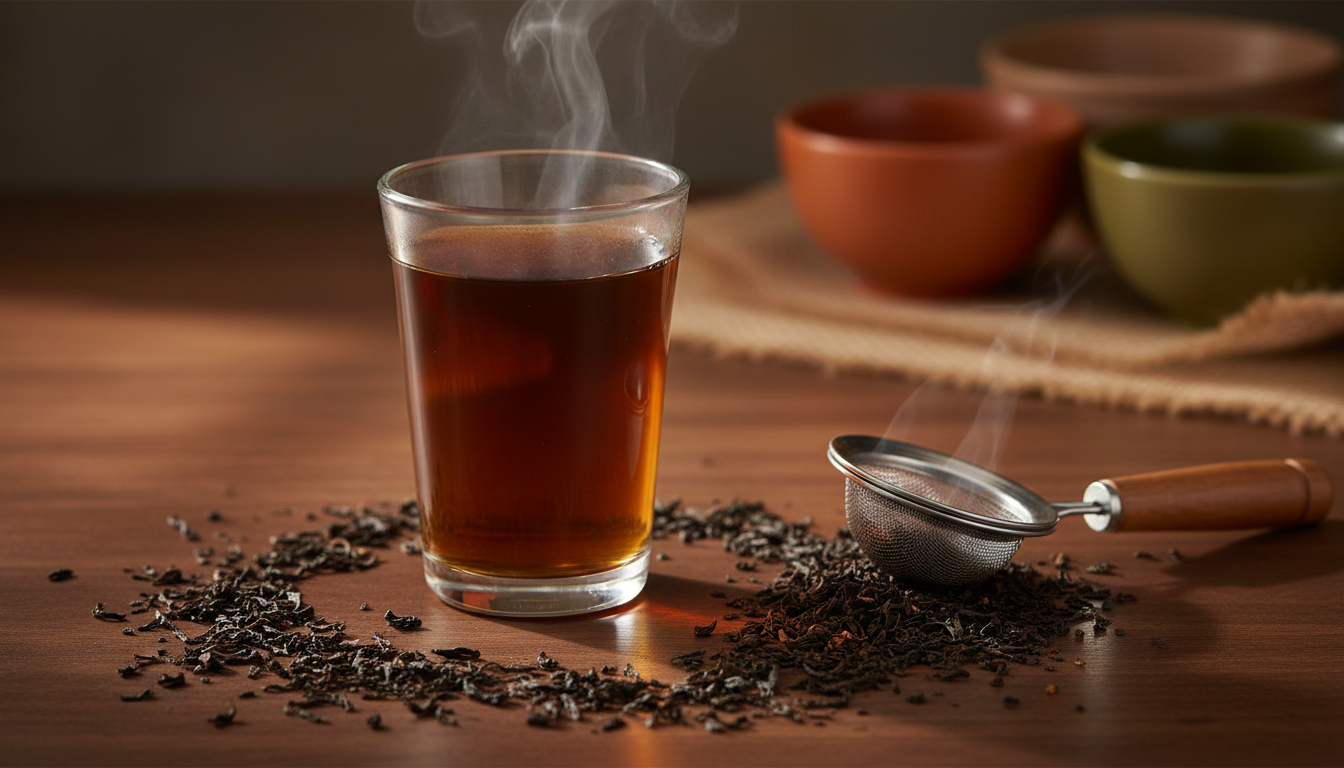
Black tea is fully oxidized Camellia sinensis. Compare Assam, Darjeeling, Keemun, and Ceylon varieties. Learn processing, brewing, and caffeine levels.


How To Grow Black Tea
Learn how to grow black tea at home: soil, climate, and the five processing steps from fresh leaf to a finished cup of black tea.

Wisdom is the path to better tea.
Get our free brewing guide: the right water, heat and timing for every tea we sell. You will also hear it first when new harvests arrive.
No spam. Unsubscribe any time.
Check your inbox.
The guide is on its way.