












Jasmine Loose Leaf Tea Quality
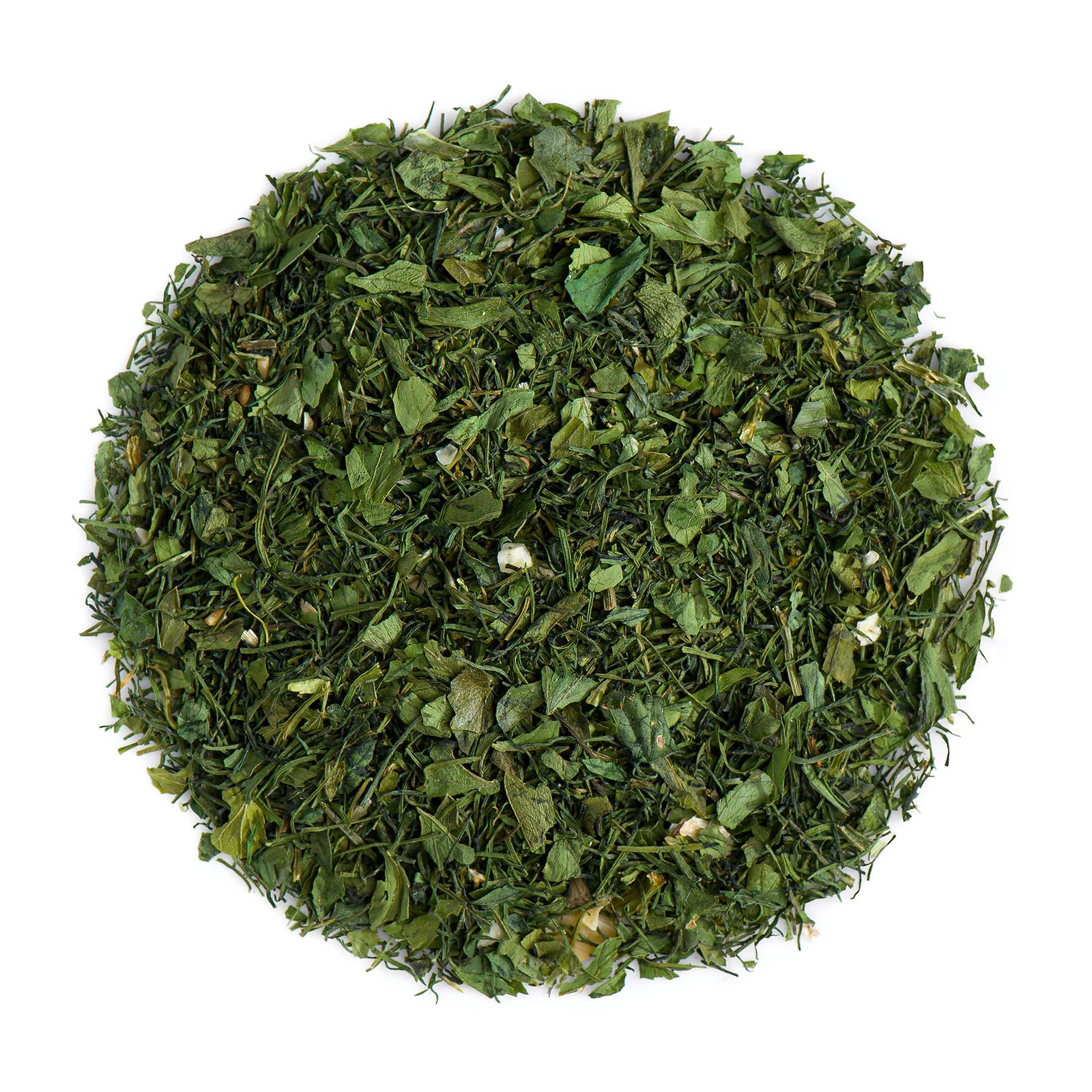
Jasmine tea is the world's most popular scented tea, and the quality range is wider than most buyers realise. At one end sits hand-scented whole leaf tea from Fujian, layered with fresh jasmine blossoms multiple times until the tea carries a natural, complex floral character. At the other end is dust-grade base tea saturated with jasmine flavouring oil. The difference is immediately detectable in the cup. This guide covers what separates the two, what quality jasmine tea loose leaf actually tastes like, and how to read grades before you buy.


Traditional Jasmine Scenting vs. Artificial Flavouring
The most important quality distinction in jasmine tea is how the scent got into the leaf in the first place.

Traditional scenting is a labour-intensive process. Fresh jasmine blossoms, harvested in the evening when their fragrance peaks, are layered with the base green tea and left overnight. The tea absorbs the floral vapour. The spent flowers are removed, the tea is dried, and the cycle repeats.
Premium grades go through this process three to seven times. Each pass adds depth and complexity without adding any extraneous ingredient: the finished tea contains only leaf.
Artificial flavouring works differently. Jasmine flavouring oil or jasmine extract is added to the processed tea after drying. The result is an intense, one-dimensional scent that hits immediately but fades fast and leaves a synthetic aftertaste. You have likely encountered this in cheap jasmine tea bags: an overwhelming initial floral smell with nothing underneath and a slightly chemical finish.
The label tells you which you are buying. "Scented with jasmine flowers" or "traditionally scented" indicates the real process. "Jasmine flavour," "jasmine flavouring," or "jasmine oil" in the ingredients list means artificial. Some producers list no detail at all, in which case a very low price per gram is usually a reliable signal that the scenting was not traditional.
We source our jasmine tea from Fujian, where traditional scenting has been practised for centuries. The province grows both the base tea and Jasminum sambac, the variety used for scenting, which keeps the process close to the source.
What Quality Jasmine Tea Tastes Like
Quality jasmine tea loose leaf has a subtly floral character where the jasmine complements the green tea underneath rather than overwhelming it.
In the cup, the liquor is a clear light gold-green. The aroma is fresh and natural, closer to the smell of actual jasmine flowers than to jasmine perfume. On the palate, the first steep delivers gentle florals with the vegetal sweetness typical of a good Chinese green tea underneath. There is no synthetic aftertaste. The finish is clean and lingering.
The second steep is where traditionally scented jasmine tea proves its quality. As the floral top notes soften, the green tea character comes forward: grassy, lightly sweet, sometimes with a faint nutty undertone depending on the base leaf. Artificially flavoured jasmine tea has nothing left to offer by the second steep. Traditionally scented tea gets more interesting.
Brew at 80-85°C for 2-3 minutes. Boiling water drives bitterness out of the green tea base and flattens the floral notes. Use about 2g per 100ml as a starting point and adjust to taste. The tea can handle two to three good steeps from a single measure of leaf.
Grades: Jasmine Pearls to Standard Loose Leaf
Jasmine tea grades follow both the quality of the base leaf and the number of scenting passes applied.

Dragon Pearls (Longzhu): Hand-rolled buds of whole leaf, often one bud and one or two leaves, tightly wound into small balls. These open slowly in hot water, releasing their fragrance gradually across multiple steeps. Longzhu receive the highest number of scenting passes, typically five to seven, and use tender spring buds as the base leaf. They are the premium grade and priced accordingly. I find them worth the extra cost if you are brewing gongfu style or want to showcase the tea to someone unfamiliar with jasmine.
Standard loose leaf: A mix of full leaves and leaf fragments, processed in the orthodox style rather than rolled. Typically three to five scenting passes. This grade offers excellent flavour at better value than pearls and is the right choice for everyday brewing. The flavour profile is broadly similar to Dragon Pearls but with less refinement in the finish.
Budget blend: Minimal scenting, often one or two passes, on a CTC-processed base leaf. CTC (crushing, tearing, curling) is an industrial process that breaks the leaf into small particles for tea bag production. I would not use this grade loose. The base leaf has no character of its own, and without multiple scenting passes, the jasmine note is thin and short-lived.
Choosing Well
Jasmine tea loose leaf at its best is subtle, naturally floral, and backed by a genuine green tea character. The clearest signal of quality is the scenting method: look for traditionally scented with jasmine flowers, not jasmine flavouring. Among traditionally scented teas, Dragon Pearls sit at the top of the grade hierarchy, standard loose leaf offers excellent everyday value, and budget CTC-based blends are best avoided.
We source traditionally scented Fujian jasmine with documented scenting pass counts so you know what you are buying before the first cup.
Leave a comment
Comments will be approved before showing up.
Also in Valley of Tea Blog | Tea Guides, Origins & Brewing Tips
The Complete Guide to Drinking Tea
What tea is, how the main types differ in the cup, and how to brew each one properly. Water temperature, steeping times, storage and how to get more than one cup from your leaves.
Read More

Black Tea: Types, Processing, and How to Brew It
Black tea is fully oxidized Camellia sinensis. Compare Assam, Darjeeling, Keemun, and Ceylon varieties. Learn processing, brewing, and caffeine levels.

How To Grow Black Tea
Learn how to grow black tea at home: soil, climate, and the five processing steps from fresh leaf to a finished cup of black tea.

Wisdom is the path to better tea.
Get our free brewing guide: the right water, heat and timing for every tea we sell. You will also hear it first when new harvests arrive.
No spam. Unsubscribe any time.
Check your inbox.
The guide is on its way.