













Lapsang Souchong: Centuries of Craft
Few teas carry as much history in every sip as Lapsang Souchong. It is the original black tea, the one that started it all. Before Earl Grey, before English Breakfast, before any of the blends that now fill supermarket shelves, there was this smoky, pine-scented tea from a remote corner of southern China. The story behind lapsang souchong tea begins in the Wuyi Mountains of Fujian province, where farmers under pressure invented a process that would change the global tea trade forever.


A Tea Born Out of Urgency

The most widely told origin account places the creation of Lapsang Souchong during the late Ming Dynasty, sometime in the mid-17th century. Soldiers passing through the Wuyi Mountains occupied a tea factory, delaying production. By the time the farmers could return to their leaves, the tea had begun to oxidize far beyond what was normal for the green teas they typically produced.
Facing a ruined harvest, the farmers needed to dry the leaves quickly. They lit fires of local pine wood and held the tea over the smoke. The result was something no one had tasted before: a fully oxidized tea with a bold, smoky character.
Rather than a failed batch, it became a sought-after product. Merchants bought it. Traders carried it to port cities. Within decades, it had reached Europe.
Traditional and Modern Production

In its birthplace, authentic Lapsang Souchong is known as Zhengshan Xiaozhong. "Zhengshan" means "correct mountain," a designation that limits true production to the Tongmu Village area within the Wuyi Mountains.

Traditional processing involves withering the leaves over pine wood fires, then rolling and oxidizing them before a final smoking over smoldering pine roots and branches. The smoke permeates the leaves slowly, building layers of flavor without overwhelming the tea itself.
Modern versions vary widely. Some producers use lighter smoking for a more subtle result. Others skip the pine smoke entirely, relying on the natural sweetness and malt of the oxidized leaf.
What Lapsang Souchong Tastes Like
The defining note is smoke. In a well-made Lapsang, that smoke is clean and resinous, carrying the scent of pine forests rather than an ashtray. Behind it, the tea often reveals a natural sweetness, sometimes compared to dried longan fruit or dark caramel.
Some versions carry hints of dried stone fruit, leather, or a gentle spice. The body tends to be medium to full, with low astringency. Brewed carefully, our Lapsang Souchong shows this balance between boldness and subtlety.
How Lapsang Shaped Western Tea Culture
The story behind lapsang souchong tea is inseparable from the history of tea in the West. When Dutch and Portuguese traders first brought Chinese tea to Europe in the early 17th century, black tea was what survived the long sea voyages. Green teas often deteriorated during months at sea. Fully oxidized teas held up.
Lapsang Souchong was among the first black teas to arrive in England and the Netherlands. Its durability and strong flavor made it practical cargo. The European taste for black tea, which persists to this day, traces a direct line back to these early shipments from Fujian.
Food Pairings

The smoky profile of Lapsang makes it a strong partner for savory foods. Grilled and smoked meats are a natural match, as the tea echoes and complements the char and fat. Hard aged cheeses, particularly Gouda or cheddar, work well alongside a cup.
On the sweeter side, dark chocolate with a high cacao percentage pairs effectively. The bitterness of the chocolate and the resinous smoke find a shared register. Some cooks also use brewed Lapsang as an ingredient, incorporating it into marinades, sauces, and even baked goods.
Lapsang Souchong is not a tea that tries to please everyone. It is distinct, with a flavor that provokes strong reactions. But for those who appreciate it, few teas offer as much character or history in a single cup. Explore our Lapsang Souchong to taste that tradition for yourself.
Related Articles
Dejar un comentario
Los comentarios se aprobarán antes de mostrarse.
Ver artículo completo
The Complete Guide to Drinking Tea
What tea is, how the main types differ in the cup, and how to brew each one properly. Water temperature, steeping times, storage and how to get more than one cup from your leaves.
Ver artículo completo
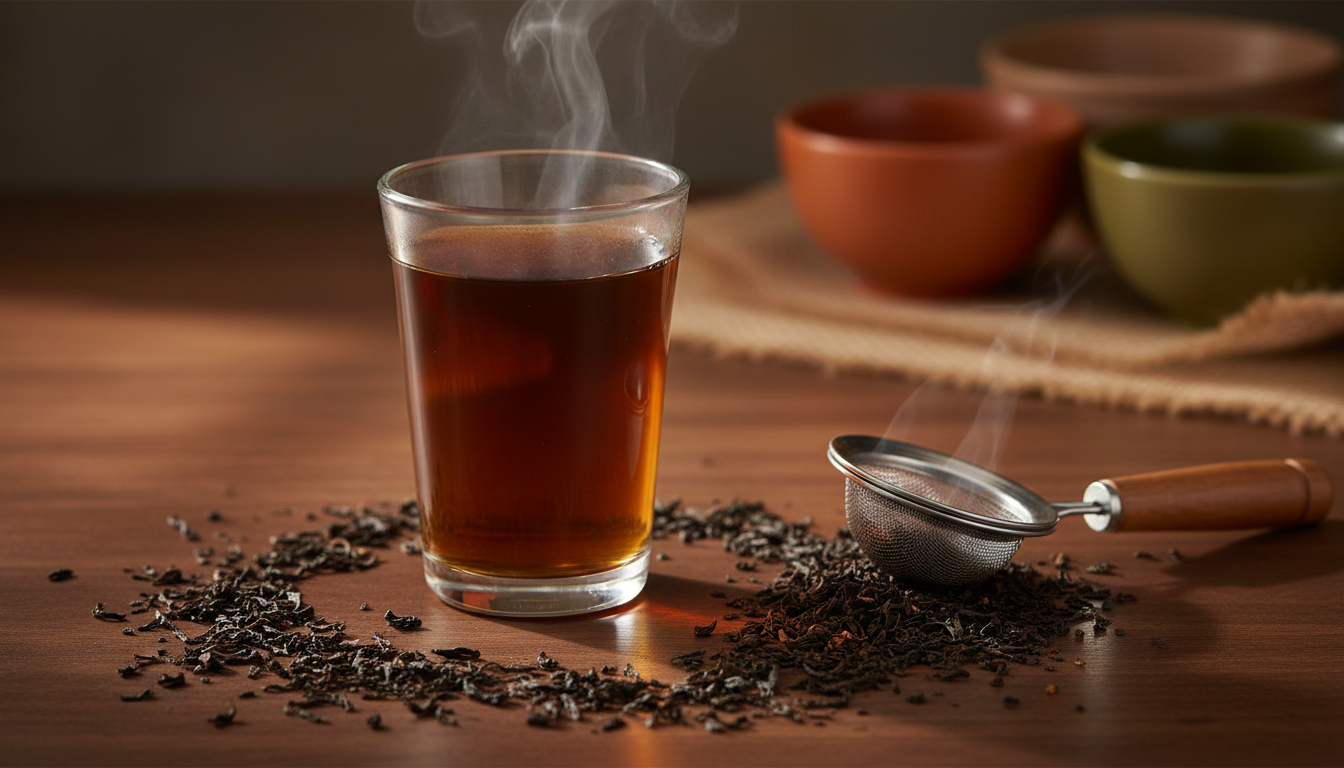

Black Tea: Types, Processing, and How to Brew It
Black tea is fully oxidized Camellia sinensis. Compare Assam, Darjeeling, Keemun, and Ceylon varieties. Learn processing, brewing, and caffeine levels.
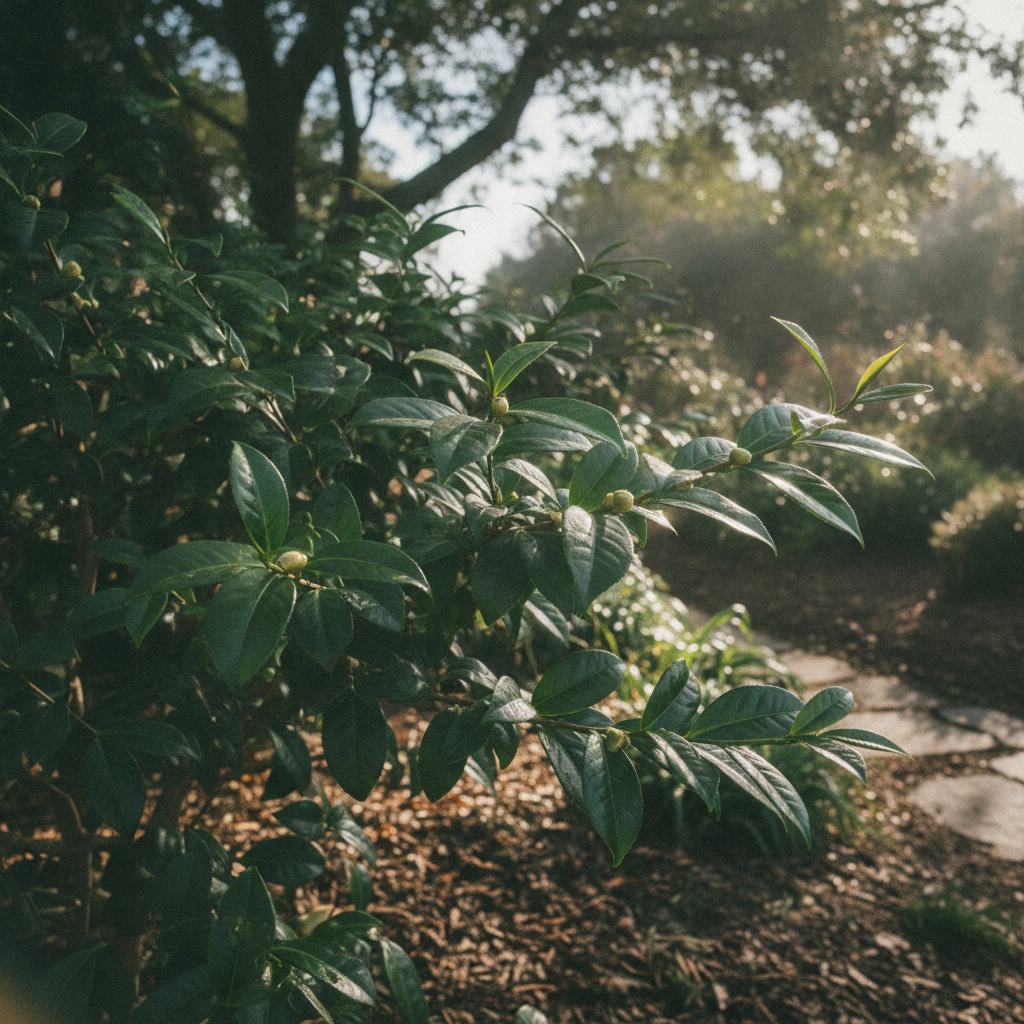

How To Grow Black Tea
Learn how to grow black tea at home: soil, climate, and the five processing steps from fresh leaf to a finished cup of black tea.

La sabiduría es el camino hacia un té mejor.
Reciba nuestra guía gratuita de preparación: el agua, la temperatura y el tiempo de infusión adecuados para cada té que vendemos. Además, será el primero en conocer las nuevas cosechas.
Sin spam. Cancele cuando quiera.
Revise su bandeja de entrada.
La guía está en camino.