













Ginger Tea Stovetop Method for Maximum Zing
A quick steep of ginger in hot water makes a pleasant cup. A stovetop simmer makes a different drink entirely — deeper, hotter, with the kind of bite that suits a cold morning. The difference is not the ginger. It is the method. Simmering extracts far more from the root than steeping ever will, and the whole process takes about fifteen minutes with nothing but a saucepan.
Why the Stovetop Beats Steeping
Ginger's heat lives in gingerol, a compound locked inside the root's dense, fibrous flesh. Hot water poured over a few slices only reaches the surface. A simmer breaks the fibers down and pulls the flavor out of the whole piece — which is why stovetop ginger tea has a fullness that steeped versions lack.
Two more things happen in the pot. With the lid on, the volatile aromatics that would normally escape as steam condense and drip back into the brew, so the cup keeps its fragrance as well as its fire. And the longer the simmer runs, the more the sharp gingerol shifts toward mellower, warmer compounds — which means simmer time is a genuine tuning dial. Short and bright, or long and deep: you choose at the stove.
What You Need
Three things: fresh ginger root, water, and a small saucepan with a lid. A rough guide is a thumb-sized piece of ginger — about 30 grams — per two cups (500 ml) of water. Filtered water makes a marginally cleaner cup, but tap water is fine.
Peeling is optional. The skin carries flavor, so if the root is well scrubbed — especially if it is organic — leave it on. Peel only if the skin looks papery or dried out. Ground ginger powder is not a substitute here: it makes a cloudy, dusty cup and lacks the fresh root's brightness.
The Stovetop Method, Step by Step
Slice the ginger into thin coins, or smash the pieces with the flat of a knife. Either way, the point is surface area — more exposed flesh means more extraction. Grating works too and gives the strongest result, at the cost of a slightly cloudy brew.
Put the ginger and water in the pan, bring it to a boil, then drop the heat, cover, and let it simmer gently. Ten minutes gives a bright, sharp cup with plenty of zing. Twenty minutes gives something deeper and rounder, with less top-note bite and more warmth. Somewhere between the two suits most people.
Strain into a mug and drink it as it is, or finish it — a squeeze of lemon, a teaspoon of honey stirred in off the heat, or both.
Adjusting Strength and Flavor
For a fiercer cup, use more root or simmer longer. For a gentler one, cut the ginger back to a few coins and stop at eight minutes. The recipe forgives almost any adjustment, so tune it by taste rather than by measurement.
The simmering pot also takes additions well. A few black peppercorns or a cinnamon stick pushes the cup toward a chai-like warmth. A slice of fresh turmeric added alongside the ginger deepens the color and adds an earthy note. Lemon and honey stay the classic finish — for that combination in full, see our guide to ginger lemon honey tea variations.
Make-Ahead, Storage, and Reuse
The method scales without any change: quadruple the ginger and water, simmer the same way, and strain the result into a jar. The concentrate keeps in the fridge for three to four days. Reheat it gently and dilute to taste, or pour it over ice with a squeeze of lemon for a sharp cold drink that beats most bought ginger beverages.
The spent ginger has one more brew in it. Simmer the strained pieces a second time in fresh water for a milder cup — thrifty, and still noticeably gingery.
Common Questions
How long should I simmer for the strongest flavor? Twenty minutes covered is the practical ceiling. Beyond that the cup gains little strength and starts tasting stewed rather than sharp.
Does ground ginger work? It will color the water and add some warmth, but the result is flat and slightly chalky next to fresh root. The stovetop method is built for fresh ginger; use ground only when there is nothing else in the house.
When do people drink it? Ginger has been brewed this way for centuries across Asia, often on cold days. Today most people simply make it whenever they want something hot, sharp and spicy in the cup.
Once you have made it twice, you will not need the recipe again: root, water, lid, low flame. The stovetop does the rest.
Dejar un comentario
Los comentarios se aprobarán antes de mostrarse.
Ver artículo completo
The Complete Guide to Drinking Tea
What tea is, how the main types differ in the cup, and how to brew each one properly. Water temperature, steeping times, storage and how to get more than one cup from your leaves.
Ver artículo completo
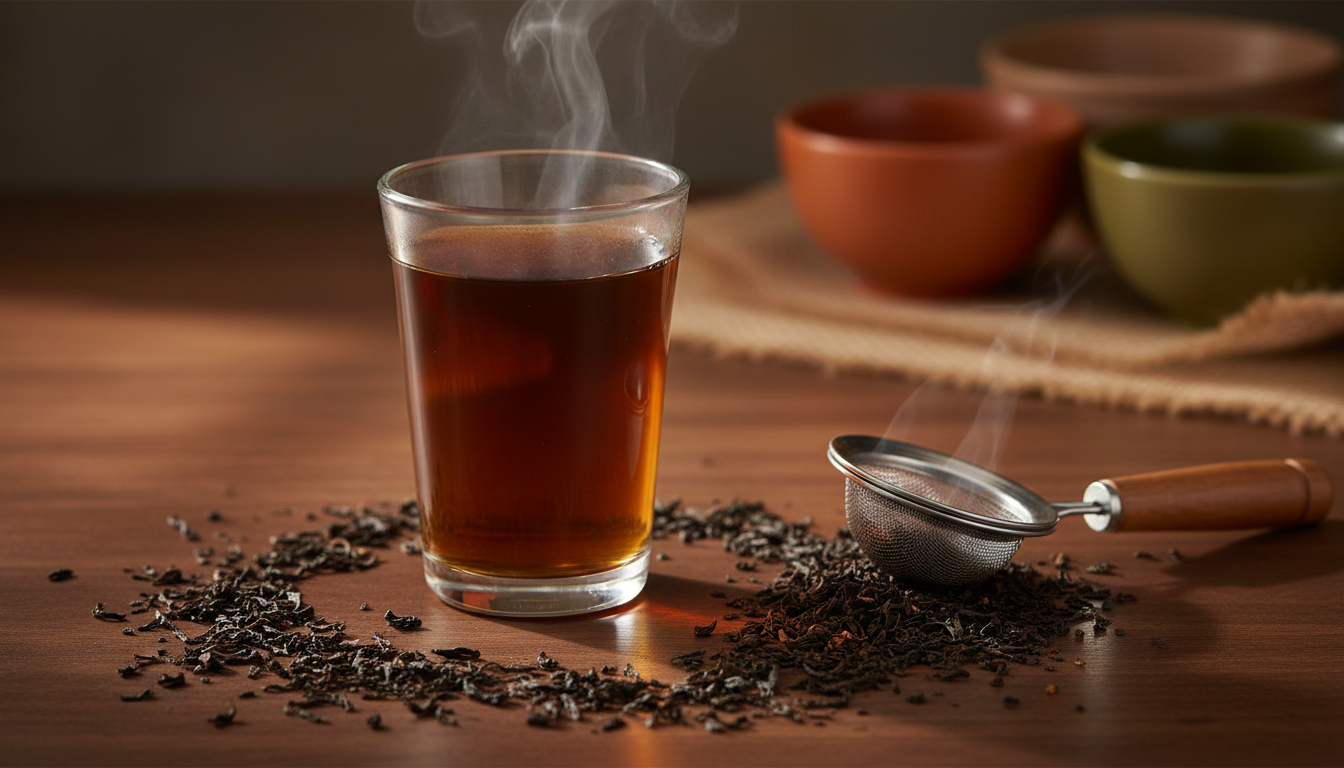

Black Tea: Types, Processing, and How to Brew It
Black tea is fully oxidized Camellia sinensis. Compare Assam, Darjeeling, Keemun, and Ceylon varieties. Learn processing, brewing, and caffeine levels.

How To Grow Black Tea
Learn how to grow black tea at home: soil, climate, and the five processing steps from fresh leaf to a finished cup of black tea.

La sabiduría es el camino hacia un té mejor.
Reciba nuestra guía gratuita de preparación: el agua, la temperatura y el tiempo de infusión adecuados para cada té que vendemos. Además, será el primero en conocer las nuevas cosechas.
Sin spam. Cancele cuando quiera.
Revise su bandeja de entrada.
La guía está en camino.