












Herbal Teas in Folk Tradition: Origins, Flavor and Brewing
Herbal infusions hold a long place in the folk traditions of many cultures. Whether it is ginger from Asia, chamomile from European meadows or cinnamon from the old spice routes, the impulse to reach for a warm cup is nearly universal. Tea has filled that role for centuries. Long before tea bags and supermarket shelves, people across cultures brewed herbal infusions as part of everyday life — and many still do.
At Valley of Tea, we have been sourcing and tasting teas for over fifteen years. This guide draws on that experience.

This guide covers six herbs with a long history in European, Asian and North American folk tradition, how to brew each one properly, and how to combine them into a blend. A note before we begin: none of this is medical advice. We are talking about history, flavour and brewing, not about effects on the body. If you have any health concern, see a doctor. Full stop.
Why People Reach for a Warm Cup
The appeal of a warm drink is easy to understand, and much of it is simply about the moment. A warm mug held in the hands is pleasant on a cold day. The act of preparing tea — boiling water, measuring leaves, waiting for the steep — introduces a pause in the day.
Beyond the warmth, certain herbs have held the attention of herbalists and cooks for generations. Many of the teas listed below have a place in folk traditions spanning Europe, Asia, and the Americas. Their popularity persists because people keep coming back to their flavour. That long track record is a matter of culture and taste, not evidence of any effect, and it does not replace proper medical evaluation.
Six Herbs from Folk Tradition
Ginger Tea
Ginger (Zingiber officinale) is one of the most widely consumed spices on earth and one of the oldest ingredients in Asian cooking and herbal tradition. In India and China, ginger has been cooked and brewed for thousands of years. Many tea drinkers reach for ginger tea for its sharp, spicy bite.

Ginger contains gingerols and shogaols, the pungent compounds responsible for its characteristic heat. These compounds give ginger tea its peppery bite on the palate. Ginger also has a long history of use, and plenty of people enjoy a strong cup of ginger tea on a cold evening.
How to brew ginger tea: Use fresh ginger root for the best flavour. Slice about 2 centimetres of fresh root into thin coins or grate it finely. Place in a mug and pour 250 ml of boiling water over it. Steep for 10 to 15 minutes — ginger can handle long steeping without turning bitter, and a longer steep produces a stronger, spicier cup. Strain and drink. Add a small amount of honey or lemon if desired. For dried ginger, use about one teaspoon per cup and steep for 5 to 10 minutes.
Chamomile Tea
Chamomile (Matricaria chamomilla) is probably the single most popular herbal tea in Europe, and its use goes back to ancient Egypt and Greece. The herb was one of the nine sacred plants in the Anglo-Saxon Lacnunga, and European households have brewed chamomile for centuries.
Chamomile contains apigenin, a flavonoid, along with bisabolol and other aromatic compounds. Tea drinkers frequently describe our German chamomile as gentle and rounded, with a honeyed, apple-like aroma. Chamomile has been a fixture of European herbal tradition for centuries.

How to brew chamomile tea: Use 1 to 2 teaspoons of dried chamomile flowers per cup. Pour water at about 95 to 100 degrees Celsius over the flowers. Cover the cup or teapot during steeping — this is important because chamomile's volatile oils escape with the steam, and covering the vessel keeps them in the infusion. Steep for 5 to 10 minutes. The longer you steep, the more bitter the tea becomes, but also the stronger its herbal character. Strain and drink plain or with a touch of honey.
Peppermint Tea
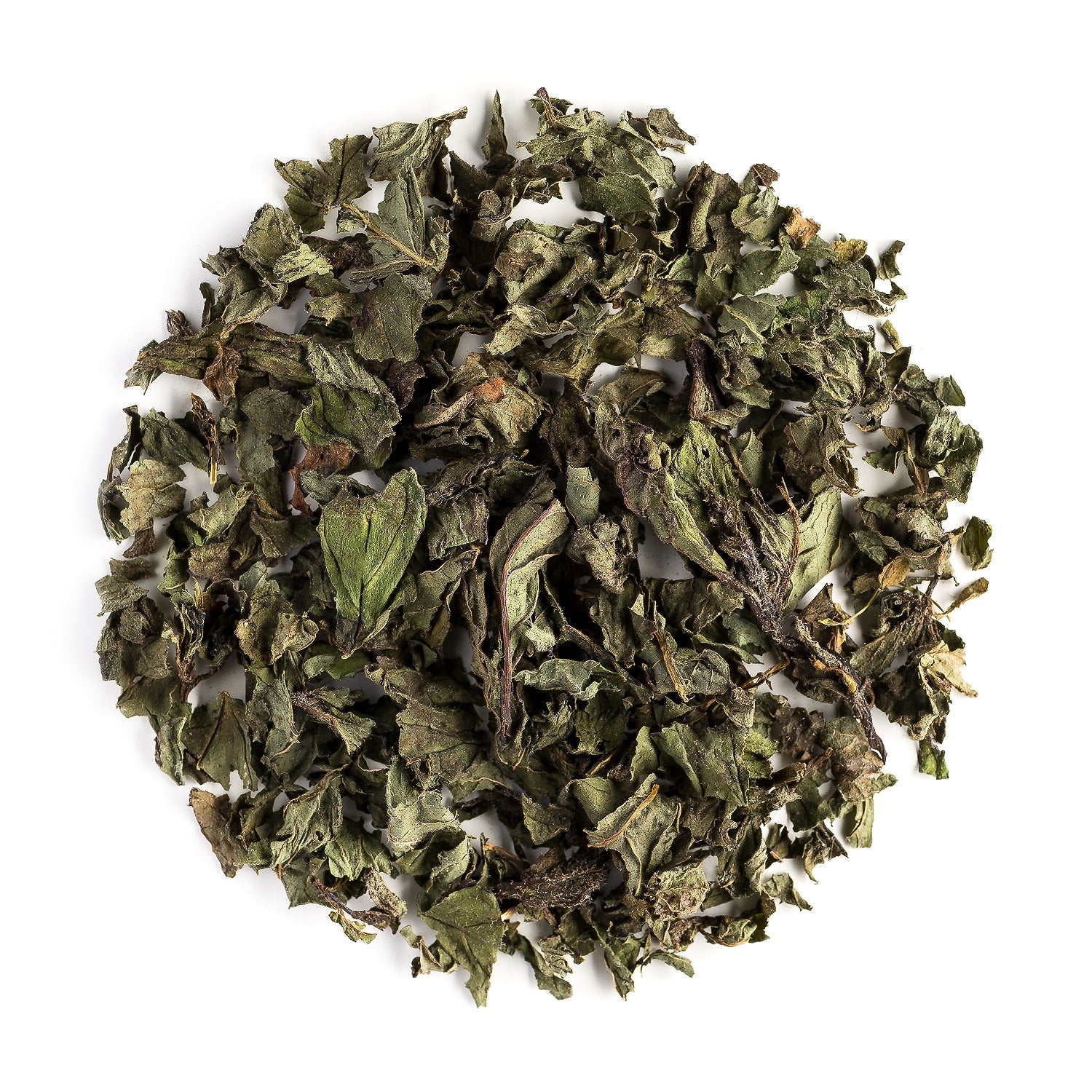
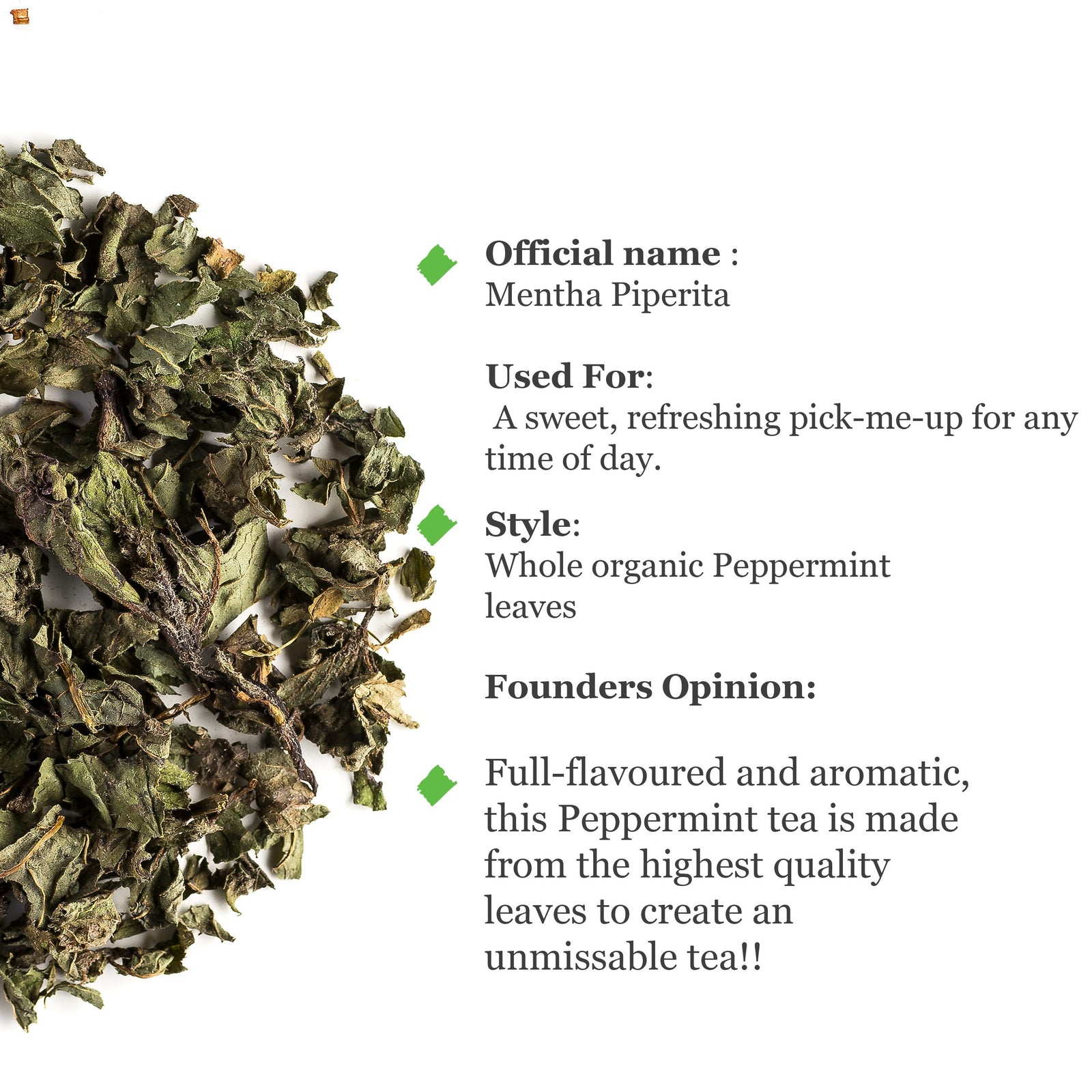
Peppermint (Mentha x piperita) has a long history in European and Middle Eastern tea cups and kitchens. It is one of the most widely available herbal teas in the world, and its menthol content gives it a distinctive cooling sensation that many people find refreshing.
Across Europe and the Middle East, peppermint has long been served to guests and drunk at any hour. Many tea drinkers enjoy the cooling quality of the menthol as a counterpoint to warming spices like ginger and cinnamon. Peppermint is naturally caffeine-free, which makes it a common choice in the evening.
How to brew peppermint tea: Use 1 to 2 teaspoons of dried peppermint leaves per cup, or a small handful of fresh leaves if you have access to them. Pour boiling water directly over the leaves. Cover and steep for 5 to 7 minutes. Peppermint is forgiving — it does not turn bitter easily, so a slightly longer steep is fine. The resulting tea should be bright, clean, and strongly aromatic. Drink it hot for the fullest aroma.

Raspberry Leaf Tea
Red raspberry leaf (Rubus idaeus) is one of the most traditional leaf teas in Western herbalism. Country herbalists have gathered and dried raspberry leaf for tea for centuries. It has a long history of use in European folk tradition and among Indigenous peoples of North America.
The taste of raspberry leaf tea surprises many people — it does not taste like raspberries. Instead, it has a mild, slightly earthy flavour reminiscent of a light black tea. This makes it easy to drink and a good base for blends. Tea drinkers who use raspberry leaf regularly often value it as an easy everyday cup, though tastes vary widely.
How to brew raspberry leaf tea: Use 1 to 2 teaspoons of dried raspberry leaf per cup. Pour boiling water over the leaves and steep for 10 to 15 minutes. Raspberry leaf benefits from a longer steep — the flavour remains mild even with extended brewing. Strain and drink. It is mild enough to enjoy at any time of day. The tea works well both hot and at room temperature.
Guelder Rose Bark Tea
Guelder rose (Viburnum opulus) is a shrub native to Europe and North America, and its bark has a long place in traditional herbalism. Native American herbalists and European folk practitioners both prepared decoctions of the bark.

Guelder rose bark is not as widely available as chamomile or peppermint, but it can be found in herbal tea shops and from online suppliers who specialize in single-origin herbs. The taste is woody and slightly bitter — not unpleasant, though less approachable than the floral and minty teas on this list. It is best understood as a traditional herbal brew with a long folk history.
How to brew guelder rose bark tea: Use 1 to 2 teaspoons of dried, chopped guelder rose bark per cup. Because this is bark rather than leaves or flowers, it benefits from a decoction rather than a simple infusion. Place the bark in a small pot with 300 ml of cold water. Bring to a gentle boil, then reduce heat and simmer for 10 to 15 minutes. Strain and drink. You can add honey, lemon, or blend it with peppermint to improve the flavour.
Cinnamon Tea
Cinnamon (Cinnamomum verum or Cinnamomum cassia) has been a staple of kitchens and the spice trade across Asia, the Middle East, and Europe for thousands of years. In Indian and Chinese cooking, cinnamon is one of the defining sweet spices. Many tea drinkers describe cinnamon tea as deep, sweet and spicy on a cold evening.
Cinnamon also has the advantage of tasting excellent. Its sweet, spicy profile makes it one of the more enjoyable herbal brews to drink, and it blends well with nearly every other tea on this list. It is naturally caffeine-free and widely available.

How to brew cinnamon tea: Use a cinnamon stick (about 7 to 8 centimetres) or 1 teaspoon of cinnamon chips per cup. For a cinnamon stick, break it into a few pieces to increase the surface area. Pour boiling water over the cinnamon and steep for 10 to 15 minutes. For a stronger tea, simmer the cinnamon in water on the stove for 10 minutes, similar to the guelder rose bark method. Strain and drink. Cinnamon tea is naturally sweet, so it often needs nothing added.
Warm Beverages and the Pleasure of the Cup
There is a reason people instinctively reach for something warm when the weather turns cold. The warmth of a cup of tea held in the hands, the steam rising from the mug, the slow sipping — all of it is part of the pleasure of a good cup.
A hot drink is simply pleasant to hold and to sip. Steam rising from the mug carries the aroma of the herbs before the first sip. Combining that warmth with herbs that have their own long place in folk tradition is a simple, accessible pleasure.
The ritual matters too. The deliberate process of making tea — choosing the herb, heating the water, watching the steep — sets aside a few quiet minutes. It gives you something to do with your hands and your attention. That is part of the appeal. If you prefer a caffeine-free option with a mild, rounded character, our green rooibos is another naturally smooth choice for the evening.

Building Your Own Blend
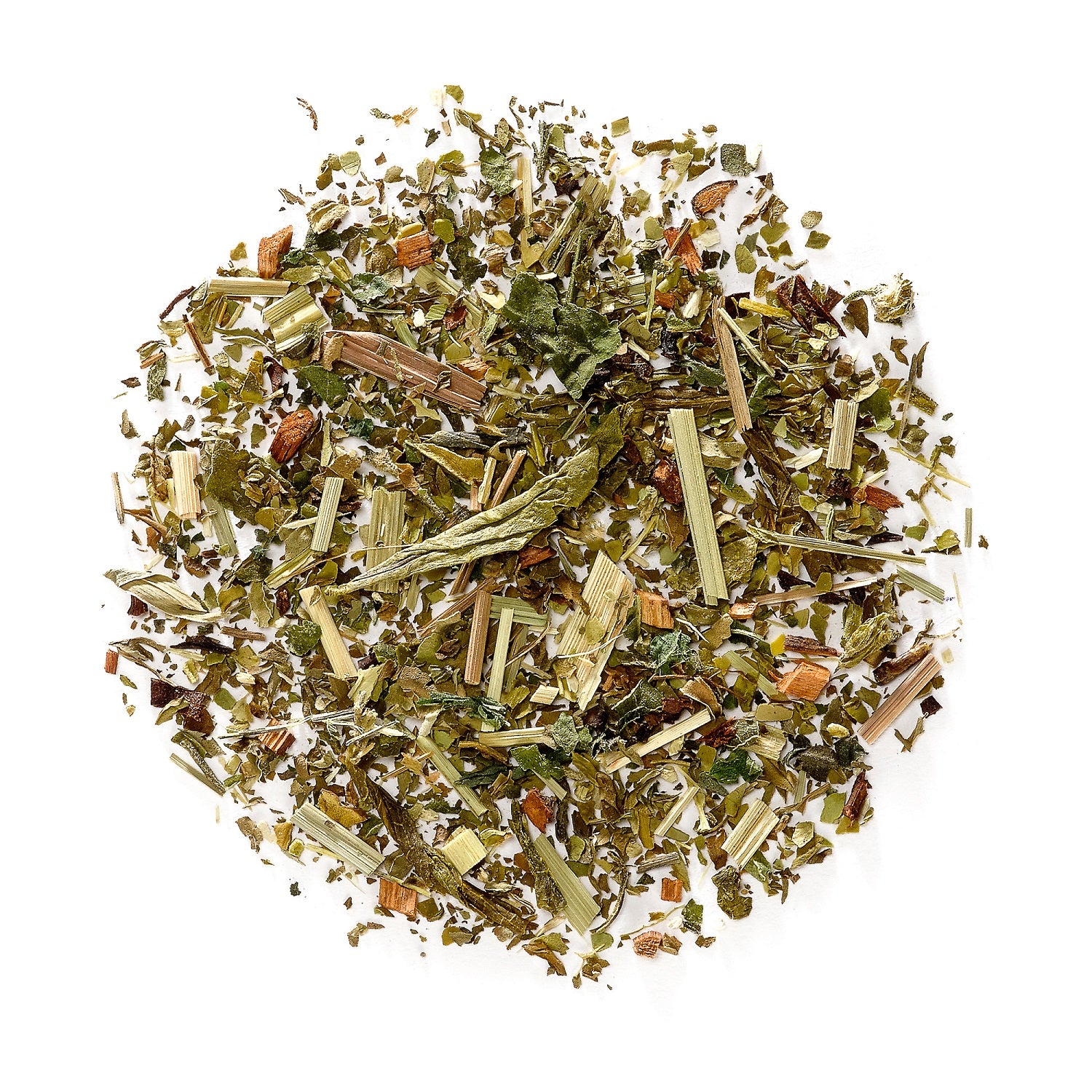
Each of the teas described above works well on its own, but combining them can create something greater than the sum of its parts. Blending lets you balance flavour, aroma, and the character of different herbs.
Here are two blend ideas to start with:
Warming Spice Blend: Combine equal parts dried ginger root, cinnamon chips, and chamomile flowers. Use about 1 tablespoon of the blend per cup. Steep in boiling water for 10 minutes, covered. The ginger and cinnamon give the blend a deep, spicy warmth on the palate, while the chamomile rounds out the flavour and adds its own soft, floral note. This blend is especially good in the evening. Our German chamomile works particularly well as the base for this blend.
Cooling Mint Blend: Combine two parts peppermint leaf with one part raspberry leaf and one part chamomile flowers. Use about 1 tablespoon per cup. Steep in boiling water for 7 to 10 minutes, covered. The peppermint provides a cooling, refreshing quality that contrasts with the mild earthiness of the raspberry leaf. This blend works well during the day when you want something lighter.

When building your own blends, start with a base tea that you enjoy drinking — peppermint and chamomile are the most versatile bases — and add smaller amounts of stronger or more assertive herbs like ginger, guelder rose bark, or cinnamon. Taste as you go. The best blend is one you will actually enjoy drinking.
When to See a Doctor
Tea is a drink, not a treatment. This distinction matters.
See a doctor if your cramps are severe enough to interfere with daily activities on a regular basis. See a doctor if the pain is new, sudden, or different from what you normally experience. See a doctor if cramps are accompanied by heavy bleeding, fever, or other symptoms that concern you. See a doctor if over-the-counter pain relief is not helping.
Menstrual cramps that go beyond normal discomfort can be a sign of conditions like endometriosis, fibroids, or adenomyosis — all of which require proper medical evaluation and treatment. Muscle cramps that occur frequently may signal electrolyte imbalances, circulation issues, or other underlying conditions.

Enjoy tea for its flavour. It does not replace medical care. If something feels wrong, trust that instinct and talk to a professional.
Final Thoughts
People have been drinking herbal infusions for thousands of years. The teas on this list — ginger, chamomile, peppermint, raspberry leaf, guelder rose bark, and cinnamon — represent some of the most enduring and widely used herbs across multiple traditions. None of them are medicines. All of them offer warmth, flavour, and a quiet moment in the day.
The best approach is a simple one. Find the teas that taste good to you. Brew them well. Drink them whenever you like. And if something feels wrong with your health, listen to that message and get proper care.
Related Articles
Leave a comment
Comments will be approved before showing up.
Also in Valley of Tea Blog | Tea Guides, Origins & Brewing Tips
The Complete Guide to Drinking Tea
What tea is, how the main types differ in the cup, and how to brew each one properly. Water temperature, steeping times, storage and how to get more than one cup from your leaves.
Read More
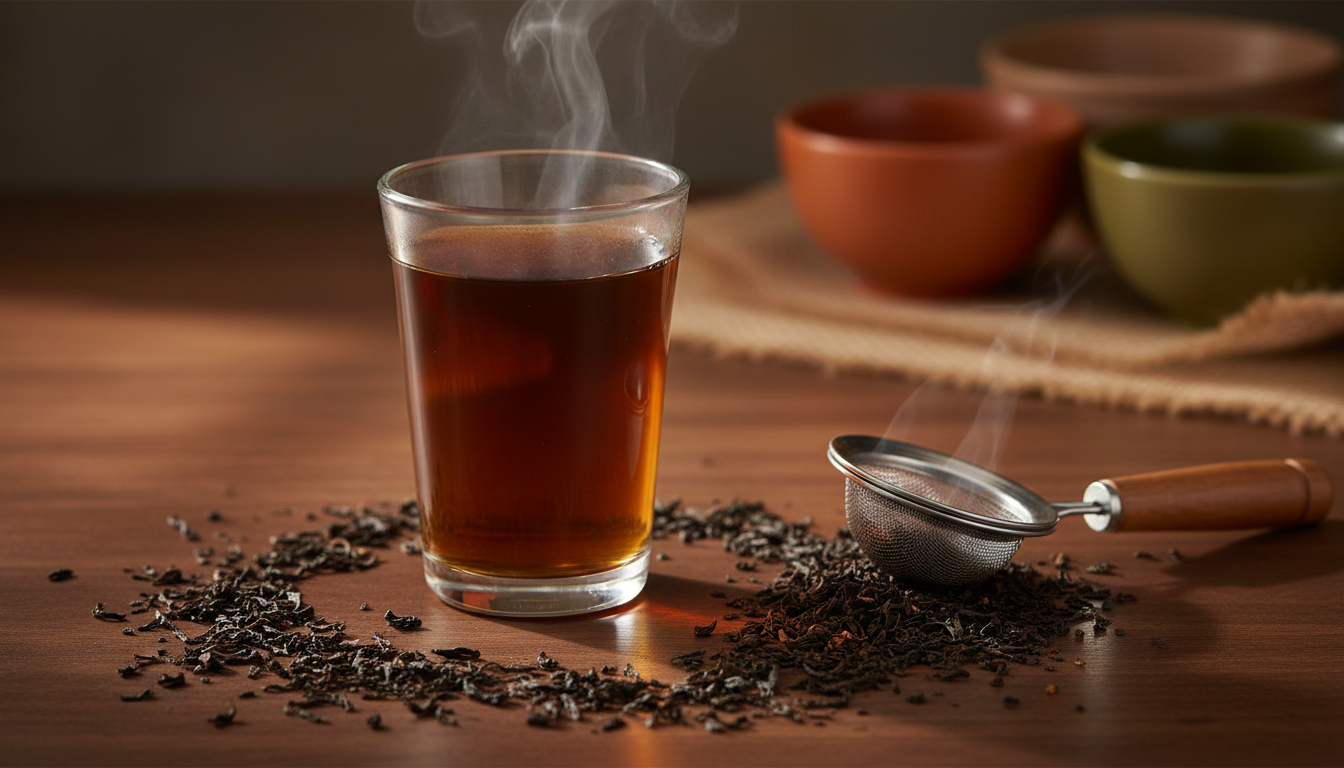

Black Tea: Types, Processing, and How to Brew It
Black tea is fully oxidized Camellia sinensis. Compare Assam, Darjeeling, Keemun, and Ceylon varieties. Learn processing, brewing, and caffeine levels.
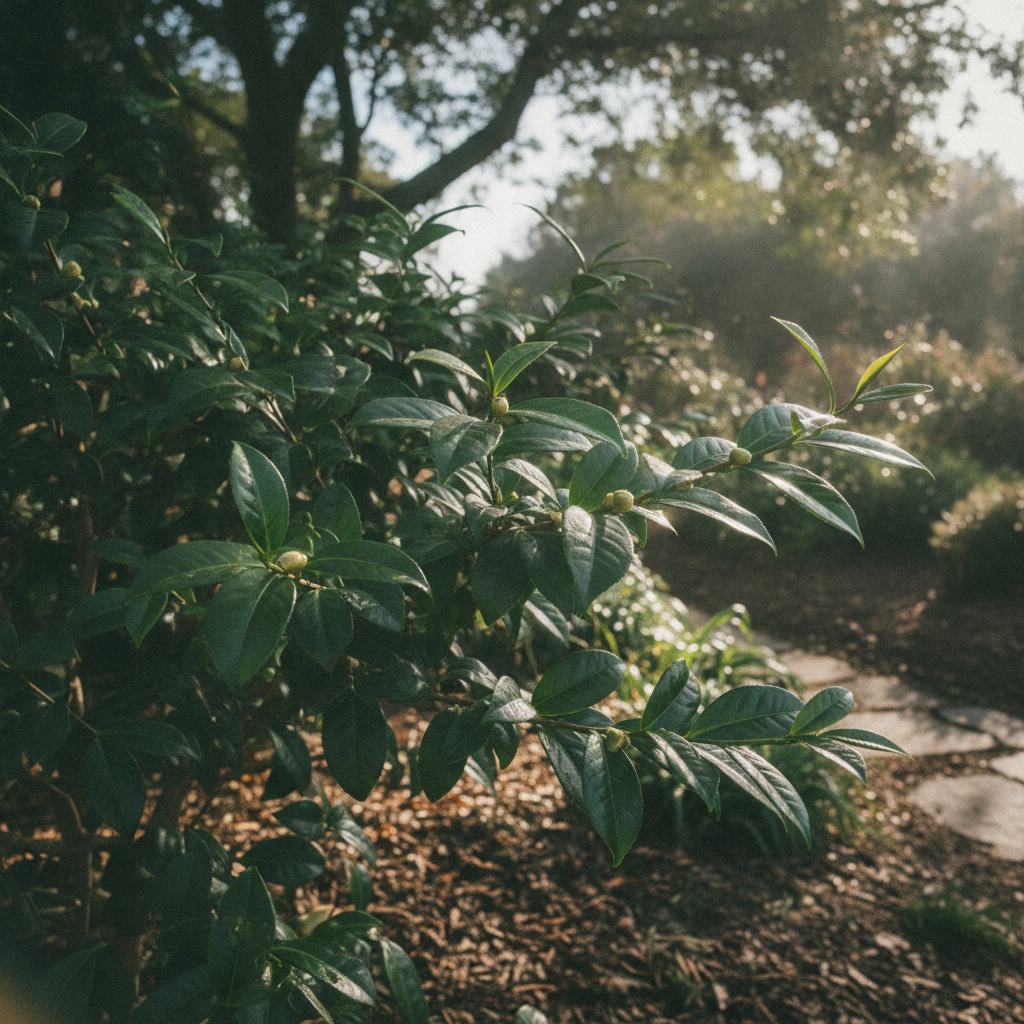

How To Grow Black Tea
Learn how to grow black tea at home: soil, climate, and the five processing steps from fresh leaf to a finished cup of black tea.

Wisdom is the path to better tea.
Get our free brewing guide: the right water, heat and timing for every tea we sell. You will also hear it first when new harvests arrive.
No spam. Unsubscribe any time.
Check your inbox.
The guide is on its way.