













Herbal Teas for the Evening: A Complete Guide
There is a reason so many people reach for tea at the end of a long day. Not coffee, not water, not juice — tea. Something about holding a warm cup, breathing in the steam, and taking the first slow sip makes for an experience that other drinks do not replicate.
Much of it is sensory: the aroma, the warmth, the flavour, and the small routine of preparing a cup, which tea drinkers have appreciated for centuries.

At Valley of Tea, we have been sourcing and tasting teas for over fifteen years. This guide draws on that experience. It covers the herbal teas most often drunk in the evening: what each one tastes like, how to brew each one properly, and how to build an evening routine around them. No health claims here — just origin, history, flavour, and what makes practical sense.
What Goes Into an Evening Cup
Three things shape an evening cup: the flavour and aroma of the tea itself, the warmth of the liquid, and the act of preparing and drinking it.
L-Theanine: An Amino Acid in True Tea
L-theanine is an amino acid found almost exclusively in the Camellia sinensis plant — true teas like green, black, white, and oolong. It contributes to the savoury, brothy taste often called umami. Tea drinkers often notice it most in Japanese green teas, where it rounds out the cup and softens any bitterness.
The L-theanine content varies by tea type. Shade-grown teas like matcha and Gyokuro contain the highest concentrations because shading increases amino acid production in the leaves. A standard cup of green tea contains roughly 20 to 30 milligrams of L-theanine. A bowl of matcha can contain significantly more, depending on grade and preparation.

Herbal teas — chamomile, lavender, lemon balm, and the others covered below — do not contain L-theanine because they are not made from the Camellia sinensis plant. Their character comes from different compounds entirely.
Warmth in the Cup
A warm drink is a different experience from a cold one. Heat lifts the aroma from the cup, so you smell the tea before you taste it. Many tea drinkers say the warmth itself is part of what they enjoy about tea, separate from any compounds in the cup. It is one reason most evening teas are served hot.
Taking Time to Brew
Brewing tea is not instant. You heat water, measure leaves or flowers, steep for a specific time, pour, and wait for it to cool enough to drink. This forced pause — even if it is only five minutes — interrupts whatever pace you were running at.
Many people use small, structured routines to mark the end of the working day. Tea preparation fits that pattern naturally.

The Best Herbal Teas for the Evening
Chamomile
Chamomile is one of the most widely consumed herbal teas in the world and the one most people think of first. It is made from the dried flowers of Matricaria chamomilla (German chamomile). Tea drinkers have drunk chamomile in the evening for centuries across virtually every European culture.
We source our German chamomile from Egypt and Croatia. The two origins are similar in character but not identical — the Croatian chamomile is a little sweeter, while the Egyptian is more earthy. Both have the apple-sweet, lightly floral base you expect, with a honey-hay finish. It is naturally caffeine-free.
How to brew: Use one to two tablespoons of whole dried flowers per cup (250 ml). Pour freshly boiled water (95 degrees Celsius) over the flowers and steep for five to seven minutes with a cover on the cup to trap the volatile oils. The longer steep brings out more depth — chamomile is forgiving and rarely turns bitter.
Lavender
Lavender tea is made from the dried buds of Lavandula angustifolia. The aromatic compounds — linalool and linalyl acetate — are what give lavender its distinctive scent, and they are also widely used in perfumery. Many tea drinkers find that the aroma alone fills the room before the first sip.

The taste is intensely floral and slightly perfumed. Lavender is a strong herb — a little goes a long way. Used in excess, it becomes soapy and overpowering.
How to brew: Use one to two teaspoons of dried lavender buds per cup. Pour water at around 95 degrees Celsius and steep for four to five minutes. Taste at four minutes — lavender intensifies quickly, and personal preference varies widely on how floral you want the cup. Many people prefer lavender blended with chamomile or lemon balm rather than on its own.
Lemon Balm
Lemon balm (Melissa officinalis) is a member of the mint family with a bright, citrus-forward scent that distinguishes it immediately from other evening herbs. It has been grown in Europe since at least the Middle Ages, when it appeared in monastery gardens alongside chamomile and valerian. Carmelite monks included it in their famous Carmelite water, a distilled herbal spirit that stayed in production for centuries.
Tea drinkers describe lemon balm as bright and refreshing — a lighter cup compared to the heavier, earthier herbs.

How to brew: Use one tablespoon of dried lemon balm leaves per cup, or a small handful of fresh leaves if you grow your own. Pour water at 95 degrees Celsius and steep for five to seven minutes. Lemon balm makes an excellent iced tea as well — cold-brew it overnight in the refrigerator for a clean, citrus-forward result.
Passionflower
Passionflower tea (Passiflora incarnata) is less well known than chamomile and comes from a climbing vine native to the Americas, particularly the southeastern United States. It was known to Indigenous peoples there long before it reached Europe, where it has been grown in gardens ever since.
The flavour is mild and slightly grassy, with a faint sweetness. It is one of the more neutral-tasting evening herbs, which makes it an easy addition to blends.
How to brew: Use one to two teaspoons of dried passionflower per cup. Pour boiling water and steep for eight to ten minutes — passionflower benefits from a longer extraction than most herbal teas. The resulting tea is light in colour and gentle in flavour.

Valerian Root
Valerian (Valeriana officinalis) is the strongest-tasting herb on this list and one with a long history in Europe. The ancient Greeks already knew the plant, and it has been grown across the continent ever since.
Here is the honest truth about valerian: it does not taste good. The flavour is earthy, musty, and somewhat funky — described charitably as "woody" and less charitably as reminiscent of old socks. The smell is even more challenging. Most experienced tea drinkers use valerian in blends rather than solo, paired with sweeter herbs that mask its flavour.
How to brew: Use one teaspoon of dried valerian root per cup. Pour boiling water and steep for ten to fifteen minutes. Valerian root is dense and woody — it needs time and full heat to extract properly. Adding honey, chamomile, or peppermint to the cup can improve drinkability significantly.
Rooibos
Rooibos (Aspalathus linearis) is not traditionally categorized alongside the herbs above — it is a caffeine-free South African tisane with its own distinct identity. But it deserves a place in this guide because many tea drinkers use it as their default evening tea. It has body, depth, and natural sweetness that satisfy in a way that lighter herbal teas sometimes do not.

Our green rooibos tastes warm and slightly sweet, with notes of vanilla, caramel, and a gentle nuttiness. It has enough structure to take milk if you want it, making it a viable substitute for black tea in the evening when caffeine is off the table.
How to brew: Use one to two teaspoons of rooibos per cup. Pour boiling water and steep for five to seven minutes. Rooibos is nearly impossible to overbrew — even at ten or fifteen minutes, it does not turn bitter. This makes it ideal for absent-minded evening steeping.
Building an Evening Tea Ritual
The teas above are at their best as part of an unhurried evening rather than something grabbed in passing. My own version of this is simple: I find my favourite spot — a comfortable armchair looking out over the garden — put on some music, and take time with the tea. For evenings I reach for something low caffeine. Kukicha is a favourite of mine, made mainly from stems, very little caffeine, sweet rich flavour with no bitterness.
Here is a practical framework to build your own.

Set a consistent time. Pick a point in the evening — after dinner, after screens go off, an hour before bed — and make that your tea time. Consistency matters more than the specific hour. The routine becomes a natural marker for the end of the day.
Slow the brewing down. Use loose leaf tea or whole dried flowers rather than tea bags. Measure the herbs. Watch the water heat. Pour slowly. This is not about being precious — it is about extending the pause. The five to ten minutes of active brewing are part of the experience, not just a prelude to it.
Reduce stimulation while you steep. Put the phone in another room. Turn off the television. The steeping time is a natural window for quiet — reading, sitting, watching nothing in particular. Filling it with more input defeats the purpose.
Drink without multitasking. Sit with the cup. Notice the aroma, the warmth, the flavour. This is the simplest way to enjoy it, because the sensory experience of tea is genuinely engaging if you let it be.

Evening Herbal Blends Worth Trying
Single-herb teas have their place, but blending allows you to balance flavour and combine the character of different herbs. A few combinations that work well:
Chamomile and lavender. The classic pairing. Chamomile provides the sweet, apple-forward base while lavender adds floral depth. Use a 3:1 ratio of chamomile to lavender to keep the lavender from dominating.
Lemon balm and passionflower. A lighter, more refreshing blend. The citrus brightness of lemon balm lifts the mild grassiness of passionflower. Equal parts work well here.
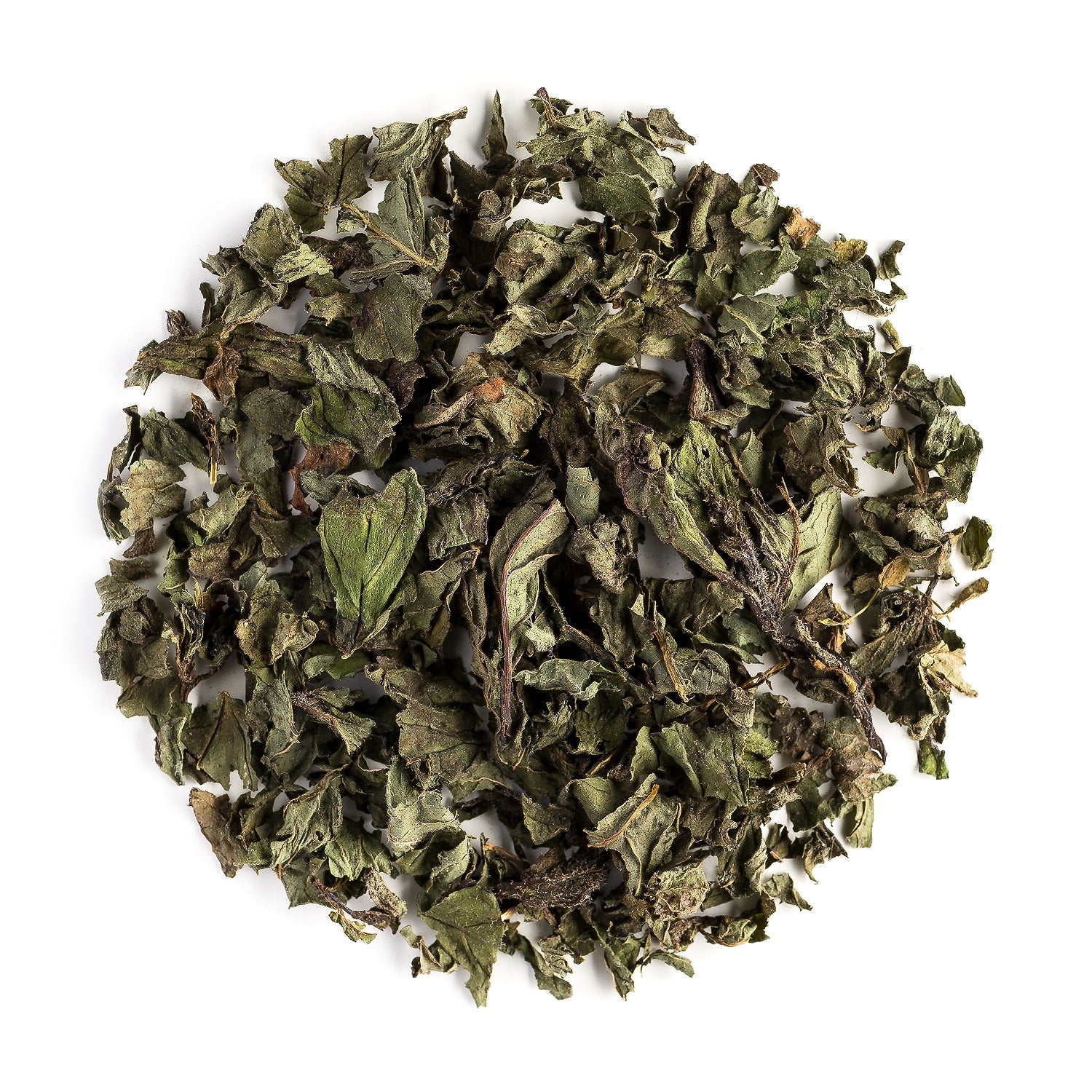
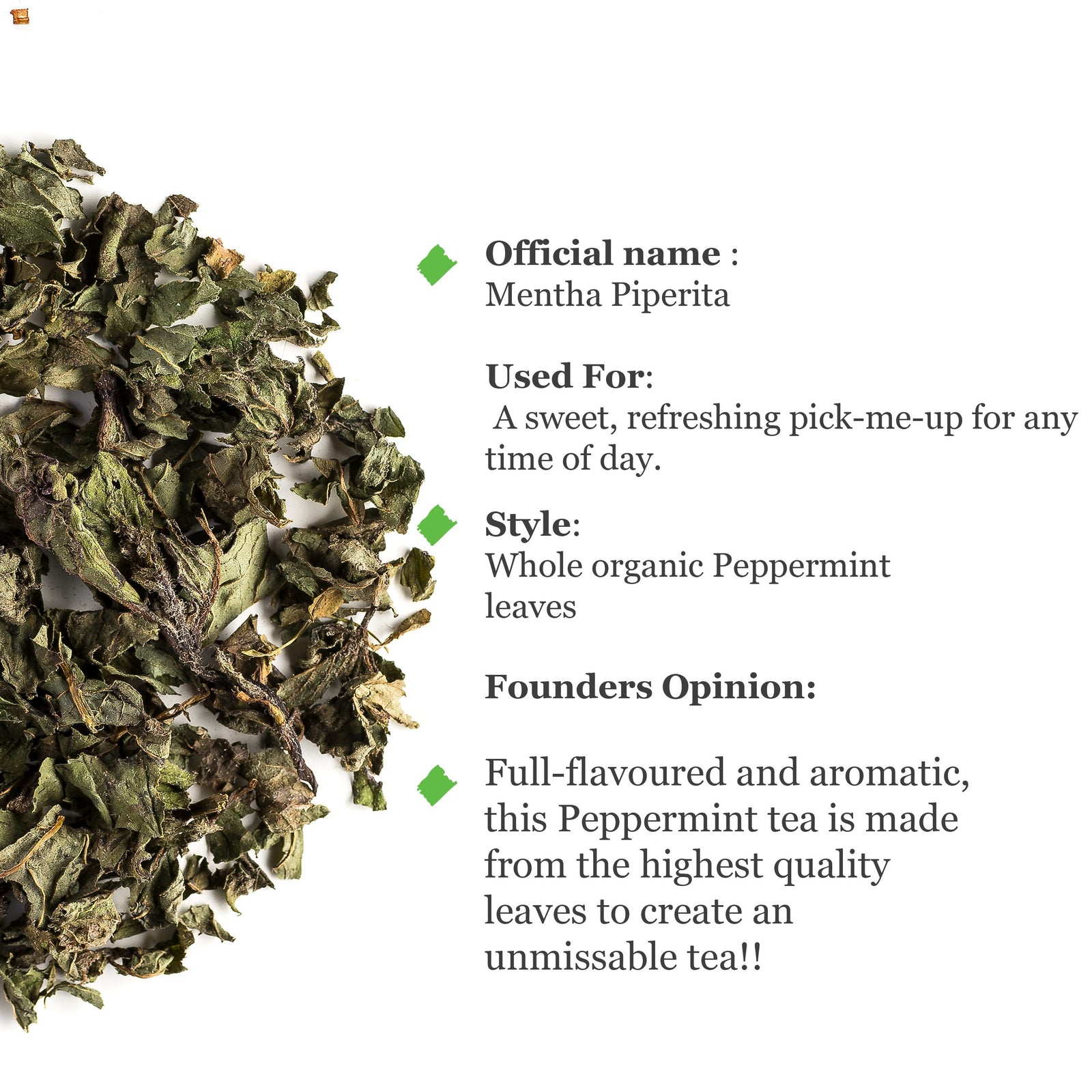
Chamomile, valerian, and peppermint. For evenings when you want a bolder cup. The peppermint and chamomile mask valerian's challenging flavour while the blend brings together three herbs with long histories of evening use. Use two parts chamomile, one part peppermint, and a half part valerian.

Rooibos and chamomile. Combines the body and sweetness of rooibos with the floral gentleness of chamomile. The result is fuller than either tea alone — satisfying enough to replace an after-dinner black tea.
What to Avoid Before Bed
If you are drinking tea late in the evening, what you leave out of the cup matters as much as what you put in.
Caffeine is the obvious one. True teas — green, black, white, oolong, pu-erh — all contain caffeine. The amount varies (a light white tea has less than a strong black tea), but none are caffeine-free. Sensitivity varies enormously between individuals.
Some people can drink green tea at 8 pm and sleep fine. Others feel the effects of caffeine consumed at 2 pm. Know your own threshold and respect it.
Matcha deserves special mention. It contains both caffeine and L-theanine, and many people enjoy it during the day. In the evening, though, the caffeine content — which is higher per serving than most other teas — makes it a poor choice for a bedtime drink for most people.
Yerba mate is not a bedtime tea. It contains caffeine (sometimes marketed as "matteine," which is the same molecule) and is traditionally drunk during the day. Its caffeine content is well documented, so treat it as a daytime drink.
Watch for hidden caffeine in blends. Some "evening" commercial blends include green tea or black tea leaves alongside herbal ingredients. Read the ingredient list. If Camellia sinensis appears in any form, the blend contains caffeine.
Finding Your Evening Tea
There is no single best evening tea — there is only the one you enjoy most. Start with chamomile if you have never explored this category; it is the most approachable and the most forgiving to brew. Branch out to lavender or lemon balm if you want more aromatic complexity. Try valerian blends if you want something earthier and more unusual. Use rooibos when you want body and sweetness without caffeine.
Across cultures and centuries, tea drinkers have treated the preparation as much a part of tea as the ingredients. A well-brewed cup of any of these herbs, drunk slowly and without distraction, is a pleasure in its own right. The warmth, the aroma, the pause — these are not secondary details. They are the point.
Related Articles
Leave a comment
Comments will be approved before showing up.
Also in Valley of Tea Blog | Tea Guides, Origins & Brewing Tips
The Complete Guide to Drinking Tea
What tea is, how the main types differ in the cup, and how to brew each one properly. Water temperature, steeping times, storage and how to get more than one cup from your leaves.
Read More
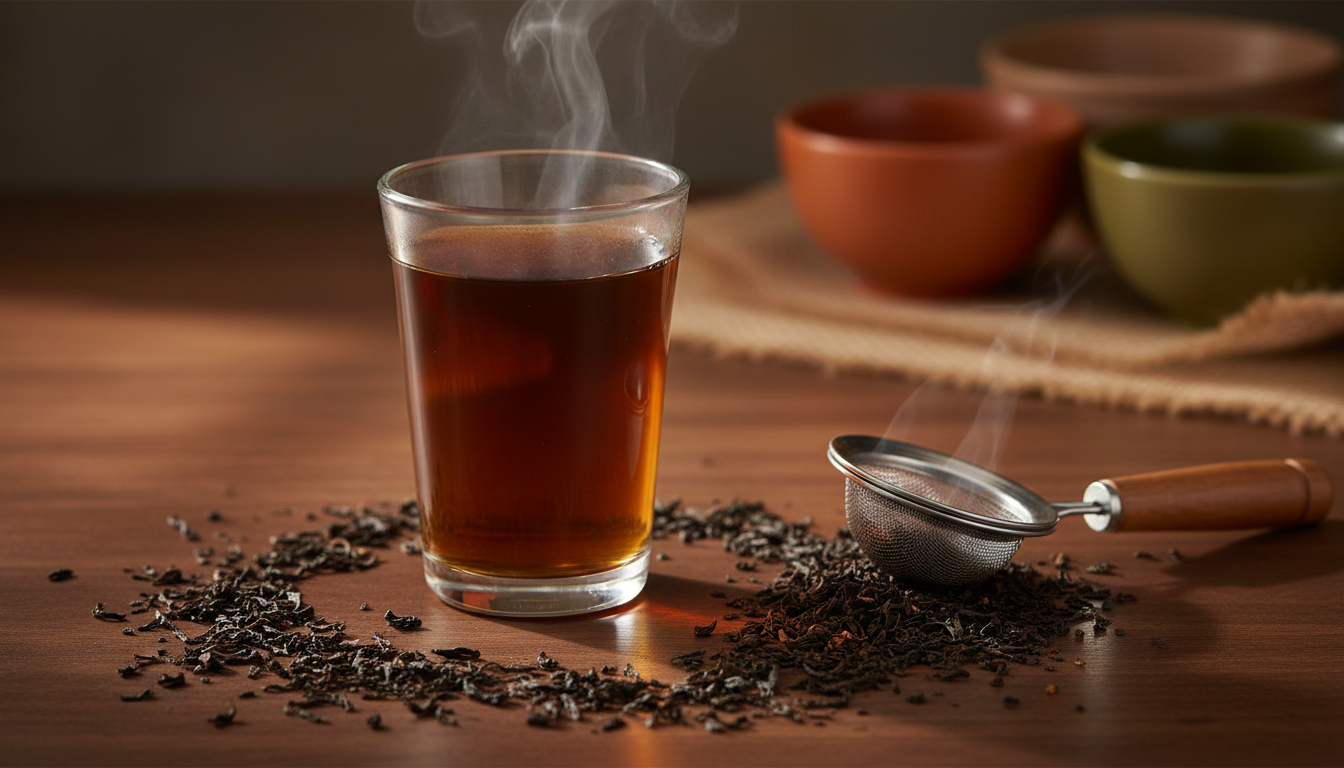

Black Tea: Types, Processing, and How to Brew It
Black tea is fully oxidized Camellia sinensis. Compare Assam, Darjeeling, Keemun, and Ceylon varieties. Learn processing, brewing, and caffeine levels.

How To Grow Black Tea
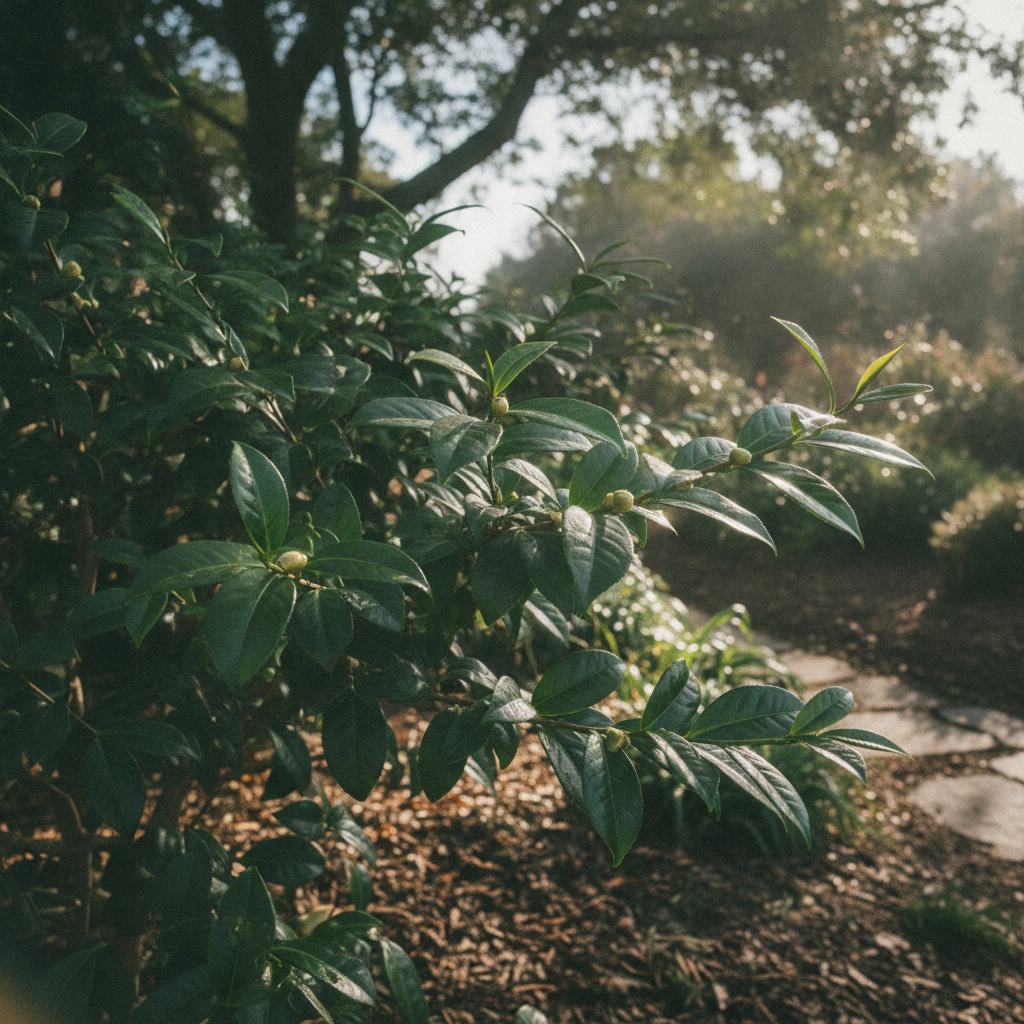
Learn how to grow black tea at home: soil, climate, and the five processing steps from fresh leaf to a finished cup of black tea.

Wisdom is the path to better tea.
Get our free brewing guide: the right water, heat and timing for every tea we sell. You will also hear it first when new harvests arrive.
No spam. Unsubscribe any time.
Check your inbox.
The guide is on its way.