













Matcha Tee: Japanese Powdered Green Tea
What Is Matcha Tee and Where Does It Come From?
Matcha tee is not ordinary green tea. When you brew most green teas, you steep the leaves and discard them. With matcha, you consume the entire leaf, ground into a fine powder and whisked into water. That single difference changes everything: the flavour, the colour, the texture, and how much of the leaf ends up in your cup.
This guide covers origin, quality recognition, preparation, and the caffeine and composition questions most commonly asked about matcha tee. I source directly from Uji, the region that has set the standard for matcha quality since the 12th century, so the specifics here come from real sourcing experience rather than secondhand summaries.
Origin and Production
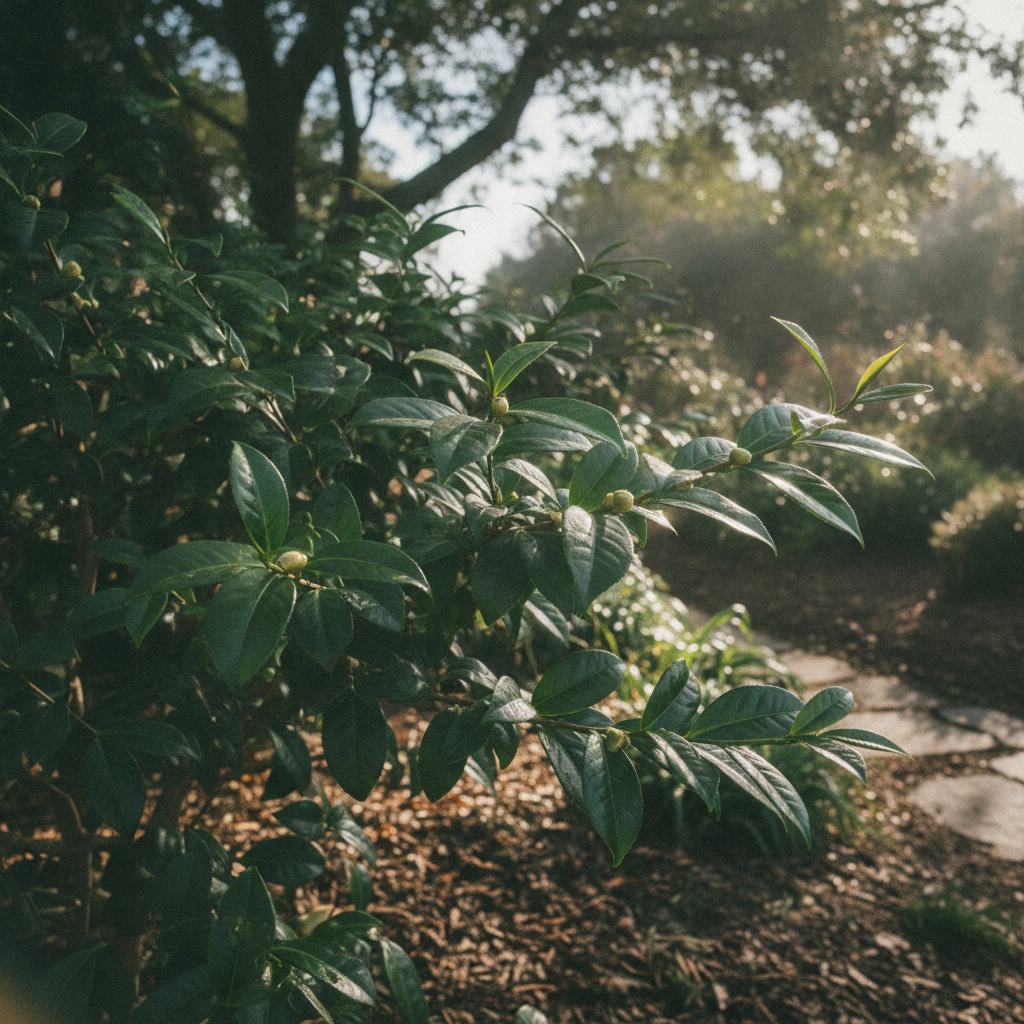
Matcha tee is produced from Camellia sinensis leaves that are shade-grown for 3-4 weeks before harvest. Farmers cover the plants with traditional rice straw and bamboo frames (kabuse) in Uji, or with synthetic shade nets as is common in Kagoshima, to cut direct sunlight significantly. The plant responds by producing more chlorophyll, which deepens the colour, and more L-Theanine, which shapes the flavour toward umami rather than bitterness.
After harvest, the leaves are steamed to halt oxidation, dried, and destemmed to produce a pure leaf material called tencha. That tencha is then stone-ground at low speed into the powder we know as matcha tee. The slow grinding process matters: granite millstones generate minimal heat, which preserves volatile aromatics and keeps the green colour vivid. Industrial grinding at high speed produces a noticeably flatter-tasting result. A single traditional stone mill produces around 30-40 grams of matcha per hour, which tells you something about why quality matcha costs what it does.

The two regions that define quality matcha are Uji (Kyoto Prefecture) and Nishio (Aichi Prefecture). Uji has cultivated matcha since the 12th century, when Zen monks brought the preparation technique from China. The climate, the traditional shading methods, and centuries of cultivar selection produce a matcha with distinctive sweetness and umami depth. Nishio accounts for the largest volume of Japanese matcha production and delivers reliable, consistent quality at more accessible price points. Kagoshima has expanded significantly in recent decades and now produces good matcha for everyday and culinary use.
We source our matcha from both Uji and Kagoshima. The Uji matcha, shaded using the traditional straw-and-bamboo kabuse method, has noticeably more sweetness and umami depth compared to the Kagoshima, which uses synthetic shade nets. Both are genuine Japanese matcha tee. The difference is in the register of flavour and in what you plan to use the matcha for.
Recognising Matcha Tee Quality: Ceremonial vs. Culinary Grade
The simplest way to judge matcha tee quality is colour. High-quality ceremonial grade matcha is a vivid, saturated emerald green. If it is olive-coloured, dull, or yellowish, the matcha is either poor quality, stale, or both.
Ceremonial grade matcha is ground to under 10 microns, has an umami-rich flavour with minimal bitterness, and is intended for drinking straight, whisked into water with nothing added. The fine particle size means it suspends fully and produces a smooth, slightly frothy cup. At this quality level you taste the sweetness and the grassy depth without any harsh astringency. This is the grade to use for traditional usucha preparation.
Culinary grade matcha is ground more coarsely, has a deeper and more pronounced bitter flavour profile, and is designed to hold up to heat and competing ingredients. It is what you want for matcha lattes, baking, and cooking. The stronger, earthier character holds its flavour where ceremonial grade would disappear under milk or sugar. For culinary use, buying ceremonial grade is both unnecessary and a waste of money.

"Ceremonial grade" is not a legally protected designation. Any producer can put it on any tin. These terms are marketing, not certification. When buying matcha tee, the reliable indicators are: country of origin (Japan), specific region if stated (Uji and Nishio are the benchmarks), colour when you open the tin, and price.
Genuine ceremonial grade matcha tee starts around 25 euros per 30g. Below that price for that quality label, the economics do not add up. You are likely looking at culinary grade, older stock, or Chinese-origin powder sold under a Japanese-sounding name.
How to Prepare Matcha Tee: Traditional and as a Latte
Water temperature is the single most important preparation variable. Use water above 80°C and the matcha tee will taste bitter and astringent. I use 70°C, consistently. Boiling water pulls out the harsh, astringent side of the catechins and flattens the amino acids that give matcha its characteristic umami character, leaving a bitter cup. A temperature-controlled kettle is worth the investment if you drink matcha regularly.
Traditional preparation (Usucha):
- Sift 1.5-2g of ceremonial grade matcha into a warmed bowl (chawan)
- Add 70ml of water at 70°C
- Whisk briskly in a W-motion for 20 seconds using a bamboo whisk (chasen)
- The surface should be frothy with fine bubbles: no large bubbles, no dry powder visible at the edges
Sifting is not optional. Matcha clumps easily and unsifted powder produces a lumpy, uneven cup regardless of how well you whisk. A small fine-mesh sieve takes 10 seconds and makes a meaningful difference to the final texture and mouthfeel.

Matcha latte:
- Whisk 2g of culinary grade matcha with 30ml of hot water at 70°C until fully dissolved with no visible lumps
- Heat and froth 170ml of oat milk separately
- Pour the frothed milk over the matcha base
I use our Kagoshima matcha for lattes specifically because the stronger, earthier flavour cuts through the milk. The Uji ceremonial grade is too delicate for the combination: the milk overwhelms it entirely. For lattes and cooking, culinary grade is both the better choice and significantly more cost-effective.
A common mistake is adding cold milk directly to the matcha powder and trying to mix them together. Matcha powder will not dissolve evenly in cold liquid. Always dissolve in a small amount of hot water first, then add the milk.
Matcha Tee Composition: Caffeine, L-Theanine and Catechins
Two compounds in matcha tee come up in almost every question we get: caffeine and L-Theanine. Here are the amounts in a typical serving.

A standard 2g serving of matcha provides 35-70mg of caffeine, less than a typical espresso (80-100mg), along with 35-45mg of L-Theanine. L-Theanine is an amino acid and one of the compounds behind the umami character of shade-grown matcha. The lower caffeine figure is one reason matcha is often chosen as a lighter-caffeine alternative to coffee.
I often drink matcha tee in the morning rather than coffee. It is a smaller caffeine serving than an espresso, and I prefer the taste at that time of day. That is personal preference rather than a recommendation, but it is consistent enough that I reach for matcha on most mornings.
EGCG (Epigallocatechin gallate) is the most abundant catechin in matcha. Because you consume the whole leaf as a suspension rather than discarding it after steeping, matcha contains more EGCG per cup than conventionally brewed green tea. EGCG is a major contributor to matcha's astringent edge.
To be precise about what this means practically: these figures describe what is in the cup, nothing more. Exact amounts vary with cultivar, shading and grade. What the numbers do show is that matcha puts more of the leaf's compounds into the cup than steeped green tea, because the whole leaf is consumed.
One practical note for those monitoring caffeine intake: because you consume the whole leaf, matcha contains more caffeine per gram of dry material than most steeped teas. One or two servings per day is a sensible limit if you are sensitive to caffeine or drinking it in the afternoon.

Buying and Storing Matcha Tee
When buying matcha tee, four criteria matter: origin, colour, packaging, and price.
- Origin: Japan. Preferably Uji or Nishio for ceremonial grade. If the origin is not stated on the packaging, ask. A supplier who can tell you which prefecture and which farm their matcha comes from takes traceability seriously. A vague answer, or no answer, is itself useful information.
- Colour: Bright, saturated green when you open the tin. Not olive, not yellow-green, not grey-green. Dull colour is the clearest visible sign of poor quality or oxidised stock.
- Packaging: Sealed, opaque bags or tins. Matcha oxidises quickly when exposed to light and air. Avoid anything sold in clear packaging or open-weigh format.
- Price: Ceremonial grade matcha tee from a credible source starts around 25 euros per 30g. Significantly cheaper matcha at that quality label is usually culinary grade, older stock, or Chinese-origin powder repackaged with a Japanese-sounding name.
Keep matcha tee in an airtight container, away from light, between 4-10°C. Once opened, use within 4-6 weeks. Matcha absorbs odours readily: keep it away from coffee or strongly scented foods on the same refrigerator shelf. If your matcha has turned olive-coloured or tastes flat and persistently bitter rather than sweet and grassy, it is past its best regardless of the date on the packaging.
We ship our matcha in sealed foil bags that protect it from light and air during transit. Once open, transfer it to a small ceramic container with a tight-fitting lid and keep it in the refrigerator.
Conclusion
The core difference in matcha tee comes down to one fact: you consume the whole leaf. That means the quality of the raw material matters more than it does with any steeped tea, and poor quality shows immediately: dull colour, flat flavour, persistent bitterness. Good matcha tee from Uji, prepared at 70°C with a proper bamboo whisk, is a genuinely different experience from the supermarket tins most people encounter first.
If you are new to matcha tee, start with a ceremonial grade from a supplier who can tell you exactly where it comes from and how the plants were shaded. The detail in that answer tells you a lot about the care in the sourcing. We source our Uji matcha directly, with full traceability from farm to sealed bag, which is the standard we would recommend looking for from any supplier you buy from.

Related Articles
Leave a comment
Comments will be approved before showing up.
Also in Valley of Tea Blog | Tea Guides, Origins & Brewing Tips
The Complete Guide to Drinking Tea
What tea is, how the main types differ in the cup, and how to brew each one properly. Water temperature, steeping times, storage and how to get more than one cup from your leaves.
Read More
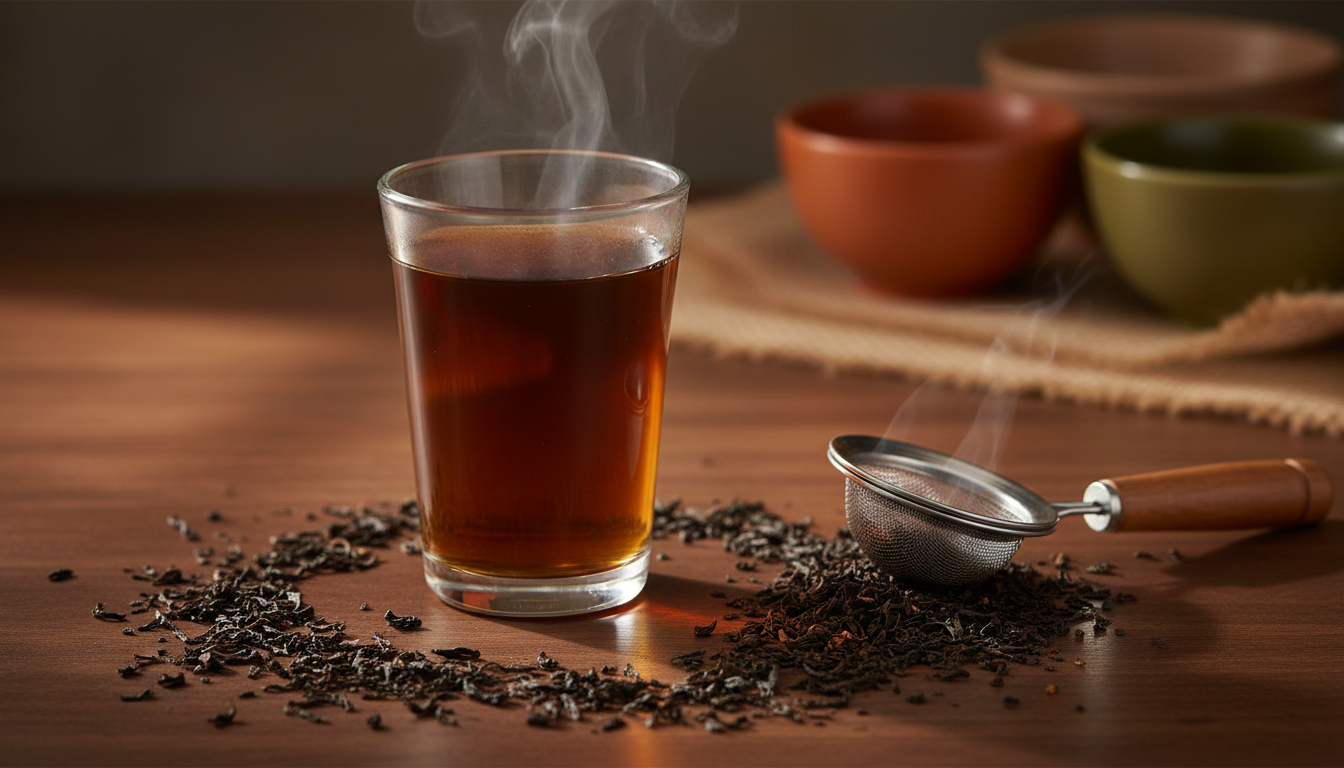

Black Tea: Types, Processing, and How to Brew It
Black tea is fully oxidized Camellia sinensis. Compare Assam, Darjeeling, Keemun, and Ceylon varieties. Learn processing, brewing, and caffeine levels.

How To Grow Black Tea
Learn how to grow black tea at home: soil, climate, and the five processing steps from fresh leaf to a finished cup of black tea.

Wisdom is the path to better tea.
Get our free brewing guide: the right water, heat and timing for every tea we sell. You will also hear it first when new harvests arrive.
No spam. Unsubscribe any time.
Check your inbox.
The guide is on its way.