













Macha Tea: Traditional Preparation Method
Macha tea is the same tea as matcha. "Macha" is an alternate romanisation that reflects how the word sounds in many non-Japanese languages. Both terms refer to Japan's powdered shade-grown green tea, consumed in formal ceremony since the 12th century. If you searched for "macha," you will find exactly what you are looking for here.
What separates macha tea from every other preparation style is that you consume the entire leaf. Loose-leaf and bagged teas are steeped and discarded. With macha, the stone-ground powder dissolves into water and you drink it whole. That distinction drives everything: the specific cultivar selection, the weeks of shading before harvest, the slow stone grinding, and the precise preparation technique that has remained essentially unchanged for 450 years.
Where Macha Tea Comes From: 800 Years of Japanese Cultivation
Macha tea has a precise historical entry point into Japan. In 1191, Zen Buddhist monk Eisai returned from China carrying tea seeds and the powdered preparation method from Song Dynasty China. He promoted tea drinking within Zen monasteries, where monks drank it during long meditation sessions, and he planted seeds in Kyushu and near Uji, south of Kyoto.
Uji became Japan's premier macha region from the 15th century onward. Elevation, persistent morning mist from the Uji River, and well-drained sandy soil create conditions that stress the plant just enough to concentrate flavour compounds without producing harshness. These geographic advantages, not marketing, are why Uji macha has commanded a price premium for six centuries.

The chanoyu, or tea ceremony, was codified by tea master Sen no Rikyu in the 16th century. Rikyu stripped the ceremony of elaborate settings and expensive equipment, insisting on simplicity, presence, and precision of technique. The preparation method he established, sifted powder, water at a controlled temperature, bamboo whisk, W-motion, has not fundamentally changed since. When you prepare macha today using the traditional method, you are replicating a technique roughly 450 years old.
I source macha from two Japanese regions: Uji, where farms use traditional straw or kabuse shade structures, and Kagoshima in the south, where growers use synthetic shade nets. The two regions produce genuinely different flavour profiles, which is worth knowing before you choose a macha for a specific purpose.
How Macha Tea Is Produced: From Shade to Powder
Macha production starts three to four weeks before the first-flush harvest. Farms erect shade structures over the growing plants, blocking roughly 90% of incoming sunlight. Traditional Uji farms use straw reed screens; most Kagoshima operations use black synthetic shade cloth. The timing and duration of shading is one of the most closely managed variables in premium macha production.
The shading limits photosynthesis, which slows the conversion of L-theanine into catechins. L-theanine is an amino acid responsible for the umami character of high-quality macha. When plants receive full sunlight, much of that L-theanine converts to bitter catechins. Shading keeps the amino acid intact, producing a tea that is naturally savoury rather than sharp and astringent.

After harvest, shaded leaves are steamed to halt oxidation and dried. The dried leaf at this stage is called tencha. Before grinding, the stems and veins are removed, leaving only the soft leaf blade. This step matters because stems and veins would make the final powder gritty and uneven.
Tencha is then ground on granite millstones at 30-40 RPM, with the stone temperature kept below 40°C. Heat above that threshold degrades chlorophyll and dulls the vivid green colour. At this speed, each stone produces only 30-40g of finished powder per hour. Macha that has been ball-milled or hammer-milled at higher speeds feels coarser and lacks the silky texture that indicates correct grinding.
Traditional Macha Tea Preparation: The Proper Method
Traditional macha tea preparation follows a fixed sequence. Each step produces a specific result. Skipping or approximating any of them produces a noticeably worse outcome in the bowl.
Sifting. Measure 1.5-2g of macha powder into a fine mesh strainer set over your bowl, and press it through with a small spoon. Macha clumps on contact with air humidity. Those clumps will not dissolve when you add water; they will sit in the bowl as gritty lumps regardless of how well you whisk. Sifting takes 20 seconds and is not optional.
Water temperature. Heat water to 70-80°C. I use 70°C for ceremonial Uji macha. Boiling water at 100°C destroys chlorophyll, which turns the tea brown, and releases harsh tannins that produce a flat, bitter result. If you do not have a temperature-controlled kettle, boil the water and let it stand for five to six minutes, or pour it through the bowl first to pre-warm before tipping into a jug. Each transfer drops the temperature by roughly 10-15°C.

Whisking technique. Pour approximately 70ml of temperature-controlled water over the sifted powder. Hold the chasen (bamboo whisk) lightly between your fingers and move it in a W-motion or M-motion: back and forth rapidly across the full width of the bowl, not in circles. Continue for 20-30 seconds. The W-motion creates surface agitation that emulsifies the powder fully into the water. Circular stirring moves the liquid without breaking the surface tension properly and tends to produce large, uneven bubbles.
The foam. A properly prepared bowl of macha should have a fine, even foam covering the entire surface when whisking is complete. This foam indicates that the powder has been fully emulsified and the texture throughout the bowl will be smooth. If you see dry powder at the edges or large bubbles rather than fine foam, the water temperature was wrong, the powder was not sifted, or the whisking motion was too slow.
For daily use, an 80-prong chasen performs well and holds up over time. The 120-prong version produces finer, more even foam and is worth the investment if you prepare matcha regularly and care about consistency.
Modern Macha Tea Uses and Adaptations
Traditional preparation produces usucha, or thin tea, which is what most people mean when they describe a bowl of macha. Beyond the traditional ceremony, macha has adapted into a range of modern preparations that follow the same core logic: get the powder fully emulsified before adding anything else.

Macha latte. The most widely consumed modern macha preparation. Use culinary-grade macha: whisk 1.5-2g with 30ml of hot water first until the powder is fully dissolved, then add 170ml of steamed milk of your choice. Whisking in water before adding milk prevents clumping that occurs when powder contacts cold or warm liquid directly. I use Kagoshima macha for lattes because the slightly bolder, more robust profile holds up against milk. Uji macha's more delicate character tends to get lost once milk is added.
Cold macha. Whisk 3-4g with 40ml of warm water, not cold, because the powder will not dissolve properly in cold water. Once the powder is fully emulsified, pour over a glass filled with ice. The dilution from the ice brings the concentration back to a drinkable level. This preparation has become increasingly popular as a lower-caffeine alternative to iced coffee.
Cooking with macha. Culinary-grade macha works in soba noodles, shortbread, cookies, and savoury sauces. The flavour is bitter and umami-forward, which means it functions in both sweet and savoury contexts. For baking, 1-2 teaspoons per standard recipe is a reasonable starting point. Reserve ceremonial-grade macha for drinking: the cost difference is not justified in cooked applications where heat degrades the delicate flavour compounds.
Choosing Quality Macha Tea: What We Look For
Colour is the fastest quality indicator. Good macha is vibrant emerald to neon green, a colour that looks almost artificially bright. That brightness is natural and comes from the chlorophyll preserved by shading and low-temperature grinding. Dull, yellowish, or khaki macha has been exposed to heat, excessive light, or air at some point in grinding or storage, and the flavour will confirm it: flat, without the natural umami depth that characterises proper shade-grown macha.

Particle size is the second check. Genuine stone-ground macha should feel like fine talc when rubbed between your fingers: silky, with no detectable grittiness. Coarse or sandy texture means the grinding was done on equipment running too fast or at too high a temperature.
We source our macha directly from Uji farms, working with the same growers across harvest seasons.
When evaluating a new macha source, I ask a specific question about their shading practice: what structure they use, how many weeks the shade period runs, and when in the season it starts. A supplier who answers that in detail has paid attention to the whole process. A vague answer about "traditional Japanese methods" tells me nothing useful.
Conclusion
Macha tea is shaped by its preparation at every stage: from the shading that starts three to four weeks before harvest, through slow stone grinding, to the 70°C water and W-motion whisk in your bowl at home. The traditional method is not ceremony for its own sake. Each step produces a specific result in flavour and texture that a shortcut cannot replicate.
Start with the traditional preparation. Sift the powder, keep the water below 80°C, use a chasen, and watch the foam form. Once you know what a properly prepared bowl of macha tea tastes like, every modern adaptation, lattes, cold preparations, cooking, makes more sense. Our Uji-sourced macha is where we start, and it is the one we recommend for anyone learning the preparation for the first time.

Leave a comment
Comments will be approved before showing up.
Also in Valley of Tea Blog | Tea Guides, Origins & Brewing Tips
The Complete Guide to Drinking Tea
What tea is, how the main types differ in the cup, and how to brew each one properly. Water temperature, steeping times, storage and how to get more than one cup from your leaves.
Read More
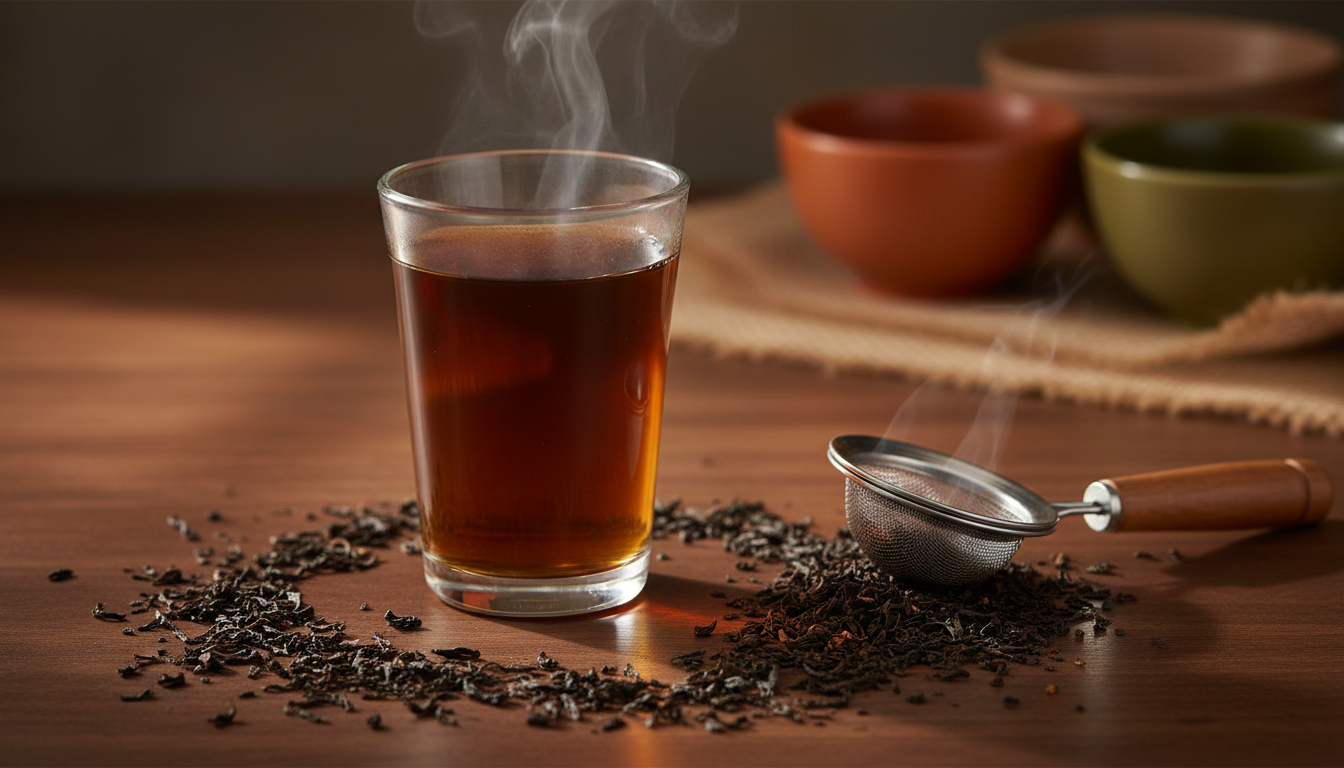

Black Tea: Types, Processing, and How to Brew It
Black tea is fully oxidized Camellia sinensis. Compare Assam, Darjeeling, Keemun, and Ceylon varieties. Learn processing, brewing, and caffeine levels.
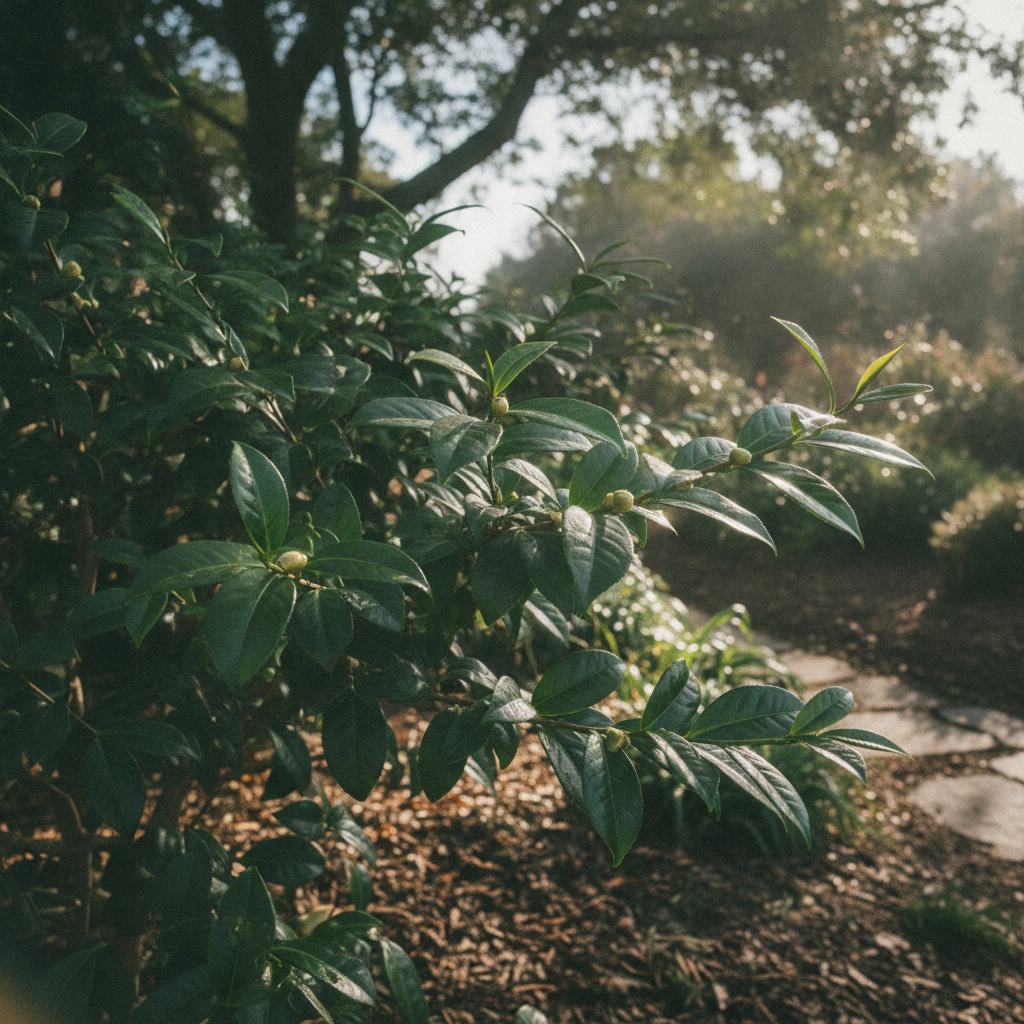

How To Grow Black Tea
Learn how to grow black tea at home: soil, climate, and the five processing steps from fresh leaf to a finished cup of black tea.

Wisdom is the path to better tea.
Get our free brewing guide: the right water, heat and timing for every tea we sell. You will also hear it first when new harvests arrive.
No spam. Unsubscribe any time.
Check your inbox.
The guide is on its way.