













Chamomile Tea in the Evening: Taste and Brewing
Drinking chamomile tea in the evening is one of the oldest bedtime habits still around. People have been doing it for centuries, and the cup has plenty going for it — a soft, honeyed flavor and an aroma that suits the end of the day.

It is a caffeine-free herbal infusion with a long history, nothing more and nothing less. This post covers its flavor, how to get the timing and preparation right, and how chamomile compares with other evening herbal teas.

What Is in Chamomile

Chamomile contains a flavonoid called apigenin. Alongside it, the flower holds essential-oil components such as bisabolol and chamazulene, the latter giving chamomile oil its deep blue tint. Those oils are also part of what gives the dried flowers their sweet, slightly apple-like aroma.
Chamomile has been infused and drunk across Europe for centuries and remains one of the most popular herbal infusions today. Most of what reaches the shelf is German chamomile, sold as whole dried flower heads or finely cut for tea bags.
Chamomile is a food, not a medicine. What it offers is a warm, caffeine-free cup that fits the quieter end of the day.
Best Time to Drink Chamomile Tea Before Bed

Drink your chamomile 30 to 45 minutes before bed. That leaves time for the cup to cool to a comfortable drinking temperature and for you to finish it without rushing.
Boil your water, then let it cool to about 95°C. Use one tablespoon of loose leaf chamomile per cup. Steep for 5 to 7 minutes. That is longer than most teas, but chamomile needs the extra time to fully release its flavor and aroma.
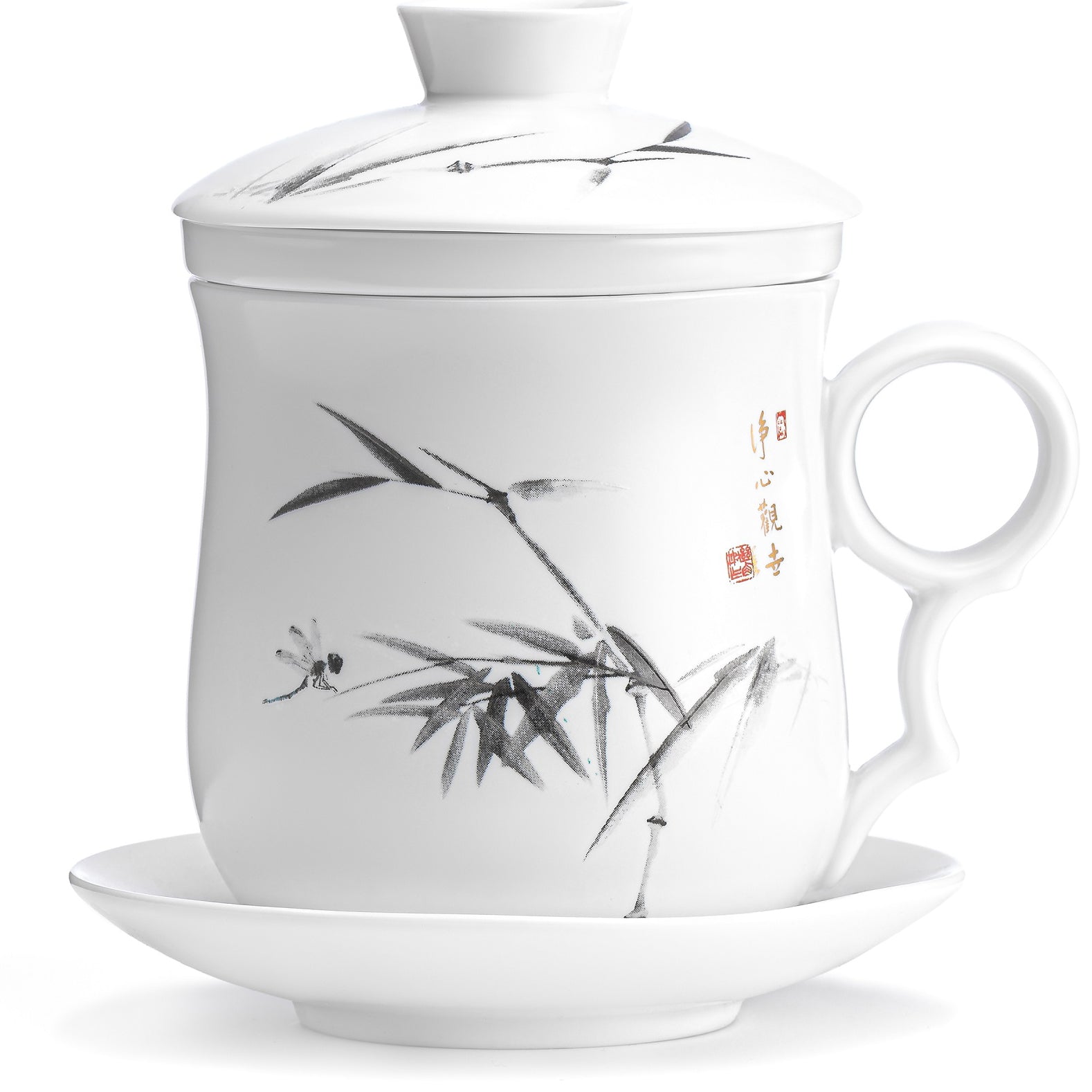
Cover your cup while it steeps. Without a lid, the essential oils escape with the steam, and those oils carry much of the aroma and flavor.

What Chamomile Tea Tastes Like

A well-brewed cup is golden yellow, with a soft, honeyed sweetness and a hint of apple. Left far beyond the recommended steeping time, it can turn slightly bitter and hay-like.
Compared with passionflower, which tastes mild and grassy, chamomile has the rounder, more floral profile. It pairs well with honey, a strip of lemon peel or a pinch of dried lavender. Many people drink it plain, though, because the flower carries enough natural sweetness on its own.
Chamomile is an infusion to enjoy for its flavor, nothing more.
Chamomile vs Other Evening Herbal Teas

Chamomile is not the only herbal tea people reach for in the evening, and it holds its own against the alternatives on flavor.
Valerian root has a much stronger earthy, bitter taste that puts many people off. Chamomile offers a milder, more approachable flavor.
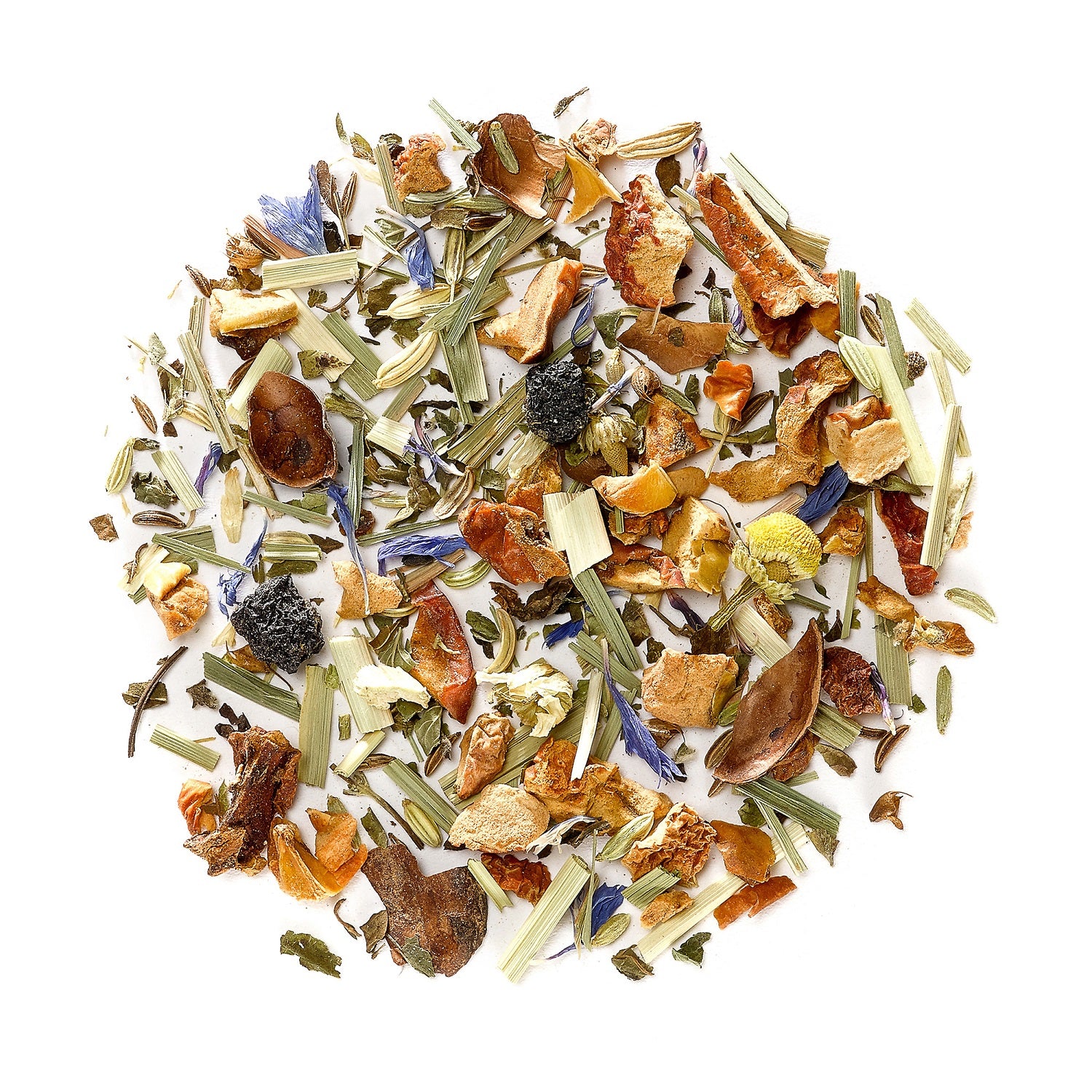
Lavender is prized mostly for its scent and tastes strongly floral in the cup, so a little goes a long way. Many evening blends combine chamomile with valerian, passionflower, or lavender for a rounder flavor. Our chamomile evening blend is one such blend.

German, Roman, or Greek: Which Chamomile?

Not all chamomile is the same. The three main varieties each bring something different to your cup.
German chamomile (Matricaria chamomilla) is the most widely available and the one most often used in tea. It has a mild, slightly apple-like flavor. Our Camomile is this variety, available in 100g, 200g, and 300g for regular evening use.
Roman chamomile (Chamaemelum nobile) is more often grown for its essential oil and as a garden plant — it is more bitter and less typical in tea blends. Greek chamomile, grown in the mountains of Greece, is prized for its intense aroma and noticeably smaller flower heads.
All three contain apigenin. But if you want the classic sweet, apple-like cup, German chamomile is the one to choose.

Making Chamomile Tea Part of Your Evening Routine

Chamomile is easiest to enjoy as a regular evening cup rather than an occasional one. Pick a time each evening and stick with it.
While the water heats, dim the lights and put your phone in another room. The few minutes spent making tea are a simple way to mark the end of the day. Loose leaf chamomile is worth the small extra effort — it releases more oils and flavor than a tea bag. You can add honey if you like, but the flower is naturally sweet enough on its own.
For evenings when you want something a little different, our organic herbal blend is another option.
Chamomile tea in the evening is about as simple as a cup gets: dried flowers, hot water and a few minutes. It has been drunk this way for centuries, across many cultures.
It is a caffeine-free infusion, not a medicine. But as part of a calm evening routine, it is a cup worth making.
Brew a cup about thirty minutes before you plan to turn in, keep the lights low, and take your time over it. You may find it becomes a habit worth keeping.
Related Articles
Leave a comment
Comments will be approved before showing up.
Also in Valley of Tea Blog | Tea Guides, Origins & Brewing Tips
The Complete Guide to Drinking Tea
What tea is, how the main types differ in the cup, and how to brew each one properly. Water temperature, steeping times, storage and how to get more than one cup from your leaves.
Read More

Black Tea: Types, Processing, and How to Brew It
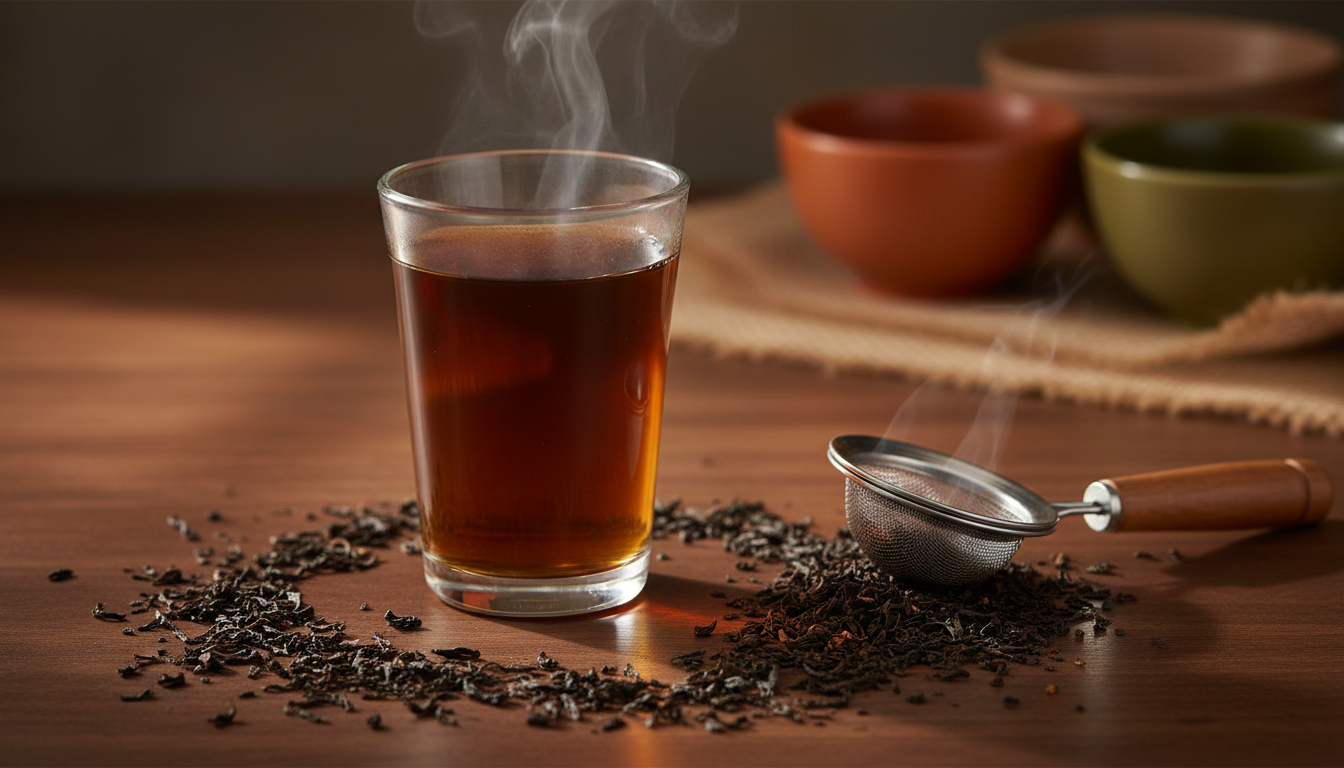
Black tea is fully oxidized Camellia sinensis. Compare Assam, Darjeeling, Keemun, and Ceylon varieties. Learn processing, brewing, and caffeine levels.
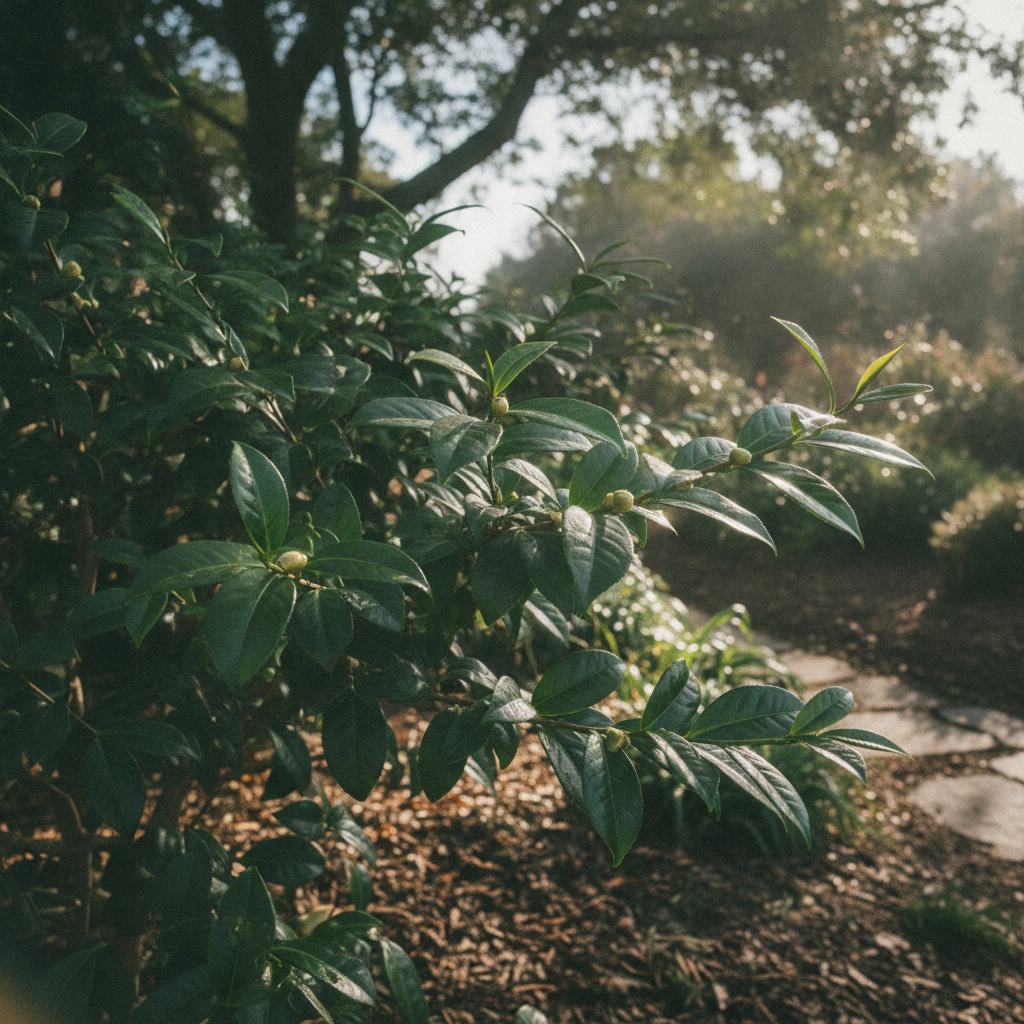

How To Grow Black Tea
Learn how to grow black tea at home: soil, climate, and the five processing steps from fresh leaf to a finished cup of black tea.

Wisdom is the path to better tea.
Get our free brewing guide: the right water, heat and timing for every tea we sell. You will also hear it first when new harvests arrive.
No spam. Unsubscribe any time.
Check your inbox.
The guide is on its way.