













Tea Polyphenols: Catechins, Flavonoids and What Is in Your Cup
Every cup of tea has its own chemistry. The leaf holds polyphenols such as catechins and flavonoids, aroma oils, and, in true tea, caffeine. Herbal infusions such as turmeric, ginger, chamomile, and rooibos bring compounds of their own.
Which of them end up in your cup depends on the plant, how it was processed, and how you brew it.

At Valley of Tea, we have been sourcing and tasting teas for over fifteen years. One thing we notice across our customer base: whether people come to tea for the taste, the aroma, or the habit of brewing, they stick with it. The teas in this guide are everyday drinks, and they are easiest to get to know over many cups. This guide draws on that experience.
Tea is a daily drink with a long track record in traditional food cultures worldwide, and the plants behind it have drawn steady attention from researchers.
This guide covers green tea, turmeric, ginger, chamomile, and rooibos: what compounds they contain, how to brew them, and what the current research actually says.
What Polyphenols Are
Polyphenols are a large family of plant compounds. Catechins, the main group in green tea, belong to the flavan-3-ols, and EGCG is the most abundant of them. Flavonoids such as apigenin, quercetin, and luteolin turn up across many plants, including chamomile and rooibos.
Processing changes these compounds. In black and oolong tea, oxidation turns part of the catechins into theaflavins and thearubigins, which give those teas their darker color and fuller body. Green tea is heated early to stop oxidation, which keeps its catechins largely intact.

Polyphenols also shape taste. Catechins bring much of green tea's astringency and bitterness, which is why brewing temperature and time matter so much.
Tea comes into this guide as a source of polyphenols and other compounds that researchers study. It is a beverage with interesting chemistry.
Five Teas and Their Key Compounds
Green Tea and EGCG
Green tea is the most studied tea in nutrition research. The compound responsible for most of the attention is epigallocatechin gallate, or EGCG, a catechin that belongs to the polyphenol family. Green tea contains between 50 and 100 milligrams of EGCG per cup, depending on the cultivar, growing conditions, and brewing method.
EGCG carries much of green tea's astringency, and a large share of the laboratory research on tea focuses on it, mostly in cell cultures. What that laboratory work means for a cup of green tea is a separate question — one addressed in the research section below.
Japanese green teas like Sencha, Gyokuro, and particularly Matcha tend to have the highest EGCG concentrations. Matcha, because you consume the entire ground leaf rather than an infusion, delivers substantially more catechins per serving than steeped teas. Chinese green teas like Longjing (Dragon Well) and Bi Luo Chun are also excellent sources, though typically with slightly lower catechin levels than their Japanese counterparts.

Turmeric Tea and Curcumin
Turmeric (Curcuma longa) has been used in South Asian and Southeast Asian food traditions for thousands of years. Its best-known compound, curcumin, gives turmeric its deep yellow color and is one of the most researched natural compounds. Curcumin is fat-soluble and dissolves poorly in water, which shapes how turmeric is traditionally prepared.
The practical challenge with curcumin is solubility. In plain hot water, much of it stays as fine sediment at the bottom of the cup rather than dissolving into the infusion. Traditional turmeric preparations almost universally include black pepper — piperine, the pungent compound in black pepper, adds a sharp edge to turmeric's earthy flavor. Fat dissolves curcumin far better than water, which explains why golden milk recipes call for coconut oil or whole milk.
Turmeric tea is technically a tisane, not a true tea. It is made from the dried or fresh rhizome of the turmeric plant, not from Camellia sinensis. But it is universally called turmeric tea, and the distinction matters only in botanical contexts.
Ginger Tea and Gingerols
Ginger (Zingiber officinale) is a close botanical relative of turmeric — both belong to the Zingiberaceae family. The main pungent compounds in ginger are gingerols (in fresh ginger) and shogaols (which form when ginger is dried or cooked). Both give ginger its heat, and shogaols are the sharper of the two, which is why dried ginger tastes hotter than fresh.
Ginger has a long history in kitchens across Asia and beyond, in teas, broths, and baking. Its place in this guide comes both from that culinary history and from modern research interest. Fresh ginger contains higher concentrations of gingerols, while dried ginger is richer in shogaols. Both are suitable for brewing.

Chamomile Tea
Chamomile (Matricaria chamomilla, German chamomile) contains several compounds of interest: apigenin, a flavonoid; bisabolol, a terpene that contributes to the soft, floral aroma; and chamazulene, which gives chamomile essential oil its distinctive blue color.
Chamomile has been brewed across Europe for centuries and is traditionally drunk in the evening. There is less research on chamomile than on green tea or curcumin. Our German Chamomile is dried whole flowers, which preserves both apigenin and the volatile aromatic compounds.
Rooibos Tea
Rooibos (Aspalathus linearis) is a South African plant that produces a naturally caffeine-free infusion. It contains two unique polyphenols: aspalathin and nothofagin. Both are studied mainly in laboratory settings, and human research on rooibos specifically remains limited.
Rooibos also contains quercetin, luteolin, and other flavonoids found more broadly in the plant kingdom. Its traditional use in South Africa dates back centuries among the Khoisan people of the Cederberg region. The absence of caffeine makes rooibos particularly practical for people who want to drink several cups throughout the day, evening included. Green rooibos — unfermented — contains approximately three times the polyphenol content of the standard fermented variety.
How to Brew Each Tea
Brewing method directly affects how much of these compounds end up in your cup. Temperature, steep time, and water-to-leaf ratio all matter.

Green Tea
Use water at 70–80 degrees Celsius — not boiling. Boiling water degrades EGCG and increases bitterness from tannin extraction, which makes the tea less pleasant without improving the catechin content. Use approximately 2–3 grams of leaf per 200ml of water. Steep for 2–3 minutes.
Multiple short infusions extract more total catechins than a single long steep. For Matcha, whisk 1–2 grams of powder into 70ml of water at 80 degrees Celsius — since you consume the powder itself, extraction is not a factor. Genmaicha is a good daily green tea that brews well at these lower temperatures and pairs roasted rice with the catechin content of the green leaf.
Turmeric
Use boiling water (100 degrees Celsius). Turmeric's compounds are heat-stable and hold up well to longer extraction. Steep fresh sliced turmeric for 10–15 minutes, or stir dried powder into hot water for at least 5 minutes. Add a pinch of freshly ground black pepper for a sharper finish.
Adding a small amount of fat — a teaspoon of coconut oil, a splash of whole milk or plant milk — dissolves more of the curcumin into the cup. Use 1–1.5 grams of dried turmeric or 2–3 grams of fresh root per cup.
Ginger
Use boiling water. Fresh ginger should be sliced thin or grated — more surface area means faster extraction of gingerols. Steep for 10–15 minutes minimum. For a stronger brew, simmer sliced ginger in water on the stove for 15–20 minutes rather than simply steeping. Use approximately 5–10 grams of fresh ginger per 250ml cup. Dried ginger powder works too: use about 1 gram per cup, steeped for 5–10 minutes.

Chamomile
Use water just off the boil, around 95–100 degrees Celsius. Chamomile is forgiving with temperature. Steep for 5–10 minutes — longer steeping extracts more apigenin and essential oils. Use 1–2 grams of dried chamomile flowers per cup.
Cover the cup while steeping to prevent volatile aromatic compounds from escaping with the steam. This matters more with chamomile than with most teas because several of its aroma compounds are volatile.
Rooibos
Use boiling water. Rooibos is one of the most robust teas for brewing — it does not become bitter with extended steeping, which makes it ideal for long infusions. Steep for 5–10 minutes or longer. Use 2–3 grams per 200ml cup. Rooibos handles re-steeping well and can also be cold-brewed overnight with good results.
Combining These Teas
Several of these teas work well together, and some combinations taste better than others.
Turmeric and ginger is the most natural pairing. They are botanical relatives with complementary flavor profiles — turmeric's earthy warmth and ginger's bright heat. Simmer both together with black pepper for a blend with earthy depth, bright heat, and a peppery finish.

Green tea and ginger works well. The peppery warmth of ginger complements green tea's vegetal character and can reduce the perception of bitterness. Brew the green tea at its standard lower temperature and add fresh ginger slices — the ginger will continue extracting at the lower temperature, just more slowly.
Chamomile and rooibos makes an excellent caffeine-free evening blend. Both are mild, naturally sweet, and soft on the palate. The floral notes of chamomile layer well over the slightly nutty, honeyed base of rooibos.
Avoid combining green tea with turmeric directly in the same brew. The flavors clash — green tea's delicate, grassy notes are overwhelmed by turmeric's earthy intensity. Better to drink them at different times of day: green tea in the morning and early afternoon, turmeric or ginger in the evening.
What the Research Shows
Honesty matters here. The research on these compounds is genuinely interesting but comes with significant limitations.
In vitro studies (cell cultures in a lab) are where most of the work on compounds like EGCG, curcumin, gingerols, and apigenin has been done. Results from cell cultures are a long way from a cup of tea. Concentrations used in laboratory studies often far exceed what a person would consume through normal tea drinking.

Animal studies mostly use concentrated green tea extract, curcumin, or ginger extract rather than brewed tea. Animal metabolism also differs from human metabolism, and the extract amounts in these studies are typically much higher than what dietary tea consumption provides.
Human clinical studies are fewer, and most of them test concentrated supplements rather than brewed tea. A 2024 systematic review pooled 38 randomized controlled trials of green tea supplements (PMC, 2024). For curcumin, an umbrella meta-analysis covered ten studies and 5,870 participants taking supplements — the amounts used were typically 500–2,000mg per day, far more than a cup or two of turmeric tea delivers (PMC, 2023). For rooibos specifically, a 2024 scoping review of human studies noted that most of the work remains in animal and cell culture studies, with few clinical trials (PMC, 2024).
The honest summary: these teas contain compounds that researchers find interesting, and most of the research uses extracts, supplements, and laboratory work rather than brewed tea. We make no claim that drinking any tea will treat, cure, or prevent any condition. If you have a medical condition, are pregnant, or take medication, ask your doctor before drinking turmeric, ginger, or chamomile infusions every day.
What tea does offer is a practical, enjoyable daily habit and a cup with genuinely interesting chemistry. It is a good drink, and good leaf brewed with care makes it better.
Buying Quality Tea for Flavor and Freshness
The concentration of compounds like catechins and curcumin varies enormously depending on sourcing and quality.

Freshness matters. Catechins in green tea degrade over time, especially when exposed to heat, light, and oxygen. Buy green tea that has been stored properly and consume it within 6–12 months of production. Look for harvest dates on packaging.
Whole leaf over dust. Tea bags often contain fannings or dust — the smallest particles left over from processing. While these brew quickly, they have greater surface area exposure to oxygen, which accelerates degradation of polyphenols. Loose-leaf tea retains its compound profile longer and allows you to control the leaf-to-water ratio precisely.
Source matters for turmeric. Curcumin content varies from 2–5% of dried turmeric by weight depending on the variety and growing conditions. High-quality turmeric from India, particularly from regions like Erode in Tamil Nadu or Sangli in Maharashtra, tends to have higher curcumin concentrations. Look for vibrant color and strong aroma as indicators of freshness.
Organic is worth considering for teas you drink daily, if you prefer leaf grown without synthetic pesticides.
Buy from specialists. General grocery stores stock tea for convenience, not freshness. Tea merchants and specialty importers who work directly with producers are more likely to offer teas that have been properly handled, stored, and dated. The difference in both flavor and compound content between a fresh, well-sourced Gyokuro and a supermarket tea bag is substantial.
Drinking good tea does not require expensive or exotic products. It requires fresh, properly sourced, whole-leaf tea brewed with attention to temperature and time. The flavor and aroma are already there in the leaf. Your job is to not lose them before they reach your cup.
Related Articles
Leave a comment
Comments will be approved before showing up.
Also in Valley of Tea Blog | Tea Guides, Origins & Brewing Tips
The Complete Guide to Drinking Tea
What tea is, how the main types differ in the cup, and how to brew each one properly. Water temperature, steeping times, storage and how to get more than one cup from your leaves.
Read More

Black Tea: Types, Processing, and How to Brew It
Black tea is fully oxidized Camellia sinensis. Compare Assam, Darjeeling, Keemun, and Ceylon varieties. Learn processing, brewing, and caffeine levels.

How To Grow Black Tea
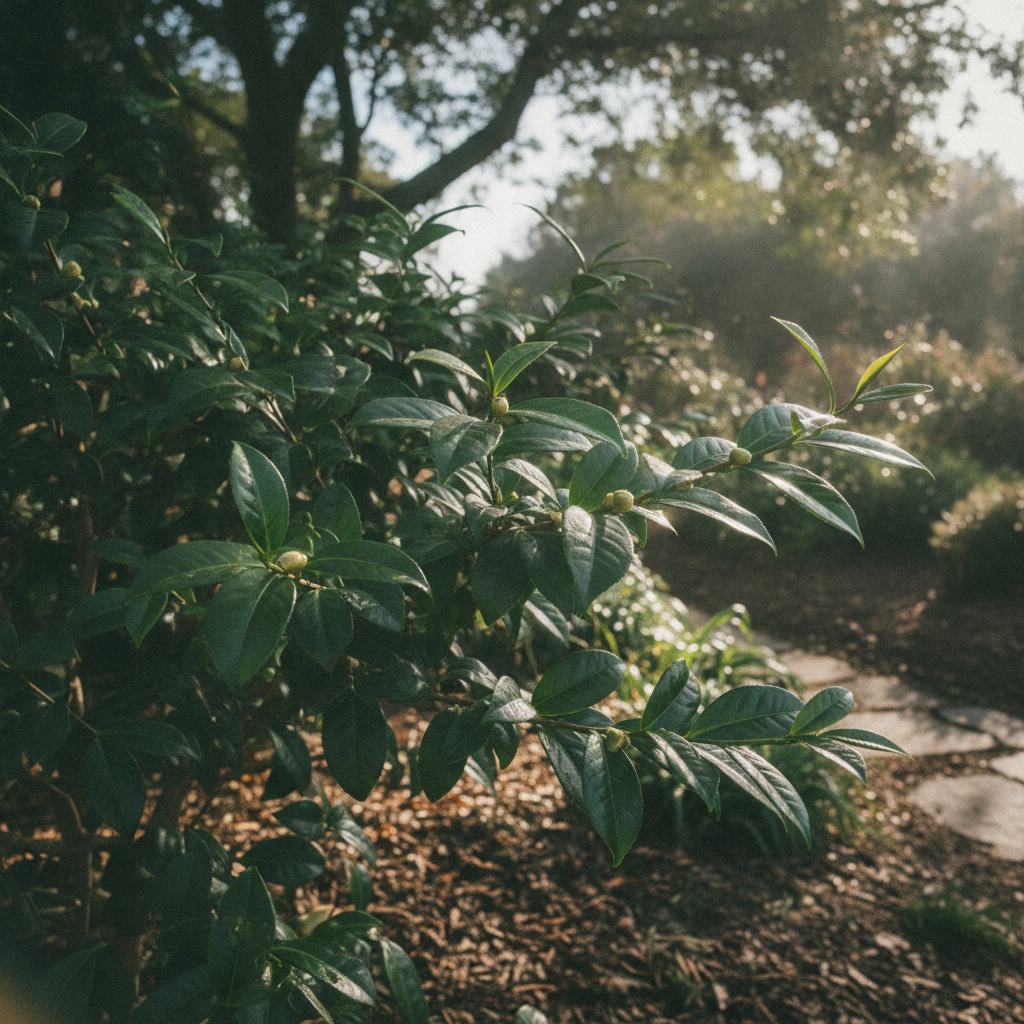
Learn how to grow black tea at home: soil, climate, and the five processing steps from fresh leaf to a finished cup of black tea.

Wisdom is the path to better tea.
Get our free brewing guide: the right water, heat and timing for every tea we sell. You will also hear it first when new harvests arrive.
No spam. Unsubscribe any time.
Check your inbox.
The guide is on its way.